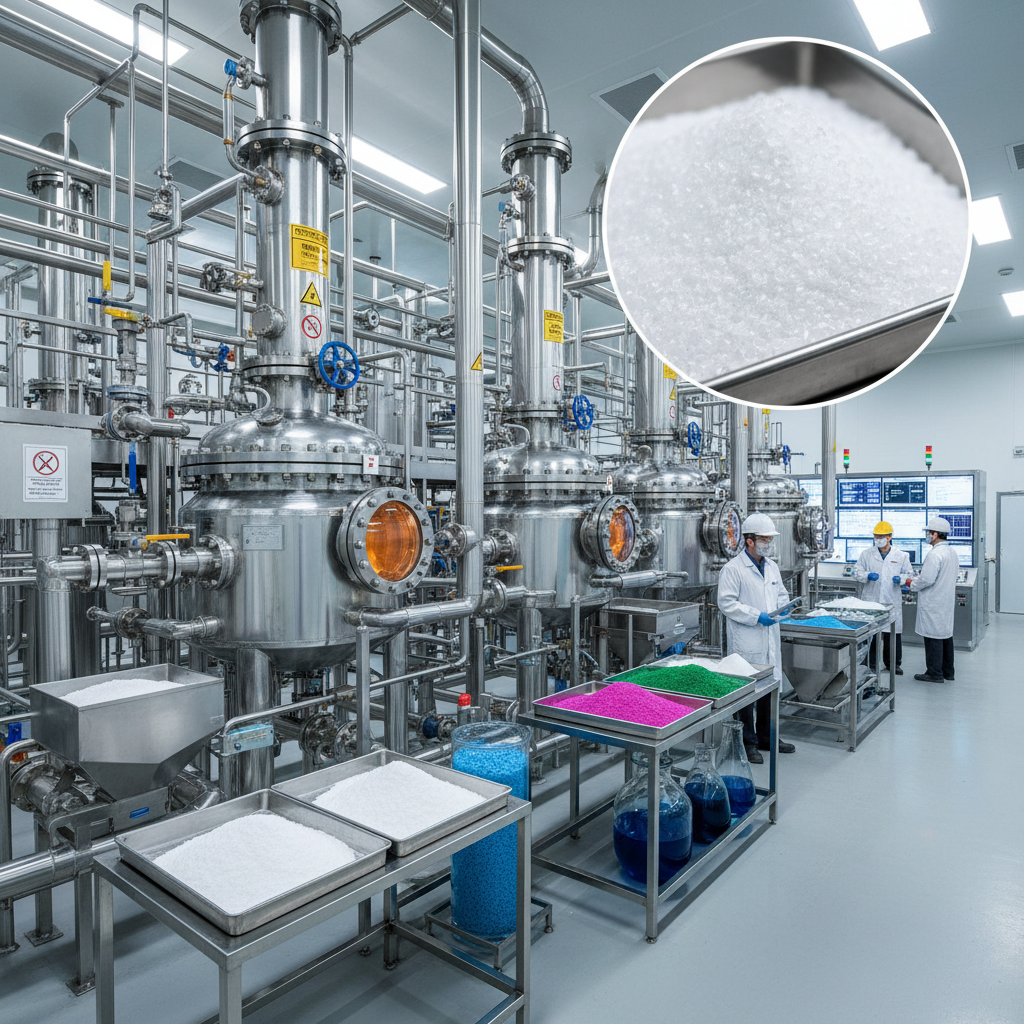
In the competitive landscape of modern animal nutrition, identifying high-quality additives through precise identifiers like the 77 92 9 cas number is essential for ensuring safety and efficacy. While various chemical markers exist, the focus on feed-grade antioxidants, specifically Vitamin E powder, has revolutionized how livestock and equine health is managed globally, providing a stable shield against oxidative stress.
The global demand for sustainable livestock management has pushed manufacturers to refine the purity and stability of nutritional supplements. By adhering to strict standards, the industry ensures that products associated with the 77 92 9 cas number context—such as d-alpha tocopherol derivatives—meet the rigorous needs of poultry, swine, and high-performance horses, directly impacting food security and animal welfare.
Understanding the technical specifications and commercial applications of these additives allows producers to maximize growth rates, improve fertility, and enhance the overall quality of the end product. Whether looking at bulk supply or specialized equine formulations, the integration of standardized powder forms ensures consistent dosing and prolonged shelf life, marking a significant leap from traditional liquid supplementation.
Global Relevance of 77 92 9 cas number in Feed Nutrition
The global agricultural sector faces an ongoing challenge: maintaining high productivity while reducing the reliance on antibiotics. This is where the strategic application of antioxidants, often categorized under the 77 92 9 cas number framework, becomes critical. By supporting the immune system and reducing cellular damage, these additives ensure that animals remain resilient against environmental stressors.
Across Europe, Asia, and the Americas, ISO and USP standards dictate the purity of feed additives. The shift toward standardized powder forms has allowed for a more scalable approach to animal husbandry, enabling large-scale farms to implement precise nutritional protocols that enhance everything from hatching rates in poultry to muscle recovery in elite equine athletes.
Defining the Role of 77 92 9 cas number Standards
In simple terms, the 77 92 9 cas number represents a commitment to chemical transparency and quality control within the food and feed additive industry. It serves as a universal language for procurement officers and nutritionists, ensuring that the Vitamin E powder delivered to the facility matches the exact molecular specifications required for the specific animal species.
Modern industry requires more than just "Vitamin E"; it requires a specific bioavailable form, such as tocopherol, which can effectively inhibit lipid peroxide reactions. This precision is what allows manufacturers to provide products that not only support general health but also target specific issues like male infertility in livestock or myopia prevention in specialized biological studies.
Ultimately, these standards bridge the gap between laboratory chemical synthesis and real-world agricultural application. By ensuring that the product is insoluble in water but soluble in organic solvents like fats and ethanol, the industry guarantees that the additive will be absorbed correctly by the animal's digestive system, maximizing the return on investment for the farmer.
Core Components of High-Grade Vitamin E Powder
The efficacy of a product associated with the 77 92 9 cas number is determined by its purity and composition. A standard feed-grade Vitamin E powder typically maintains a content of at least 50% Min, ensuring that the active antioxidant concentration is high enough to provide physiological benefits without requiring excessive bulk in the feed mix.
Stability is another core component. With a moisture content kept under 5.0% Max and strict limits on heavy metals like Lead (10.0mg/kg Max) and Arsenic (2.0mg/kg Max), the 77 92 9 cas number quality benchmark ensures that the additive does not introduce contaminants into the food chain, maintaining the safety of the final meat or dairy products.
Finally, microbiological safety is paramount. Top-tier manufacturers ensure that total bacterial counts remain below 1000cfu/g and that harmful pathogens like Salmonella and Shigella are completely absent. This rigorous control makes the 77 92 9 cas number compliant product an ideal choice for pharmaceutical-grade intermediates and high-end feed additives.
Practical Applications and Performance Metrics
In practical application, Vitamin E powder is utilized to enhance the productivity of poultry by increasing hatching and fertility rates. For high-performance animals, such as horses, the focus shifts to muscle function and cardiovascular recovery. The ability to blend these powders into premixes allows for a seamless integration into the animal's daily diet, ensuring that antioxidant levels in the plasma remain consistent.
When comparing different delivery methods, the powdered form consistently outperforms oils in terms of distribution uniformity. This prevents "hot spots" of over-supplementation and ensures that every animal in a herd receives the exact dosage required to combat oxidative stress and improve overall immunity.
Comparative Efficiency of 77 92 9 cas number Formulations
Advantages of Powdered Form over Liquid Alternatives
One of the most significant advantages of using feed-grade Vitamin E powder, as specified by the 77 92 9 cas number guidelines, is its superior stability. Unlike oils, which are prone to oxidation and rancidity when exposed to air and light, the powdered form is engineered for long-term storage. This is especially critical for exporters who rely on ocean or land transportation over long distances.
Furthermore, the ease of mixing cannot be overstated. In large-scale commercial feed lines, powders integrate seamlessly into dry premixes, eliminating the risk of clumping or uneven distribution associated with liquid additives. This ensures that every batch of feed is nutritionally identical, which is a prerequisite for maintaining consistent animal growth and health standards across a global supply chain.
Long-term Value in Equine and Livestock Health
Investing in high-purity antioxidants provides a tangible long-term value by reducing the incidence of vitamin deficiency diseases. In the poultry sector, this translates to lower mortality rates and higher quality meat. For the equine industry, the use of specialized powder formulations supports muscle recovery and protects joints, which extends the competitive lifespan of high-value performance horses.
Beyond the physical metrics, there is a profound economic advantage. By utilizing a concentrated 50% Min content powder, farmers reduce the volume of additives needed, thereby lowering shipping costs and storage requirements. This efficiency makes the 77 92 9 cas number compliant product a cornerstone of sustainable and profitable farming.
Finally, the psychological peace of mind for the producer is a key value. Knowing that the product is certified by SGS, USP30, and BP2005 ensures that the livestock are receiving a safe, non-toxic supplement. This trust in the supply chain is essential for meeting international export standards for animal products, facilitating smoother trade and higher market valuations.
Future Innovations in Antioxidant Feed Technology
The future of feed additives is moving toward "smart nutrition," where the 77 92 9 cas number standards will be integrated with micro-encapsulation technology. This innovation will allow for the controlled release of Vitamin E in the animal's gut, further increasing bioavailability and reducing waste, ensuring that the antioxidant reaches the target tissues with maximum efficiency.
Sustainability is also driving a shift toward natural d-alpha tocopherol sources. Future production lines are expected to utilize green chemistry to reduce the carbon footprint of manufacturing while maintaining the high purity levels required by the industry. This transition will align animal nutrition with global goals for environmental stewardship and organic farming.
Digital transformation is also playing a role, with blockchain technology being used to track the 77 92 9 cas number supply chain from the factory in China to the farm in Europe or America. This ensures absolute transparency in origin and quality, allowing farmers to verify the USP30 or BP2005 certification of their batch in real-time via a digital ledger.
Analysis of Vitamin E Powder Specification and Performance
| Analysis Dimension |
Technical Requirement |
Impact on Animal Health |
Market Value Score (1-10) |
| Active Content |
50% Min Pure Powder |
Optimized Antioxidant Status |
10 |
| Moisture Control |
Max 5.0% |
Prevents Mold & Degradation |
9 |
| Heavy Metal Limit |
Pb
|
Ensures Food Chain Safety |
9 |
| Microbial Load |
|
Reduces Enteric Infection |
8 |
| Bioavailability |
Fat-Soluble Powder |
Efficient Cellular Absorption |
10 |
| Certification |
SGS/USP30/BP2005 |
Guaranteed Standard Dosage |
9 |
FAQS
The powdered form, often referenced under the 77 92 9 cas number context, offers significantly higher stability and resistance to oxidation compared to oil. Powders are easier to mix uniformly into dry premixes, preventing "hot spots" of nutrition and ensuring a longer shelf life without the risk of rancidity common in liquid oils.
Vitamin E acts as a potent antioxidant that protects cell membranes. In poultry, it is used to increase the hatching rate, improve fertility in broodstock, and enhance overall immunity. This results in a higher production rate and better meat quality by reducing oxidative stress during rapid growth phases.
Yes, a 50% Min content is a standard high-grade specification. For horses, this concentration allows for precise dosing to support muscle recovery and cardiovascular health. When integrated into a balanced equine diet, it effectively protects against oxidative damage caused by intense physical training.
To ensure the quality associated with the 77 92 9 cas number standard, look for SGS, USP30, and BP2005 certifications. These guarantee that the product meets international purity levels, has strictly controlled heavy metal limits, and is free from harmful pathogens like Salmonella.
Absolutely. Feed-grade Vitamin E is specifically used for the treatment of vitamin deficiency diseases in livestock. It helps in preventing capillary bleeding, improving reproductive health, and combating stress-induced immune suppression, making it an essential therapeutic additive in veterinary nutrition.
It should be stored in a cool, dry place, away from direct sunlight and strong oxidizing agents. Using the standard packaging of 5kg, 10kg, or 25kg drums helps maintain the low moisture levels (Max 5.0%) required to prevent degradation, ensuring the active tocopherol remains potent until use.
Conclusion
The strategic use of high-quality Vitamin E powder, standardized under markers like the 77 92 9 cas number, is indispensable for the modern livestock and equine industries. By providing a stable, bioavailable, and pure source of antioxidants, this additive directly enhances reproductive efficiency, immune response, and overall animal productivity while ensuring the safety of the global food supply chain.
As the industry moves toward more sustainable and digitally transparent supply chains, the importance of adhering to rigorous certifications like USP30 and BP2005 will only grow. We recommend that producers and nutritionists prioritize powdered formulations for their superior stability and mixing precision. To source premium, factory-direct Vitamin E powder, visit our website: www.chinaseasoning.com.