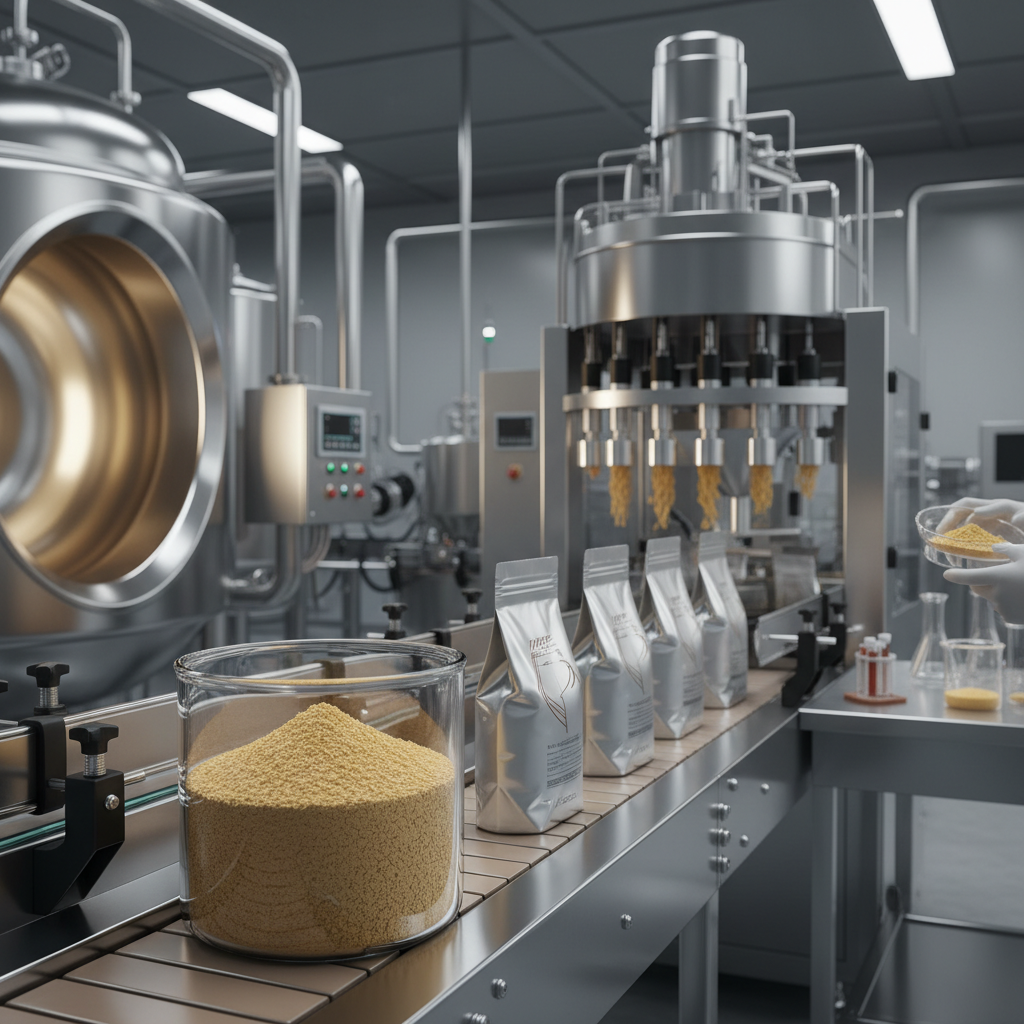
In the global landscape of nutritional science and industrial livestock production, the demand for high-efficiency methyl donors has surged, placing a spotlight on the quality and accessibility of specialized ingredients. A high-quality chinese additive like Betaine serves as a critical biochemical tool, offering a versatile solution for both animal husbandry and human sports nutrition. By understanding the molecular properties of these compounds, manufacturers can significantly optimize biological outputs and cost-efficiency across various sectors.
The industrial application of Betaine, whether in its anhydrous or hydrochloride form, addresses a fundamental need for metabolic regulation and osmotic balance. As global supply chains evolve, the reliability of a chinese additive ensures that essential methylation functions—often managed by methionine and choline—are maintained even under environmental stress. This stability is paramount for maintaining the health of livestock and the performance of elite athletes.
From enhancing the lean meat rate in breeding pigs to boosting power output in pre-workout formulations, the utility of this chinese additive is vast. By bridging the gap between raw chemical parameters and commercial efficacy, Betaine provides a scientifically validated pathway to improved growth, recovery, and metabolic health, making it an indispensable asset in the modern additive market.
The Chemical Profile and Standards of Betaine
Betaine, scientifically known as trimethylglycine, is a white scaly or prismatic crystalline powder characterized by a slight sweetness. With a chemical formula of 117.15 and a melting point reaching 293°C (decomposition), it demonstrates exceptional stability. This chinese additive is highly soluble in water (160g/100g at 20°C), as well as methanol and ethanol, while remaining insoluble in ether.
Strict quality standards are maintained for different grades: Betaine Anhydrous typically features a minimum assay of 98.0%, with moisture kept below 1.0% and ignition residue under 0.5%. Similarly, Betaine Hydrochloride maintains a 98.0% minimum assay. These rigorous specifications ensure that the chinese additive remains pure and effective, preventing contamination from heavy metals like Arsenic and Lead.
Metabolic Mechanisms and Methyl Donor Efficacy
At its core, Betaine functions as a highly efficient methyl donor, providing three effective methyl groups that are neutral in nature. This allows the chinese additive to replace the methylation functions of methionine and choline, which are often costly components in feed formulations. By optimizing these pathways, producers can reduce overall feed costs without sacrificing production performance.
The biochemical importance of this methylation process cannot be overstated, as it ensures the normal synthesis and metabolism of nucleic acids and proteins in animals. When integrated as a chinese additive, Betaine supports a wide array of biochemical reactions that are essential for cellular growth and the maintenance of systemic health.
Furthermore, the role of Betaine as a methyl donor extends to the production of creatine in the liver and muscles. This mechanism is particularly vital in sports nutrition, where the chinese additive facilitates increased phosphocreatine stores, enabling higher intensity efforts and sustained muscle contraction during rigorous training.
Animal Health and Livestock Production Benefits
In the livestock industry, the implementation of a chinese additive like Betaine promotes fat metabolism and increases the lean meat rate in swine. It is highly effective in preventing fatty liver and enhancing the general immunity of the animal, which directly translates to improved breeding ability in pigs and higher survival rates.
Beyond nutrition, this chinese additive acts as an osmotic regulator, reducing stress responses and ensuring normal growth. It is specifically noted for relieving piglet diarrhea, increasing weaned pig litter weight, and mitigating heat stress in chickens, which significantly reduces mortality rates in poultry farming.
For aquatic species, Betaine serves as a powerful attractant by stimulating the animal's sense of smell and taste. Utilizing this chinese additive in aquatic feed increases feed intake and survival rates, which shortens the feeding cycle and reduces the overall feed coefficient.
Sports Nutrition and Athletic Performance Impact
Betaine anhydrous, often referred to as TMG, has become a staple in pre-workout formulations due to its ability to enhance muscular endurance and power output. As a chinese additive used in supplements, it supports cellular hydration and muscle protein synthesis, providing benefits that are distinct from other ergogenic aids like beta-alanine.
Athletes frequently utilize Betaine powder to increase lean muscle mass and accelerate post-exercise recovery. Because this chinese additive helps maintain muscle volume and reduce cramping through osmotic balance, it is highly valued by bodybuilders and powerlifters seeking maximum hypertrophy and strength gains.
Performance Efficiency of Betaine-Based Additives
Industrial Stability and Thermal Resistance
One of the most significant industrial advantages of this chinese additive is its high melting point, which exceeds 200°C. This thermal stability makes it ideal for use in high-temperature pelleting processes common in feed manufacturing, where other vitamins or nutrients might degrade.
Furthermore, Betaine is an amphoteric compound, meaning it is not easily oxidized. When combined with vitamins in a premix, this chinese additive helps maintain the stability of the surrounding vitamins more effectively than alternatives like choline, ensuring a longer shelf life for the final product.
Comparative Analysis of Betaine Forms
When choosing between Betaine Anhydrous and Betaine Hydrochloride, manufacturers must consider solubility and application. The anhydrous form of the chinese additive offers superior stability and ease of integration into dry formulations, making it the preferred choice for commercial sports supplements and pre-workout powders.
Betaine Hydrochloride, while also maintaining a high assay of 98.0%, is often utilized in different animal feed contexts. The primary difference lies in the crystalline structure and how they interact with other ingredients in the premix, though both versions of the chinese additive provide the essential methyl donor functions.
Compared to other performance enhancers like beta-alanine, this chinese additive provides cellular hydration and creatine synthesis support without the common side effects of bloating or tingling, offering a cleaner profile for the end consumer.
Global Market Applications and Future Trends
The global adoption of Betaine as a chinese additive is expanding beyond agriculture into general wellness. Future trends indicate a shift toward "green" synthesis and high-bioavailability formulations that maximize the compound's impact on liver metabolism and cardiovascular health.
Digital transformation in additive manufacturing is allowing for more precise purity controls, ensuring that every batch of this chinese additive meets international regulatory standards (ISO) and safety requirements. This precision is critical for exporters serving the pharmaceutical and nutraceutical markets.
As the industry moves toward sustainable intensification in farming, the use of Betaine to reduce reliance on synthetic methionine will grow. This chinese additive represents a move toward more natural, biologically compatible solutions for global food security and human health.
Comparative Analysis of Betaine Additive Specifications and Applications
| Additive Variant |
Primary Application |
Key Benefit |
Purity Grade |
| Betaine Anhydrous |
Sports Supplements |
Muscle Endurance |
≥ 98.0% |
| Betaine Hydrochloride |
Livestock Feed |
Growth Promotion |
≥ 98.0% |
| Feed-Grade Betaine |
Poultry/Aquatic |
Heat Stress Relief |
Standard Industrial |
| Supplement-Grade TMG |
Pre-Workout Mixes |
Creatine Synthesis |
High Purity |
| Betapure Anhydrous |
Premium Nutrition |
Bioavailability |
Ultra Pure |
| Carnitine-Betaine Blend |
Metabolic Support |
Fat Metabolism |
Composite Grade |
FAQS
The primary difference lies in their chemical form and typical application. Betaine Anhydrous is highly stable and widely used in sports nutrition and dry pre-workout powders due to its solubility and purity. Betaine Hydrochloride is frequently used in animal feed to promote growth and regulate metabolism. Both function as methyl donors, but the anhydrous form is generally preferred for high-end human supplements.
Betaine improves performance by replacing costly methionine and choline, optimizing protein synthesis, and increasing the lean meat rate in animals. It also acts as an osmoprotectant, reducing heat stress in poultry and diarrhea in piglets, which ensures consistent growth rates and lower mortality in commercial farming environments.
Yes, Betaine is exceptionally suited for high-temperature processes. With a melting point that can reach above 200°C, it remains stable during the pelleting process, unlike many other vitamins or organic additives that degrade under heat. This makes it a reliable choice for industrial feed production.
Betaine Anhydrous is a naturally occurring compound (trimethylglycine) and is considered safe for daily use in sports nutrition. It supports cellular hydration and creatine synthesis without the side effects often associated with other performance enhancers, such as cramping or bloating, provided it is sourced from a certified supplier.
Betaine stimulates the olfactory and gustatory senses of aquatic animals. By acting as a chemical attractant, it increases the willingness of fish and shrimp to consume feed, which improves the feed conversion ratio, shortens the growth cycle, and increases the overall survival rate in aquaculture.
As an amphoteric compound, Betaine is more resistant to oxidation than choline. When combined with vitamins in a premix, Betaine helps maintain the stability of the vitamins more effectively, reducing degradation over time and extending the shelf life of the feed or supplement.
Conclusion
Betaine, as a versatile and high-performance chinese additive, provides critical metabolic and structural benefits across animal husbandry and sports nutrition. From its role as an efficient methyl donor to its exceptional thermal stability and osmotic regulating properties, it solves key industrial challenges regarding feed cost, animal welfare, and athletic recovery. The strict adherence to purity standards for both anhydrous and hydrochloride forms ensures its efficacy in the most demanding applications.
Looking forward, the integration of Betaine into sustainable farming and advanced nutraceuticals will likely accelerate as global demand for clean-label, bio-available ingredients grows. Manufacturers and nutritionists are encouraged to leverage the stability and versatility of this compound to optimize biological outcomes. For high-quality sourcing and technical specifications, visit our website: www.standard-seasoning.com