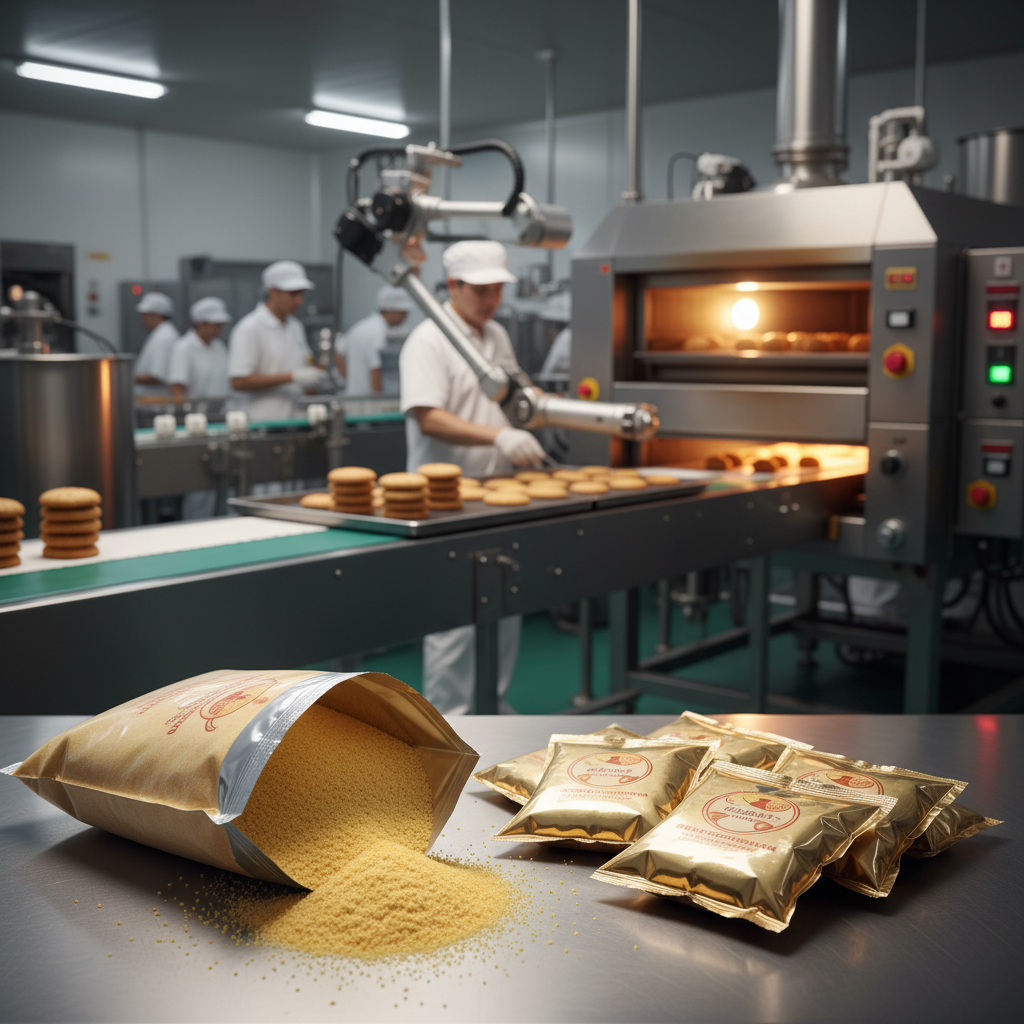
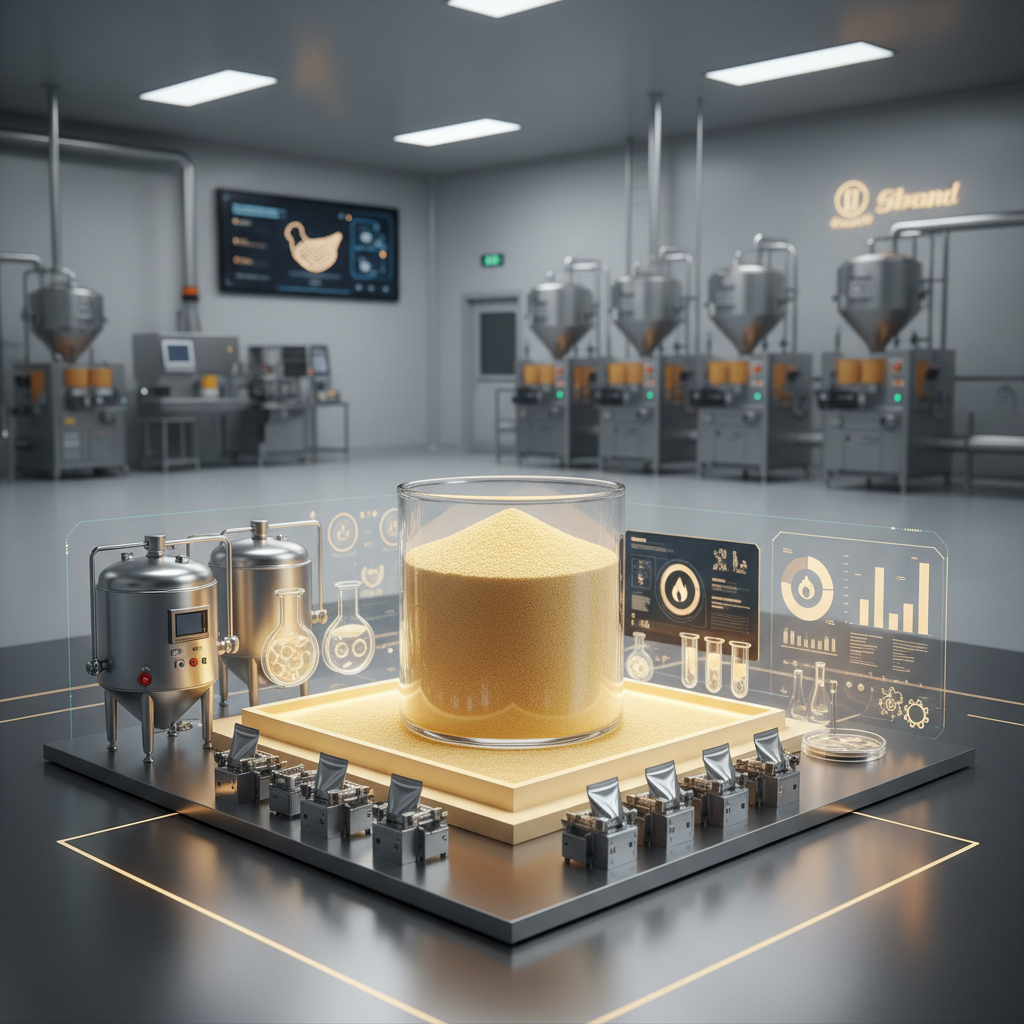
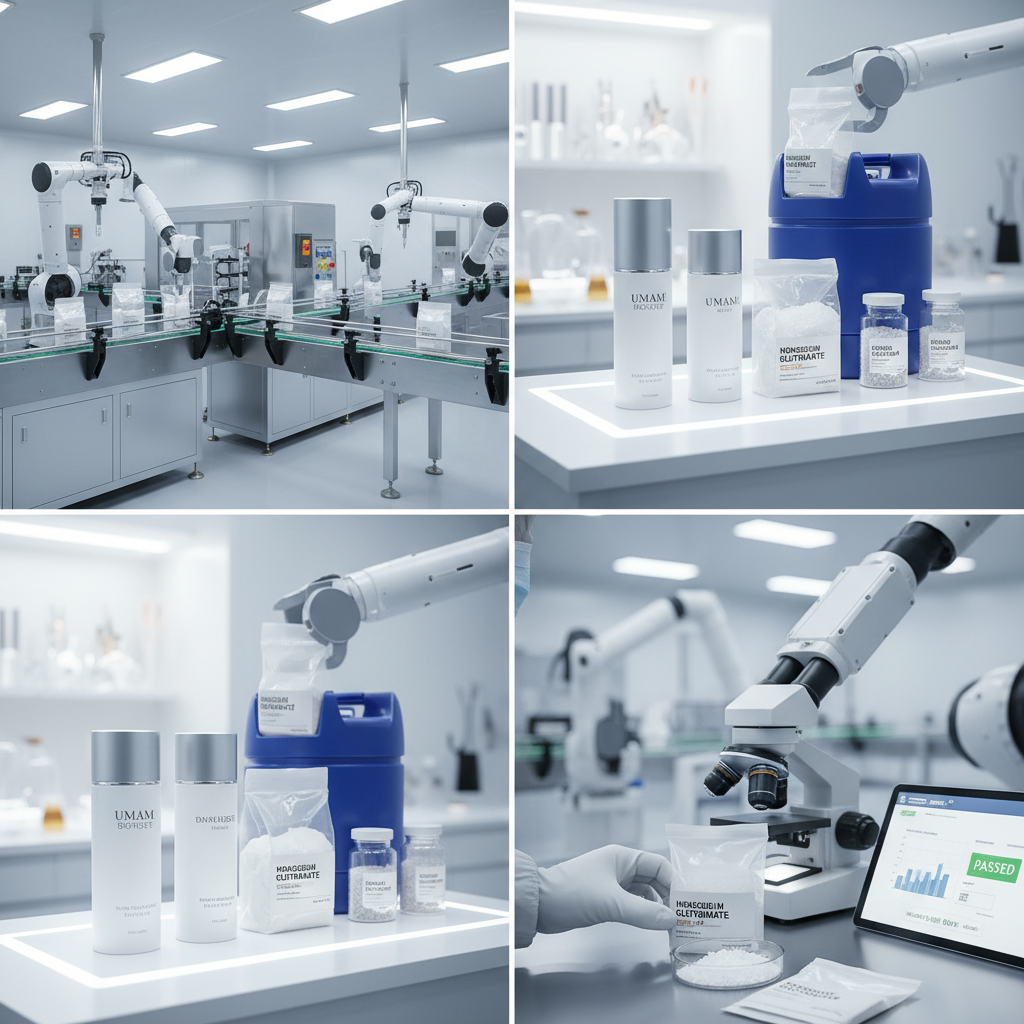
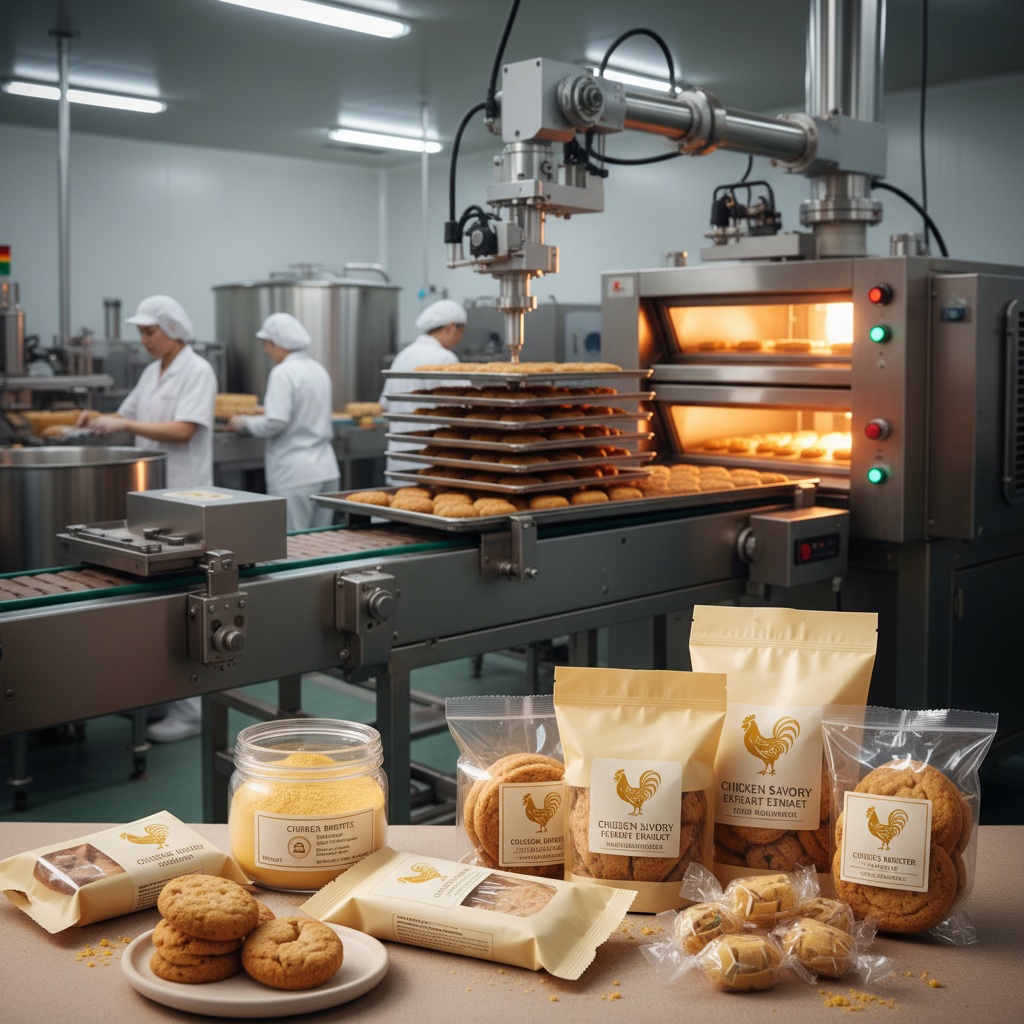
In the competitive landscape of the modern food industry, achieving a consistent, savory profile across large-scale production is a significant challenge. chicken flavor bouillon powder serves as a critical solution, providing a concentrated essence of chicken that ensures flavor uniformity, reduces preparation time, and optimizes costs for manufacturers globally.
Beyond simple seasoning, this additive represents the intersection of food science and culinary art, allowing brands to maintain the "homemade" taste while utilizing industrial-scale efficiency. From instant soup bases to processed snacks, the versatility of high-quality bouillon powder is indispensable for meeting the evolving taste preferences of consumers who demand richness and depth in every bite.
Understanding the technical specifications, sourcing requirements, and application methods of this product is essential for any procurement manager or food technologist. By leveraging advanced spray-drying and granulation technologies, the industry has transformed traditional broths into a stable, easy-to-store powder that preserves the aromatic integrity of chicken flavor over long durations.
Global Market Relevance of Chicken Flavor Bouillon Powder
The global demand for chicken flavor bouillon powder has seen a steady increase, driven largely by the rise of convenience foods and the expansion of the ready-to-eat (RTE) market. According to market analysis trends aligned with ISO quality standards, the shift toward processed savory foods in emerging economies has made standardized flavoring agents a necessity for maintaining brand loyalty and product consistency.
However, the industry faces a constant struggle between cost-reduction and the consumer's desire for "clean label" products. The challenge lies in creating a powder that mimics the complex amino acid profile of slow-simmered chicken while remaining shelf-stable and affordable for mass distribution across diverse geographic regions.
Definition and Technical Composition
At its core, chicken flavor bouillon powder is a dehydrated seasoning blend consisting of salt, flavor enhancers, chicken extracts or synthetic flavorings, and anti-caking agents. It is engineered to provide a concentrated "umami" punch that serves as the foundation for soups, sauces, and marinades, allowing chefs and manufacturers to bypass the hours required for traditional stock reduction.
From a technical perspective, the powder is often produced using spray-drying technology, where a liquid chicken concentrate is atomized into a hot air chamber, resulting in fine particles with high solubility. This process ensures that the flavor is evenly distributed and that the product can be reconstituted instantly in hot or cold water without clumping.
In the context of modern food additives, this product bridges the gap between industrial efficiency and nutritional requirements. Whether used as a food additive for human consumption or as a flavor enhancer in specific animal feed applications to improve palatability, its composition is tailored to meet strict regulatory safety standards.
Core Components for Maximum Flavor Stability
The efficacy of chicken flavor bouillon powder depends heavily on its "Umami Balance." This is achieved through the precise ratio of glutamates and nucleotides, which trigger the savory taste receptors on the human tongue, creating a perception of richness and fullness.
Solubility and Flowability are equally critical. A premium chicken flavor bouillon powder must incorporate high-grade maltodextrin or silicon dioxide to prevent moisture absorption (caking), ensuring that the product flows smoothly through automated dosing machinery in large factories.
Finally, Aromatic Retention is the hallmark of a superior product. By using encapsulation techniques, the volatile organic compounds that give chicken its distinct smell are trapped within a protective matrix, releasing only when the powder is heated or dissolved, thus extending the shelf life of the final food product.
Practical Applications and Use Cases
The application of chicken flavor bouillon powder spans across multiple sectors. In the industrial food sector, it is used as a primary base for instant noodle seasoning packets and dehydrated soup mixes. In the hospitality industry, it allows hotel kitchens to maintain flavor consistency across thousands of servings without employing an army of stock-pot attendants.
Moreover, in specialized contexts such as food relief operations in remote industrial zones or post-disaster areas, bouillon powder provides a critical means of making bland, basic grains (like rice or porridge) more palatable and nutritionally appealing, thereby improving the dietary experience of vulnerable populations.
Performance Comparison of Chicken Flavor Bouillon Powder Variants
Tangible Advantages and Long-Term Value
The primary logical advantage of using chicken flavor bouillon powder is the dramatic reduction in operational costs. By eliminating the need for massive quantities of water, energy for boiling, and raw poultry waste management, factories can significantly lower their overhead while increasing their output speed.
From an emotional and brand-value perspective, providing a consistent, comforting taste builds trust with the end consumer. Reliability in flavor is a form of quality assurance; when a customer buys a product, they expect the same savory experience every time. This stability fosters long-term brand loyalty and market penetration.
Future Trends in Flavor Innovation
The future of chicken flavor bouillon powder is leaning heavily toward "Green Chemistry" and plant-based alternatives. With the rise of veganism and flexitarian diets, there is a surging demand for "chicken-style" flavors derived from yeast extracts and mushroom proteins that mimic the exact molecular structure of poultry without using animal products.
Digital transformation is also playing a role through the use of AI-driven flavor profiling. Companies are now using machine learning to analyze consumer taste data across different regions to create "hyper-localized" bouillon powders—adjusting the salt and spice levels to fit the specific palate of a region in Southeast Asia versus Western Europe.
Furthermore, sustainability policies are pushing manufacturers toward eco-friendly packaging and carbon-neutral production processes. The goal is to create a circular economy where the by-products of poultry processing are upcycled into high-value bouillon components, reducing waste and improving the overall environmental footprint of the additive industry.
Overcoming Industry Challenges and Solutions
One of the most persistent challenges in the production of chicken flavor bouillon powder is the degradation of aroma during the drying process. To combat this, industry experts are implementing "low-temperature vacuum drying" and "micro-encapsulation," which protect the flavor oils from oxidation and heat damage.
Another limitation is the high sodium content typically found in bouillon products. The solution involves the integration of potassium salts and the use of flavor enhancers that increase the "perceived saltiness," allowing manufacturers to reduce actual sodium levels by 30-50% without compromising the taste profile, meeting the growing health demands of consumers.
Lastly, supply chain volatility for raw chicken extracts can lead to price fluctuations. The strategic solution is a "hybrid formulation" approach, combining natural chicken extracts with high-quality synthetic flavorings to ensure a stable price point and consistent availability regardless of poultry market swings.
Technical Analysis of Chicken Flavor Bouillon Powder Optimization
| Optimization Metric |
Traditional Method |
Innovative Approach |
Efficiency Gain (1-10) |
| Aroma Retention |
Standard Spray Drying |
Micro-encapsulation |
9 |
| Sodium Reduction |
Direct Salt Addition |
K-Salt Substitution |
7 |
| Solubility Rate |
Coarse Grinding |
Instantized Granulation |
8 |
| Shelf-Life Stability |
Basic Plastic Wrap |
Vacuum Foil Packaging |
10 |
| Cost Per Unit |
High Raw Meat Load |
Hybrid Yeast Extract |
8 |
| Clean Label Score |
MSG-Heavy |
Natural Umami Blends |
9 |
FAQS
Industrial-grade powder is typically sold in bulk (25kg bags) and is formulated for high-volume machinery, emphasizing flowability and precise chemical consistency for standardized recipes. Consumer-grade is packaged for retail, often containing more diverse seasonings (like herbs) and designed for manual dissolution in smaller quantities. Industrial versions prioritize cost-efficiency and stability for further processing.
Clumping occurs when the powder absorbs atmospheric moisture. To prevent this, ensure your chicken flavor bouillon powder contains an approved anti-caking agent like silicon dioxide. Additionally, store the product in airtight, moisture-proof foil packaging in a cool, dry warehouse with controlled humidity (below 60%) to maintain a free-flowing state.
Yes, many manufacturers now offer "no added MSG" versions. These utilize natural sources of glutamates, such as hydrolyzed vegetable protein (HVP), yeast extracts, or mushroom powders. These alternatives provide the same savory umami depth while appealing to health-conscious consumers and meeting "clean label" regulatory requirements in various international markets.
When stored in original, unopened packaging under optimal conditions (cool, dry, away from sunlight), a high-quality powder generally has a shelf life of 12 to 24 months. The use of vacuum packaging and oxidation inhibitors can extend this period. Always check the COA (Certificate of Analysis) for specific stability data related to the batch.
Absolutely. In the feed industry, chicken flavor bouillon powder is often used as a palatability enhancer. By adding savory notes to feed, manufacturers can increase the feed intake of livestock, particularly in weaning pigs or calves, which can lead to better growth rates and improved overall health.
Dosage depends on the desired concentration. Generally, a ratio of 0.5% to 2% of the total weight is used for base seasoning. We recommend conducting a "pilot batch" test: dissolve the powder in a small sample of your product, evaluate the savory intensity, and then scale up linearly. Always account for the salt content of the bouillon to avoid over-salting the final product.
Conclusion
In summary, chicken flavor bouillon powder is far more than a simple kitchen shortcut; it is a sophisticated tool of food engineering that enables global brands to deliver consistent, high-quality savory experiences. By balancing umami chemistry, solubility, and cost-efficiency, this additive solves the critical industrial challenge of scaling taste without sacrificing quality.
As the industry moves toward cleaner labels and sustainable production, the role of bouillon powder will continue to evolve, integrating plant-based innovations and AI-driven flavor customization. For manufacturers looking to optimize their flavor profiles and reduce operational costs, investing in high-grade, stable seasoning solutions is the most reliable path to market success. Visit our website: www.chinaseasoning.com