In the evolving landscape of global food science, the demand for specialized additives has reached an unprecedented peak as manufacturers strive to balance health benefits with taste. High performance inulin is often discussed in these circles, but the true driver of the low-calorie revolution remains the precision of intensive sweeteners. Understanding how these components interact allows food scientists to create products that satisfy consumer cravings while meeting strict dietary guidelines.
The global shift toward sugar reduction is not merely a trend but a public health imperative, influencing everything from carbonated beverages to pharmaceutical tablets. As regulatory bodies tighten limits on sucrose, the industry relies on high-stability, high-intensity solutions that provide a seamless sensory experience. The challenge lies in maintaining the structural integrity and sweetness profile of food without the bulk and caloric load of traditional sugars.
Among the most effective solutions is Aspartame, a low-calorie intensive sweetener composed of L-Aspartic Acid and L-Phenylalanine. While some may search for high performance inulin for fiber and texture, Aspartame provides the critical sweetness power—two hundred times that of sucrose—making it indispensable for the modern sugar-free market.
The Chemical Foundation of Aspartame Performance
Aspartame represents a milestone in food chemistry, consisting of two amino acids: L-Aspartic Acid and L-Phenylalanine. These components are naturally occurring and widely found in daily foods, ensuring that the sweetener integrates seamlessly into various biological systems. Its molecular structure (C14H18N2O5) allows it to bind to sweetness receptors with far greater efficiency than sucrose.
While some manufacturers explore high performance inulin to improve mouthfeel, the chemical potency of Aspartame focuses on the sensory experience of sweetness. With a molecular weight of 294.30, it delivers a clean, intense taste profile that is 200 times sweeter than table sugar, allowing for drastic reductions in volume and calories.
Global Industry Relevance and Market Demand
The global adoption of Aspartame is supported by its approval for human consumption in the vast majority of countries. This widespread acceptance is a result of decades of rigorous testing and monitoring, aligning with ISO 9001:2008 and FDA standards. As the world grapples with obesity and diabetes, the demand for high-intensity sweeteners has surged across both developed and emerging economies.
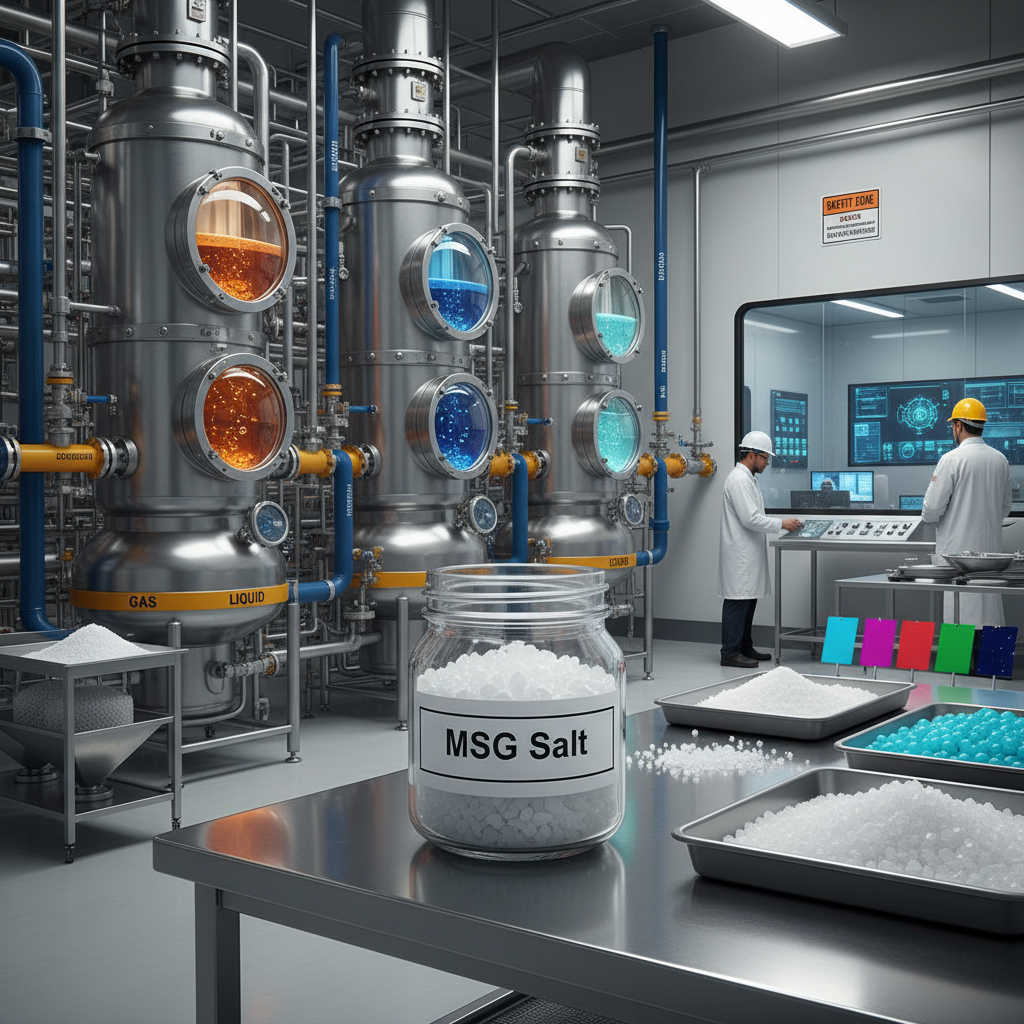
From a supply chain perspective, the ability to produce and transport this additive efficiently is crucial. With a productivity rate of 500mt per month and availability in powder and granular forms (ranging from 20 mesh to 350 mesh), manufacturers can meet the high-volume needs of global beverage giants and pharmaceutical firms.
The integration of such sweeteners allows brands to maintain a consistent taste profile while pivoting toward healthier labels. This is particularly evident in the carbonated soft drink sector, where Aspartame's stability and potency provide the essential "sweet hit" without the caloric burden associated with traditional corn syrups or cane sugar.
Technical Specifications for Quality Assurance
To achieve a high-grade final product, strict adherence to chemical assays is mandatory. A standard high-quality Aspartame must maintain an assay on a dry basis between 98% and 102%, ensuring that the purity of the L-Phenylalanine and L-Aspartic Acid remains optimal. This level of precision is what separates industrial-grade additives from those suitable for premium consumer goods.
When comparing textural additives like high performance inulin to sweeteners, the focus shifts to purity and stability. For Aspartame, the specific rotation must be within +14.5º to +16.5º, and the loss on drying must stay below 4.5% to prevent degradation and ensure a long shelf life in diverse climates.
Furthermore, safety parameters are non-negotiable. Limits on lead (≤ 10 mg/kg) and arsenic (≤ 3 mg/kg), combined with strict microbial controls (Total Bacteria Count ≤ 250cfu/g), ensure that the product meets Halal and FDA certifications. These specifications provide the trust and transparency required for international trade and consumer safety.
Scalability and Production Efficiency
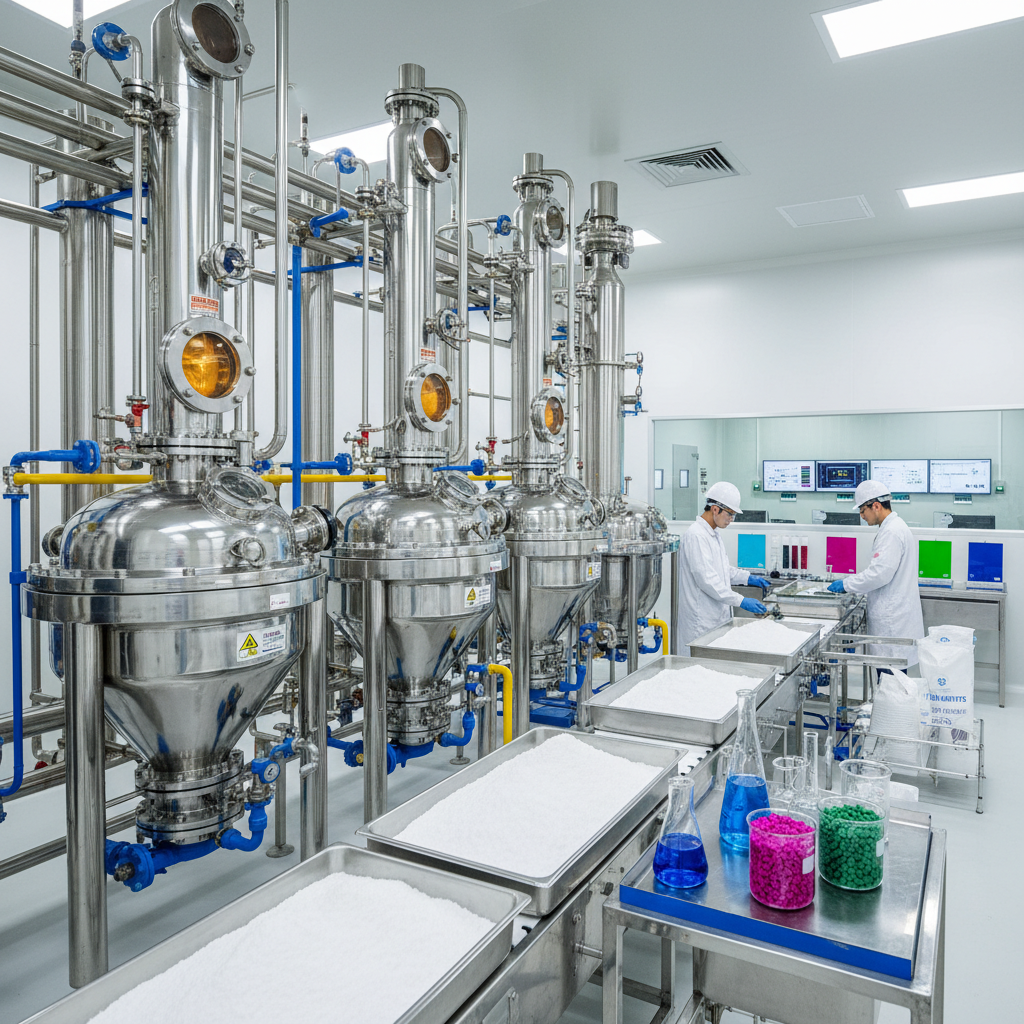
Scaling the production of high-intensity sweeteners requires a balance of raw material purity and logistical agility. With a supply ability of 500mt/month, the manufacturing process is optimized for consistency across batches, whether delivering in 25kg paper drums or larger bulk shipments. This scalability ensures that global distributors can maintain steady inventories regardless of market fluctuations.
The versatility of the physical form—ranging from coarse granules to fine powder—allows the product to be integrated into various manufacturing lines. Whether it is a high-speed beverage bottling plant or a precision pharmaceutical tablet press, the mesh size can be tailored to fit the specific equipment requirements of the client.
Comparison of Sweetener Efficiency Metrics
Diverse Application Use Cases
The application of Aspartame spans almost every category of the food and drug industry. In the beverage sector, it is the gold standard for carbonated soft drinks and fruit syrups, where it provides the desired sweetness without altering the liquid's viscosity. For dairy products, it is used in yoghurts and frozen desserts to create low-calorie treats that retain a creamy mouthfeel.
Beyond food, the pharmaceutical industry utilizes this sweetener in tablets, pastilles, and effervescent mixes. Because many medications have a naturally bitter taste, the high potency of Aspartame allows for effective masking in very small doses, ensuring patient compliance without adding significant bulk to the pill or powder.
Long-term Value and Safety Standards
The long-term value of utilizing a certified manufacturer lies in the reliability of the supply chain and the consistency of the product. By adhering to ISO 9001:2008 and FDA standards, suppliers ensure that every shipment meets the same rigorous purity levels. This consistency prevents production downtime and ensures that the end consumer receives a safe, high-quality product every time.
Moreover, the social impact of reducing sugar intake cannot be overstated. By providing a viable, cost-effective alternative to sucrose, manufacturers contribute to a global effort to combat metabolic syndrome. The use of Aspartame in dietary products empowers millions of people with diabetes or weight management goals to enjoy the taste of sweetness without compromising their health.
From a business perspective, the cost-efficiency of Aspartame—requiring 200 times less material than sugar—reduces shipping costs, storage requirements, and packaging waste. This economic advantage, combined with its safety profile, makes it a sustainable choice for large-scale industrial food production.
Future Trends in Low-Calorie Sweeteners
The future of food additives is moving toward "hybridization," where multiple components are blended to mimic the exact sensory profile of sugar. We are seeing a rise in combinations where high performance inulin is used for fiber and texture, while Aspartame provides the sweetness. This synergy creates a "full-spectrum" taste that is virtually indistinguishable from traditional sucrose.
Digital transformation in the manufacturing process is also playing a role. Automation in the milling process (optimizing the 20 to 350 mesh range) and AI-driven quality control are reducing waste and increasing purity. As these technologies evolve, the cost of production is expected to drop further, making sugar-free options more accessible in developing markets.
Sustainability is the final frontier. The industry is shifting toward greener synthesis methods for amino acids and eco-friendly packaging solutions, such as biodegradable versions of the current paper drums. These innovations ensure that the push for healthy eating does not come at the expense of the planet.
Core Analysis of Low-Calorie Sweetener Performance and Trends
| Dimension |
Current Standard |
Performance Score |
Future Outlook |
| Purity Level |
98%-102% Assay |
10/10 |
Ultra-pure grades |
| Sweetness Potency |
200x Sucrose |
10/10 |
Hybrid blend optimization |
| Regulatory Status |
FDA/Halal/ISO |
9/10 |
Expanded global certifications |
| Solubility/Mesh |
20-350 Mesh |
8/10 |
Nano-powder versions |
| Cost Efficiency |
High (Low dosage) |
9/10 |
Further reduction via automation |
| Market Adaptability |
Beverage/Pharma |
9/10 |
Plant-based synergy |
FAQS
Aspartame is a dipeptide sweetener composed of L-Aspartic Acid and L-Phenylalanine, making it 200 times sweeter than sucrose. Unlike some bulk sweeteners or fiber-based additives like high performance inulin, Aspartame is an intensive sweetener, meaning it provides high sweetness in very small quantities, effectively reducing calories in beverages and foods without adding bulk.
Aspartame is approved by the FDA and Halal certifications, making it suitable for most diets. However, because it contains phenylalanine, it is not suitable for individuals with phenylketonuria (PKU). For the general population, it is a safe, low-calorie alternative to sugar, provided it is used within the recommended daily intake levels.
The mesh size determines the particle fineness. A 20 mesh is a coarser granule, which is ideal for table-top sweetener sachets where a "sugar-like" look is desired. A 350 mesh is a very fine powder, which is essential for pharmaceutical tablets or clear beverages where rapid dissolution and complete homogeneity are required to avoid sedimentation.
Aspartame is best suited for products that do not require prolonged high-heat processing, as extreme temperatures can cause it to break down. It is ideal for carbonated drinks, cold desserts, and pharmaceutical tablets. For high-heat applications, it is often used in combination with other stabilizers or applied after the heating process.
A professional supplier should provide ISO 9001:2008 for quality management, FDA approval for safety in the US market, and Halal certification for dietary inclusivity. These ensure that the product is free from contaminants, consistent in purity (98%-102%), and produced under ethical, standardized conditions.
The standard packaging is 25kg paper drums, which protect the powder from moisture and contamination. It can be transported via Ocean, Land, or Air. For optimal stability, it should be stored in a cool, dry place away from direct sunlight to maintain its chemical rotation and assay purity.
Conclusion
Aspartame continues to be a cornerstone of the low-calorie food industry, providing an unmatched balance of potency, safety, and cost-effectiveness. From its precise chemical composition to its diverse applications in beverages and pharmaceuticals, it enables manufacturers to meet the global demand for sugar reduction without sacrificing the sensory experience. By adhering to strict purity standards and leveraging scalable production, it remains the primary tool for creating healthier, low-calorie consumer products.
Looking forward, the synergy between intensive sweeteners and textural additives will define the next generation of food science. As we move toward more personalized nutrition and sustainable manufacturing, the role of high-purity additives will only grow. We encourage manufacturers to prioritize certified, high-assay ingredients to ensure the safety and satisfaction of their global customer base. Visit our website for more information: www.chinaseasoning.com