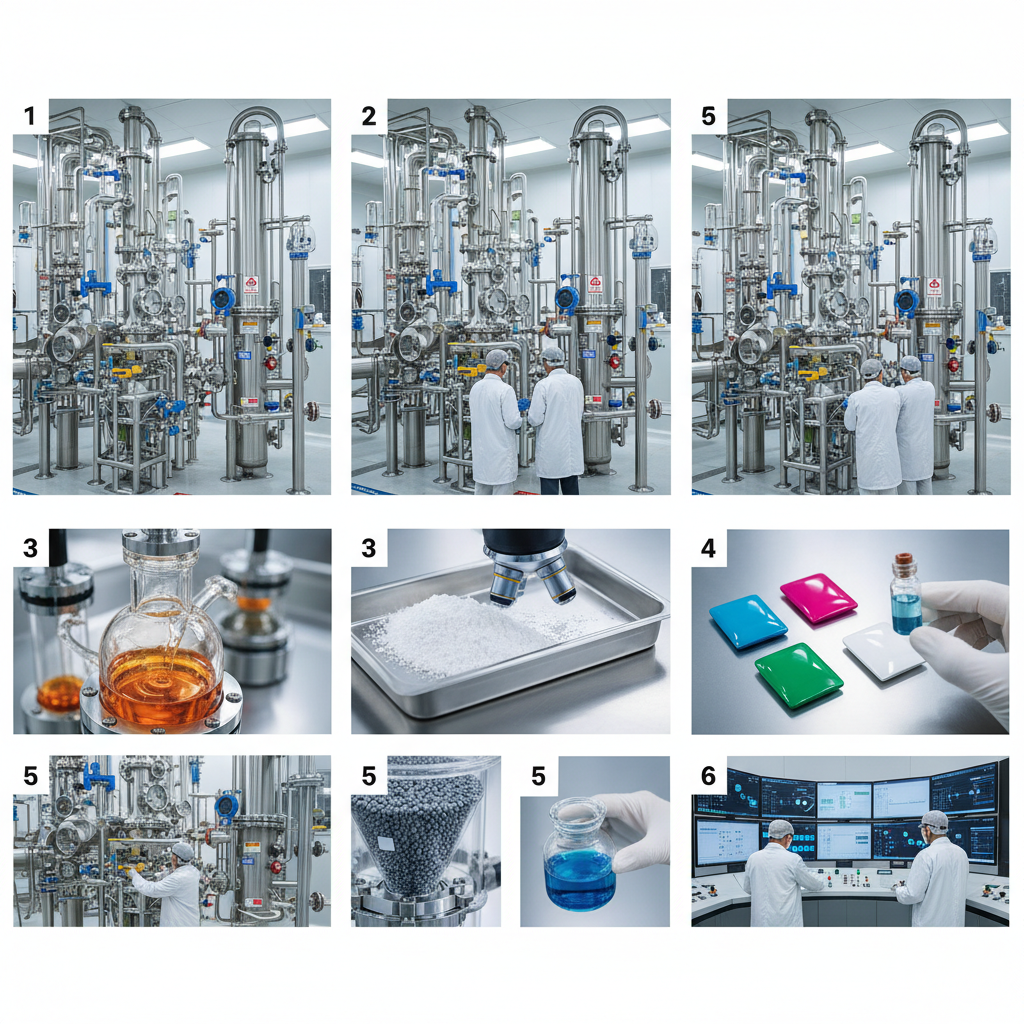
The global demand for high-efficiency animal nutrition has led to a significant increase in the search for comprehensive technical data, often sought through a poultry feed additives pdf, to optimize growth rates and health. In the competitive landscape of modern farming, ensuring that livestock receive the precise balance of minerals is not just a matter of health but a critical factor in economic sustainability and food security.
Tricalcium phosphate (TCP) emerges as a cornerstone in this nutritional strategy, providing a highly bioavailable source of calcium and phosphorus. By integrating high-purity mineral supplements into feed formulations, producers can effectively address common skeletal deficiencies and metabolic disorders that often plague fast-growing poultry breeds, ensuring a robust foundation for animal development.
Understanding the chemical properties and functional applications of these minerals is essential for feed millers and nutritionists who rely on a poultry feed additives pdf to standardize their formulations. By focusing on purity, stability, and absorption, the industry can move toward more sustainable and productive livestock management practices.
The Role of Tricalcium Phosphate in Poultry Nutrition
Tricalcium phosphate, often referred to as TCP or calcium phosphate, serves as a vital "bio-element" within the animal body. Its primary role is to supply essential phosphorus and calcium, which are the building blocks for skeletal development and metabolic regulation. In the context of high-density poultry farming, where growth cycles are accelerated, the demand for these minerals increases exponentially to prevent rickets and other bone deformities.
Beyond basic growth, the integration of TCP into feed helps strengthen the overall resistance of livestock against diseases. By maintaining optimal mineral levels, farmers can observe a noticeable increase in weight gain and a corresponding shortening of the fattening period. This efficiency not only improves the breeding rate but also significantly enhances the survival rate of livestock, making it an indispensable component of any professional feed strategy.
Technical Specifications and Chemical Properties
From a chemical perspective, Tricalcium Phosphate is defined by the formula Ca3(PO4)2 and a molecular weight of 310.18. It is a high-performing feed additive characterized by its stability and purity. For professionals sourcing materials, the CAS No. 7758-87-4 serves as the global identifier to ensure the correct chemical compound is being utilized in the mixing process.
The effectiveness of TCP is rooted in its precise elemental composition. Standard specifications typically include a calcium (Ca) content of 38.2% and a phosphorus (P) content of 18.5%. This balanced ratio is critical for bioavailability, ensuring that the animal can absorb the minerals efficiently without creating an imbalance that could lead to other nutritional deficiencies.
Safety is paramount in food and feed manufacturing. High-quality Tricalcium Phosphate is strictly monitored for heavy metal contaminants to protect animal health. Typical maximum limits are set at 10mg/kg for Lead (Pb), 3mg/kg for Arsenic (As), and 40mg/kg for Fluorine (F), alongside a loss of ignition of only 0.4%, indicating a high degree of purity and low moisture content.
Functional Benefits for Livestock Growth
The implementation of mineral supplements is a primary focus for those studying a poultry feed additives pdf, as these ingredients directly impact the physical development of the bird. Tricalcium phosphate promotes the rapid growth of animal bones, which is essential for supporting the increasing body mass of broiler chickens. This structural integrity reduces the incidence of leg weakness and improves overall mobility.
One of the most significant operational advantages of using TCP is its ability to shorten the fattening period. By providing readily available phosphorus and calcium, the animal's metabolic efficiency is maximized, allowing for faster weight gain without compromising health. This accelerated growth cycle is a key objective outlined in many a poultry feed additives pdf to increase the turnover rate of livestock.
Furthermore, TCP contributes to an increased breeding rate and a higher survival rate. By acting as a stabilizer for metabolic health, it ensures that livestock can withstand the stressors of intensive farming environments. This leads to a more resilient flock and a more predictable production output for the manufacturer.
Comparative Analysis of Calcium Sources
When choosing between various calcium salts, manufacturers often compare calcium carbonate vs tricalcium phosphate or calcium citrate vs tricalcium phosphate. While calcium carbonate is common, Tricalcium Phosphate offers the added benefit of phosphorus, making it a dual-purpose supplement. This synergy is crucial because calcium and phosphorus must work together to maintain bone density and muscle function.
TCP also demonstrates superior absorption and stability under various industrial processing conditions compared to other alternatives. Its ability to blend seamlessly into various feed matrices without altering the taste or texture makes it a preferred choice for high-end nutritional formulations. This stability ensures that the mineral content remains consistent from the mixing vat to the feeding trough.
Mineral Efficiency Comparison in Poultry Feed Additives PDF
Applications Across Different Animal Species
While primarily used in poultry, Tricalcium Phosphate is a versatile mineral compound used across the broader livestock and pet nutrition sectors. In pet food, specifically tricalcium phosphate in cat food, it is essential for ensuring optimal bone density and healthy teeth, which is especially critical for growing kittens who require rapid skeletal development.
The compound's safety profile makes it suitable for both human and animal consumption. Its powdered form allows for easy blending into a variety of matrices, from fortified dairy products for humans to specialized livestock feed. This versatility ensures that whether the application is in a large-scale poultry farm or a boutique pet food facility, the results remain consistent.
Ensuring Feed Stability and Shelf Life
Beyond its nutritional value, Tricalcium Phosphate provides critical functional advantages during the storage of feed. TCP can effectively extend the shelf life of feed by acting as a stabilizer. It helps avoid feed from mildew and rot, which is a common challenge in humid environments or long-term storage facilities.
In powdered formulations, TCP acts as an anti-caking agent. This prevents the clumping of other vitamins and minerals, ensuring that the feed remains free-flowing and easy to distribute. This consistency is vital for automated feeding systems where blockages can lead to uneven nutrition across the flock.
By maintaining a consistent product quality, TCP reduces waste and ensures that every gram of feed delivered to the animal contains the intended dosage of nutrients. This functional utility, combined with its nutritional benefits, makes it a dual-action ingredient for any modern feed manufacturer.
Quality Standards and Regulatory Compliance
Sourcing from a certified tricalcium phosphate manufacturer is essential to guarantee purity, particle uniformity, and compliance with global regulatory standards. High-quality suppliers provide rigorous documentation and certificates of analysis to ensure that the material is free from hazardous contaminants and meets the required elemental percentages.
Compliance with international food safety standards ensures that the additives used in poultry feed do not introduce risks into the human food chain. Because TCP is recognized as safe for consumption, it provides a reliable way to fortify diets without introducing allergens or toxicity, which is often a key requirement for exports to strictly regulated markets.
Ultimately, the integration of high-purity TCP into nutritional formulations supports the overall goal of sustainable agriculture. By optimizing the health of the animal and the stability of the product, manufacturers can deliver superior results that meet both consumer demands and regulatory expectations.
Core Technical Specifications of Tricalcium Phosphate for Feed Grade
| Component |
Standard Value |
Functional Role |
Impact on Poultry |
| Calcium (Ca) |
38.2% |
Bone Mineralization |
Stronger skeletal structure |
| Phosphorus (P) |
18.5% |
Metabolic Energy |
Faster growth rates |
| Lead (Pb) |
<10mg/kg |
Contaminant Control |
Safe for consumption |
| Arsenic (As) |
<3mg/kg |
Toxicity Prevention |
High survival rate |
| Loss of Ignition |
0.4% |
Purity Indicator |
Consistent dosing |
| Physical Form |
Powder |
Blending Agent |
Uniform nutrient distribution |
FAQS
Tricalcium Phosphate provides essential calcium and phosphorus, which are critical for bone development and overall metabolic health. It helps increase animal weight more quickly, shortens the fattening period, and improves the survival and breeding rates of livestock by strengthening their resistance to disease.
TCP acts as a stabilizer and anti-caking agent in feed formulations. It prevents the powder from clumping and helps protect the feed from mildew and rot, ensuring the product remains stable and safe for consumption over a longer period.
Yes, Tricalcium Phosphate is recognized as safe for both human and animal consumption. It is widely used in food fortification, nutritional supplements, and feed additives due to its high bioavailability and non-toxic nature when produced to global safety standards.
Unlike calcium carbonate, which only provides calcium, Tricalcium Phosphate provides both calcium and phosphorus. This makes it more efficient for bone growth and metabolic functions, often demonstrating superior absorption and stability during industrial processing.
Yes, Tricalcium Phosphate is naturally gluten-free and is frequently used in specialty food and supplement formulations to provide essential calcium without triggering gluten sensitivities, making it ideal for sensitive populations and specific dietary requirements.
You should look for a manufacturer that guarantees purity, particle uniformity, and strict compliance with international regulatory standards. Ensure they provide clear specifications for calcium and phosphorus content and have strict limits on heavy metals like lead and arsenic.
Conclusion
Tricalcium phosphate stands as a pivotal ingredient in the modern animal nutrition industry, offering a dual-action benefit of essential mineral supplementation and functional feed stability. By providing a reliable source of calcium and phosphorus, it directly contributes to faster livestock growth, improved bone density, and higher survival rates, all while extending the commercial viability of the feed through anti-caking and anti-rot properties.
As the poultry and livestock industries move toward higher efficiency and stricter safety standards, the reliance on high-purity mineral additives will only grow. We recommend that producers and nutritionists prioritize sourcing from certified manufacturers to ensure maximum bioavailability and regulatory compliance, ultimately driving sustainable growth and healthier animal populations. For more information and high-quality supplies, visit our website: www.chinaseasoning.com