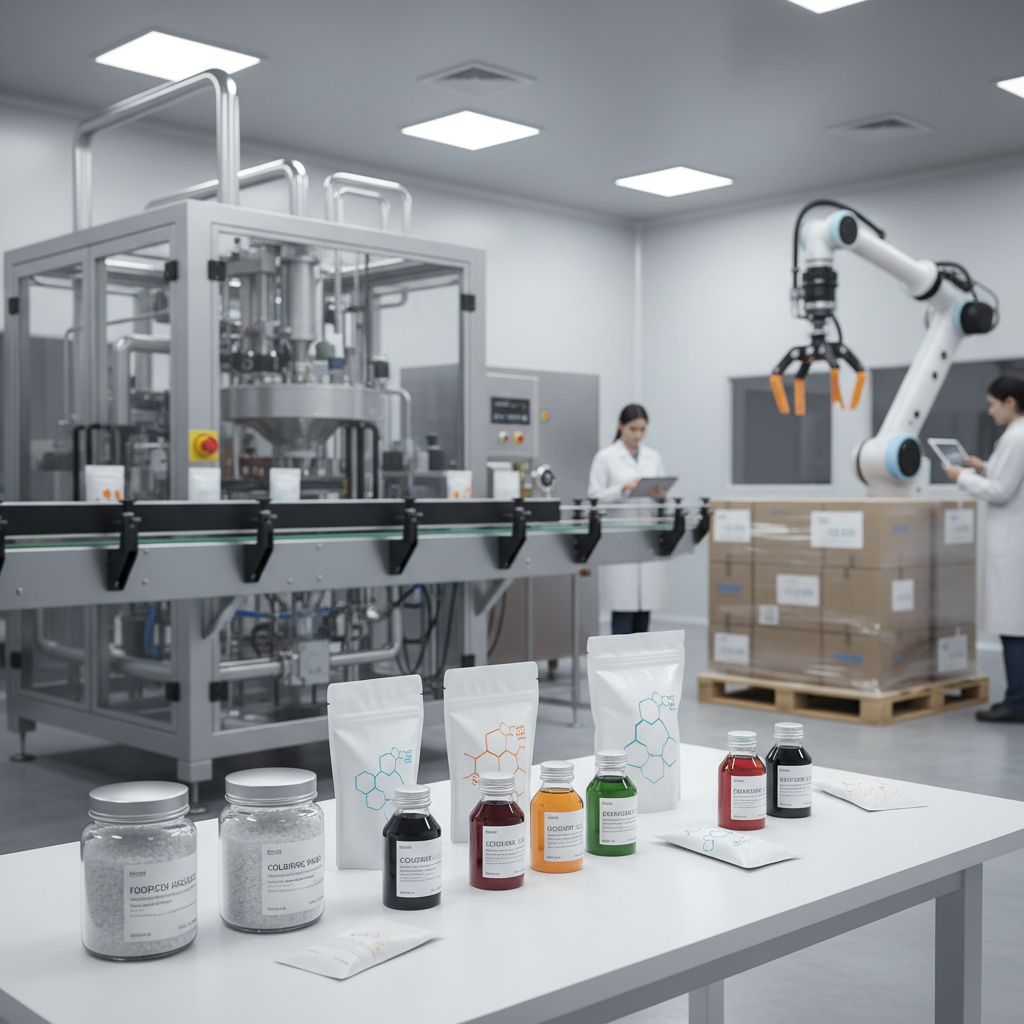
In the modern food processing landscape, the use of permitted food additives plays a critical role in ensuring that products remain safe, stable, and nutritionally balanced. As consumer demand shifts toward health-conscious options, the industry is increasingly focusing on ingredients that provide functional benefits without compromising safety or taste. Understanding the regulatory framework and the scientific basis of these additives is essential for manufacturers aiming to deliver high-quality products to a global market.
The global food supply chain faces constant challenges, from preventing spoilage to enhancing the nutritional profile of processed goods. By integrating scientifically validated ingredients, food scientists can address these hurdles, ensuring that fortified foods are not only palatable but also contribute positively to human health. This balance between industrial efficiency and consumer wellness is what drives the evolution of modern food chemistry.
Among these essential components, polydextrose stands out as a premier example of permitted food additives, offering a unique combination of low-calorie properties and prebiotic benefits. By serving as a water-soluble dietary fiber, it allows manufacturers to reduce sugar content while maintaining the structural integrity and sensory appeal of their products.
Global Standards for Permitted Food Additives
The regulation of permitted food additives is governed by stringent international bodies, including the Codex Alimentarius and various national food safety agencies. These organizations ensure that any substance added to food serves a specific technological purpose and does not pose a risk to human health when used at recommended levels. In more than 50 countries, ingredients like polydextrose have been approved, reflecting a global consensus on their safety and efficacy as healthy food ingredients.
For manufacturers, adhering to these global standards is not just a legal requirement but a cornerstone of brand trust. The shift toward "clean label" trends has pushed the industry to seek additives that are not only permitted but also provide tangible health benefits. This transition marks a move from simple preservation to active nutritional fortification, where additives help solve the problem of fiber deficiency in modern diets.
Understanding Polydextrose as a Functional Fiber
Polydextrose is a sophisticated, water-soluble dietary fiber created through random polymerization, resulting in a complex molecular structure that resists biodegradation in the upper gastrointestinal tract. Unlike simple sugars, it is not absorbed in the stomach or small intestine, making it an ideal tool for reducing caloric density in food products. This unique chemistry allows it to mimic the bulking properties of sugar while providing the physiological benefits of fiber.
From a technical perspective, polydextrose offers exceptional versatility in food formulation. It is widely used in bakery products, confectionery, and beverages to improve texture and retain moisture. By acting as a bulking agent, it enables the reduction of sugar and fat without sacrificing the palatability or mouthfeel that consumers expect, making it a staple in keto and low-calorie formulations.
Beyond its physical properties, this additive serves as a critical bridge between industrial food production and clinical nutrition. It ensures that fortified foods can deliver a significant amount of soluble fiber to the consumer, helping to increase fecal volume and reduce the risk of intestinal complications, all while maintaining a stable shelf life and consistent product quality.
Core Health Benefits of Soluble Fiber Additives
The integration of permitted food additives such as polydextrose provides more than just structural support; it offers profound physiological advantages. One of the primary benefits is the enhancement of gastrointestinal function. As a water-soluble fiber, it promotes the secretion of digestive juices and shortens the emptying time of food in the stomach, which facilitates the efficient absorption of nutrients.
Moreover, the use of these permitted food additives helps in reducing the pressure on the colon by shortening the transit time of contents through the intestine. This action dilutes the concentration of harmful substances and promotes their excretion, which is essential for preventing constipation and alleviating the risk of intestinal diseases.
Additionally, these additives contribute to the removal of cholic acid from the body, which can significantly lower serum cholesterol levels. This dual action—improving bowel regularity while managing lipid levels—demonstrates why modern nutritionists prioritize the inclusion of high-quality soluble fibers in functional food design.
Technical Performance and Industrial Application
In industrial applications, polydextrose is often compared to other agents like maltodextrin or psyllium. Its superior water retention and bulking properties make it more effective for maintaining the stability of emulsions and gels in complex food systems. This technical edge allows food technologists to create products that are high in fiber but remain smooth and appealing to the consumer's palate.
The ability to substitute sugar with a low-calorie alternative without altering the taste profile is a significant advantage for manufacturers. Whether in protein powders, snack bars, or dairy products, the use of high-purity polydextrose ensures that the final product meets strict nutritional claims while remaining economically viable for large-scale production.
Comparative Performance of Permitted Food Additives
Prebiotic Effects and Gastrointestinal Wellness
Polydextrose acts as a powerful prebiotic, meaning it serves as a food source for beneficial bacteria in the colon. Because it is not digested in the upper gastrointestinal tract, it reaches the lower intestine intact, where it is fermented by Bifidobacterium and Lactobacillus. This process inhibits the growth of harmful bacteria like Clostridium and Bacteroides, effectively regulating the balance of intestinal flora.
The fermentation process produces short-chain fatty acids, such as butyric acid, which lower the pH value of the intestinal environment. This acidification not only helps the body resist infections and reduce the risk of colorectal cancer but also creates an optimal environment for the absorption of essential minerals, particularly calcium.
Glycemic Control and Metabolic Impact
One of the most significant metabolic advantages of polydextrose is its ability to reduce the blood glucose response after meals. By improving the sensitivity of tissues to insulin and impeding the absorption of sugars in the gut, it helps maintain stable blood sugar levels. This makes it an indispensable ingredient for products designed for diabetics or those following low-glycemic diets.
Compared to glucose, which has a glycemic index of 100, polydextrose has a relative impact of only 5–7. This dramatic difference allows consumers to enjoy a sense of satiety and fullness without the insulin spikes associated with traditional carbohydrates, supporting weight management and long-term metabolic health.
Furthermore, because polydextrose is only minimally fermented (about 30%) and mostly excreted (about 60%), it generates significantly less heat than sucrose or fat. This low-caloric value ensures that it does not contribute to obesity, providing a safe and effective way to enhance the fiber content of the modern diet.
Regulatory Compliance and Safety Profiles
The safety profile of polydextrose is well-documented and recognized by major regulatory agencies worldwide. As a non-toxic, FDA-approved fiber supplement, it meets the highest standards of purity and safety. Manufacturers sourcing from reputable suppliers ensure that the assay remains at 90% minimum, with strict limits on heavy metals and pathogenic bacteria to ensure consumer safety.
Compliance involves rigorous testing for parameters such as moisture content, pH levels, and particle size to ensure uniformity across different industrial batches. This precision ensures that whether the fiber is used in a high-heat bakery process or a cold-fill beverage, the final product remains stable and safe for regular consumption.
Ultimately, the widespread adoption of polydextrose in food fortification is a testament to its reliability. By combining strict specification adherence with proven biological safety, it provides a scientifically backed solution for the global challenge of dietary fiber deficiency.
Technical Specifications and Quality Standards of Polydextrose
| Parameter |
Specification Limit |
Testing Method |
Impact on Quality |
| Assay (Polydextrose) |
90.0% Min |
Chromatography |
High |
| Moisture Content |
4.0% Max |
Oven Drying |
Medium |
| Heavy Metals |
5mg/kg Max |
ICP-MS |
Critical |
| Total Plate Count |
1000 CFU/g Max |
Culture Plate |
High |
| Particle Size |
20-50 mesh |
Sieve Analysis |
Medium |
| pH (10% Solution) |
2.5-7.0 |
pH Meter |
Low |
FAQS
Permitted food additives are substances regulated and approved by health authorities (like the FDA or EFSA) for addition to food to maintain safety, improve texture, or enhance nutritional value. They are used to prevent spoilage, stabilize emulsions, and in the case of polydextrose, provide essential dietary fiber and prebiotic benefits while reducing calories and sugar.
Yes, polydextrose is highly suitable for diabetics. It has a very low glycemic index (5-7 compared to glucose's 100), meaning it does not cause significant spikes in blood sugar. Furthermore, it can improve insulin sensitivity and impede the absorption of other sugars in the digestive tract, helping to manage postprandial glucose levels.
While it provides similar bulking and mouthfeel properties to sugar, polydextrose is a soluble fiber with significantly fewer calories. It is not absorbed in the upper GI tract, whereas sugar is rapidly metabolized. This allows manufacturers to reduce the sugar content in keto or low-calorie foods without losing the structural integrity of the product.
Prebiotic fibers like polydextrose promote the growth of beneficial gut bacteria (Bifidobacterium and Lactobacillus) by fermenting in the colon. This process produces short-chain fatty acids that lower intestinal pH, which inhibits harmful bacteria, reduces the risk of cancer, and enhances the absorption of minerals like calcium.
Yes, polydextrose is stable and versatile, making it ideal for bakery applications. It helps retain moisture and improves the texture of baked goods, ensuring they remain soft and palatable even with reduced sugar or fat content, all while maintaining its status as a safe, permitted additive.
To ensure quality, source from suppliers who provide a detailed Certificate of Analysis (CoA). Check for key specifications such as a minimum assay of 90% for polydextrose, strict limits on heavy metals (e.g., 5mg/kg max), and compliance with international food safety certifications to ensure the product is pure and safe.
Conclusion
The strategic use of permitted food additives, particularly functional fibers like polydextrose, represents a critical advancement in food science. By balancing technical requirements—such as bulking and moisture retention—with significant health benefits like glycemic control and prebiotic activity, manufacturers can create products that truly support consumer wellness. The ability to reduce sugar and calories without sacrificing sensory quality ensures that healthy eating becomes more accessible and enjoyable for a global population.
As the industry moves toward more personalized and clinical nutrition, the importance of high-purity, regulated additives will only grow. We encourage food developers and nutritionists to integrate these scientifically backed solutions to enhance the functional value of their products. For more information on high-quality ingredients, visit our website: www.standard-seasoning.com