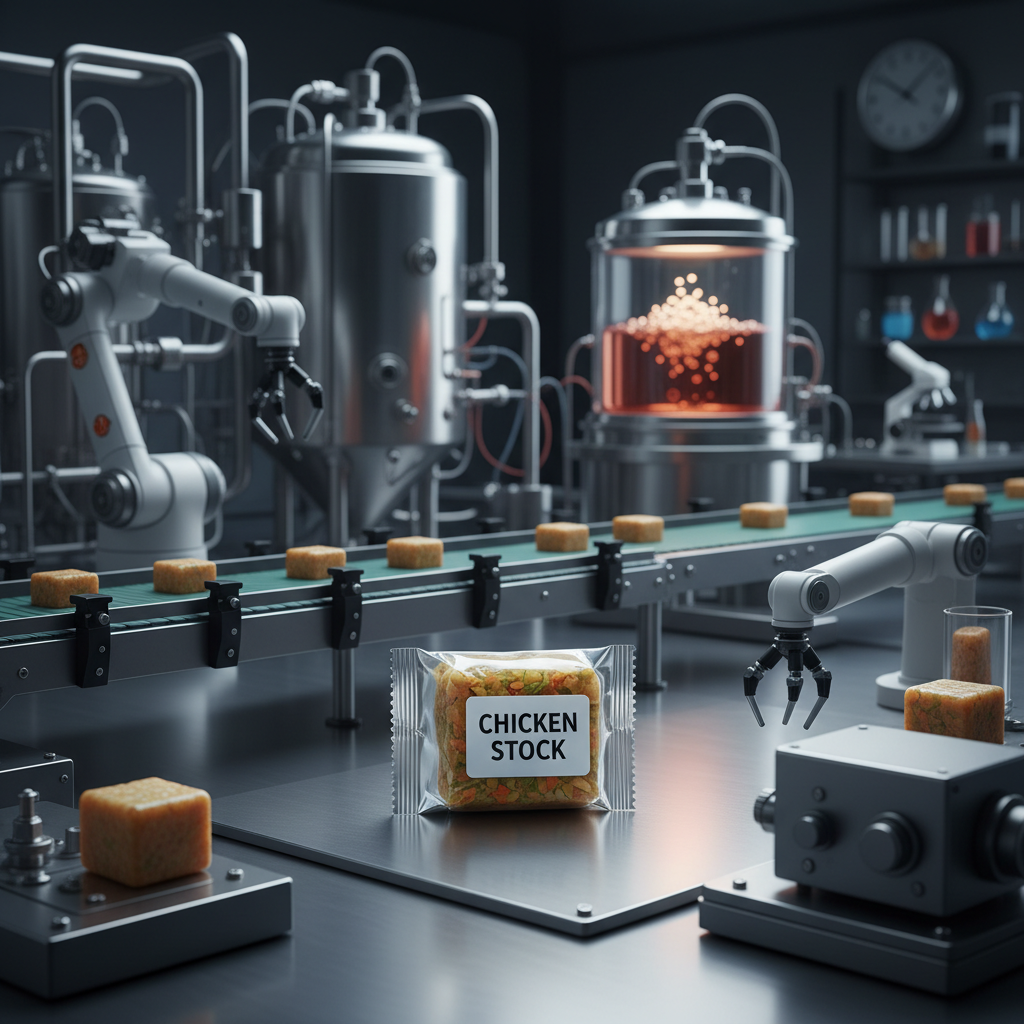
In the fast-paced world of modern culinary arts and industrial food production, the efficiency of flavor delivery is paramount. The 1 cube chicken stock has emerged as a cornerstone of convenience, offering a concentrated burst of savory umami that eliminates the need for hours of simmering bones and aromatics. For food manufacturers and home cooks alike, these compact powerhouses represent a perfect marriage of chemical engineering and gastronomic tradition.
Globally, the demand for standardized seasoning solutions has surged as urbanization increases and the time available for traditional food preparation decreases. The 1 cube chicken stock addresses the critical need for consistency in taste, ensuring that whether a soup is prepared in a high-end commercial kitchen or a remote residential area, the flavor profile remains identical. This reliability is why the bouillon cube remains a staple in pantries across every continent.
Understanding the science behind the 1 cube chicken stock—from the dehydration process to the precise balance of salt, MSG, and chicken extracts—allows businesses to optimize their cost-to-flavor ratio. By leveraging these concentrated additives, the food industry can reduce waste, lower transportation costs due to reduced weight, and maintain a shelf-stable product that resists spoilage without excessive refrigeration.
Global Industry Relevance of 1 Cube Chicken Stock
The global market for seasoning additives has seen a steady climb, with the 1 cube chicken stock serving as a primary driver in the convenient food segment. According to industry trends reflecting ISO quality standards, the shift toward "instantized" flavors allows emerging economies to access high-protein tasting profiles without the high cost of fresh meat processing.
This relevance extends beyond simple cooking; it is a logistical solution. By condensing liters of liquid broth into a single, dehydrated 1 cube chicken stock, manufacturers drastically reduce the carbon footprint associated with shipping water, aligning with global sustainability goals to minimize transport emissions.
Defining the Composition of 1 Cube Chicken Stock
At its simplest level, a 1 cube chicken stock is a dehydrated seasoning block composed of salt, flavor enhancers, chicken fat or extract, and various herbs. The process involves evaporating the water from a concentrated broth and pressing the resulting powder into a precise geometric shape for easy measurement and dosing in both industrial and domestic settings.
From a chemical perspective, the composition focuses on "umami"—the fifth basic taste. By utilizing glutamates and nucleotides, the 1 cube chicken stock mimics the deep, savory complexity of a long-boiled chicken carcass, providing a sensory experience that triggers satiety and satisfaction in the consumer.
Modern iterations of the 1 cube chicken stock have evolved to meet dietary restrictions, incorporating non-GMO cornstarch as a binder and removing artificial dyes to satisfy the "clean label" trend demanded by health-conscious global markets.
Core Components for Flavor Stability
The durability of a 1 cube chicken stock relies heavily on its water activity levels. By keeping moisture content extremely low, manufacturers prevent microbial growth, ensuring that the product remains safe for consumption for months or even years without the need for refrigeration.
Scalability is achieved through the precision of the 1 cube chicken stock formulation. Whether a company is producing ten thousand or ten million units, the ratio of salt to chicken extract must be exact to maintain a consistent flavor profile that consumers recognize and trust across different batches.
Cost efficiency is perhaps the most tangible benefit. The 1 cube chicken stock allows food service providers to control their food costs precisely, as each cube represents a fixed cost per serving, eliminating the variance found in fresh ingredient pricing.
Practical Applications and Efficiency Metrics
The application of 1 cube chicken stock varies from the high-volume production of instant noodles to the precise seasoning of gourmet risottos. In industrial food production, these cubes are often ground back into powder to be integrated into automated seasoning sprayers, providing a uniform coating of savory flavor.
Beyond the commercial kitchen, the 1 cube chicken stock is an essential tool in humanitarian aid. In post-disaster relief operations, where clean water and fuel are scarce, these cubes provide essential sodium and flavor to bland staples like rice or porridge, boosting morale and appetite for displaced populations.
Performance Metrics of 1 Cube Chicken Stock Variants
Global Use Cases in Food Logistics
In remote industrial zones, such as offshore oil rigs or mining camps, the logistics of transporting fresh poultry are nearly impossible. The 1 cube chicken stock solves this by providing a high-density flavor source that takes up minimal space and requires no cold chain infrastructure, ensuring workers have access to palatable meals.
Furthermore, in the pharmaceutical intermediates and food additive sectors, the base technology used to create a 1 cube chicken stock—specifically spray drying and agglomeration—is applied to other nutrients. This synergy allows companies to diversify their product lines from simple seasonings to fortified food enhancers.
Long-Term Value and Economic Advantages
The long-term value of investing in high-quality 1 cube chicken stock production lies in brand trust and reliability. For a B2B client, the assurance that every single cube will dissolve completely without leaving clumps is a critical quality marker that reduces customer complaints and product returns.
Sustainability also plays a role in the economic logic. By utilizing a 1 cube chicken stock, food manufacturers can significantly lower their water consumption during the initial stages of production, as the "stock" is added as a concentrate rather than being brewed in massive, energy-intensive vats.
Ultimately, the logical angle is one of risk mitigation. Using standardized additives like the 1 cube chicken stock eliminates the biological risks associated with raw meat handling in the early stages of recipe development, providing a safer, more controlled environment for food innovation.
Future Innovations in Stock Concentration
The future of the 1 cube chicken stock is moving toward "smart" nutrition. We are seeing the integration of micronutrients and probiotics into the cube structure, transforming a simple flavor enhancer into a functional food additive that supports gut health and immunity.
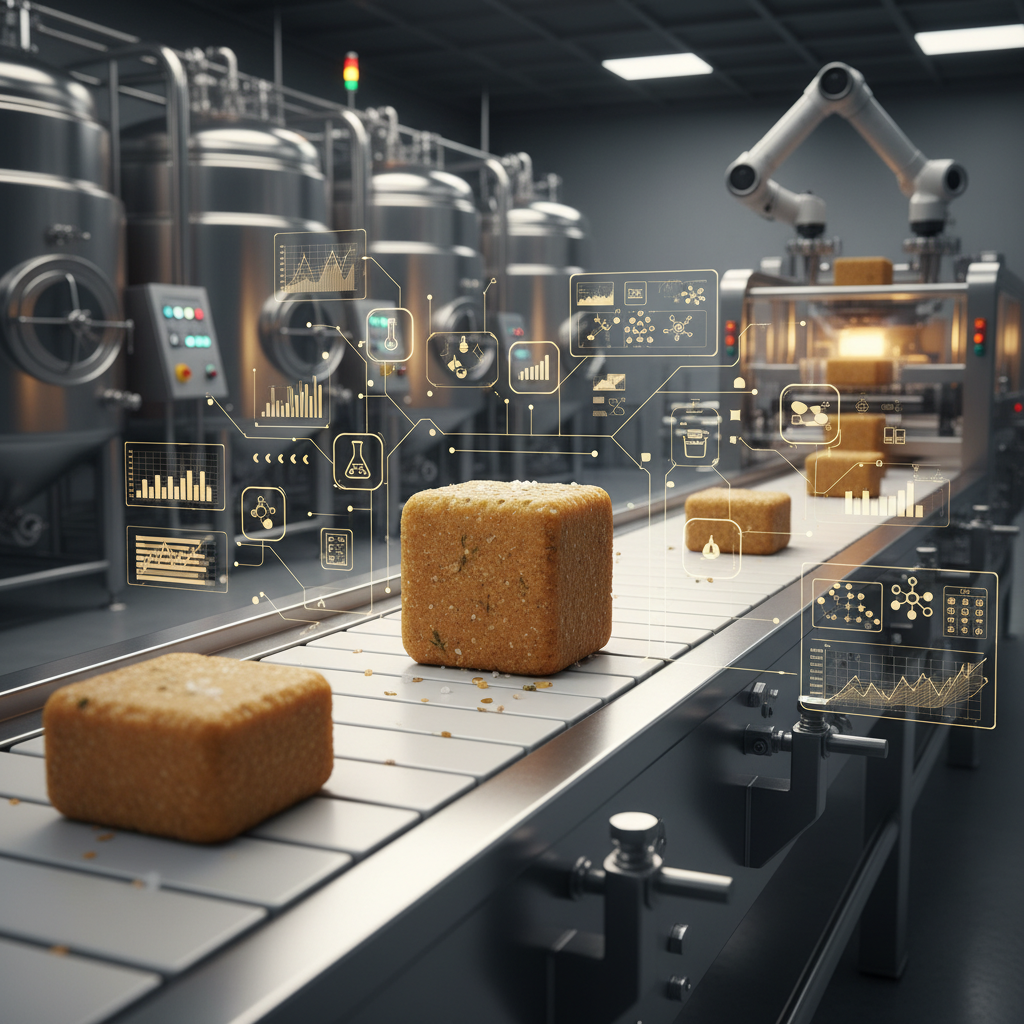
Digital transformation is also hitting the factory floor. AI-driven flavor profiling is now used to analyze consumer preferences in real-time, allowing manufacturers to tweak the 1 cube chicken stock recipe for specific regional markets—such as adding a hint of ginger for Asian markets or rosemary for European ones—without changing the production line.
Moreover, the push for "Green Chemistry" is replacing synthetic binders with plant-based hydrocolloids. This ensures that the 1 cube chicken stock of tomorrow is not only convenient but entirely biodegradable and eco-friendly.
Comparative Analysis of 1 Cube Chicken Stock Production Standards
|
Standard Type
|
Solubility Rate
|
Shelf Stability
|
Umami Intensity
|
| Traditional Press |
Moderate |
12 Months |
7/10 |
| Vacuum Dehydrated |
High |
24 Months |
9/10 |
| Freeze-Dried Cube |
Instant |
36 Months |
10/10 |
| Low-Sodium Blend |
High |
18 Months |
6/10 |
| Organic Certified |
Moderate |
12 Months |
8/10 |
| Industrial Bulk |
Very High |
24 Months |
8/10 |
FAQS
High-quality 1 cube chicken stock uses a higher percentage of actual chicken extract rather than relying solely on salt and artificial flavorings. This results in a more complex taste profile and better solubility in hot water, preventing the gritty residue often found in budget options.
When stored in a cool, dry place in airtight packaging, a 1 cube chicken stock typically maintains peak flavor for 12 to 24 months. The low water activity prevents spoilage, though exposure to humidity can cause the cubes to soften and lose their structural integrity.
A standard 1 cube chicken stock contains chicken derivatives. However, the food additive industry now produces "chicken-style" cubes using yeast extracts and mushroom powders that mimic the flavor of chicken while remaining 100% plant-based.
Yes, it is highly cost-effective. It eliminates the labor costs of preparing fresh stock and reduces waste from unused fresh ingredients. The precise dosing of one cube per specific volume of water allows catering managers to calculate exact ingredient costs per plate.
Consistency in 1 cube chicken stock is ensured through automated weighing and pressing systems. Each batch is tested for salinity and umami levels using spectrophotometry to ensure the flavor profile matches the master standard before packaging.
Because 1 cube chicken stock is shelf-stable and lightweight, it is ideal for bulk shipping. NGOs typically source these in industrial-sized packs with extended expiration dates, ensuring they pass through customs easily as non-perishable food additives.
Conclusion
The 1 cube chicken stock is far more than a simple kitchen shortcut; it is a sophisticated product of food science that balances taste, stability, and economic efficiency. From its role in reducing global logistics emissions to its ability to provide consistent flavor in the most challenging environments, the bouillon cube remains an indispensable tool in the global food supply chain.
As we look toward the future, the integration of clean-label ingredients and functional nutrition will further elevate the value of these concentrates. For businesses looking to optimize their flavor delivery and reduce overhead, partnering with a professional seasoning manufacturer is the key to unlocking scalable success. Visit our website: www.chinaseasoning.com