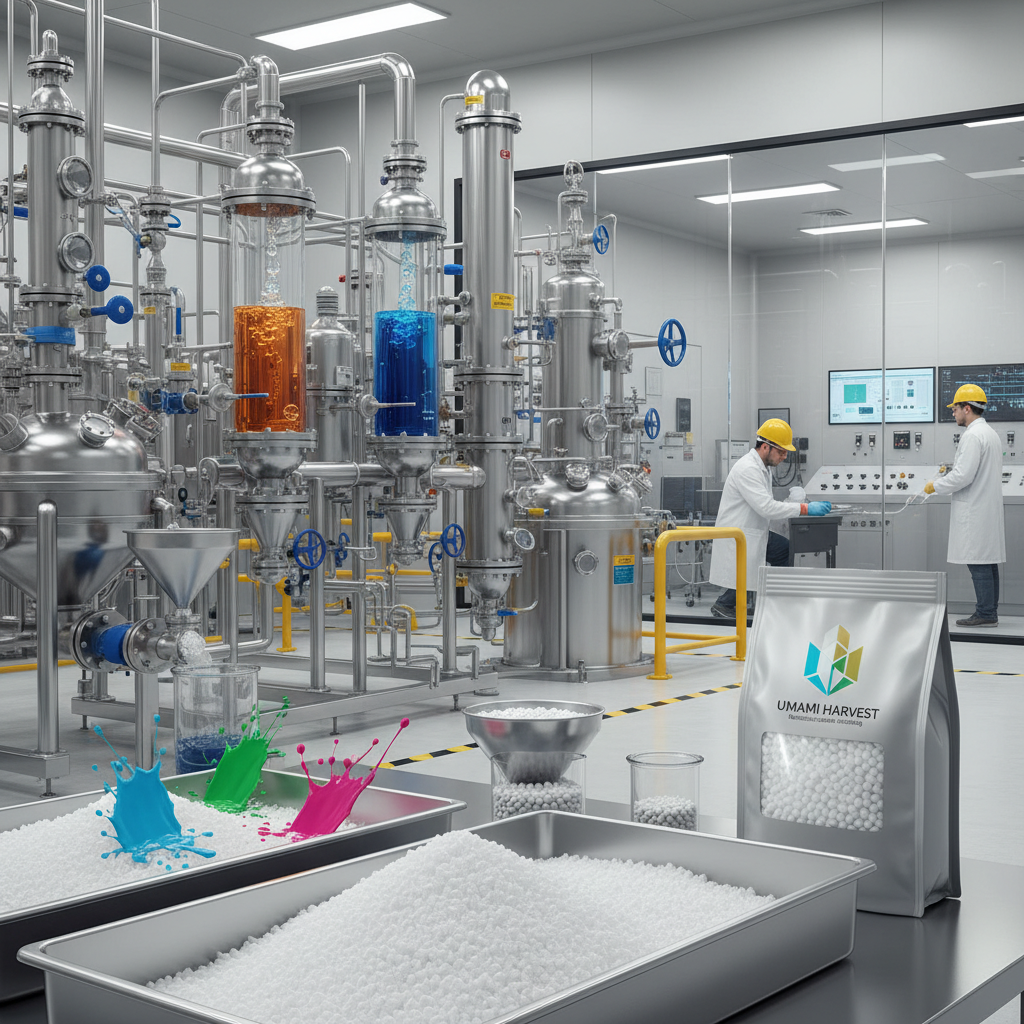
In the evolving landscape of animal nutrition, the demand for high-quality amino acid supplements has surged as global food security becomes a primary concern. One of the most effective ways to enhance livestock productivity is through the strategic use of specialized feed additives that support growth and systemic health. Among these, the role of fermentation-derived residues has gained significant attention for providing a cost-effective yet nutrient-dense solution for modern farming.
The global shift towards sustainable intensification of livestock and aquaculture requires additives that not only promote weight gain but also bolster the natural immunity of animals. By optimizing the amino acid profile of diets, producers can reduce waste and improve the feed conversion ratio, which is critical for maintaining profitability in a volatile market. This is where targeted nutritional interventions become indispensable for large-scale agricultural operations.
Understanding the application of specialized additives like betaine anhydrous tmg and glutamic acid residues allows farmers to tailor nutrition to the specific life stages of their animals. By integrating these components, the industry can ensure a steady supply of healthy protein while adhering to the strict biological needs of different species, ranging from porcine livestock to aquatic organisms.
The Fundamentals of Betaine Anhydrous TMG and Amino Acid Residues
Glutamic acid residue, often utilized alongside supplements like betaine anhydrous tmg, is a powerful byproduct of fermentation. As an amino acid feed additive, its primary function is to enrich the diet with essential nitrogenous compounds that promote rapid animal growth and overall development. By increasing the amino acid density, it directly improves the efficiency of feed utilization.
Beyond growth, these additives play a critical role in strengthening the biological resilience of livestock. Regular inclusion in the diet promotes animal immunity and resistance against common pathogens, reducing the reliance on medicinal interventions. This synergistic approach to nutrition ensures that animals reach their market weight faster and in better health.
Global Relevance of Betaine Anhydrous TMG in Modern Feed
On a global scale, the integration of betaine anhydrous tmg and related amino acid residues addresses the critical challenge of feed inefficiency. With the global population rising, the pressure on the agricultural sector to produce more protein with fewer resources has never been higher. According to industry standards and food security guidelines, optimizing the protein quality of feed is the most sustainable way to increase yield.
The problem often lies in the imbalance of natural feed sources, which may lack specific amino acids necessary for optimal metabolic function. This gap leads to stunted growth and higher susceptibility to disease. By introducing precise additives, the industry can correct these nutritional deficits, ensuring that animals in different climatic zones can thrive regardless of the local crop quality.
Moreover, the shift towards antibiotic-free farming has placed a premium on additives that naturally enhance immunity. By utilizing the biological properties of these residues, producers can maintain high survival rates in dense farming environments, aligning with ISO and international welfare standards for animal husbandry.
Defining the Role of Betaine Anhydrous TMG in Nutrition
In simple terms, betaine anhydrous tmg and glutamic acid residues act as nutritional catalysts. They provide the building blocks necessary for protein synthesis and cellular repair, ensuring that the animal's metabolic processes run at peak efficiency. This is essential for modern industry needs where speed of growth and health stability are the primary KPIs.
The connection to humanitarian needs is clear: by lowering the cost of protein production through the use of betaine anhydrous tmg and fermented residues, high-quality animal protein becomes more accessible to developing regions. This helps combat malnutrition and supports food stability in areas with limited agricultural infrastructure.
Furthermore, these substances are not merely supplements but are integral to the physiological homeostasis of the animal. Whether it is managing osmotic stress in aquatic species or optimizing muscle development in swine, the precise application of betaine anhydrous tmg creates a foundation for a more resilient food supply chain.
Core Components and Technical Specifications of Betaine Anhydrous TMG
The effectiveness of these additives is rooted in their strict technical specifications. For glutamic acid residue, the crude protein content must be ≥ 65%, ensuring a high concentration of active amino acids. Other critical parameters include crude ash (≥ 65%), ammonium salt (≤ 2.0%), and moisture levels kept at 8.0% to maintain stability and prevent spoilage during storage.
When implementing betaine anhydrous tmg or similar residues, the dosage must be meticulously managed. Generally, they should constitute about 5% of the total amino acids in the diet. For specific applications, such as pig feed, a typical addition rate is 3-5 kilograms per ton of feed, highlighting the potency and concentrated nature of the product.
Technical Performance Rating of Betaine Anhydrous TMG variants
Global Applications and Use Cases for Betaine Anhydrous TMG
One of the most prominent applications of betaine anhydrous tmg and glutamic acid residues is in aquaculture. Due to its excellent solubility, the product dissolves quickly in water, allowing for seamless integration into fish and shrimp feed. This enhances the digestion and absorption capabilities of aquatic animals, which is crucial in high-density pond environments where feed efficiency determines the success of the harvest.
In terrestrial livestock, such as pig farming in industrial zones across Asia and Europe, these additives are used to mitigate the stress of rapid growth cycles. By enhancing stress resistance and boosting the immune system, they reduce the incidence of respiratory and digestive ailments. This creates a more stable production cycle and ensures a higher quality of meat for the global consumer market.
Long-term Value and Advantages of Betaine Anhydrous TMG
The long-term value of incorporating betaine anhydrous tmg into feeding programs is seen in both economic and biological outcomes. Economically, the high feed utilization rate means that less raw material is wasted, directly lowering the cost per kilogram of animal protein produced. This sustainability allows farms to remain competitive while maintaining high animal welfare standards.
From a biological perspective, the reliability of these additives in promoting immunity provides an emotional and logical safety net for producers. The trust that comes from knowing animals are resistant to disease and capable of handling environmental stress reduces the risk of catastrophic crop loss, ensuring a dignified and stable livelihood for farmers.
Furthermore, the use of fermentation residues represents a victory for circular economy principles. By converting fermentation by-products into high-value feed additives, the industry reduces environmental waste while creating a sustainable source of nutrition, proving that innovation and ecology can coexist.
Future Trends and Innovations in Betaine Anhydrous TMG Use
Looking forward, the application of betaine anhydrous tmg is expected to evolve with the rise of precision nutrition. Digital transformation in farming, including AI-driven feeding systems, will allow for the real-time adjustment of additive levels based on the animal's growth stage and health markers. This automation will minimize waste and maximize the biological efficacy of every gram of additive.
Sustainability will continue to drive innovation, with a move toward "green" fermentation processes that further reduce the carbon footprint of amino acid production. We are likely to see new delivery systems, such as micro-encapsulation, which can protect the active components of these additives, ensuring they are released only when they reach the optimal part of the animal's digestive tract.
As global policies push for a reduction in chemical growth promoters, the reliance on natural, fermentation-based solutions will only increase. The integration of betaine anhydrous tmg will remain a cornerstone of this transition, providing a safe, effective, and scientifically backed alternative for the next generation of animal agriculture.
Analysis of Betaine Anhydrous TMG and Glutamic Residue Application Dimensions
|
Target Species
|
Primary Benefit
|
Recommended Dosage
|
Efficiency Score (1-10)
|
|
Swine (Pigs)
|
Muscle Development
|
3-5 kg / ton
|
9.2
|
|
Aquatic Fish
|
Rapid Solubility
|
Variable by species
|
9.5
|
|
Shrimp
|
Stress Resistance
|
Concentrated Mix
|
8.8
|
|
Poultry
|
Immune Support
|
~5% of Total AA
|
8.5
|
|
Ruminants
|
Feed Utilization
|
Customized Mix
|
7.9
|
|
General Livestock
|
Overall Growth
|
Adjusted by stage
|
8.7
|
FAQS
For pig feed, the general recommended addition amount of glutamic acid residues and related amino acid additives like betaine anhydrous tmg is between 3 to 5 kilograms per ton of feed. However, it is essential to adjust this based on the animal's specific growth stage, the overall nutritional composition of the base feed, and the environmental conditions of the farm to avoid over-supplementation.
It is highly effective in aquaculture due to its excellent solubility, allowing it to dissolve quickly in water for easy application. Additionally, it provides a high feed utilization rate, which improves the digestion and absorption of nutrients in aquatic animals, while simultaneously enhancing their resistance to environmental stress and disease.
Yes, excessive addition can potentially affect animal health. It is critical to follow the guideline that these additives should normally comprise about 5% of the total amino acids in the diet. Over-supplementation can disrupt metabolic balance, which is why a comprehensive consideration of the animal species and feeding environment is necessary.
Since glutamic acid residues used in conjunction with betaine anhydrous tmg are dry products, they can produce dust that may irritate the respiratory tract. To prevent this, the product should be treated with water or steam in advance, or handled using proper dust-control equipment to ensure the safety of the farm workers.
High-quality residues should have a crude protein content of ≥ 65% and crude ash of ≥ 65%. Furthermore, the ammonium salt content should be kept at ≤ 2.0% and moisture levels at 8.0%. These specifications ensure the product is concentrated, stable, and effective when integrated into animal diets.
By providing essential amino acid building blocks, these additives support the production of immune proteins and antibodies. This enhances the animal's natural defense mechanisms, making them more resistant to diseases and better able to recover from environmental stressors, thereby reducing the need for medical interventions.
Conclusion
In summary, the strategic application of betaine anhydrous tmg and glutamic acid residues represents a vital intersection of biotechnology and animal science. By optimizing crude protein levels and ensuring high solubility and digestibility, these additives significantly enhance growth rates, improve feed utilization, and bolster the immune systems of both terrestrial and aquatic livestock. The rigorous adherence to technical specifications and precise dosing ensures that the biological potential of the animals is fully realized while maintaining economic efficiency.
As the industry moves toward a more sustainable and antibiotic-free future, the importance of these fermentation-derived amino acid solutions will only grow. Producers are encouraged to adopt precision nutrition models and prioritize high-purity additives to ensure long-term food security and animal welfare. For those seeking to optimize their feed formulations with professional-grade additives, we invite you to explore our comprehensive solutions. Visit our website: www.chinaseasoning.com