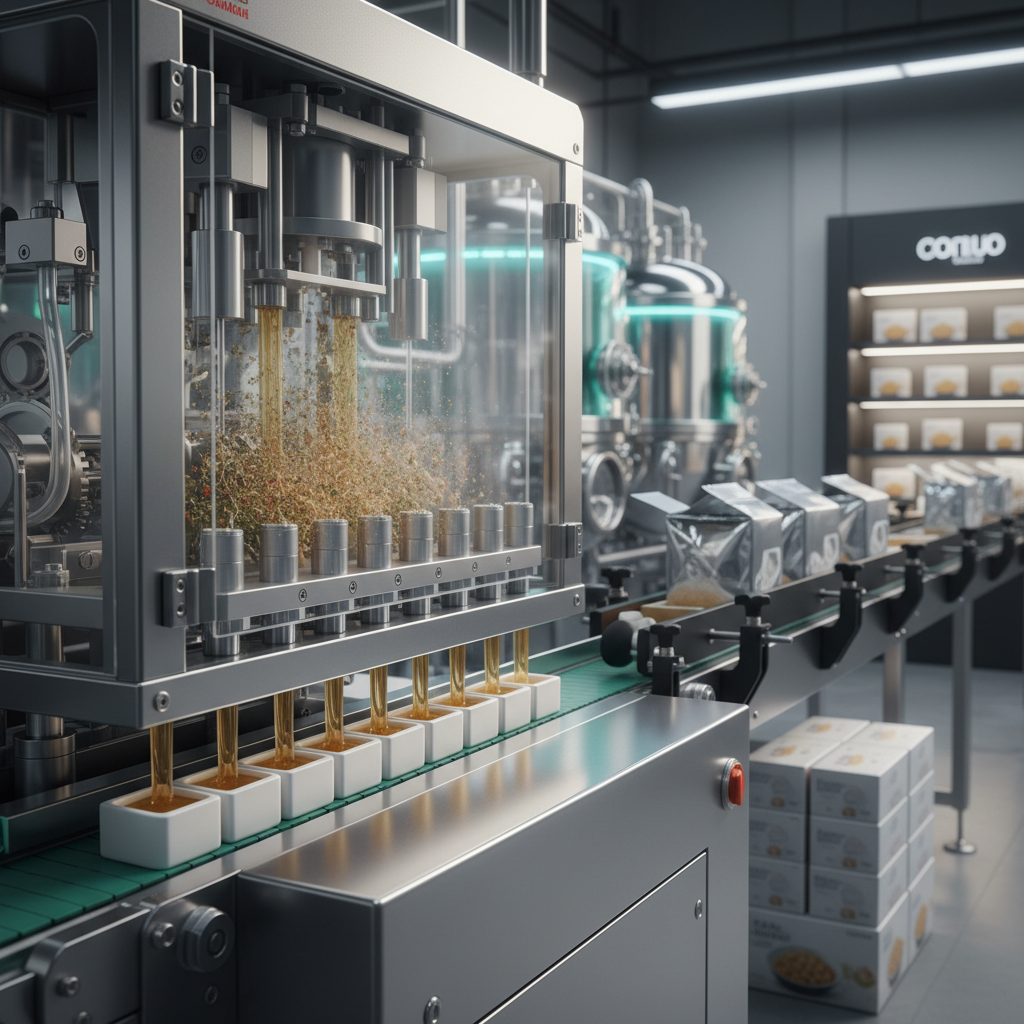
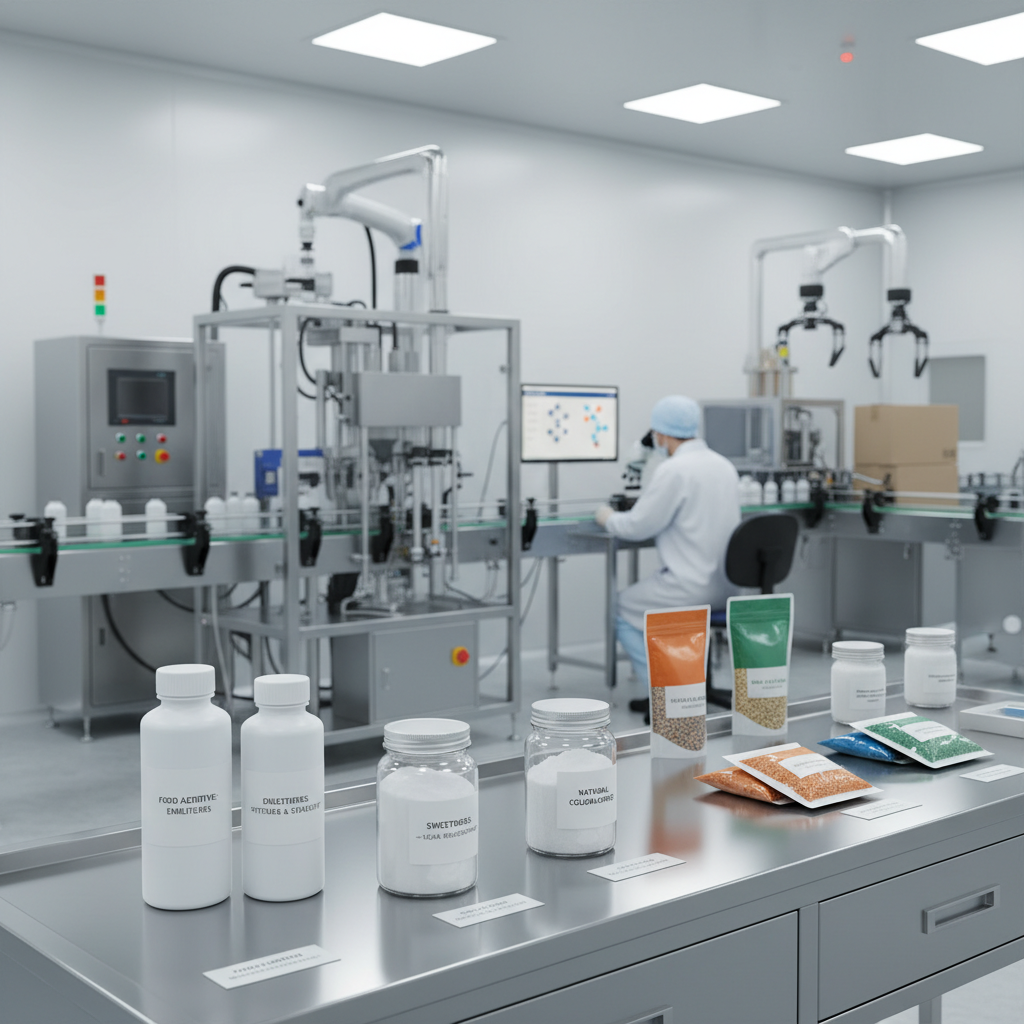
Understanding the diverse dl methionine uses is essential for optimizing nutrition across the pharmaceutical, food, and agricultural sectors. As an essential amino acid, DL-methionine serves as a critical building block for biosynthetic proteins, acting as the "skeleton" that regulates animal metabolism and ensures healthy growth. Its versatility makes it a cornerstone in combating protein deficiencies and enhancing the nutritional profile of various plant-based diets.
Globally, the demand for efficient nutritional enhancers has surged as the food industry seeks sustainable ways to improve livestock productivity and human health. By addressing the limitation of restricted amino acids in staple crops like corn, soy, and wheat, the application of DL-methionine helps close the nutritional gap, preventing stunted development in animals and malnutrition in humans. This makes it an indispensable tool for food security and health management.
Beyond basic nutrition, the strategic implementation of dl methionine uses extends to specialized medical treatments, such as the prevention of liver diseases and the treatment of heavy metal poisoning. Whether it is formulated as a seasoning agent for the food industry or a critical component of amino acid infusions in hospitals, its cost-effectiveness relative to L-methionine ensures that high-quality nutritional support remains accessible on a global scale.
Pharmaceutical Applications of DL-Methionine
In the medical field, dl methionine uses are primarily centered around its protective and restorative properties. It is highly effective in preventing and treating liver diseases, specifically by utilizing its anti-fatty liver effects to create liver-protective preparations. Furthermore, it serves as a critical intervention for patients suffering from arsenic or benzene poisoning, helping the body detoxify and recover from chemical exposure.
Beyond toxicity treatment, it is used to manage malnutrition resulting from protein deficiency, which often occurs after chronic infectious diseases or dysentery. By serving as a main component in amino acid infusions and comprehensive amino acid preparations, it provides the necessary physiological support to rebuild muscle and restore systemic health, offering a cost-effective alternative to L-type methionine with identical physiological effects.
Nutritional Fortification in Food Processing
The food industry leverages dl methionine uses to balance the amino acid profiles of plant-based diets. Many common staples—such as oats, rye, rice, corn, wheat, soybeans, and potatoes—are deficient in methionine. By adding this essential amino acid to these foods, manufacturers can significantly improve the nutritional balance, ensuring that consumers receive a complete protein profile necessary for health.
For adult males, the daily requirement is approximately 1.1g, though this varies based on the intake of cystine. In the realm of health products, DL-methionine is used for amino acid fortification, allowing for the creation of functional foods that target specific nutritional gaps. This ensures that processed foods provide more than just calories, but actual biological value.
However, due to its distinct odor, its application in the general food sector is carefully managed. It is most commonly utilized in fish cake products, where its scent complements the natural profile of the seafood, proving that functional utility can be integrated with sensory requirements in professional food manufacturing.
Role of DL-Methionine in Livestock and Poultry Feed
The largest volume of dl methionine uses is found in the animal feed industry, where it acts as a powerful nutrient enhancer. Methionine is a "skeleton" amino acid for biosynthetic proteins, meaning without it, the growth of poultry and livestock is severely hindered. A deficiency often manifests as stunted development, significant weight loss, and muscle atrophy.
The economic impact of supplementing feed with DL-methionine is staggering; adding just 1kg of methionine to animal feed is equivalent to the nutritional value of 50kg of fish meal. This efficiency allows farmers to maintain high growth rates and healthy liver and kidney functions in their livestock without relying on expensive and unsustainable fish meal sources.
Generally, the addition amount in feed ranges from 0.05% to 0.2%. Within the spectrum of amino acid nutritional feed additives, methionine is the most dominant, accounting for roughly 60% of the market share, compared to 30% for lysine and 10% for other amino acids. This underscores its critical role in modern agricultural productivity and animal welfare.
Comparative Efficiency and Metabolic Impact
When evaluating dl methionine uses, the primary advantage is the cost-to-performance ratio. While L-methionine is the natural isomer, the DL-type provides the same physiological effect at a significantly lower price point. This makes it the preferred choice for large-scale industrial applications where budget and efficiency are paramount.
The metabolic regulation provided by this amino acid ensures that animals maintain healthy fur and strong organs, reducing the incidence of disease and increasing the overall yield of protein production. This regulatory effect on animal metabolism is what allows for the precision nutrition currently used in the global meat industry.
Efficiency Analysis of DL-Methionine Uses
Flavor Enhancement and Culinary Uses
One of the more nuanced dl methionine uses is in the formulation of seasoning agents. Research into the flavor profiles of seafood reveals that the distinct taste of sea urchins is closely linked to the presence of methionine. By combining this with other amino acids—such as glycine and alanine for sweetness, valine for bitterness, and glutamate for freshness—chemists can recreate complex, natural flavors.
This ability to function as a spice or flavor enhancer allows the food industry to produce high-quality synthetic seasonings that mimic expensive natural ingredients. While its use is limited by its smell in some contexts, in the specialized world of savory seafood flavorings, it is an essential component for achieving an authentic taste profile.
Industrial Specifications and Quality Standards
To ensure the safety and efficacy of dl methionine uses, strict commercial specifications are maintained. A high-quality commercial product typically maintains a content of ≥ 98.5%. For premium grades, the content ranges between 99.0% and 101%, ensuring that the active amino acid concentration is precise for pharmaceutical and feed formulations.
Chemical purity is monitored through several key indicators: sulfate levels are capped at 200ppm, and chloride levels are similarly restricted to 200ppm. Heavy metals are strictly limited to a maximum of 10ppm to prevent toxicity in livestock and humans, while the pH is maintained between 5.4 and 6.1 to ensure stability and compatibility with other ingredients.
Furthermore, the physical properties, such as "loss on drying" (max 0.5%) and "residue on ignition" (max 0.1%), are critical for preventing clumping and ensuring a long shelf life. These rigorous standards allow manufacturers to integrate DL-methionine into everything from cosmetics to medicinal vitamins with complete confidence in the product's purity.
Strategic Integration Across Diverse Industries
The versatility of dl methionine uses demonstrates its importance as a cross-industry raw material. In cosmetics, it contributes to skin and hair health formulations. In medicine, it is the bedrock of amino acid infusions. In agriculture, it is the primary driver of growth efficiency. This multi-sector utility makes it a strategic asset for chemical manufacturers.
Integrating DL-methionine into a production line requires an understanding of its interactions with other nutrients. For instance, its requirement in the body is closely tied to the intake of cystine, meaning the most effective dl methionine uses are those that consider the entire amino acid balance of the target subject.
As the world moves toward more sustainable protein sources, the role of synthetic amino acids will only grow. By reducing the reliance on animal-derived proteins like fish meal, DL-methionine supports a more eco-friendly approach to global food production without sacrificing nutritional quality.
Analysis of DL-Methionine Application and Specifications
| Industry Sector |
Primary Application |
Key Benefit |
Purity Standard |
| Animal Feed |
Nutrient Enhancer |
Weight Gain & Growth |
≥ 98.5% |
| Pharmaceuticals |
Liver Protection |
Anti-fatty liver/Detox |
99.0% - 101% |
| Food Industry |
Amino Acid Fortification |
Balance Plant Proteins |
High Purity Grade |
| Culinary/Spices |
Sea Urchin Flavoring |
Authentic Savory Taste |
Food Grade |
| Clinical Nutrition |
Amino Acid Infusions |
Treat Malnutrition |
Medical Grade |
| Cosmetics |
Skin/Hair Care |
Biosynthetic Support |
Cosmetic Grade |
FAQS
In animal feed, DL-methionine is used as a critical nutrient enhancer to compensate for amino acid imbalances in plant-based feeds. It prevents stunted development, weight loss, and muscle atrophy in poultry and livestock. Remarkably, 1kg of DL-methionine provides the same nutritional value as 50kg of fish meal, making it an incredibly efficient tool for promoting healthy growth and improving liver and kidney function.
Yes, it is widely used in medicine for preventing and treating liver diseases due to its anti-fatty liver effects. It is also employed in treating arsenic or benzene poisoning and as a key component in amino acid infusions for patients suffering from protein deficiency after chronic infectious diseases or dysentery.
Physiologically, the effect of DL-methionine is the same as that of L-methionine. However, the DL-type is significantly more cost-effective to produce. Because it provides the same biological benefit at a lower price, it is the industry standard for large-scale feed and food fortification applications.
Yes, it is used to create specific flavor profiles, most notably the taste of sea urchins. When combined with glycine, alanine, valine, and glutamate, it helps form complex seasoning agents. However, because of its distinct odor, its direct use in food is often limited to specific products like fish cakes.
Commercial grade DL-methionine generally has a content of ≥ 98.5%, with premium grades reaching 99.0%-101%. It must adhere to strict limits: Sulfate and Chloride ≤ 200ppm, Heavy Metals ≤ 10ppm, Loss on Drying ≤ 0.5%, and a pH range of 5.4-6.1 to ensure stability and safety.
Many plant-based staples like corn, rice, wheat, and soybeans are deficient in methionine, which is a restricted amino acid. Adding DL-methionine improves the amino acid balance, ensuring that the food provides a complete protein profile necessary for the growth and maintenance of the human body.
Conclusion
The wide-ranging dl methionine uses—from critical livestock growth and pharmaceutical liver protection to gourmet flavor enhancement—highlight its status as an indispensable biosynthetic tool. By providing a cost-effective, high-purity alternative to L-methionine, it enables industries to optimize nutrition, treat complex medical conditions, and improve food security on a global scale.
Looking forward, the integration of DL-methionine will be pivotal in the transition toward sustainable agriculture and precision nutrition. As we reduce reliance on traditional animal proteins, the strategic use of this essential amino acid will ensure that both human and animal health are maintained through scientifically balanced diets. For high-quality specifications and procurement, visit our website: www.chinaseasoning.com