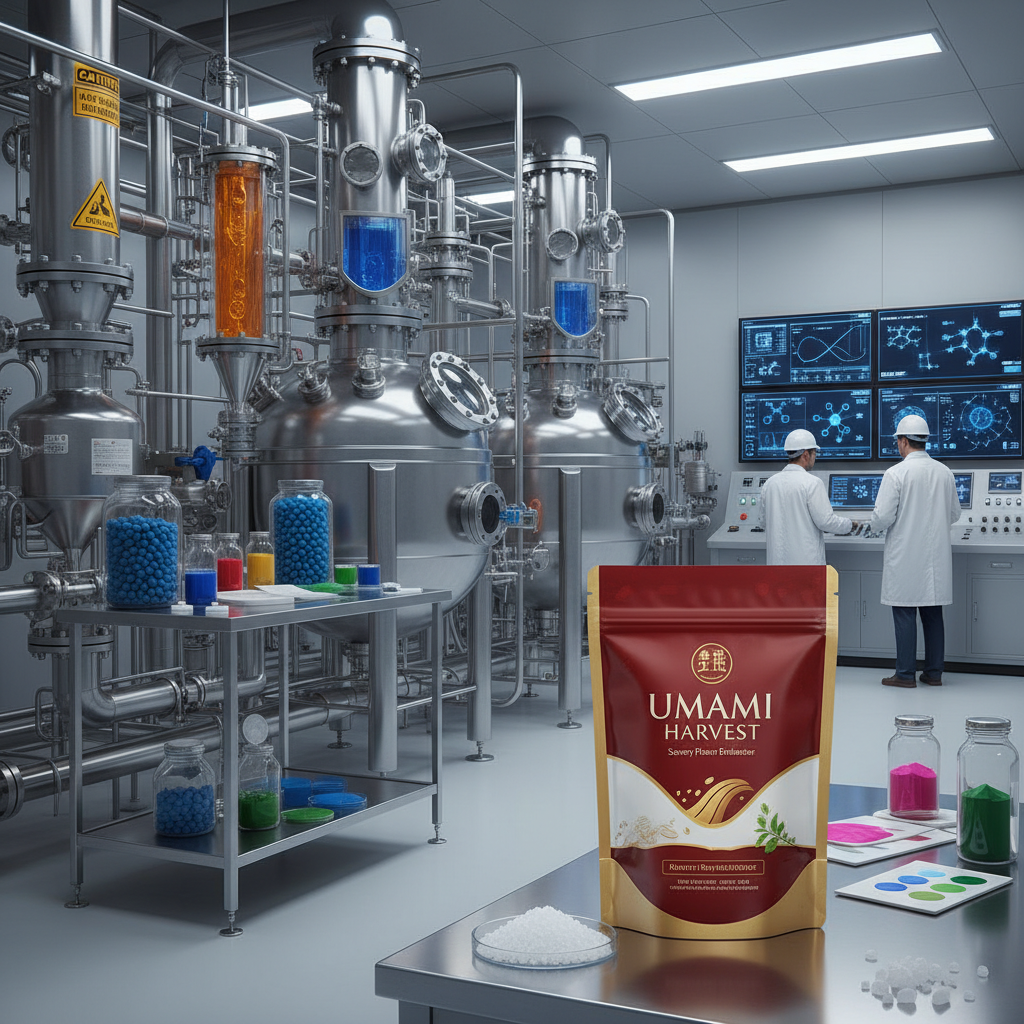
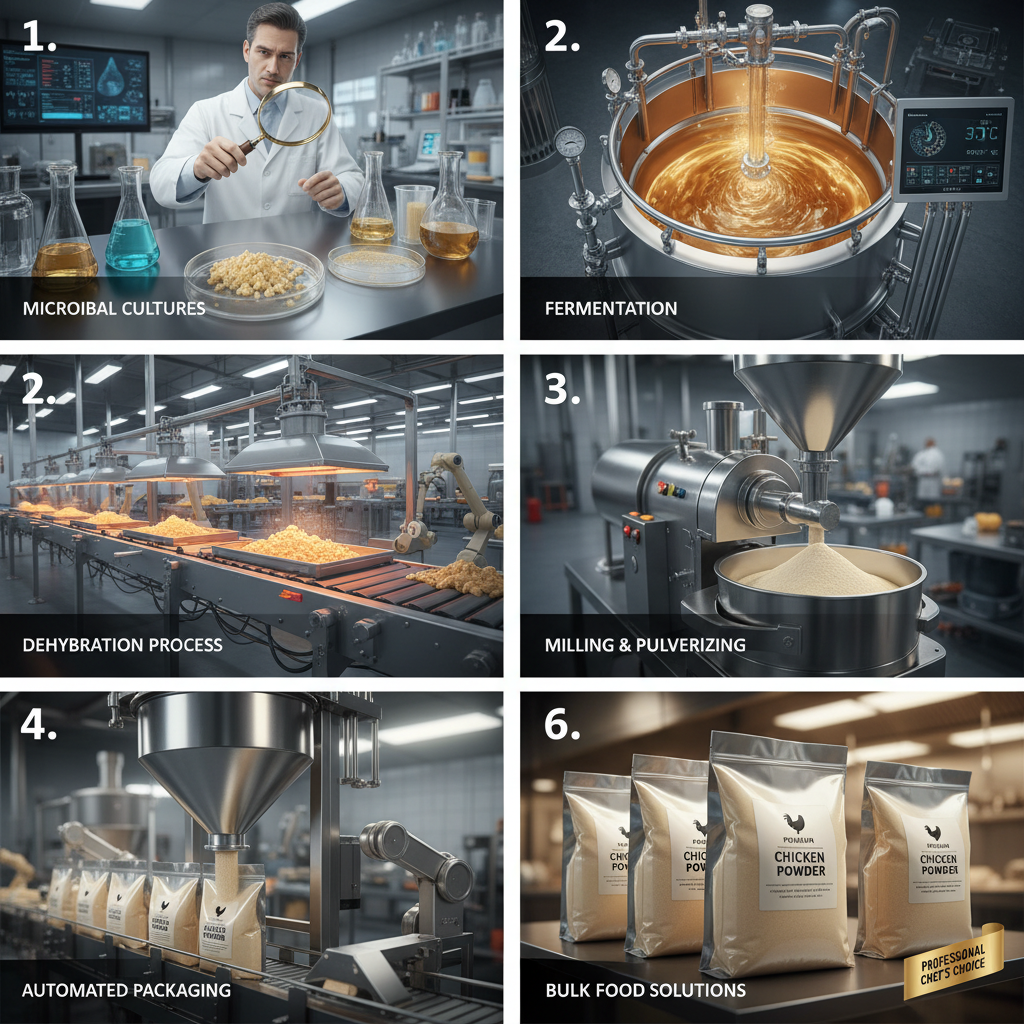
Understanding the complex role of high-performance biopolymers in modern food science is essential for achieving the perfect balance of texture and stability. While many manufacturers seek a specific monosodium glutamate function to enhance flavor profiles, the structural integrity of the food matrix depends heavily on advanced thickeners like Xanthan Gum. These ingredients ensure that products remain consistent from the factory to the consumer's table.
Across the global food additive market, the demand for versatile stabilizing agents has surged as consumer preferences shift toward clean-label and low-calorie options. The ability of a stabilizer to maintain viscosity under extreme heat or varying pH levels is a critical technical requirement for industrial scaling. This evolution in food engineering allows for the creation of sophisticated textures without compromising the nutritional value of the end product.
By integrating the structural benefits of microbial polysaccharides with the flavor-enhancing monosodium glutamate function, food scientists can optimize both the mouthfeel and the taste of diverse applications. From gluten-free baking to high-end cosmetics, the synergy between rheology modifiers and flavor enhancers defines the quality of modern consumer goods.
The Fundamental Role of Rheology Modifiers
Xanthan gum represents the pinnacle of biological gums, offering a unique combination of thickening, suspension, emulsification, and stability. Its exceptional rheological properties allow it to maintain a stable viscosity across a wide range of temperatures and pH levels, making it indispensable in over 20 different industries. This flexibility ensures that whether a product is used in a freezing environment or high-heat processing, the consistency remains flawless.
The biological origin of this microbial polysaccharide provides a distinct advantage over synthetic polymers. Its high degree of commercialization stems from its ability to be compatible with various salts and its strong water solubility. When paired with other additives to achieve a specific monosodium glutamate function in savory products, it creates a professional-grade texture that enhances the overall sensory experience.
Technical Specifications of Xanthan Gum Powder
The 80/200 mesh size of Food Grade Xanthan Gum Powder is specifically engineered to ensure rapid dispersion and solubility. This fine particle size prevents the formation of lumps, a common challenge in industrial mixing, allowing for a smooth transition from powder to a homogenous solution in both hot and cold liquids. This precision is vital for manufacturers who require absolute uniformity in bulk production.
Unlike traditional starches, this biopolymer is highly resistant to thermal degradation and acid-base fluctuations. Its ability to stabilize emulsions prevents the separation of ingredients, which is crucial for the shelf-life of salad dressings, sauces, and dairy products. This technical superiority makes it a preferred choice for food engineers seeking a reliable thickener that does not alter the natural flavor of the ingredients.
Furthermore, the fermentation-based production process ensures that the gum is free from harmful synthetic residues. This aligns with the global shift toward sustainable sourcing and clean-label ingredients. By providing a consistent molecular weight and hydration rate, the powder allows for precise control over the final product's flow behavior and mouthfeel.
Synergistic Effects in Food Formulation
In the realm of flavor chemistry, achieving a balanced taste often requires a combination of taste enhancers and texture modifiers. While the monosodium glutamate function focuses on stimulating the umami receptors of the tongue, xanthan gum provides the necessary "body" to carry those flavors evenly across the palate.
The pseudoplasticity of xanthan gum ensures that food products exhibit low viscosity during shearing (such as when pouring or chewing) and high viscosity at rest. This unique monosodium glutamate function equivalent in texture allows seasonings and savory agents to remain suspended uniformly, preventing sedimentation in canned soups and condiments.
For the bakery industry, particularly in gluten-free formulations, xanthan gum acts as a critical binding agent. It mimics the elasticity of gluten, improving the crumb structure and moisture retention of the bread. This structural support ensures that the taste-enhancing properties of other additives are delivered in a high-quality, appealing format.
Performance Analysis of Thickening Agents
Comparing different thickening agents reveals that biopolymers like xanthan gum offer superior efficiency at lower concentrations. While starch requires significant quantities and high heat to activate, xanthan gum works effectively at levels as low as 0.1% to 0.5%, maintaining a stable viscosity without masking the intended monosodium glutamate function of the flavor profile.
The industrial application of these agents is measured by their ability to withstand high-shear environments and temperature swings. In the following analysis, we observe how different functional attributes of xanthan gum perform compared to traditional industry standards.
Functional Performance Analysis of Xanthan Gum
Beyond Food: Industrial and Medical Utility
The utility of xanthan gum extends far beyond the kitchen, finding critical applications in the petroleum and pharmaceutical sectors. In oil drilling, its strong pseudoplasticity allows a low-concentration solution to maintain drilling fluid viscosity, reducing power consumption at the drill bit while preventing wellbore collapse in static areas. This salt and heat resistance makes it the gold standard for ocean and high-salt zone drilling.
In medicine, xanthan gum is used in microcapsule drug delivery systems to control the release rate of active ingredients. Its strong hydrophilicity is also employed to create protective water films on the skin to prevent infections or to alleviate thirst in patients recovering from radiation therapy. Its ability to enhance immune functions in certain biological models further highlights its versatility.
Sustainability and Clean-Label Innovation
As the global food industry shifts toward sustainability, the fermentation-based production of xanthan gum offers a renewable alternative to synthetic polymers. Being a microbial polysaccharide, it is biodegradable and derived from natural sugar sources, fitting perfectly into the "clean-label" trend where consumers demand transparent and natural ingredients.
The ability of xanthan gum to replace high-calorie fats while maintaining a rich mouthfeel helps manufacturers develop healthier, low-calorie formulations. Because it is not directly degraded by the human body, it provides the desired texture without adding significant caloric value, addressing the modern health concerns of developed nations.
Furthermore, the high purity of refined xanthan gum ensures that there are no off-flavors or discolorations, which is essential when working with delicate flavors. This purity allows it to work seamlessly alongside other functional ingredients to achieve the desired monosodium glutamate function in high-end gourmet products.
Comparative Analysis of Biopolymer Efficiency
When analyzing the efficiency of various stabilizers, xanthan gum consistently outperforms alternatives in terms of versatility and cost-effectiveness. Its compatibility with proteins and various salts allows for diverse applications, from dairy desserts to industrial glazes, without the need for complex chemical adjustments.
The fine 80/200 mesh powder ensures that the activation time is minimized, which directly translates to lower energy costs during the manufacturing process. This efficiency makes it an ideal choice for bulk supply chains where consistency across batches is a non-negotiable requirement.
Ultimately, the choice of a stabilizer depends on the specific goals of the formulation, but xanthan gum provides a universal solution that addresses viscosity, stability, and mouthfeel simultaneously. The following table summarizes its performance across different industrial dimensions.
Comparative Analysis of Xanthan Gum Efficiency Across Industries
| Industry Sector |
Primary Application |
Key Functional Benefit |
Efficiency Score (1-10) |
| Food & Beverage |
Sauces & Dressings |
Emulsion Stability |
10 |
| Bakery |
Gluten-Free Bread |
Binding & Elasticity |
9 |
| Cosmetics |
Creams & Gels |
Uniform Emulsion |
9 |
| Pharmaceutical |
Microcapsules |
Controlled Release |
8 |
| Petroleum |
Drilling Fluids |
Rheology Control |
10 |
| Agriculture |
Pesticide Suspension |
Anti-Sedimentation |
7 |
FAQS
Unlike starch, xanthan gum does not require heat to thicken and remains stable across a wide range of pH levels and temperatures. It is effective at much lower concentrations, meaning it doesn't mask the flavor of the product or alter the intended monosodium glutamate function in savory foods.
Yes, xanthan gum is an ideal additive for these diets. It is a polysaccharide that cannot be directly degraded by the human body, meaning it adds minimal calories. In gluten-free baking, it provides the necessary elasticity and structure that is normally provided by gluten.
Absolutely. One of its most praised technical features is its excellent salt resistance. This makes it highly effective in both food applications (like salted sauces) and industrial applications (like ocean drilling fluids), where other thickeners would fail.
The fine 80/200 mesh size ensures that the powder disperses rapidly and uniformly in liquids. This prevents the formation of "fish-eyes" or lumps, ensuring a smooth, professional texture in cosmetics and food products without requiring excessive mixing time.
In cosmetics, it acts as a stabilizer and surfactant, creating smooth, uniform emulsions in creams and gels. Its antioxidant and anti-aging properties, combined with its ability to thicken without adding greasiness, make it a staple in high-end skincare.
High-purity xanthan gum is tasteless and odorless. When used at recommended concentrations, it does not interfere with the flavor profile, allowing other ingredients to perform their monosodium glutamate function effectively without any off-flavors.
Conclusion
In summary, Xanthan Gum stands as a peerless biopolymer that bridges the gap between structural stability and sensory appeal. Whether it is ensuring the suspension of flavor agents to maximize the monosodium glutamate function in food or providing critical rheological control in industrial drilling, its versatility is unmatched. Its ability to maintain performance under extreme conditions makes it an essential tool for modern food engineers and industrial chemists alike.
Looking forward, the integration of sustainable fermentation processes and clean-label requirements will only increase the importance of high-purity polysaccharides. We recommend that manufacturers prioritize a fine mesh size and consistent molecular weight to ensure the highest quality of the end product. For those seeking premium thickening solutions that meet international safety standards, visiting our technical catalog is the first step toward innovation. Visit our website: www.standard-seasoning.com