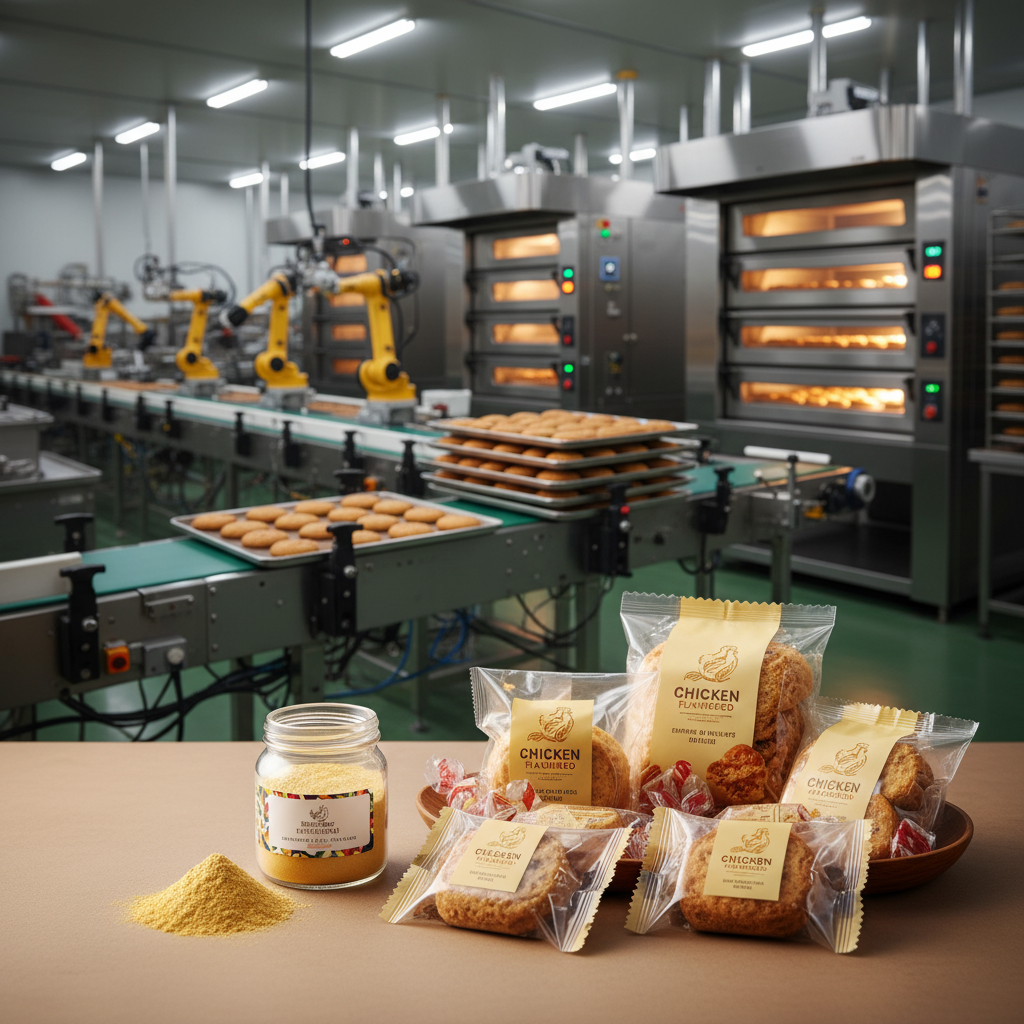
Understanding the nuances of an msg food label is essential for food manufacturers and consumers alike, as it ensures transparency regarding one of the world's most utilized flavor enhancers. Monosodium Glutamate, commonly known as MSG, plays a pivotal role in achieving the desired "umami" taste, and the way it is documented on packaging directly impacts market trust and regulatory compliance.
In the global food additive industry, the consistency of a product's purity and its corresponding documentation are the hallmarks of quality. For a high-grade additive featuring 99% content and a uniform crystal shape, the msg food label serves as the primary communication tool between the manufacturer's rigorous ISO9001:2000 standards and the end-user's requirements.
By analyzing the specifications found on a professional msg food label, such as the molecular formula C5 H8 NO4 Na H2O and strict heavy metal limits, businesses can ensure their products meet international safety benchmarks while maximizing palatability.
Understanding the Technicality of MSG Food Labeling
A professional msg food label is more than just a name; it is a detailed technical sheet that confirms the chemical identity of the product. For instance, the designation of "Monohydrate 99%" indicates a high level of purity and a specific molecular weight of 187.13, ensuring that the additive behaves predictably during the food production process.
Furthermore, the inclusion of the CAS No: 32221-81-1 and the HS Code 21099090 on the label facilitates seamless international trade and customs clearance. This level of detail allows procurement officers to verify that the product is a genuine L-Glutamic Acid Monosodium Salt, suitable for sensitive food and pharmaceutical applications.
Global Standards for Monosodium Glutamate Purity
In the global marketplace, adherence to ISO9001:2000 certification is a critical benchmark for any manufacturer listed on an msg food label. This certification ensures that the productivity, which can reach up to 500 MT per month, does not come at the expense of quality, maintaining a strict content level of 99% across all batches.
The challenge for many suppliers is maintaining a transmittance of 98% and keeping chloride levels at 0.1% or lower. When these parameters are consistently met, the resulting crystals are uniform in shape and pure in taste, which is essential for food brands that require a standardized flavor profile across different geographical regions.
Moreover, the global supply chain relies on accurate labeling to manage the transportation of these goods via ocean or land. By providing precise data on the msg food label, manufacturers in China can efficiently ship products from the Port of Qingdao to international clients, guaranteeing that the chemical stability of the molecular crystals remains intact.
Core Components of Quality MSG Specifications
The primary goal of an msg food label is to communicate the chemical stability of the product. With a PH range of 6.7-7.5, Monosodium Glutamate remains neutral, ensuring it doesn't adversely alter the acidity of the food products it enhances, which is vital for maintaining the original taste of the ingredients.
Detailed specifications on the msg food label also highlight the safety profile, specifically limiting heavy metals to 10ppm and iron to 5ppm. These strict limits are non-negotiable for products intended for human consumption, as they prevent contamination and ensure the "pure and fresh taste" promised by the manufacturer.
Finally, the physical properties, such as the 60 mesh size, are often noted on the msg food label. This specific grain size ensures that the additive dissolves quickly and evenly in liquids or powders, preventing "hot spots" of flavor and ensuring a consistent sensory experience for the consumer.
Performance Metrics in Food Flavor Enhancement
When integrating additives into salted foods, the recommended concentration is typically between 0.2% and 0.9%. This precise range, often referenced in technical guides accompanying the msg food label, allows developers to maximize the umami effect without overpowering other natural flavors.
Because MSG quickly decomposes into glutamate in the body—a normal metabolic substance—its physiological role is identical to that of natural glutamate. This biological compatibility makes it a highly efficient tool for improving the palatability of bitter drugs when used in conjunction with sugar.
Flavor Enhancement Efficiency by msg food label Grade
Industrial Applications and Use Cases
Beyond standard food seasoning, the versatility of the product described on the msg food label extends to laboratory reagents and pharmaceutical intermediates. In medical contexts, its ability to be used with sugar to mask the bitterness of medication makes it an invaluable tool for improving patient compliance in pediatric care.
Across the globe, from large-scale industrial food processing plants to boutique seasoning houses, the demand for a consistent 500 MT/Month supply is high. Whether packed in 50g retail bags or 25kg industrial bags, the integrity of the product is maintained through strict adherence to the specifications printed on the msg food label.
Long-Term Value and Safety Reliability
The long-term value of sourcing MSG from an ISO-certified manufacturer lies in the reliability of the chemistry. When a msg food label guarantees a sulfate level of 0.05% and a chloride level of 0.1%, it removes the risk of unexpected chemical reactions during heat processing or long-term storage.
From a nutritional perspective, the glutamate provided by high-quality MSG is a normal metabolic substance. It participates in brain protein and carbohydrate metabolism and promotes the oxidation process, which underscores the safety of the product when used within recommended limits.
Trust in a brand is built upon the transparency of its documentation. By providing an accurate msg food label, suppliers offer their clients the peace of mind that the additive is pure, fresh, and free from harmful heavy metal contamination, thus protecting the end consumer's health.
Future Trends in Food Additive Documentation
The future of the msg food label is moving toward digital transformation and enhanced traceability. With the integration of QR codes and blockchain, buyers can now trace a 25kg bag of MSG back to its specific production batch in China, verifying its ISO9001:2000 compliance in real-time.
Sustainability is also becoming a core component of product labeling. Future iterations of the msg food label are likely to include information on the carbon footprint of transportation from the Port of Qingdao and the biodegradability of the packaging materials used for the 455g and 25kg bags.
As global health regulations evolve, we expect to see more detailed metabolic data on the labels. Emphasizing the role of glutamate in nerve activity and acetylcholine production will help shift the public perception of MSG from a "chemical additive" to a functional nutrient.
Core Specification Analysis for MSG Quality Control
| Analysis Parameter |
Standard Requirement |
Impact on Food Quality |
Label Verification |
| Purity Content |
99% Min |
Ensures intense umami flavor |
Confirmed on msg food label |
| Heavy Metals |
< 10ppm |
Ensures consumer safety |
Listed in specifications |
| PH Value |
6.7 - 7.5 |
Prevents taste distortion |
Verified by lab report |
| Transmittance |
98% Min |
Crystal clarity & purity |
Confirmed on msg food label |
| Chloride |
< 0.1% |
Reduces saltiness imbalance |
Detailed in chemistry section |
| Mesh Size |
60 Mesh |
Optimizes dissolution rate |
Listed as physical property |
FAQS
The most critical specifications include the purity content (which should be 99% for high-grade MSG), the PH value (ideally between 6.7 and 7.5), and the limits on heavy metals (typically under 10ppm). These ensure that the additive is safe for consumption and will provide a consistent flavor profile without altering the acidity of the food.
A 60 mesh size ensures that the Monosodium Glutamate crystals are uniform and small enough to dissolve rapidly and evenly in both liquid and dry mixtures. This prevents clumping and ensures that the flavor enhancer is distributed consistently throughout the food product, avoiding areas of excessive saltiness or flavor.
Yes, high-purity MSG is a widely accepted food additive. When used in concentrations of 0.2% to 0.9% in normally salted foods, it is safe and effective. Because it decomposes into glutamate—a natural metabolic substance—it is compatible with various food matrices, including savory snacks, soups, and even as a palatability enhancer for pharmaceuticals.
This certification indicates that the manufacturer follows a rigorous quality management system. For the buyer, it means that the product's purity, crystal shape, and chemical parameters are consistent from batch to batch, reducing the risk of production failures and ensuring that the product meets international safety standards.
Absolutely. A professional label typically includes the HS Code (e.g., 21099090), which is the standardized numerical method of classifying traded products. This allows importers to quickly determine the correct tariff rates and regulatory requirements for customs clearance at ports like Qingdao.
Depending on the needs specified on the msg food label and order requirements, packaging can range from small 50g or 455g bags for retail to large 25kg industrial bags for food processing. Large-scale manufacturers can provide these in various quantities to accommodate monthly productivity of up to 500 MT.
Conclusion
In summary, the msg food label serves as the definitive blueprint for quality, safety, and application in the world of flavor enhancers. By strictly adhering to specifications such as 99% purity, controlled PH levels, and ISO9001:2000 standards, manufacturers can provide a product that not only enhances the sensory appeal of food but also ensures absolute safety and regulatory compliance across global markets.
As the industry moves toward greater transparency and digital traceability, the importance of accurate and detailed labeling will only grow. We encourage food producers and procurement specialists to prioritize suppliers who provide comprehensive technical data, ensuring that every gram of Monosodium Glutamate contributes to a superior and safe end product. Visit our website: www.standard-seasoning.com