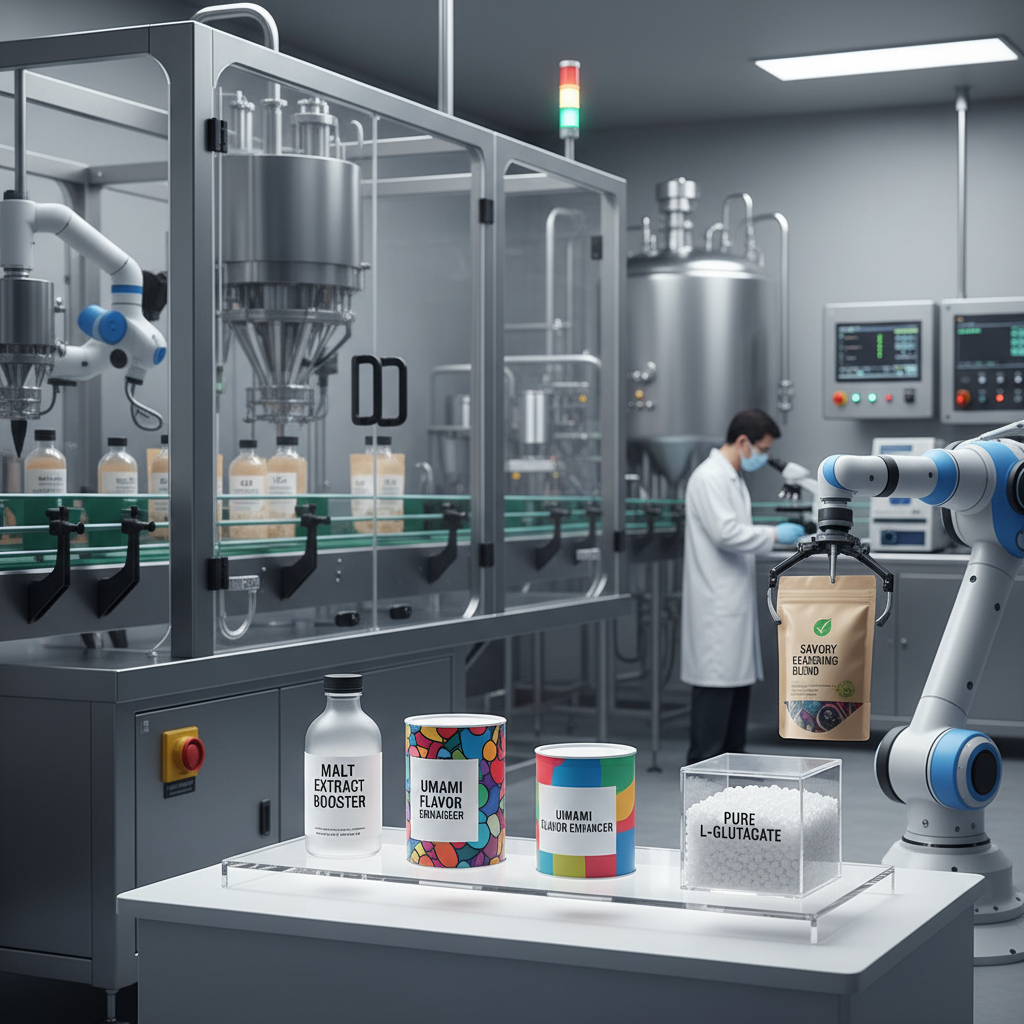
In the diverse landscape of food additives, understanding the role of flavor enhancers is crucial for both manufacturers and consumers. Many people often ask, monosodium glutamate what is it, and how it contributes to the savory profile of the foods we consume daily. As a fundamental component in various seasoning blends and concentrated extracts, it serves as the primary source of umami, the fifth basic taste that signals the presence of proteins.
From a technical perspective, this additive is the sodium salt of glutamic acid, an amino acid that occurs naturally in many foods. When incorporated into products like chicken essence, it helps simulate the deep, meaty flavor associated with slow-cooked broths, making it an indispensable tool in the global food manufacturing industry. Its ability to enhance appetite and provide a satisfying taste experience has made it a staple in kitchens worldwide.
Whether you are a food scientist seeking high-purity ingredients or a consumer curious about monosodium glutamate what is it, recognizing its chemical properties and biological functions is key. By understanding its integration into nutrient-rich supplements and seasonings, one can appreciate the balance between culinary art and food science in achieving optimal taste and nutritional value.
The Fundamental Nature of Monosodium Glutamate
To answer the question of monosodium glutamate what is it, we must look at it as a flavor amplifier. In its purest form, it is a crystalline powder that, when dissolved in water, releases glutamic acid. This process triggers the umami receptors on the human tongue, which are specifically designed to detect the presence of amino acids, thereby signaling a "savory" or "meaty" flavor that is highly appealing to the human palate.
In the context of food additives, this substance is not merely a chemical additive but a tool for consistency. By standardizing the levels of sodium glutamate in products like chicken essence—where qualified standards require a specific minimum content—manufacturers can ensure that every batch provides the same depth of flavor, regardless of the natural variance in raw chicken materials.
Global Industry Impact and Market Demand
The global demand for flavor enhancers has surged as the food processing industry evolves toward more convenient, pre-packaged solutions. In line with international food standards, the use of sodium glutamate allows for the reduction of overall salt intake while maintaining a high palatability profile, addressing a key public health challenge regarding sodium consumption.
Data from food industry analysts indicate that the Asian and European markets are the primary drivers of this demand, where savory profiles are central to the regional diet. The ability to produce high-quality additives in bulk—reaching capacities such as 500MT per month—ensures that global supply chains can support the rapid growth of the convenience food sector.
However, the industry faces the challenge of consumer perception. By emphasizing transparency and adhering to certifications like SGS and Halal, manufacturers are bridging the gap between industrial production and consumer trust, proving that these additives are safe and effective when used within national quality standards.
Chemical Composition and Umami Synergy
Understanding the chemistry behind monosodium glutamate what is it requires looking at its interaction with other ingredients. In professional food formulations, sodium glutamate is rarely used in isolation. It is typically blended with nucleotides, salt, and sugars to create a synergistic effect that exponentially increases the perception of savory taste.
The magic of monosodium glutamate what is it lies in its ability to work with peptides found in natural chicken powder. When these two components meet, they create a complex flavor profile that mimics the results of traditional double-boiling technology, delivering a rich, concentrated essence that is both satisfying and appetite-promoting.
Furthermore, the solubility of this additive in water makes it ideal for liquid supplements. In the gastrointestinal tract, it quickly decomposes back into glutamic acid, an amino acid essential for various metabolic activities. This chemical efficiency ensures that the flavor benefits are delivered immediately upon consumption.
Application Efficiency in Food Additives
The practical application of sodium glutamate focuses on efficiency and cost-effectiveness. By using a concentrated additive, food producers can achieve a "meaty" flavor without needing excessive amounts of expensive raw protein, thereby making nutrient-rich products more accessible to the general public across different economic tiers.
Beyond just taste, the integration of this component in supplements like chicken essence supports a balanced recovery profile. It works alongside dextrin and spices to create a stable product that maintains its potency from the factory in China to international ports like Qingdao, ensuring global quality consistency.
Comparative Flavor Impact of MSG Variations
Integration in High-Quality Chicken Essence
High-quality chicken essence represents the pinnacle of combining traditional nutrition with modern food technology. By utilizing a precise concentration of sodium glutamate, this product provides an immediate energy boost and enhances the absorption of bioavailable nutrients, making it an ideal supplement for those recovering from illness or surgery.
The use of advanced double-boiling technology ensures that the natural peptides of the chicken are preserved, while the additive ensures the taste remains rich and smooth. This combination is particularly beneficial for students and professionals who require mental alertness and a quick way to replenish proteins without the need for caffeine or synthetic stimulants.
Nutritional Synergy and Biological Absorption
One of the most misunderstood aspects of monosodium glutamate what is it is its metabolic fate. Once ingested, the body processes it identically to the naturally occurring glutamate found in tomatoes or parmesan cheese. It decomposes into glutamic acid, which is an amino acid critical for brain function and emotional stability.
In concentrated forms like chicken essence, this biological process supports the regeneration of cells and the replenishment of protein balance. This is why it is frequently recommended for postpartum recovery, helping mothers regain strength by enhancing the appetite and facilitating the intake of other essential minerals and proteins.
When paired with other functional ingredients such as ginseng or cordyceps, the savory base provided by the sodium glutamate makes these medicinal herbs more palatable, encouraging consistent use and ensuring that the restorative benefits are delivered in a delicious, digestible format.
Quality Standards and Manufacturing Excellence
Maintaining the integrity of food additives requires strict adherence to national and international standards. For a product to be classified as high-quality chicken essence, the protein content must meet a minimum of 10.7 grams per 100 grams, and the sodium glutamate content must be carefully calibrated to ensure flavor without exceeding safety limits.
Our manufacturing process emphasizes purity and scalability. With a productivity of 500MT per month and certification from SGS, we ensure that every bag—whether 50g or 25kg—meets the same rigorous specifications. This level of control is essential for clients in the pharmaceutical and food industries who require precise chemical profiles.
The logistical capability to export via the Port of Qingdao allows us to bring these standards to a global audience. By combining traditional wisdom with strict industrial parameters, we provide a product that is not only effective in taste but also reliable in its nutritional delivery.
Analysis of Quality Parameters for Chicken Essence Additives
| Quality Dimension |
Standard Requirement |
Impact on User |
Verification Method |
| Protein Content |
≥ 10.7g / 100g |
Muscle Recovery |
Lab Analysis |
| MSG Concentration |
Standardized min. level |
Umami Depth |
Chemical Titration |
| Solubility |
High / Rapid |
Easy Preparation |
Dissolution Test |
| Certification |
SGS / Halal |
Global Safety Trust |
Certificate Audit |
| Packaging Seal |
Hermetic / Sterilized |
Long Shelf Life |
Leakage Test |
| Production Capacity |
500MT / Month |
Supply Stability |
Output Logs |
FAQS
Monosodium glutamate (MSG) is the sodium salt of glutamic acid, a naturally occurring amino acid. It is used as a flavor enhancer to provide the "umami" or savory taste in foods. In high-quality chicken essence, it works alongside proteins and nucleotides to mimic the flavor of long-simmered meat broths, promoting appetite and enhancing overall palatability.
Yes, when used within national and international quality standards, it is safe for the general population. In our chicken essence, it is combined with natural proteins and minerals to support recovery. The body processes the glutamate in MSG the same way it processes glutamate found naturally in foods like tomatoes or aged cheeses.
While MSG itself is a flavor enhancer, its presence in nutrient-dense chicken essence helps increase the appetite of recovering patients. This encourages the consumption of essential amino acids and proteins necessary for cell regeneration, tissue repair, and regaining strength after periods of intense physical stress.
Pure MSG is a single-ingredient flavor enhancer. Chicken essence is a complex food additive that contains MSG as a primary component but also includes chicken powder, proteins, salt, sugar, and dextrin. This makes chicken essence a more complete nutritional supplement rather than just a seasoning.
Absolutely. Our high-quality chicken essence is manufactured to meet Halal certification standards, ensuring that all ingredients and processes are compliant with global dietary laws. This makes it suitable for a wide range of international markets and diverse consumer preferences.
To maintain the stability of the sodium glutamate and proteins, store the product in a cool, dry place away from direct sunlight. Our packaging (ranging from 50g bags to 25kg drums) is designed to prevent moisture ingress, which is critical for maintaining the free-flowing nature of the powder.
Conclusion
In summary, the quest to understand monosodium glutamate what is it leads us to a sophisticated intersection of chemistry and nutrition. By serving as the foundation of the umami taste, it allows products like chicken essence to deliver a powerful savory profile that not only enhances the culinary experience but also supports biological recovery through improved appetite and protein delivery. From strict manufacturing standards in China to global distribution via Qingdao, the precision in its application ensures safety, consistency, and efficacy.
Looking forward, the trend toward clean-label health foods will continue to demand transparency and quality. We encourage manufacturers and health-conscious consumers to rely on certified, high-purity additives that prioritize both taste and wellness. For those seeking a reliable partner in food additives and high-quality chicken essence, we invite you to explore our professional solutions. Visit our website: www.standard-seasoning.com