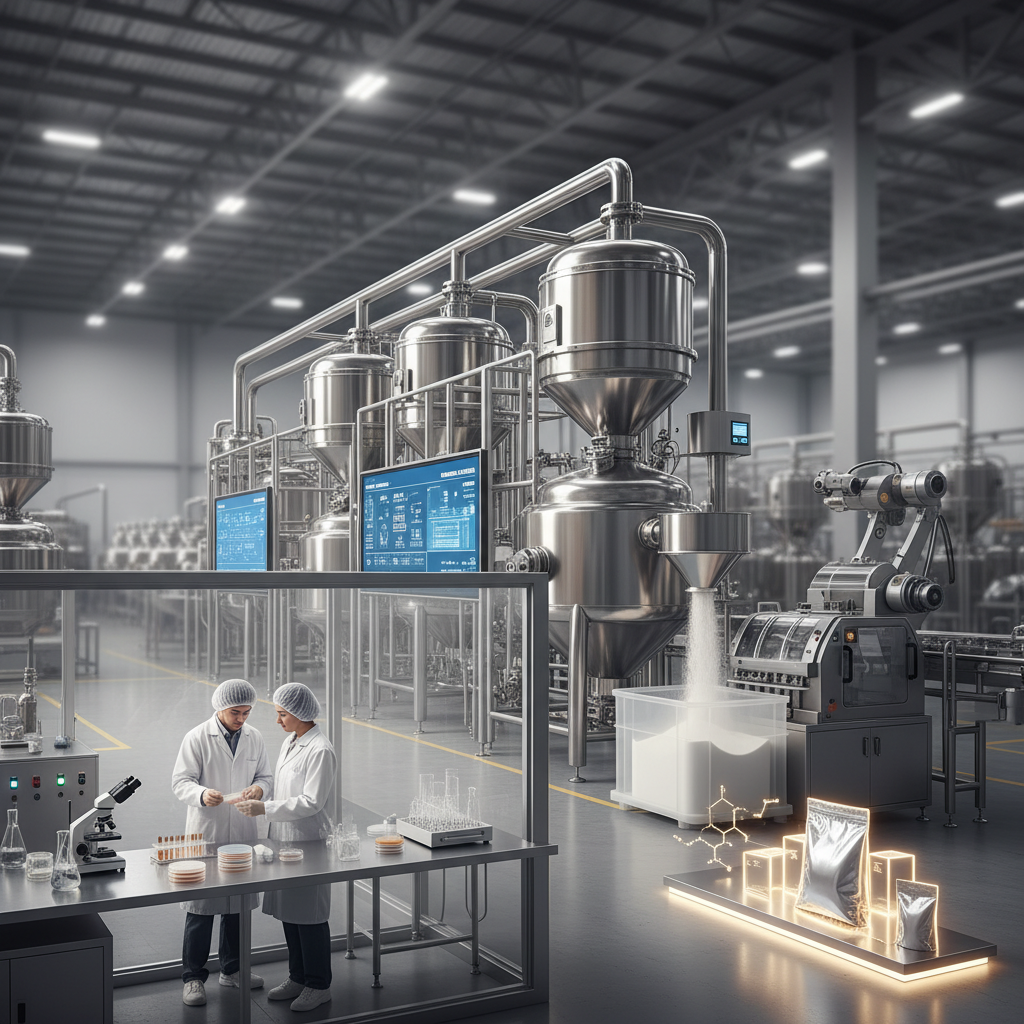
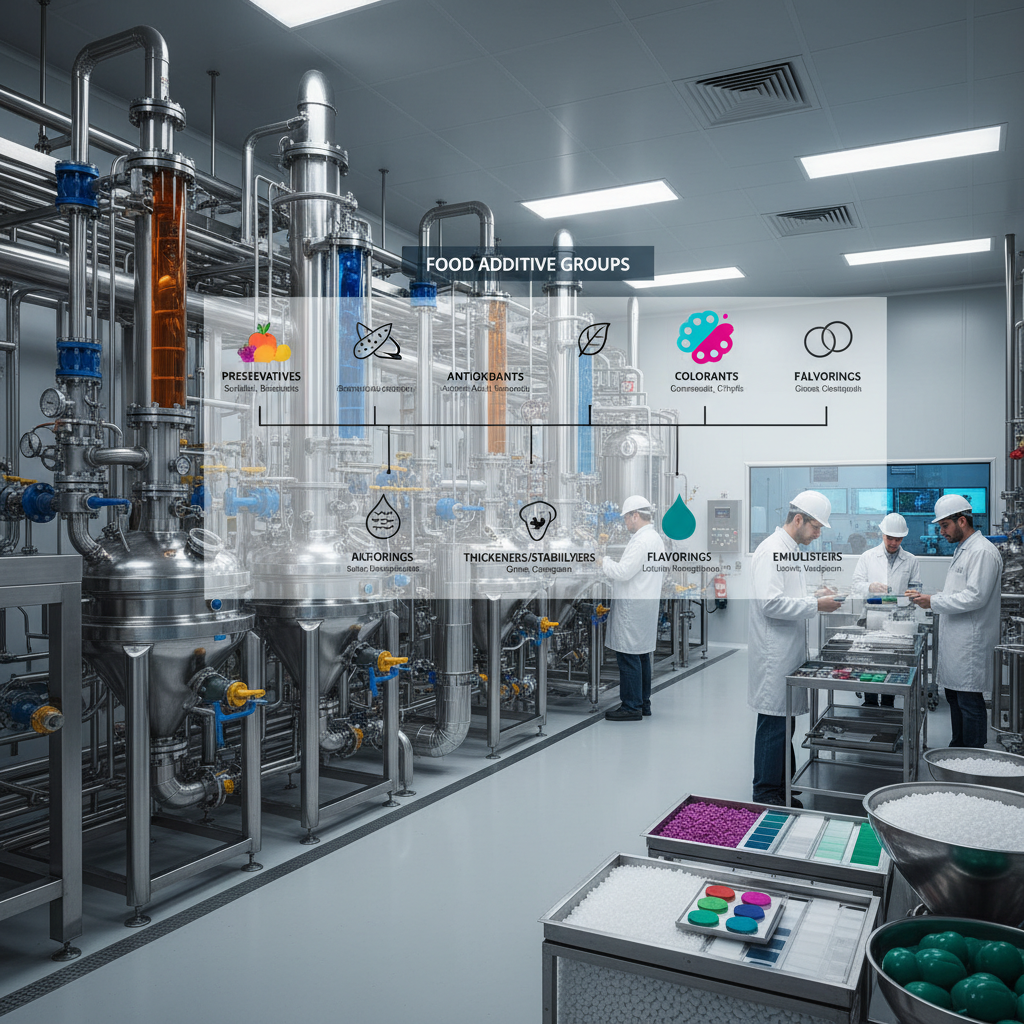
Understanding the diverse range of substances used to enhance food and feed quality is essential for modern agricultural and nutritional sciences. These substances, categorized by their chemical properties and intended effects, play a pivotal role in maintaining stability, enhancing nutritional value, and ensuring the health of livestock and humans alike.
The global demand for efficient production systems has led to a deeper exploration of specialized additives. By optimizing the biological functions of the digestive system, producers can reduce waste and maximize growth rates, which is critical for global food security and sustainable farming practices.
From stabilizers to nutritional active fats, the various types of food additives and their functions allow for precise control over the maturity of intestinal mucosa, which is a key limiting factor in the rapid growth of young animals.
Global Context of Nutritional Additives
In the current global landscape, the livestock industry faces immense pressure to increase output while adhering to stricter safety and sustainability standards. The World Health Organization (WHO) and other international bodies emphasize the need for alternatives to traditional growth promoters, pushing the industry toward nutritional additives that support natural biological processes.
The challenge lies in the vulnerability of young animals, particularly during the weaning phase, where the intestinal mucosa often fails to develop rapidly enough to support growth. This biological bottleneck leads to diarrhea and stunted production performance, necessitating the use of active fats like Tributyrin to bridge the nutritional gap.
Defining the Role of Specialized Feed Additives
Specialized feed additives are substances added to animal diets to improve growth, health, and production efficiency. Unlike basic nutrients, these are targeted interventions. For instance, Tributyrin, a glyceride formed by the esterification of one glycerol molecule and three butyrate molecules, serves as a concentrated source of intestinal mucosa nutrition.
These additives are often derived from natural sources, such as cream and cod liver oil, ensuring biocompatibility. Their primary purpose is to act as "nutritional active fats" that can be absorbed and utilized specifically by the cells lining the gut, promoting the structural integrity of the intestinal wall.
By understanding the specific chemical makeup—such as the molecular formula C15H26O6 and molecular weight of 302.36—manufacturers can ensure the precise dosage required to repair mucosal damage caused by environmental or biological stress, thereby controlling diarrhea and enhancing overall animal performance.
Core Components of Tributyrin Efficiency
The effectiveness of nutritional additives depends on their purity and stability. When examining the types of food additives and their functions, Tributyrin stands out due to its ability to promote the maturation of the intestinal mucosa, which is critical for nutrient absorption.
Key technical specifications ensure the product's efficacy. With a minimum content of 60.00% and strict limits on heavy metals (Pb 10ppm, As 3ppm), the purity of the glyceride ensures that the butyric acid is delivered safely to the gut without introducing harmful contaminants.
The function of these additives extends beyond simple nutrition; they act as repair agents. By supplementing the intestinal mucosal nutrition, they help the animal recover from stresses, which is one of the most critical types of food additives and their functions used in modern swine and poultry farming.
Global Applications and Use Cases in Livestock
The application of Tributyrin varies across species and growth stages to maximize biological response. In piglets, the transition from milk to solid feed is a high-stress period. Using doses of 0.5-2 kg per ton for nourishment or 3-6 kg for sterilization helps maintain gut health and prevents the onset of weaning-related diarrhea.
Beyond swine, these nutritional fats are applied globally in poultry and ruminant farming. Broilers (0-21 days) and layers receive targeted dosages to optimize feed conversion ratios, while cattle and sheep are provided higher concentrations (up to 3.5 kg/T) to support their larger digestive tracts and complex mucosal needs.
Efficacy of Nutritional Additives Across Species
Long-Term Value of Intestinal Health
Investing in mucosal health provides long-term economic advantages for producers. By reducing the incidence of diarrhea and respiratory issues associated with poor gut health, farmers can lower veterinary costs and reduce the reliance on antibiotics, aligning with global "Antibiotic-Free" (ABF) trends.
Furthermore, the improved production performance—manifested as higher average daily gains and better feed efficiency—ensures a more sustainable profit margin. The reliability of a stable intestinal barrier means animals are more resilient to environmental changes, ensuring a consistent supply of high-quality protein for the market.
Future Trends in Gut Mucosa Nutrition
The future of feed additives is moving toward "precision nutrition." Rather than blanket applications, the industry is adopting coated Tributyrin and targeted release mechanisms. This ensures that the active butyrate is released in the lower intestine where it is most needed, reducing waste and increasing potency.
Digital transformation in farming, such as real-time health monitoring, will allow producers to adjust the dosage of nutritional fats based on the immediate stress levels of the herd. This shift toward data-driven feeding will optimize the use of types of food additives and their functions.
Sustainability is also driving the development of green synthesis methods for glycerides. By sourcing raw materials from sustainable by-products of the food industry, the production of Tributyrin will contribute to a circular economy, reducing the environmental footprint of animal protein production.
Challenges and Technical Solutions in Feed Integration
One of the primary challenges in implementing nutritional fats is the physical stability of the additive within the feed mix. Loss on dry (limited to 10.0% max) is a critical parameter, as excessive moisture can lead to clumping or degradation of the active ingredients during storage.
To overcome this, the industry has developed coated powder forms. This protective layer prevents premature oxidation and ensures that the Tributyrin remains stable through the pelleting process, where high temperatures and pressures are often applied to the feed.
Proper dosage calibration is also essential. Over-supplementation can be inefficient, while under-supplementation fails to trigger mucosal repair. The industry solves this through rigorous specification standards (Content 60.00% Min), allowing for precise mathematical formulation in T-ton feed mixes.
Recommended Dosage and Application Analysis for Tributyrin
| Animal Species |
Growth Stage/Purpose |
Dosage (kg/T Feed) |
Primary Function |
| Piglets |
Weaning (0-2 weeks) |
0.5 - 2.0 |
Intestinal Nourishing |
| Piglets |
Sterilization Phase |
3.0 - 6.0 |
Pathogen Control |
| Growing Pigs |
Weight ≤ 30kg |
0.5 - 0.75 |
Growth Support |
| Broilers |
0 - 21 Days |
0.3 - 0.8 |
Rapid Development |
| Cattle |
General Growth |
2.5 - 3.5 |
Rumen/Gut Health |
| Sheep |
General Growth |
1.5 - 3.0 |
Mucosal Repair |
FAQS
Tributyrin is a glyceride formed by the esterification of glycerol and three molecules of butyrate (C15H26O6). It works as a nutritional active fat that provides butyric acid directly to the intestinal mucosa. This promotes the development and maturation of the gut lining, repairs damage caused by stress, and helps control diarrhea in young animals.
Dosage is based on the specific needs of the animal's digestive tract. Piglets during weaning require 0.5-2 kg/T for nourishment or up to 6 kg/T for sterilization. Broilers, having a faster metabolic rate and different gut anatomy, typically require a lower dosage of 0.3-0.8 kg/T during their first 21 days.
Yes, high-quality Tributyrin follows strict specifications to ensure animal safety. Our standard specifies a maximum Lead (Pb) content of 10ppm and Arsenic (As) content of 3ppm, ensuring that the additive supports health without introducing harmful heavy metals into the food chain.
While it is most critical during early stages (like weaning piglets or young broilers) to promote mucosal maturity, it is beneficial throughout growth. For example, growing pigs under 30kg and adult cattle/sheep still benefit from doses to maintain intestinal health and production performance.
The 60% powder form provides a concentrated, stable delivery system. It is easier to mix into large-scale formula feeds and allows for precise dosing. The coating prevents the butyric acid from oxidizing or reacting prematurely, ensuring it reaches the target area in the intestines.
Diarrhea is often caused by a damaged or immature intestinal mucosa that cannot absorb nutrients and allows pathogens to enter. Tributyrin repairs this mucosal damage and promotes the growth of healthy villi, which strengthens the gut barrier and naturally reduces the incidence of diarrhea.
Conclusion
In summary, the integration of nutritional active fats like Tributyrin represents a sophisticated approach to animal health. By focusing on the maturation and repair of the intestinal mucosa, this additive addresses the root cause of production bottlenecks in young animals, leading to improved growth rates, reduced diarrhea, and overall better performance across multiple species from piglets to cattle.
As the industry moves toward more sustainable and antibiotic-free production, the role of precise nutritional additives will only increase. We recommend that producers implement a stage-specific dosing strategy to maximize the biological efficiency of these glycerides. For more information on high-quality feed solutions, visit our website: www.standard-seasoning.com