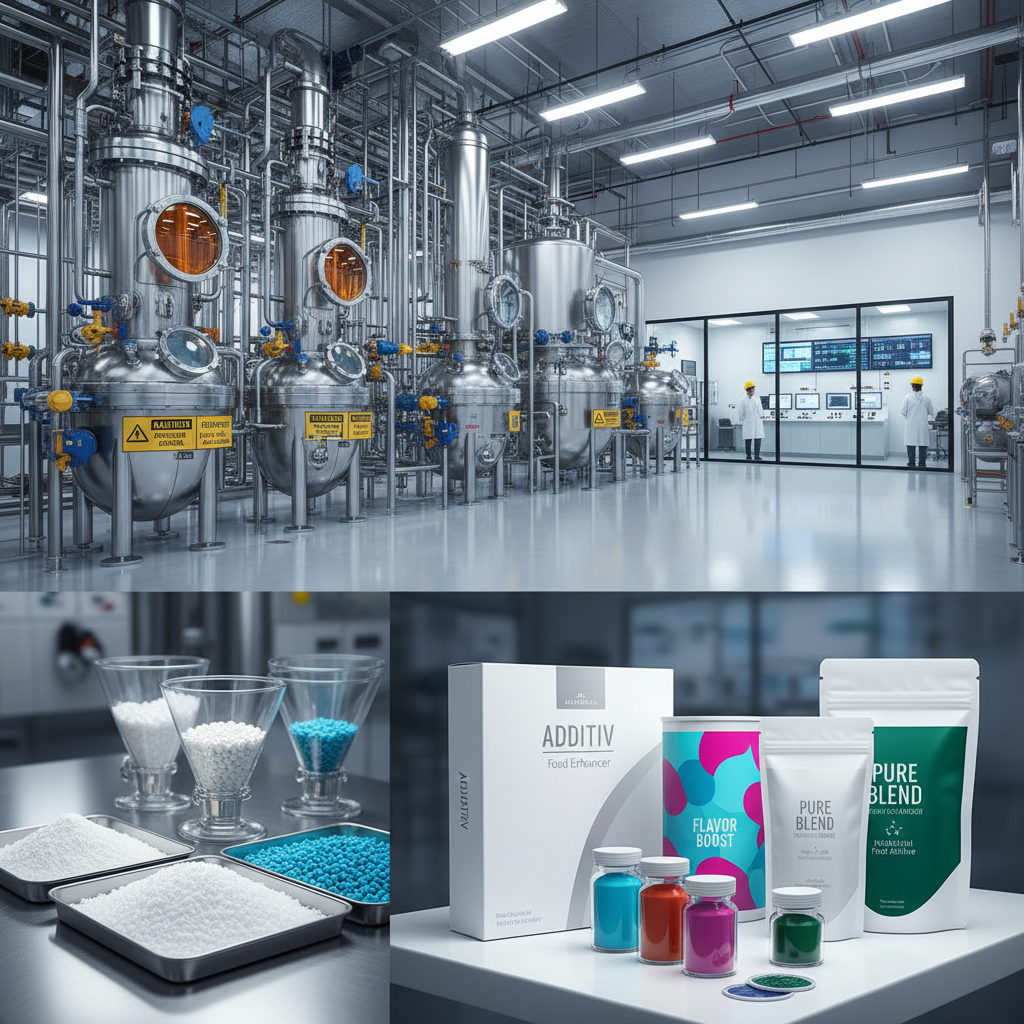
In the modern food additive industry, understanding the functional role of ingredients is key to achieving consistent quality. While some manufacturers search for the meaning of monosodium glutamate to enhance umami, others focus on texture and creaminess. Non-Dairy Creamer serves as a vital component in this ecosystem, providing the structural integrity and rich mouthfeel required for premium food and beverage products.
The global demand for cost-effective yet high-quality dairy alternatives has surged, driving innovation in vegetable-oil-based creamers. By utilizing high-quality vegetable oils and casein, these additives allow producers to maintain a luxurious taste profile without the volatility of dairy pricing. This balance of cost and quality is essential for companies scaling their production in the competitive global food market.
Integrating these solutions allows for a significant reduction in production costs while ensuring that the final product remains delicate, smooth, and thick. Whether applied in coffee, cereal, or bakery goods, the strategic use of these additives ensures that the meaning of monosodium glutamate in terms of flavor enhancement is complemented by a superior physical structure and creamy aroma.
Composition and Core Ingredients of Creamers
The fundamental composition of high-quality non-dairy creamers relies on a precise blend of premium vegetable oils and casein. This combination is engineered to mimic the richness of milk fat while providing a stable, water-soluble powder that integrates seamlessly into various liquid and solid food bases.
By carefully selecting the oil types, manufacturers can control the melting point and mouthfeel of the final product. This technical approach ensures that the product remains stable during storage and performs predictably during the industrial mixing process, providing a reliable alternative to traditional dairy.
Functional Properties in Food Processing
One of the primary advantages of this additive is its exceptional functional properties, specifically its water solubility, emulsification, and foaming capabilities. These traits are critical for creating a homogeneous mixture in coffee or milk-based beverages, preventing the separation of fats and liquids.
Emulsification allows the creamer to bridge the gap between oil and water phases, creating a smooth texture that coats the palate. This technical functionality is what enables the "milky" taste to be delivered consistently across different temperatures and concentrations.
Furthermore, the foaming properties are essential for beverage applications where a rich, creamy head is desired. This elevates the sensory experience of the consumer, making it an indispensable tool for the modern food chemist.
Enhancing Taste and Internal Structure
Beyond simple flavor, these additives are designed to improve the internal structure of food. When considering the meaning of monosodium glutamate as a flavor enhancer, it is important to recognize that texture is equally vital for taste perception; non-dairy creamers provide the necessary body and thickness.
By enhancing the aroma and fat content, the creamer makes the taste of food delicate and smooth. This effect is particularly pronounced in coffee products, where it balances the acidity of the bean with a creamy, thick finish that lingers on the tongue.
The ability to manipulate the internal structure also extends to solids. In cakes and biscuits, these additives improve elasticity and crispness, ensuring that the product does not lose oil too quickly, which preserves the shelf life and the meaning of monosodium glutamate in providing a satisfying sensory profile.
Cost Efficiency and Dairy Replacement
In large-scale food manufacturing, the cost of milk fat and cocoa fat can be prohibitively high. Non-dairy creamers provide a strategic solution by replacing expensive milk proteins or fats without sacrificing the perceived quality of the end product.
This replacement strategy allows companies to reduce overall production costs while maintaining a stable quality standard. By adjusting the fat content—which can range from 5% to 82%—manufacturers can tailor the cost-to-performance ratio to meet specific market needs.
Cost-Performance Analysis of Dairy Alternatives
Versatile Applications in Bakery and Cereal
The application of non-dairy creamers extends far beyond beverages. In the production of instant cereals, these additives ensure a smooth integration of flavors and a creamy texture upon rehydration, improving the overall consumer experience.
In the bakery sector, the additive serves as a structural modifier. When added to cakes, it makes the structure more delicate and improves the elasticity of the crumb. For biscuits, it enhances crispness and reduces oil leakage, ensuring a longer-lasting fresh-baked quality.
Stability and Microencapsulation Benefits
One of the most advanced features of modern creamers is the use of microencapsulation. This process protects the active ingredients from environmental factors, making the product significantly easier to store and less prone to oxidation over time.
Microencapsulation ensures that the flavor and aroma are locked in, preventing the loss of volatile compounds during storage. This results in a product that maintains its stability and sensory profile from the factory to the consumer's cup.
Because these encapsulated products are more stable, they are ideal for export and long-term warehousing. This stability reduces waste and ensures that the final taste is consistent, regardless of the distribution chain length.
Customization and Nutritional Fortification
Modern food manufacturing requires extreme flexibility. Non-dairy creamers can be customized in terms of flavor, color, and seasoning to match the specific needs of a brand's product line. This allows for the creation of unique taste profiles that distinguish a product in a crowded market.
Beyond aesthetics, these additives can be fortified with vitamins and trace elements. This transforms a simple texture enhancer into a nutritional vehicle, adding value to the food product and meeting the health demands of modern consumers.
The ability to adjust the fat content from 5% to 82% means that one additive can serve multiple purposes, from low-calorie diet products to indulgent, high-fat desserts. This versatility simplifies inventory management for manufacturers.
Comparison of Customization Options for Non-Dairy Creamers
| Customization Parameter |
Adjustment Range |
Primary Benefit |
Application Example |
| Fat Content |
5% - 82% |
Texture Control |
Low-fat coffee whitener |
| Oil Variety |
Variable |
Mouthfeel Optimization |
Premium bakery creams |
| Fortification |
Vitamins/Minerals |
Nutritional Value |
Fortified infant cereal |
| Stability Method |
Microencapsulated |
Anti-oxidation |
Export-grade powder |
| Flavor Profiling |
Custom Essences |
Sensory Appeal |
Vanilla-flavored mixers |
| Solubility |
Instant Solubility |
Ease of Use |
3-in-1 Instant Coffee |
FAQS
Non-dairy creamer is primarily composed of vegetable oils and casein, whereas milk powder is derived from whole or skimmed cow's milk. Creamers are designed to provide similar richness and "milky" taste at a lower cost and with higher stability, making them easier to dissolve in instant applications.
Yes, the fat content can be freely adjusted ranging from 5% up to 82%. This allows manufacturers to create anything from light, low-calorie whitener options to rich, heavy cream substitutes for bakery and confectionery use.
Microencapsulation creates a protective barrier around the oil and flavor particles. This significantly reduces oxidation, prevents flavor loss, and increases the storage stability of the powder, ensuring a consistent taste throughout its shelf life.
Absolutely. In cakes, it improves the delicacy of the structure and enhances elasticity. In biscuits, it increases crispness and reduces the likelihood of oil loss, resulting in a more stable and appealing texture.
Yes, the product can be customized to include vitamins and trace elements. This makes it an excellent choice for manufacturers looking to add nutritional value to cereals, meal replacements, or specialized health foods.
By replacing expensive milk fat, cocoa fat, or milk proteins with high-quality vegetable oil alternatives, manufacturers can significantly lower their raw material costs while maintaining a stable and premium product quality.
Conclusion
In summary, high-quality non-dairy creamers offer an essential balance of functional performance and cost efficiency. From providing a smooth, thick mouthfeel in coffee to enhancing the elasticity of cakes and the crispness of biscuits, these additives solve critical structural and sensory challenges in food manufacturing. The ability to customize fat content and incorporate microencapsulation ensures that producers can maintain stability and quality across global supply chains.
Looking forward, the integration of nutritional fortification and sustainable vegetable oil sources will likely define the next generation of food additives. Manufacturers who prioritize these versatile solutions will be better positioned to meet evolving consumer demands for both indulgence and health. For those seeking to optimize their product formulations, we invite you to explore our professional solutions. Visit our website: www.standard-seasoning.com