Tributyrin is emerging as a critical nutritional component in modern animal husbandry, serving as a high-efficiency source of butyric acid for intestinal health. As a glyceride formed by the esterification of one molecule of glycerol and three molecules of butyrate, it provides a stable and bioavailable method of delivering essential fats to the gut mucosa.
The global shift toward antibiotic-free livestock production has intensified the demand for alternatives that can maintain gut integrity and prevent enteric diseases. By focusing on the development and maturation of the intestinal mucosa, producers can overcome the biological restrictions that often hinder the rapid growth of young animals during critical weaning phases.
Implementing high-quality tributyrin into feed formulations allows for the repair of mucosal damage caused by environmental and physiological stresses. This strategic nutritional intervention not only controls diarrhea but significantly enhances overall production performance across multiple species.
Chemical Composition and Properties of Tributyrin
At its core, tributyrin, also known as glyceryl tributyrate, is a chemical compound with the molecular formula C15H26O6 and a molecular weight of 302.36. It is naturally found in substances such as cream, cod liver oil, and sweat, which underscores its biocompatibility within biological systems.
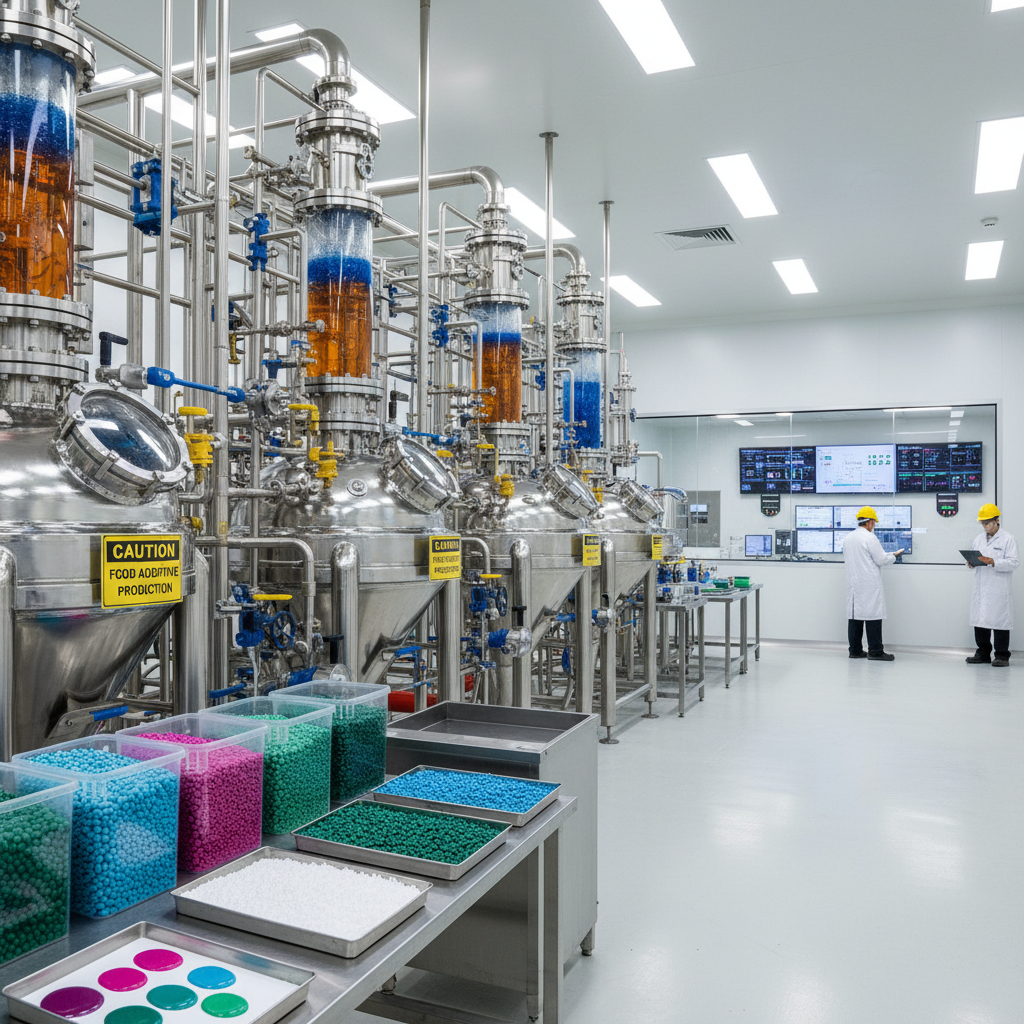
From a manufacturing perspective, this substance is synthesized through the esterification of glycerol and butyrate. Its stability as a glyceride makes it far more suitable for feed integration than free butyric acid, which is often volatile and possesses an unpleasant odor.
Intestinal Mucosa Maturation and Tributyrin
The development of the intestinal mucosa is the single most critical factor restricting the growth of young animals, particularly during the weaning period. When young pigs or poultry transition to solid feeds, the gut often suffers from structural immaturity and stress-induced damage.
Tributyrin serves as an active nutritional fat that specifically targets the intestinal lining. By providing a concentrated source of butyrate, it promotes the rapid maturation of the mucosal cells, ensuring that the animal can absorb nutrients more efficiently.
Without adequate mucosal support, young animals are prone to stunted growth and increased susceptibility to pathogens. The introduction of butyric acid glycerides fills this nutritional gap, creating a robust physical barrier against harmful bacteria.
Mechanisms of Action in Animal Health
The primary function of tributyrin is to act as a precursor to butyric acid, which is the preferred energy source for colonocytes. Once ingested, the ester bonds are broken down, releasing butyrate directly into the intestinal tract.
This localized release of butyrate stimulates the proliferation of intestinal villi and increases the depth of the crypts. By repairing the intestinal mucosal damage caused by various environmental stresses, tributyrin effectively reduces the permeability of the gut wall, preventing "leaky gut" syndrome.
Furthermore, the maintenance of a healthy mucosal layer helps in controlling diarrhea by regulating electrolyte balance and inhibiting the colonization of pathogenic microbes. This results in a healthier animal with a more resilient immune response.
Comparative Efficiency of Butyric Acid Delivery
When comparing delivery methods, the esterified form found in tributyrin offers significant advantages over salt-based or free-acid forms. Free butyric acid is often absorbed too early in the upper digestive tract, whereas tributyrin ensures the active component reaches the lower intestine where it is needed most.
This targeted delivery maximizes the biological impact on the intestinal mucosa while minimizing waste and feed odor. Consequently, producers observe a more consistent improvement in feed conversion ratios and overall animal weight gain.
Efficiency Analysis of Butyric Acid Delivery Methods
Global Applications Across Livestock Species
Tributyrin is utilized globally across a wide spectrum of livestock. In the swine industry, it is indispensable for piglets during the first two weeks after weaning, where it is used both for nourishing the intestines and for sterilization purposes to prevent post-weaning diarrhea.
Beyond swine, it is applied in poultry farming for broilers and layers to optimize nutrient absorption. In ruminants, such as cattle and sheep, and in rabbit farming, it supports the complex digestive systems of these animals, ensuring stable growth and higher carcass quality.
Long-term Value and Production Performance
The long-term value of integrating tributyrin lies in the reduction of medical costs. By proactively maintaining gut health, farmers can reduce their reliance on therapeutic antibiotics and other expensive interventions.
From an economic standpoint, the improvement in production performance is tangible. Enhanced mucosal health leads to better feed efficiency, meaning animals reach market weight faster with less feed consumption, directly increasing the profit margins of the farm.
Moreover, the use of stabilized butyrate glycerides contributes to animal welfare. Animals with healthy intestines exhibit less stress and better overall vitality, which is increasingly important for meeting global sustainability and ethical farming standards.
Recommended Dosage and Specification Standards
To achieve optimal results, it is essential to adhere to precise specification standards. High-quality tributyrin powder typically maintains a content of 60.00% minimum, with strict controls on heavy metals, such as Lead (Pb) at 10ppm and Arsenic (As) at 3ppm, and a maximum loss on drying of 10.0%.
Dosage varies significantly based on the species and the specific goal of the nutritional intervention. For example, while piglets may require up to 6kg per ton of feed for sterilization, broilers typically require between 0.3 and 0.8kg.
Following these guidelines ensures that the intestinal mucosa receives the exact amount of nutritional active fat needed for repair and growth without overloading the system.
Recommended Dosage of Tributyrin (60% Powder) per Ton of Formula Feed
| Animal Species |
Growth Stage |
Dosage (kg/T) |
Primary Objective |
| Piglets |
Just weaned - 2 weeks |
0.5 - 2.0 |
Intestinal Nourishment |
| Piglets |
Post-weaning phase |
3.0 - 6.0 |
Sterilization |
| Growing Pigs |
Body weight ≤ 30kg |
0.5 - 0.75 |
Growth Maintenance |
| Broilers |
0 - 21 days |
0.3 - 0.8 |
Early Development |
| Cattle |
Various stages |
2.5 - 3.5 |
Rumen/Gut Health |
| Rabbit |
All stages |
2.0 - 3.0 |
Mucosal Support |
FAQS
Tributyrin is a stabilized glyceride, meaning it does not have the volatile odor of free butyric acid and is more stable during feed processing. Most importantly, it allows for a targeted release of butyrate in the lower intestines, which is where mucosal repair and nutrient absorption are most critical, whereas free acid is often absorbed too early in the digestive tract.
It works by promoting the maturation and repair of the intestinal mucosa. By increasing the height of the villi and strengthening the gut barrier, it prevents the infiltration of pathogens and reduces mucosal inflammation. This structural improvement helps regulate electrolyte balance and reduces the incidence of diarrhea during the stressful weaning period.
Yes, it is highly effective in poultry. For broilers (0-21 days), the recommended dosage is 0.3-0.8 kg per ton of formula feed, and for layers, it is 0.5-1.0 kg per ton. It supports intestinal health, which translates to better feed conversion and faster growth rates in broilers and improved egg production stability in layers.
Professional grade tributyrin typically has a minimum content of 60.00%. To ensure animal safety, heavy metal limits are strictly enforced, usually with Lead (Pb) not exceeding 10ppm and Arsenic (As) not exceeding 3ppm. Additionally, the loss on drying should be kept at a maximum of 10.0% to ensure product stability.
Absolutely. Tributyrin is widely used in cattle (2.5-3.5 kg/T) and sheep (1.5-3.0 kg/T). In ruminants, it helps maintain the health of the intestinal lining and supports the overall digestive efficiency, which is vital for animals on high-fiber diets or those undergoing nutritional stress.
Nourishing intestines typically requires a lower dose (0.5-2 kg/T) to support general growth and mucosal development. Sterilization, which aims to more aggressively combat pathogens and stabilize the gut environment during high-stress weaning, requires a higher dose of 3-6 kg/T to ensure sufficient butyrate levels reach the distal intestine.
Conclusion
Tributyrin represents a sophisticated approach to animal nutrition, bridging the gap between basic feeding and targeted gut health management. By providing a stable, bioavailable source of butyric acid, it directly addresses the challenges of intestinal mucosa maturation and repair, leading to reduced diarrhea, lower antibiotic reliance, and significantly improved production performance across various livestock species.
As the global livestock industry moves toward more sustainable and antibiotic-free models, the strategic use of specialized feed additives like tributyrin will become indispensable. We recommend that producers carefully calibrate dosages based on animal stage and species to maximize the biological and economic returns of their nutritional programs. For high-quality specifications, visit our website: www.chinaseasoning.com