The global demand for high-purity nutritional supplements has led to a significant increase in the search for reliable bacillus licheniformis manufacturers, as industries seek ingredients that support metabolic health and cellular growth. While many seek biological catalysts, the underlying need for essential B-vitamins like Inositol remains a cornerstone of the food and pharmaceutical additive sectors.
Understanding the supply chain of these additives is crucial for ensuring product stability and efficacy, especially when dealing with crystalline powders that must meet strict pharmaceutical and food-grade specifications. The role of specialized bacillus licheniformis manufacturers often overlaps with the production of high-grade nutritional components used to treat hepatic conditions and regulate lipids.
For companies looking to enhance their product formulations, sourcing from experienced bacillus licheniformis manufacturers ensures that the ingredients, such as myo-inositol, maintain a purity level of ≥98% and adhere to FCC Grade standards for safety and performance.
Global Relevance of Bacillus Licheniformis Manufacturers
In the current global industrial landscape, the expertise provided by bacillus licheniformis manufacturers is essential for the synthesis of enzymes and nutritional additives. As the world shifts toward bio-based solutions, the ability to mass-produce stable, heat-resistant, and high-purity compounds like myo-inositol becomes a strategic advantage for pharmaceutical and food-grade suppliers.
This relevance is underscored by the increasing prevalence of metabolic disorders globally. By providing the raw materials necessary for treating fatty liver and high blood cholesterol, these manufacturers support public health initiatives and the development of fortified foods that adhere to international safety standards.
Defining the Role of Bacillus Licheniformis Manufacturers
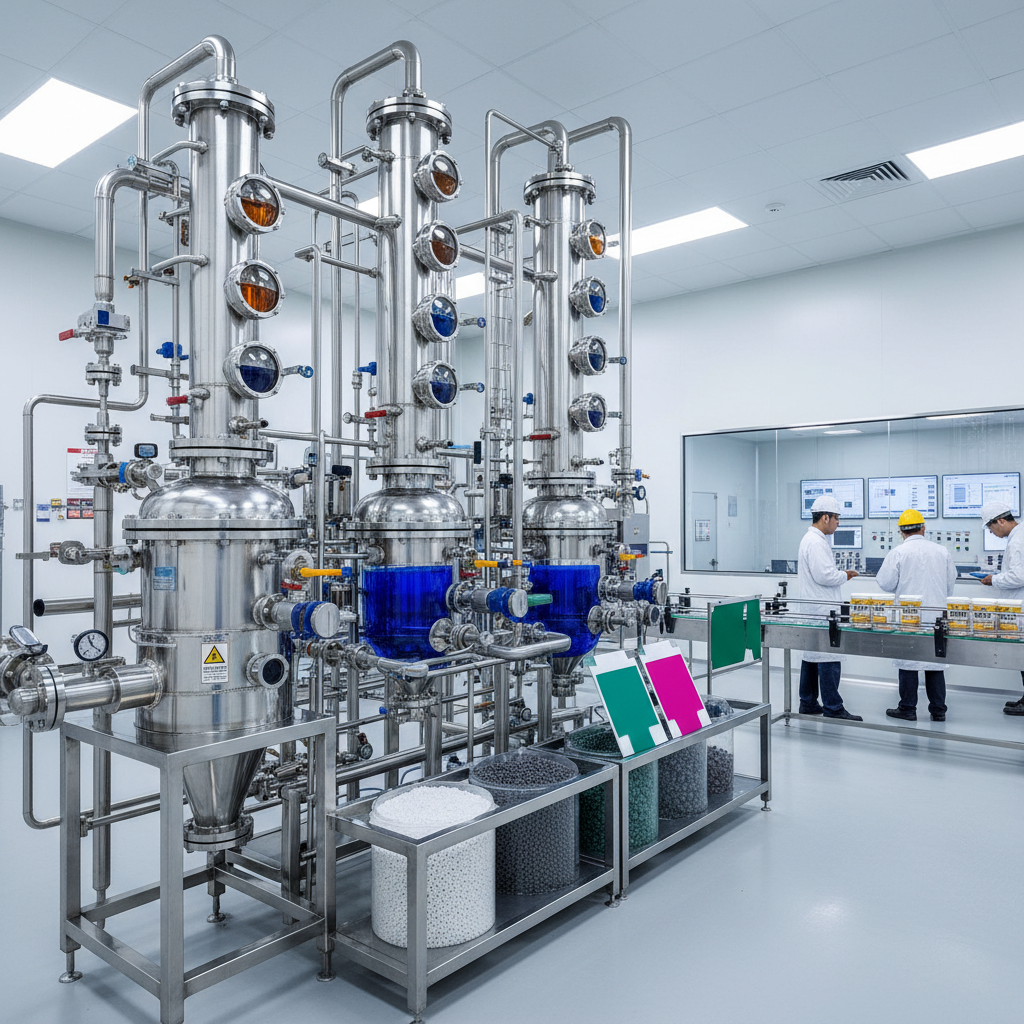
Bacillus licheniformis manufacturers are specialized entities focused on the fermentation and refinement of biological products. In the context of food and feed additives, they provide the critical infrastructure needed to produce components that promote the growth and development of humans, animals, and microorganisms.
Their role extends beyond simple production; they ensure that complex molecules, such as the cyclic hexahydric alcohol known as Inositol, are processed into white fine crystals that are odorless, sweet, and chemically stable. This precision is required to ensure the material is stable in air and resistant to strong acids and alkalis.
Ultimately, these manufacturers bridge the gap between laboratory-scale biochemical discovery and large-scale industrial application, ensuring that essential B vitamins reach the market in a form that is biologically active and safe for consumption.
Core Components of High-Purity Inositol Production
The production process managed by bacillus licheniformis manufacturers relies on strict adherence to chemical parameters. For Inositol, the melting point must be precisely maintained between 224-227°C, ensuring the crystalline structure is intact for optimal shelf-life and solubility in water.
Quality control is the hallmark of leading bacillus licheniformis manufacturers. By limiting lead to ≤10mg/kg and arsenic to ≤3mg/kg, they ensure the product meets FCC Grade and NF12 specifications, making it suitable for sensitive applications like infant food and fortified beverages.
Furthermore, the chemical stability of the final product is paramount. The resulting powder must be neutral to litmus in aqueous solution and possess a relative density of 1.752, which confirms the purity of the meso-inositol form—the only isomer with actual physiological action.
Practical Applications in Metabolic Health
The output from bacillus licheniformis manufacturers is widely applied to regulate blood lipids and promote fat metabolism. By binding to choline, Inositol helps prevent fatty arteriosclerosis and protects the cardiovascular system from the accumulation of neutral fats.
In clinical and nutritional contexts, these additives are used to treat liver cirrhosis and hepatitis. The protective effect against liver damage, particularly that caused by carbon tetrachloride, makes these high-purity supplements indispensable in pharmaceutical intermediate production.
Efficacy Ratings of Bacillus Licheniformis Manufacturers' Products
Global Distribution and Industry Use Cases
The products sourced from bacillus licheniformis manufacturers are distributed globally across the food and feed industries. In the EU and North America, these additives are frequently used in fortified beverages and infant formulas, adhering to strict regulations such as GB14880-94 which recommends levels of 210-230mg/kg.
In industrial agricultural zones, these supplements are integrated into animal feed to promote the growth of bone marrow and liver cells, ensuring healthier livestock and more efficient protein production cycles.
Long-Term Value and Sustainability
Partnering with professional bacillus licheniformis manufacturers provides long-term value through consistency and reliability. By ensuring a steady supply of FCC Grade myo-inositol, companies can maintain the quality of their nutritional supplements without risking batch variation or contamination.
Sustainability is achieved through the use of efficient fermentation processes that reduce waste while maximizing yield. The stability of the product—being resistant to heat and air—means less product degradation during transport, reducing the environmental footprint of the supply chain.
From a logical and emotional perspective, the trust established with a certified manufacturer ensures consumer safety. Knowing that heavy metals are kept below 2mg/kg provides the dignity of health and the peace of mind required for pharmaceutical-grade applications.
Future Trends in Additive Manufacturing
The future of bacillus licheniformis manufacturers lies in the integration of digital transformation and automation. AI-driven fermentation monitoring allows for real-time adjustment of temperature and pH, ensuring that the purity of the white fine crystals remains consistently above 98%.
There is also a growing trend toward "green chemistry," where manufacturers are exploring bio-catalysts to further reduce the use of harsh chemicals during the purification of B vitamins. This shift aligns with global sustainability goals and the demand for "clean label" ingredients.
As personalized nutrition becomes more prevalent, we expect these manufacturers to offer customized concentrations of Inositol and Choline blends to meet specific dietary needs, such as those for frequent coffee drinkers who require higher Inositol intake.
Technical Specifications and Purity Standards of Produced Inositol
| Specification Item |
Standard Limit |
Testing Method |
Impact on Quality |
| Assay % |
≥98% |
HPLC Analysis |
Ensures potency |
| Loss on Drying % |
≤0.5% |
Oven Drying |
Prevents caking |
| Heavy Metals % |
≤2mg/kg |
ICP-MS |
Safety compliance |
| Melting Point |
224-227℃ |
Capillary Method |
Identifies purity |
| Chloride % |
≤0.005% |
Titration |
Chemical stability |
| Residue on Ignition |
≤0.1% |
Muffle Furnace |
Minimizes impurities |
FAQS
You should request a Certificate of Analysis (COA) that specifies the assay percentage (which should be ≥98%), the melting point (224-227°C), and heavy metal limits. Leading manufacturers will also provide FCC Grade or NF12 certification to prove the product is suitable for human consumption.
Generally, the required amount of inositol for humans is between 1-2g per day. However, for specific food applications, such as fortified beverages, regulations like GB14880-94 recommend a concentration of 210-230mg/kg.
Yes, Inositol has a strong affinity for neutral fats and promotes fat metabolism. It helps transport liver fat into cells and reduces the formation of fatty liver, providing a protective effect on the liver from damage caused by toxins like carbon tetrachloride.
It is highly recommended to take inositol together with choline and other B vitamins. This synergy is essential for maximum efficacy, particularly for those who drink coffee frequently or those taking lecithin, to maintain a phosphorus-calcium balance.
High-grade Inositol is exceptionally stable. It remains stable in air, is resistant to heat, and can withstand strong acids and alkalis. This makes it an ideal additive for various food processing environments where temperature fluctuations occur.
It is primarily used as a nutritional supplement in infant food, fruit juice-type beverages (at 60-120mg/kg per GB2760-2002), and health supplements aimed at weight loss and blood lipid regulation.
Conclusion
In summary, the strategic role of bacillus licheniformis manufacturers extends far beyond simple production; they provide the high-purity chemical foundations—specifically myo-inositol—that enable advancements in metabolic health, liver protection, and nutritional fortification. By maintaining strict assay standards of ≥98% and adhering to global safety grades, these manufacturers ensure that the food and pharmaceutical industries can deliver safe, effective, and stable products to consumers worldwide.
Looking ahead, the integration of green chemistry and automated precision will further elevate the standards of additive manufacturing. For businesses seeking to optimize their health products or food fortifications, partnering with a transparent and certified supplier is the most reliable path to long-term success and consumer trust. Visit our website for more information: www.chinaseasoning.com