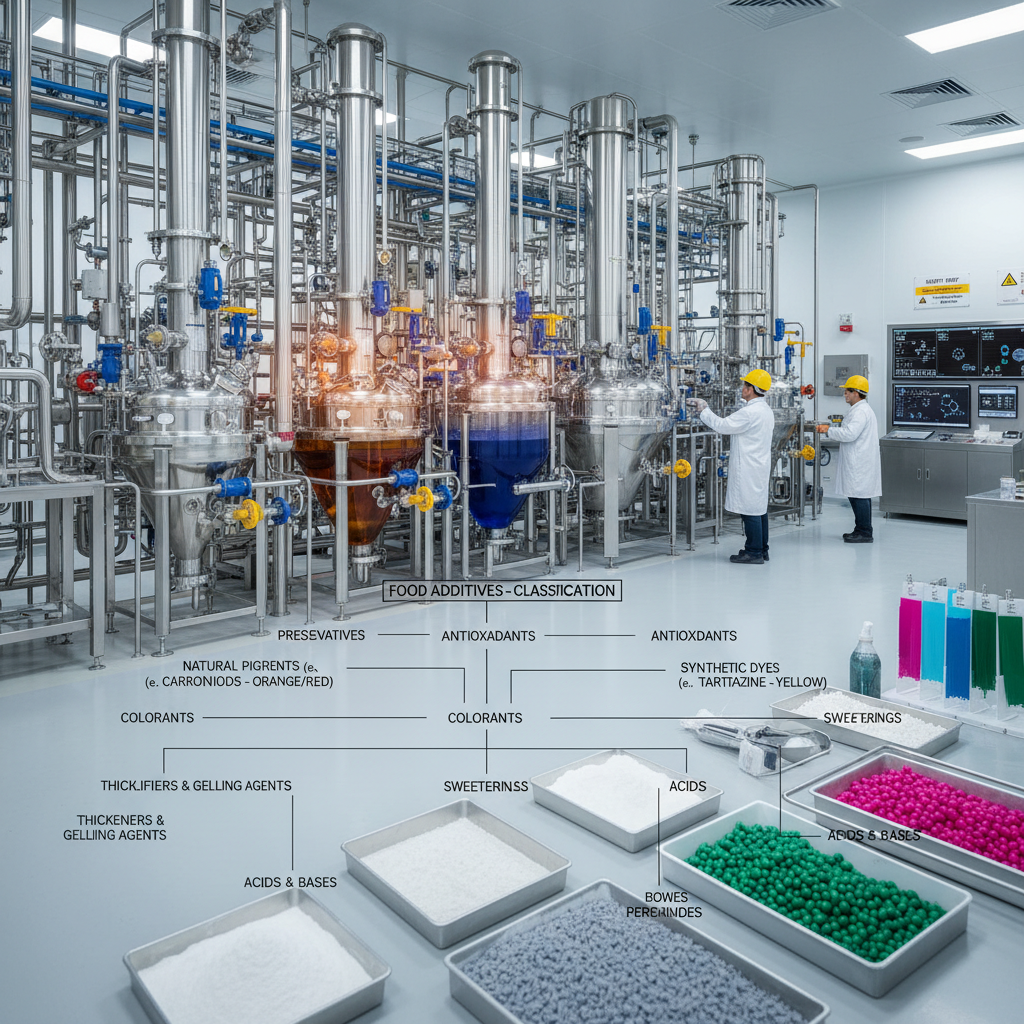
The global landscape of food additive sourcing has evolved rapidly, placing a significant emphasis on the reliability of vitamin e powder suppliers to ensure product stability and nutritional value. As the industry moves toward more standardized and high-quality seasoning solutions, the role of specialized manufacturers becomes critical in maintaining the sensory and chemical integrity of consumer goods.
Integrating high-performance ingredients into bouillon and seasoning cubes requires a sophisticated supply chain that balances cost-efficiency with stringent quality certifications. For many food manufacturers, finding dependable vitamin e powder suppliers is a strategic necessity to prevent oxidation and extend the shelf life of fat-based components like palm oil used in savory cubes.
Understanding the intersection of nutrient stability and commercial scalability allows brands to enter competitive markets in Africa, the Middle East, and Asia with confidence. By partnering with established China-origin factories, businesses can secure high-productivity outputs—up to 500 MT per month—ensuring that their food additive needs are met without compromising on ISO or HACCP standards.
Global Relevance of Vitamin E Powder Suppliers
In the current global economy, the demand for stable food preservatives has surged, making the search for professional vitamin e powder suppliers a priority for food scientists. These suppliers provide the essential antioxidants required to protect lipid-heavy products, such as bouillon cubes containing palm oil, from rancidity during long-distance ocean transportation.
The geopolitical shift toward centralized manufacturing hubs in China has allowed for unprecedented productivity, reaching capacities of 500 MT per month. This scalability ensures that emerging markets in Africa and the Middle East receive a consistent supply of food additives that meet international safety standards, including FDA and HALAL certifications.
Defining the Role of Vitamin E Powder Suppliers
Vitamin e powder suppliers are specialized entities within the chemical and food additive industry that focus on the synthesis and distribution of alpha-tocopherol and its derivatives in powder form. Unlike liquid variants, the powder form is highly valued in the production of dry mixes, such as shrimp flavour bouillon cubes, because it integrates seamlessly into the seasoning matrix without altering the texture.
These suppliers act as the first line of defense in food quality control, ensuring that the antioxidants delivered are of a purity grade suitable for human consumption. Their connection to modern industry is rooted in the need for "clean label" ingredients that can replace synthetic preservatives while maintaining a 24-month shelf life in cool, dry storage conditions.
From a humanitarian and economic perspective, the ability of these suppliers to provide cost-effective, high-stability additives helps reduce food waste. By preventing the oxidation of fats in concentrated food products, they enable the delivery of nutrient-dense seasonings to remote regions where refrigeration is unavailable.
Core Components of Quality Supply Chains
The reliability of vitamin e powder suppliers is measured by their commitment to certification and standardization. Key factors include the adherence to ISO9000 and ISO22000, which guarantee that the manufacturing process is consistent and that the final powder meets the strict specifications required for food additive categories.
Scalability and productivity are equally critical. A supplier capable of producing 500 MT per month can support global distribution channels via ocean, land, and air, ensuring that MOQ requirements (such as 1000 cartons) are met without lead-time delays. This operational capacity prevents supply chain bottlenecks for large-scale bouillon producers.
Finally, packaging integrity defines the long-term stability of the product. Leading vitamin e powder suppliers employ multi-layered aluminum foil and corrugated paper for out-packing to protect the light-sensitive powder from UV degradation, ensuring a consistent effect when added to seasonings.
Practical Applications in Food Manufacturing
In real-world food production, the powder provided by specialized suppliers is integrated into seasoning cubes to maintain the freshness of flavors like beef, chicken, and shrimp. By neutralizing free radicals, the additive ensures that the palm oil and vegetable fats do not develop off-flavors, preserving the "delicious soup" experience for the end consumer.
This application is particularly vital in the African and Middle Eastern markets, where extreme temperatures can accelerate lipid oxidation. The use of high-quality antioxidants allows for a shelf life of 24 months, enabling efficient distribution to remote industrial zones and retail centers across these regions.
Supplier Performance Metrics for Food Additives
Tangible Benefits and Long-Term Value
The primary advantage of working with reputable vitamin e powder suppliers is the drastic reduction in product spoilage. By utilizing pharmaceutical-grade intermediates and food-grade additives, manufacturers can guarantee a consistent taste profile across millions of units, enhancing consumer trust and brand loyalty.
Beyond the technical aspects, there is a logical and emotional value in reliability. Knowing that a supplier can provide 500 MT monthly with SGS and FDA certifications removes the stress of regulatory audits and customs delays, allowing companies to focus on creative product development and market expansion.
Future Innovations in Additive Sourcing
The future of vitamin e powder suppliers is leaning heavily toward digital transformation and automated quality tracking. We are seeing a shift where blockchain is used to trace the origin of raw materials, ensuring that every batch of antioxidant powder is ethically sourced and free from contaminants.
Sustainability is also becoming a core driver. Innovations in "green chemistry" are allowing suppliers to reduce the solvent use during the powderization process, aligning with global ESG (Environmental, Social, and Governance) goals. This makes the final food additives more appealing to eco-conscious consumers in Western markets.
Furthermore, the integration of AI-driven demand forecasting allows suppliers to optimize their 500 MT/month productivity. This ensures that stock levels are maintained precisely to avoid waste, reducing the cost of storage and transportation for the end-buyer.
Overcoming Logistics and Compliance Challenges
One of the biggest hurdles for food manufacturers is navigating the complex HS Code requirements (such as 21039090) and customs regulations in different ports. Experienced vitamin e powder suppliers mitigate this by providing comprehensive documentation and choosing the most efficient port of exit, such as Qingdao.
Payment and delivery terms often present friction; however, standardized terms like T/T (30% deposit, 70% before shipment) and shipping windows of 7-15 days have become the industry benchmark. This transparency reduces financial risk for importers while ensuring the factory maintains a steady production flow.
To solve the challenge of moisture and heat during transit, the industry has adopted advanced packaging styles, such as the three-layer aluminum foil for individual pieces and five-layer corrugated paper for cartons. This systemic approach ensures that the powder remains potent from the factory in China to the final warehouse in Africa.
Analysis of Supplier Compliance and Logistical Efficiency
| Compliance Dimension |
Industry Standard |
Impact on Quality |
Risk Mitigation Score |
| Certification |
ISO22000 / HACCP |
Ensures food safety |
10/10 |
| Production Capacity |
500 MT / Month |
Prevents shortages |
9/10 |
| Packaging Material |
Aluminum Foil / Corrugated |
Prevents oxidation |
9/10 |
| Logistics Hub |
Qingdao Port |
Reduces transit time |
8/10 |
| Payment Terms |
T/T (30/70 Split) |
Financial stability |
7/10 |
| Shelf Life |
24 Months |
Extends market reach |
10/10 |
FAQS
The most reliable way to verify a supplier is to check for recognized third-party certifications. Look for SGS, ISO9000, ISO22000, HACCP, and FDA certificates. Additionally, requesting a sample to test for purity and stability in your specific application (e.g., bouillon cubes) is highly recommended to ensure it meets your quality standards.
Yes, many top-tier suppliers offer customized packing and specific purity grades depending on the end product. Whether you need a high-concentration powder for industrial food additives or a specific blend for seasoning cubes, suppliers can adjust the specifications and packaging (such as 4g or 10g per piece) to fit your needs.
Typically, high-quality vitamin e powder and the finished products they are used in, such as bouillon cubes, have a shelf life of 24 months. This is achieved by using specialized packing materials like aluminum foil and ensuring storage in a cool, dry place away from direct sunlight.
Suppliers generally offer three main modes of transportation: Ocean, Land, and Air. Ocean freight is most common for large volumes (e.g., 20ft containers carrying 1850-2300 cartons) due to cost-efficiency, while air freight is used for urgent, smaller samples or high-value pharmaceutical intermediates.
While it varies by factory, a common MOQ for large-scale China-origin suppliers is around 1000 cartons. This ensures that production runs are optimized for the 500 MT/month capacity, allowing the supplier to maintain competitive pricing for the buyer.
These supply chains are highly optimized for China, Africa, and the Middle East. The combination of high productivity, HALAL certification, and robust packaging makes these products ideal for regions with high demand for convenient, long-lasting seasoning solutions.
Conclusion
In summary, the strategic selection of vitamin e powder suppliers is fundamental to the success of food additive manufacturing. By focusing on high productivity, stringent certifications (ISO, HACCP, FDA), and advanced packaging, manufacturers can ensure their products remain stable, flavorful, and safe for global consumption over a 24-month period.
Looking ahead, the industry will continue to evolve toward more sustainable and digitally traceable supply chains. For businesses seeking to scale their bouillon or food additive production, partnering with a China-origin factory that combines technical expertise with logistical efficiency is the most viable path to long-term growth. Visit our website: www.chinaseasoning.com