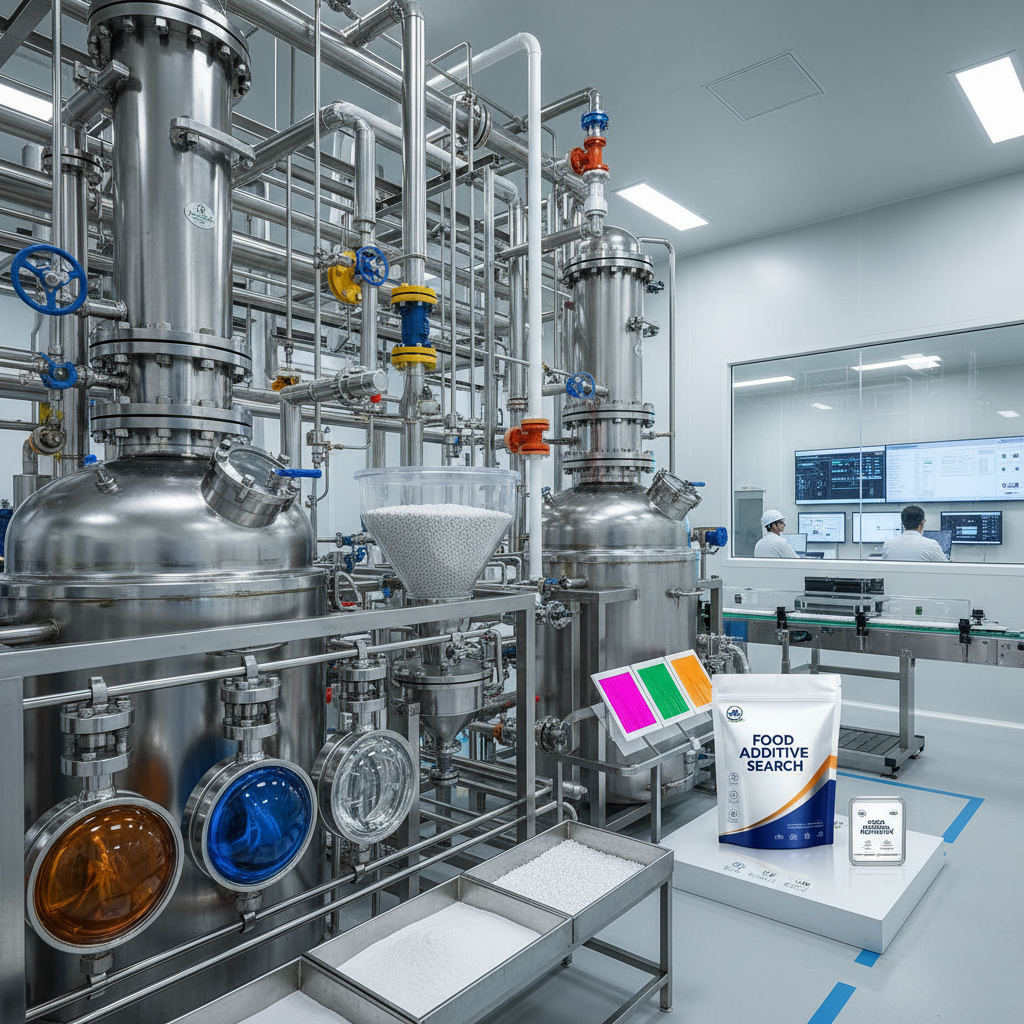
In the complex landscape of modern food production, the role of a professional food flavourings manufacturer extends far beyond simple scent and taste. High-quality additives, such as specialized probiotic yeast, are essential for ensuring the stability, activity, and fermentation power of various food and beverage products globally. By leveraging advanced fermentation technologies, manufacturers provide the critical biological foundations that allow food producers to achieve consistent quality and efficiency.
The global demand for high-activity biological agents has surged as consumers shift toward products with cleaner labels and enhanced functional properties. A leading food flavourings manufacturer must balance the need for high purity with the requirement for strong activity, ensuring that probiotic strains can withstand harsh processing environments. This industrial challenge requires a deep understanding of microbiology and a commitment to rigorous quality control standards.
Whether used in large-scale industrial baking or specialized brewing, the selection of a reliable food flavourings manufacturer ensures that parameters such as fermentation power and viable cell rates are optimized. By integrating high-quality molasses as a raw material and utilizing low-temperature drying technology, the industry can deliver probiotic yeast that is not only ecologically safe but also highly resistant to acidity and antibiotics.
Technical Foundations of High Activity Dry Yeast
High activity dry yeast is produced using premium molasses as the primary raw material, ensuring a nutrient-rich environment for the natural brewing yeast strains. The production process utilizes international advanced fermentation technology through liquid deep fermentation, which maximizes the biological potential of the yeast cells before they undergo low-temperature drying.
This specialized drying process is critical for preserving the yeast's characteristic odor and preventing spoilage. By maintaining a low-temperature environment, the product retains its status as an excellent probiotic yeast with high purity and strong activity, ensuring that it remains stable during storage and transport.
The Role of Fermentation in Industrial Food Production
Fermentation is the engine that drives the production of countless food and beverage products, from artisanal breads to industrial-scale spirits. The efficiency of this process depends heavily on the fermentation power of the yeast used, which directly influences the wine yield and the overall speed of the production cycle.
In a commercial setting, the ability of yeast to dissolve quickly and act rapidly is a major cost-saving factor. High solubility reduces the preparation time and ensures a homogeneous distribution of active cells throughout the substrate, leading to a more consistent final product.
Furthermore, the resilience of the strain is paramount. Industrial environments often involve fluctuations in pH and the presence of various inhibitors; therefore, yeast that exhibits strong acid resistance (down to pH 2.5) and antibiotic resistance is highly valued for its reliability.
Quality Standards for a Food Flavourings Manufacturer
Maintaining rigorous quality standards is the hallmark of a reputable food flavourings manufacturer. This involves strict monitoring of the raw materials and the fermentation environment to ensure that the final granules are milky white to dark brown and free from visual impurities.
The biological integrity of the product is measured by its viable cell rate, which must remain above 75% to guarantee potency. A food flavourings manufacturer must also implement stringent testing for coliform bacteria and pathogenic agents to ensure the product is entirely safe for human consumption.
Beyond biological purity, chemical safety is non-negotiable. Limits on heavy metals, such as Arsenic (As ≤ 0.5 ppm) and Lead (Pb ≤ 1.0 ppm), are strictly enforced to comply with international food safety regulations and protect consumer health.
Performance Metrics of Probiotic Yeast Strains
The effectiveness of probiotic yeast is quantified through specific technical parameters. The fermentation power (α, ml/h ≥ 450) serves as the primary indicator of how quickly the yeast can convert sugars into carbon dioxide and alcohol, which is essential for texture and flavor development.
Additionally, moisture content must be kept low (≤ 5.5 g/100g) to prevent premature activation or degradation of the cells. These metrics allow food producers to calculate precise dosages, ensuring that the fermentation speed is fast and the yield is maximized.
Comparative Analysis of Yeast Performance Metrics
Global Applications in Food and Pharma Sectors
The versatility of high-activity dry yeast allows it to be utilized across diverse sectors. In the food industry, it is indispensable for baking and brewing, where it ensures rapid dough rise and consistent alcohol production. Its probiotic nature also makes it a valuable component in functional foods aimed at improving gut health.
Beyond food, the pharmaceutical intermediate sector utilizes these high-purity strains for the synthesis of specific biological compounds. Because of its ecological safety and antibiotic resistance, this yeast can be used in controlled bioreactors to produce precursors for medications, demonstrating the broad utility of products from a specialized food flavourings manufacturer.
Sustainability and Ecological Safety in Additives
Ecological safety is a primary concern in the modern additive industry. By using natural brewing yeast strains and renewable raw materials like molasses, manufacturers reduce the environmental footprint of their production processes. This commitment to "green" fermentation ensures that the products are biodegradable and safe for the ecosystem.
Sustainability also manifests in the efficiency of the product. Yeast with high fermentation power requires lower dosages to achieve the desired result, reducing waste and lowering the overall resource consumption for the end-user. This creates a sustainable cycle from the manufacturer to the final consumer.
Furthermore, the absence of pathogenic bacteria and strict control over mold (≤ 10/g) ensures that the additives do not introduce biological risks into the food chain, maintaining the dignity and safety of the global food supply.
Future Innovations in Fermentation Technology
The future of the industry lies in the digital transformation of fermentation. Automation and real-time monitoring of liquid deep fermentation allow for precise control over temperature and nutrient levels, further enhancing the viable cell rate and stability of the yeast.
Research is also focusing on genetic optimization of natural strains to increase acid resistance beyond pH 2.5, allowing the yeast to perform in even more extreme industrial conditions. This innovation will enable the creation of new food categories and more efficient pharmaceutical intermediates.
As global regulations tighten, the shift toward absolute purity and zero contamination will drive the adoption of more advanced low-temperature drying technologies. This will ensure that every granule delivered by a food flavourings manufacturer maintains maximum potency throughout its shelf life.
Technical Specification Analysis of High Activity Dry Yeast
| Parameter Dimension |
Technical Requirement |
Industrial Impact |
Safety Rating (1-10) |
| Fermentation Power |
α, ml/h ≥ 450 |
Faster production cycles |
10 |
| Moisture Content |
≤ 5.5 g/100g |
Extended shelf stability |
9 |
| Viable Cell Rate |
≥ 75% |
Consistent fermentation yield |
9 |
| Bacterial Count |
CFU/g ≤ 1000 |
Prevents spoilage |
10 |
| Acid Resistance |
pH 2.5 |
Versatile application range |
8 |
| Heavy Metals (Pb) |
≤ 1.0 ppm |
Regulatory compliance |
10 |
FAQS
The superiority lies in its production process, which combines liquid deep fermentation with low-temperature drying. This results in a significantly higher viable cell rate (≥75%) and strong acid resistance (pH 2.5), allowing it to perform consistently in harsh industrial conditions where standard yeast might fail.
Purity is ensured through strict raw material selection (high-quality molasses) and rigorous testing. This includes monitoring the total bacterial count (≤1000 CFU/g) and ensuring that coliform bacteria and other pathogens are negative, providing a safe and clean biological additive.
Yes, due to its high purity, ecological safety, and antibiotic resistance, this yeast is suitable as a pharmaceutical intermediate. Its stable biological properties make it an ideal candidate for bioreactors producing specific medical compounds.
This metric indicates the speed at which the yeast converts sugar into gas and alcohol. A value of ≥450 ml/h means the yeast is highly active, which translates to faster fermentation speeds, higher wine yields, and shorter production timelines for food manufacturers.
Shelf life is maintained by controlling the moisture content to ≤ 5.5 g/100g. This low moisture level, achieved through specialized low-temperature drying, puts the yeast in a dormant state that prevents spoilage and maintains activity until it is rehydrated.
Absolutely. The product is developed using natural brewing strains and is free from harmful contaminants. With heavy metal levels (As and Pb) well within international safety limits, it meets the global standards required for export and industrial use.
Conclusion
In summary, the production of high-activity dry yeast represents a critical intersection of microbiology and industrial engineering. By prioritizing parameters such as fermentation power, viable cell rates, and acid resistance, a professional food flavourings manufacturer provides the essential biological tools needed for efficient and safe food and pharmaceutical production. The combination of high-quality molasses, advanced deep fermentation, and precise drying ensures a product that is both potent and ecologically sustainable.
Looking forward, the industry will continue to evolve through automation and genetic optimization, further enhancing the resilience and efficiency of probiotic strains. For companies seeking to optimize their production yields and ensure the highest safety standards, partnering with a technical leader in yeast production is a strategic necessity. Visit our website: www.standard-seasoning.com