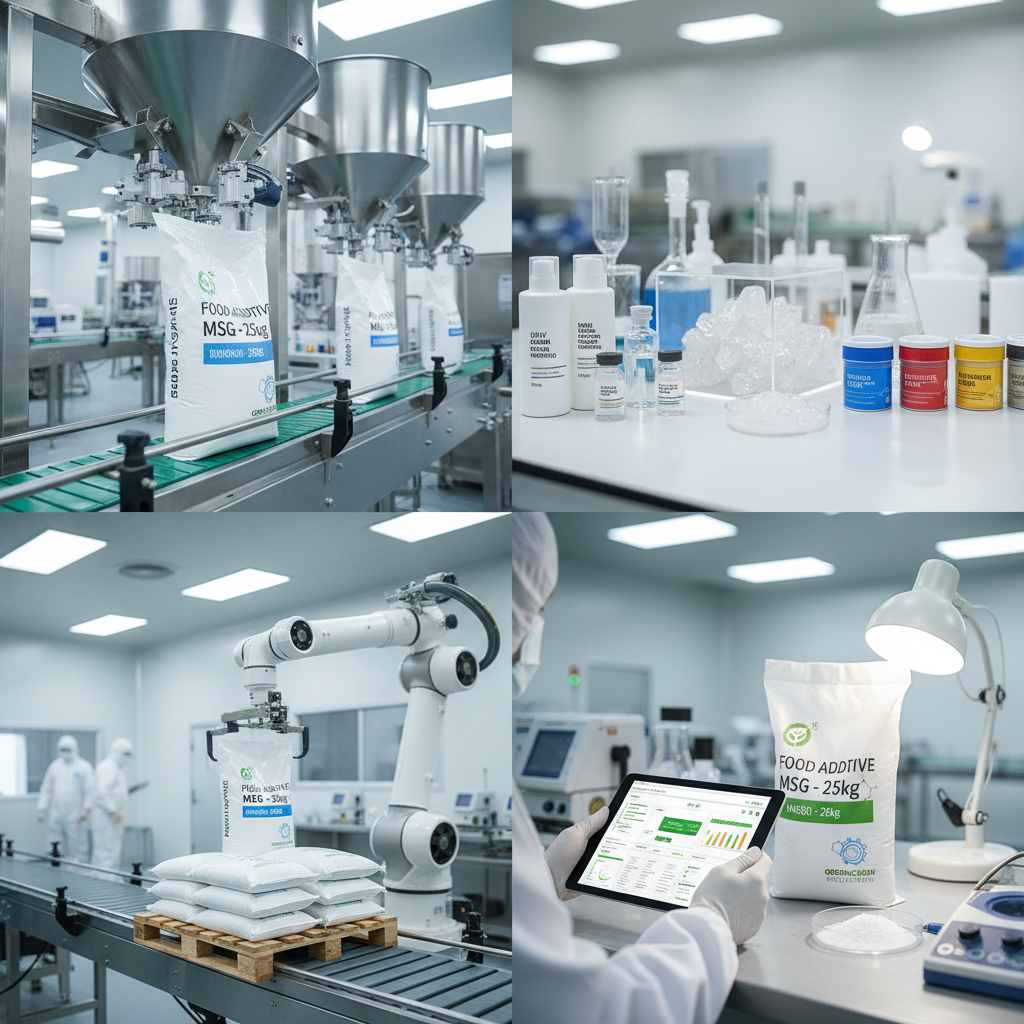
The global food processing industry is undergoing a significant transformation as the demand for convenient, flavor-dense ingredients rises. Central to this evolution is the role of the specialized manufacturing plant, often referred to as a feed additive factory in broader industrial terms, which ensures that concentrated flavor profiles are delivered consistently to markets worldwide. These facilities bridge the gap between raw agricultural extracts and the refined cubes used in millions of kitchens daily.
Maintaining rigorous standards in production is essential for ensuring food safety and taste consistency. From the selection of premium palm oil and flavor enhancers to the precise compression of dehydrated stock, the technical expertise found in a professional feed additive factory environment allows for the creation of products like Beef Flavor Bouillon Cubes that meet international certifications such as HALAL, ISO, and FDA.
Understanding the operational capacity and quality control of a leading manufacturer is key for distributors looking to scale their offerings. By leveraging a production capacity of up to 500 MT per month, a modern feed additive factory can ensure a stable supply chain, providing customized packaging and diverse flavor profiles that cater to the diverse culinary needs of Africa, the Middle East, and Asia.
Global Industrial Relevance of Feed Additive Factory
The global food and additive landscape is driven by a need for efficiency and standardization. A high-output feed additive factory serves as the backbone for this, ensuring that essential flavor enhancers and nutritional components are produced at a scale that can support growing urban populations. With the rise of processed foods, the ability to dehydrate and compress stock into portable cubes has revolutionized how flavor is transported across borders.
Statistically, the shift toward concentrated additives has reduced transportation costs and waste significantly. By utilizing advanced dehydration technologies, these factories provide a solution to the challenge of perishable stocks, turning hours of simmering into a product with a 24-month shelf life. This industrial capability is critical for maintaining food security and flavor accessibility in regions with limited cold-chain infrastructure.
Defining the Modern Feed Additive Factory
In simple terms, a feed additive factory is a specialized manufacturing facility designed to produce concentrated additives—ranging from food-grade seasonings to nutritional supplements—using precision blending and compression technology. In the context of bouillon production, this involves the careful synthesis of salt, vegetable fats, and flavor enhancers into a stable, solid form.
These facilities are not merely mixing stations; they are hubs of chemical and food engineering. By adhering to strict HACCP and ISO22000 standards, they ensure that every cube produced is free from contaminants and consistent in its chemical composition. This precision is what allows a chef in a professional kitchen to trust that a single cube will provide the exact same umami depth every single time.
The connection to modern humanitarian and industrial needs is profound. In areas where fresh ingredients are scarce or expensive, the output of such a factory provides a cost-effective way to enhance the nutritional and sensory quality of basic staples. This democratization of flavor is a key driver in the growth of the global seasoning market.
Core Components of Quality Production
The first core component is Ingredient Integrity. A premier feed additive factory prioritizes the sourcing of high-grade palm oil and salt to ensure the base of the bouillon cube remains stable. The use of premium flavor enhancers is what creates the authentic beef, chicken, or vegetable notes that consumers expect.
Secondly, Compression and Solubility are vital. The technical process within a feed additive factory must balance the hardness of the cube for transport with its ability to dissolve quickly in boiling water. If the compression is too high, the cube won't dissolve; if it's too low, it crumbles during shipping.
Finally, Packaging Durability ensures the product's longevity. Using three-layer aluminum foil for individual pieces and five-layer corrugated paper for outer cartons prevents moisture ingress. This rigorous approach to packaging, developed in a professional feed additive factory, allows the product to withstand ocean, land, and air transportation without degradation.
Operational Scalability and Efficiency
Scalability is the hallmark of a successful industrial operation. With a productivity rate of 500 MT per month, the facility can handle massive wholesale orders while maintaining strict quality control. This capacity allows for a wide range of specifications, from 4g sachets for individual use to 10g cubes for bulk catering, ensuring that the feed additive factory can pivot based on market demand.
Efficiency is further enhanced through streamlined logistics, utilizing ports like Qingdao for rapid global distribution. By optimizing the shipping volume—such as fitting 1850 to 2300 cartons in a 20ft container—the manufacturer minimizes the per-unit cost, passing these savings on to the end customer through reasonable pricing.
Production Efficiency Analysis by Manufacturing Method
Global Applications and Market Use Cases
The applications of these concentrated additives span across various sectors. In professional kitchens, beef broth cubes are used to create instant bases for gravies, risottos, and sauces, allowing chefs to maintain a consistent flavor profile without the time-consuming process of boiling bones for hours. This efficiency is a direct result of the precision formulation developed in the feed additive factory.
Beyond the culinary world, these products are essential for international aid and remote industrial zones. In post-disaster relief operations, bouillon cubes provide a high-flavor, shelf-stable way to make bland grains more palatable and appetizing for displaced populations. Their compact nature and long shelf life make them ideal for transport to remote areas where fresh meat and vegetables are unavailable.
Long-Term Value and Sustainability
The long-term value of partnering with a certified feed additive factory lies in the reliability of the supply chain. For industrial food manufacturers, the ability to order 1000+ cartons with a guaranteed delivery time of 7-15 days ensures that production lines never stop. This reliability builds trust and allows brands to scale their own products with confidence.
Sustainability is also integrated through the reduction of water and energy waste. Traditional stock production requires massive amounts of water and fuel for long simmering times. By shifting this process to a centralized, optimized facility, the environmental footprint per serving is significantly reduced. This industrial efficiency supports a more sustainable global food system.
Moreover, the social impact of providing affordable, high-quality flavor enhancers cannot be overstated. By offering reasonable pricing and diverse flavors (chicken, shrimp, fish, vegetable), these factories enable small-scale entrepreneurs in developing markets to start their own food businesses using standardized, quality-guaranteed ingredients.
Future Innovations in Manufacturing
The future of the feed additive factory is leaning toward "clean label" innovation. There is a growing demand for low-sodium and MSG-free variants that maintain the same umami depth. This requires new research into natural flavor enhancers and organic beef extracts to satisfy health-conscious consumers without sacrificing the authentic taste that defines bouillon.
Digital transformation is also playing a role, with automation in packaging and AI-driven quality control. Future plants will likely implement real-time sensory analysis to ensure every single cube meets a perfect flavor profile. This will further reduce waste and increase the precision of customized orders for global clients.
Lastly, the move toward sustainable packaging—such as biodegradable foil alternatives—is on the horizon. As global policies shift toward reducing plastic and aluminum waste, the industry is innovating to maintain the 24-month shelf life while using more eco-friendly materials.
Analysis of Production Specifications and Market Standards
| Product Spec |
Packaging Detail |
Logistics Capacity |
Quality Rating |
| 10g Cube (60pc/box) |
3-Layer Al Foil |
1850 ctns/20ft |
9.5 |
| 10g Cube (48pc/box) |
Side/Envelope Pack |
1850 ctns/20ft |
9.2 |
| 4g Sachet (25pc/sachet) |
Al Foil Sachet |
2300 ctns/20ft |
8.8 |
| 4g Sachet (50pc/sachet) |
Customized Paper |
2300 ctns/20ft |
8.7 |
| 4g Bag (100pc/bag) |
Bulk Poly Bag |
2300 ctns/20ft |
8.5 |
| Custom Flavor Blend |
Variable |
500 MT/Month |
9.0 |
FAQS
You should ensure the factory holds international certifications such as HALAL, ISO9000, ISO22000, HACCP, and FDA. These guarantee that the manufacturing process adheres to strict global food safety and hygiene standards, ensuring the product is safe for consumption across different international markets.
Typically, high-quality bouillon cubes have a shelf life of 24 months. This longevity is achieved through the dehydration process and the use of protective packaging, such as three-layer aluminum foil, which protects the ingredients from moisture, light, and oxygen.
Yes, most professional manufacturers offer customized packaging options. Whether you need specific weight specifications (like 4g or 10g), particular box counts, or your own brand design on the outer cartons, a scalable factory can accommodate these needs to help you penetrate your local market.
The Minimum Order Quantity (MOQ) usually starts around 1000 cartons. This ensures that the production run is cost-effective while allowing the factory to maintain high quality and consistency across the entire batch.
Ocean freight is the most cost-effective for large volumes, with 20ft containers capable of holding up to 2300 cartons. For urgent samples or small batches, air and land transportation are available, though ocean shipping is recommended for maintaining the lowest per-unit cost.
Standard formulations often include MSG and vegetable fats for flavor depth. However, modern factories are increasingly offering "clean label" options, including low-sodium and MSG-free versions, to cater to health-conscious consumers and specific dietary restrictions.
Conclusion
The operational excellence of a specialized feed additive factory is fundamental to the accessibility of high-quality flavor enhancers worldwide. By combining a massive production capacity of 500 MT per month with rigorous international certifications and versatile packaging options, these facilities provide the essential building blocks for both home cooks and industrial food producers. The ability to deliver consistent, shelf-stable, and authentic tastes—from beef to seafood—ensures that culinary quality is no longer limited by geography or preparation time.
Looking forward, the industry will continue to evolve toward healthier formulations and more sustainable production methods. For businesses seeking a reliable partner in the food additive space, prioritizing factories that balance scalability with strict quality control is the key to long-term success. We invite you to explore our professional solutions and experience the difference that industrial precision makes in every cube. Visit our website: www.standard-seasoning.com