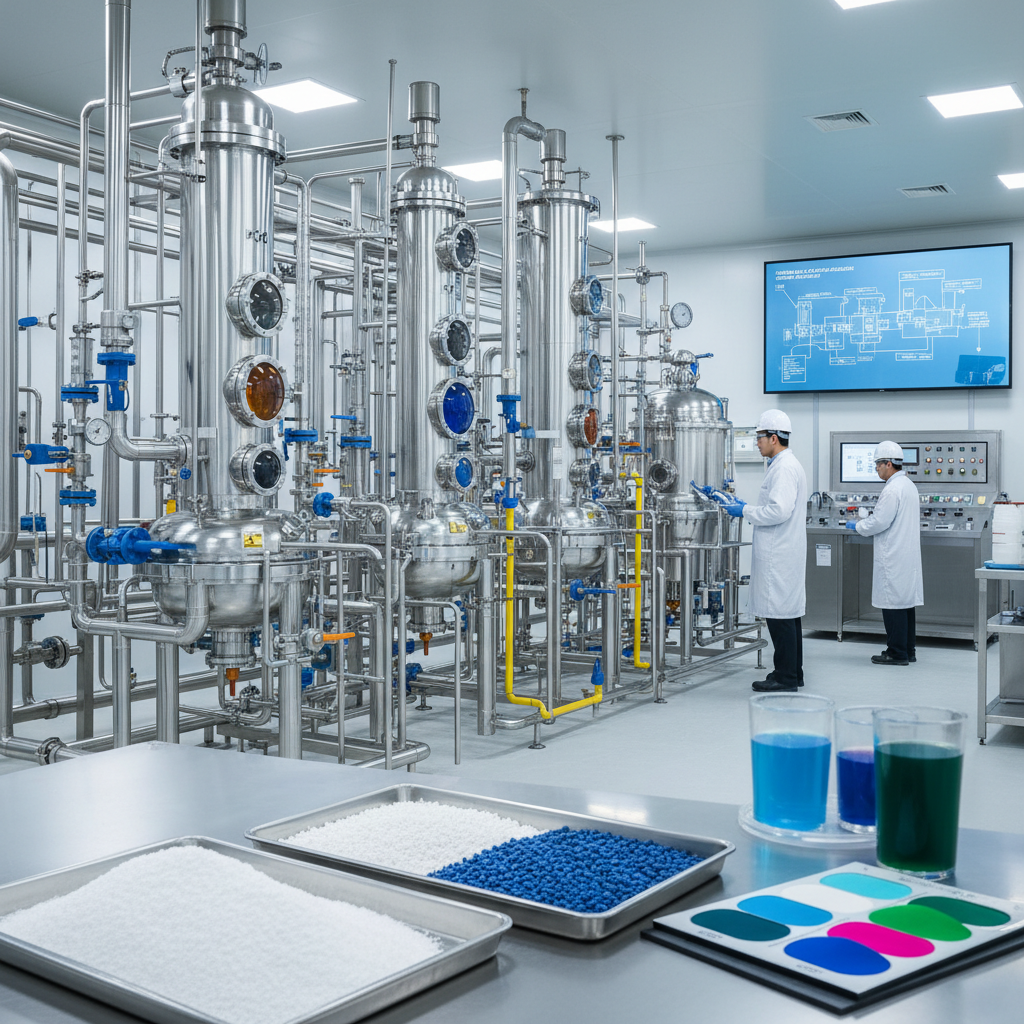
The global livestock industry is currently facing unprecedented challenges in balancing productivity with sustainable animal health. As the demand for high-quality protein grows, the strategic implementation of nutritional enhancers has become essential for modern farming. Veterinary feed additives play a pivotal role in this evolution, providing the necessary micronutrients and functional compounds that ensure animals reach their genetic potential while maintaining robust immune systems.
Beyond simple growth promotion, the modern approach to animal nutrition focuses on metabolic efficiency and the reduction of environmental footprints. By optimizing the bioavailability of nutrients, producers can significantly reduce waste and improve the overall quality of the end product. This shift toward precision nutrition is driven by a need for transparency and safety in the food supply chain, ensuring that every additive used contributes positively to animal welfare and human health.
Understanding the complex interaction between dietary components and animal physiology is key to maximizing output. For professionals seeking to enhance their livestock productivity, integrating high-grade veterinary feed additives provides a reliable pathway to consistent growth and disease resistance. By leveraging science-backed formulations, the industry can move toward a more resilient and sustainable future for global food security.
Global Relevance of Veterinary Feed Additives
The global livestock sector is under immense pressure to increase efficiency while adhering to stricter regulatory frameworks regarding antibiotic use. International organizations, including the WHO and FAO, have highlighted the urgency of reducing antimicrobial resistance, which has pushed the industry toward alternative growth promoters. Veterinary feed additives have emerged as the primary solution to this crisis, offering a way to maintain growth rates and health without relying on traditional pharmaceuticals.
By integrating probiotics, organic acids, and essential amino acids, producers can stabilize the gut microbiome of animals, leading to better nutrient absorption and reduced pathogen colonization. This transition not only satisfies global safety standards but also improves the economic viability of farms by reducing mortality rates and optimizing feed conversion ratios across different species of livestock.
Defining Veterinary Feed Additives in Modern Industry
Veterinary feed additives are defined as non-nutritive or concentrated nutritive substances added to animal feed to improve growth, health, and the overall quality of the final animal product. Unlike primary feed ingredients like corn or soy, these additives are used in small quantities but have a disproportionately large impact on the biological efficiency of the animal. They encompass a wide range of products, from vitamins and minerals to complex enzymes and prebiotic fibers.
In the context of modern industrial farming, these additives serve as a bridge between basic sustenance and optimal performance. They address specific nutritional gaps that occur in high-density farming environments, where stress and environmental factors can deplete an animal's natural reserves. By providing precise dosages of critical nutrients, these additives ensure that livestock can withstand environmental stressors while maintaining steady growth.
Furthermore, the connection to humanitarian needs is evident in the quest for affordable protein. By increasing the efficiency of meat and dairy production through science-based nutrition, the industry can lower the cost of food for growing populations. This systemic improvement reduces the land and water footprint required per kilogram of protein, making the entire agricultural cycle more sustainable for the planet.
Core Components of Nutritional Enhancement
The efficacy of any nutritional program depends on the synergy between different functional components. High-quality veterinary feed additives are typically categorized by their primary function, such as digestive enzymes that break down complex carbohydrates or antioxidants that protect cells from oxidative stress during rapid growth phases.
Scalability and consistency are critical factors in the manufacturing of veterinary feed additives. Ensuring that every batch of feed maintains the same concentration of active ingredients prevents nutritional spikes or deficiencies, which could otherwise lead to uneven growth across a herd or flock and complicate harvest schedules.
Cost efficiency is another core driver, as producers seek the maximum return on investment per unit of additive. By improving the feed conversion ratio (FCR), these additives allow farmers to produce more biomass with less raw material, directly impacting the bottom line while reducing the environmental burden of waste.
Practical Applications and Performance Metrics
In real-world applications, the integration of specialized additives varies depending on the livestock species and the stage of the production cycle. For instance, starter feeds for piglets often require highly digestible proteins and acidifiers to prevent diarrhea, while finishing diets for beef cattle focus on energy efficiency and marbling. The ability to customize these formulations allows producers to target specific physiological needs at the exact moment they arise.
The success of these interventions is measured through rigorous performance metrics, including average daily gain (ADG) and overall health indices. By monitoring these data points, nutritionists can fine-tune the blend of additives to maximize output. This data-driven approach removes the guesswork from animal husbandry, turning the feed mill into a precision laboratory for growth.
Efficiency Comparison of Veterinary Feed Additives Methods
Global Use Cases and Regional Impact
Across different continents, the application of these additives reflects local agricultural priorities and regulatory environments. In Southeast Asia, there is a heavy focus on aquaculture feed additives to support the massive shrimp and tilapia industries, where water quality stressors make nutritional support vital. In North America and Europe, the trend is heavily skewed toward "clean label" additives that are certified organic or non-GMO to meet consumer demands for transparency.
In emerging economies, the use of these additives is often linked to disaster recovery and food security initiatives. For example, in regions recovering from livestock epidemics, nutrient-dense additives are deployed to rapidly restore herd health and replenish depleted livestock populations. This systemic support ensures that local farmers can return to productivity quickly, stabilizing local food prices and supporting rural livelihoods.
Long-Term Value and Sustainability Benefits
The long-term value of investing in premium feed additives extends beyond immediate growth metrics to encompass environmental sustainability. By improving the digestibility of phosphorus and nitrogen in feed, these additives significantly reduce the amount of these elements excreted into the environment. This prevents the eutrophication of nearby water bodies and reduces the greenhouse gas emissions associated with livestock waste, aligning farming practices with global climate goals.
From an emotional and ethical standpoint, the shift toward additive-based health management reflects a commitment to animal welfare. Animals that receive balanced nutrition are less prone to illness, experience lower stress levels, and have higher quality of life. This creates a cycle of trust between the producer and the consumer, as the market increasingly rewards those who can prove their animals were raised with a focus on health rather than just speed of growth.
Furthermore, the reliability provided by standardized additives reduces the volatility of food production. When farmers can guarantee a certain quality and weight of livestock regardless of seasonal fluctuations in raw grain quality, the entire supply chain becomes more stable. This reliability is the foundation of industrial innovation, allowing for the development of more efficient processing and distribution networks.
Future Innovations in Feed Technology
The future of animal nutrition is being shaped by the intersection of biotechnology and digital transformation. We are seeing the rise of "precision additives"—compounds designed to be released only under specific physiological conditions within the animal's gut. This targeted delivery system maximizes efficacy while minimizing the amount of product required, further driving down costs and environmental impact.
Automation and AI are also playing a role, as smart feeding systems can now adjust the concentration of additives in real-time based on sensor data from the livestock. This means an animal showing early signs of stress can automatically receive a boost in immunity-supporting additives before clinical symptoms appear. This proactive approach to health management represents a paradigm shift from treating disease to preventing it through nutrition.
Sustainability will continue to drive the development of new materials, including insect-based proteins and algae-derived omega-3s, which will be integrated into additive blends. These innovations reduce the reliance on fishmeal and soy, decoupling livestock growth from the deforestation and overfishing associated with traditional feed sources.
Comparative Analysis of Future Feed Additive Technologies
| Technology Type |
Primary Benefit |
Implementation Cost |
Eco-Impact Score (1-10) |
| Nano-Encapsulation |
Targeted Delivery |
High |
8 |
| AI-Driven Dosing |
Waste Reduction |
Medium |
9 |
| Algae-Based Omegas |
Ocean Preservation |
Medium |
10 |
| Phytogenic Extracts |
Antibiotic Replacement |
Low |
7 |
| Synthetic Probiotics |
Gut Microbiome Control |
High |
8 |
| Enzyme Complexes |
Feed Conversion |
Low |
7 |
FAQS
While standard vitamins provide basic nutritional support, veterinary feed additives often include functional compounds like enzymes, organic acids, and probiotics. These additives are specifically formulated to modify the digestive process, enhance the absorption of existing nutrients, and actively support the immune system against specific pathogens, rather than just preventing deficiency diseases.
In many cases, yes. Phytogenic additives and probiotics can strengthen the intestinal barrier and outcompete harmful bacteria, reducing the need for prophylactic antibiotic use. While they may not replace curative antibiotics for severe infections, they significantly reduce the overall reliance on pharmaceuticals by maintaining a higher baseline of health.
Properly balanced additives improve the nutritional profile of the end product. For example, adding specific omega-3 sources can increase the heart-healthy fats in milk or meat. Additionally, by reducing systemic stress and inflammation in the animal, additives contribute to better texture, color, and shelf-life of the final food product.
Yes, when sourced from reputable manufacturers and used according to guidelines. Most modern additives are derived from natural sources or are GRAS (Generally Recognized As Safe) substances. Because they work with the animal's natural physiology to improve efficiency, they do not typically accumulate in tissues or cause adverse long-term effects.
Importing requires adherence to the destination country's regulatory standards, such as FDA or EFSA guidelines. Producers should ensure that their suppliers provide comprehensive COAs (Certificates of Analysis), HS code documentation (such as those used for specialized feed components), and proof of certification (Halal, ISO, etc.) to streamline customs clearance.
Absolutely. Monogastric animals (like pigs and poultry) require different enzyme profiles and amino acid balances than ruminants (like cows and sheep). Ruminant nutrition focuses more on the health of the rumen microbes, whereas poultry nutrition focuses on rapid gut transit and high-density nutrient absorption.
Conclusion
The strategic integration of veterinary feed additives represents a fundamental shift in how the world approaches animal agriculture. By moving away from reactive medicine and toward proactive, nutrition-based health management, the industry is achieving a rare synergy: increased productivity, improved animal welfare, and a reduced environmental footprint. The transition to precision nutrition ensures that livestock are not just fed, but are optimized for health and efficiency.
Looking forward, the continued evolution of biotechnology and AI-driven feeding systems will further refine the role of additives in the food chain. For producers and stakeholders, the priority must remain on quality, consistency, and transparency. By investing in science-backed nutritional solutions, we can secure a sustainable protein supply that meets the needs of a growing global population without compromising the health of our planet. Visit our website: www.chinaseasoning.com