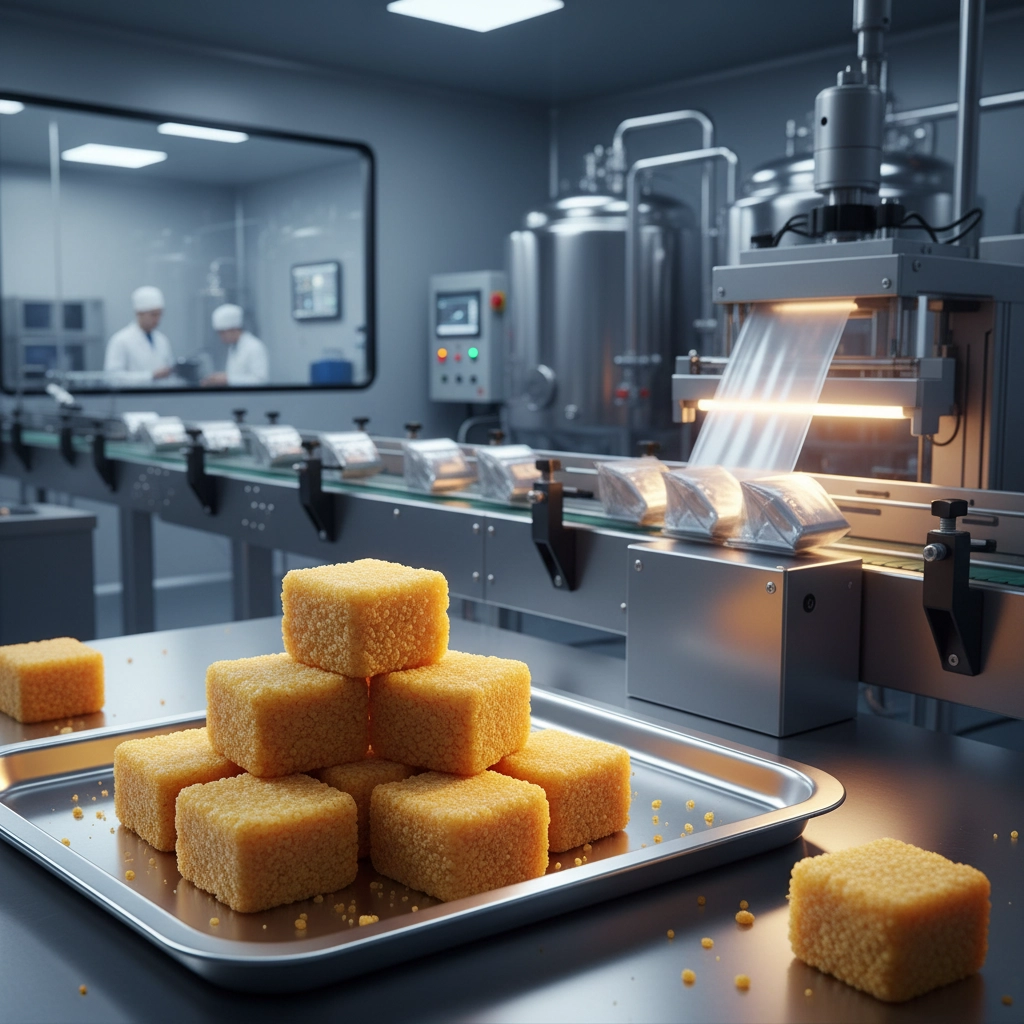
The global industrial landscape is increasingly reliant on high-performance chemical additives to ensure product stability and efficiency. Among these, the strategic application of specific phosphorus-based compounds has revolutionized how we approach food preservation and structural integrity in baking. Understanding the precise role of these agents is essential for manufacturers aiming to optimize texture and shelf-life in competitive markets.
In the modern manufacturing sector, the demand for consistency in leavening and water retention has led to the widespread adoption of specialized additives. These components not only enhance the physical properties of the end product but also ensure that regulatory standards for food safety and quality are strictly maintained. The ability to control acidity and buffering effects is a cornerstone of advanced food science.
When considering the versatility of chemical agents, the integration of choline chloride 90 provides an interesting parallel in the world of additives, although our primary focus today is on the technical prowess of Sodium Acid Pyrophosphate. By mastering the balance of chelating and binding properties, producers can achieve superior results in both meat processing and pastry production.
Technical Properties of Sodium Acid Pyrophosphate
Sodium Acid Pyrophosphate is defined by its exceptional ability to act as a chelating and binding agent. With a minimum content of 95% and a recorded result of 96.6%, this compound ensures a high level of purity for industrial applications. Its swelling properties are particularly valuable in creating the desired volume in food products, while its buffering effects help maintain a stable pH environment.
The chemical structure allows it to function effectively across various temperatures, making it an indispensable tool for food manufacturers. By utilizing its inherent acidity, it can be seamlessly combined with other phosphates to tailor the specific functional requirements of a recipe, ensuring that the final product meets strict quality benchmarks.
The Role of Buffering and Chelating Agents
Buffering agents are critical in food chemistry to prevent drastic changes in pH, which could otherwise lead to spoilage or undesirable texture. Sodium Acid Pyrophosphate provides a stable pH range of 4 to 4.6, ensuring that the chemical environment remains conducive to the preservation of the product's organoleptic properties.
Chelating properties allow the additive to bind with metal ions, which prevents the oxidation of fats and the degradation of colors. This process is essential for maintaining the visual appeal of processed foods and extending their shelf life without compromising the nutritional profile of the ingredients.
When implemented alongside other functional additives like choline chloride 90 in broader manufacturing contexts, these chemical processes ensure that the final output is both stable and safe for consumer consumption across global supply chains.
Applications in Meat Processing and Water Retention
In the meat industry, water retention is a key factor in determining the juiciness and weight of the final product. Sodium Acid Pyrophosphate acts as an efficient water-retaining agent, reducing drip loss during thawing and cooking, which directly impacts the economic value and quality of the meat.
The synergy between the acidity of the pyrophosphate and the protein structure of the meat allows for better moisture binding. While other additives like choline chloride 90 serve different nutritional roles, the structural role of phosphates is unmatched in meat processing.
By optimizing the concentration of these agents, manufacturers can produce hams, sausages, and other processed meats that maintain a consistent texture. This prevents the meat from becoming dry and ensures a premium mouthfeel that consumers expect from high-grade commercial products.
Leavening Dynamics in Baked Goods
The use of Sodium Acid Pyrophosphate as a leavening agent is vital for the production of high-quality bread and pastries. Unlike fast-acting agents, it produces carbon dioxide over a longer period, which is specifically beneficial for baked goods with low moisture content that require a steady rise.
This slow-release mechanism ensures that the crumb structure is uniform and that the pastries maintain their shape during the baking process. The controlled release of gas prevents the collapse of the dough, resulting in a light and airy texture that is essential for premium confectionery.
Effectiveness Rating of Leavening Methods
Quality Standards and Purity Analysis
Maintaining strict purity levels is non-negotiable in food additive manufacturing. Our Sodium Acid Pyrophosphate adheres to rigorous specifications, with a P2O5 content ranging from 63% to 64.5% and a water-insoluble limit of 0.5% maximum, ensuring that the product dissolves completely and performs consistently.
Furthermore, the control of heavy metals is a primary safety priority. With Fluorine (F) limited to 20 mg/kg, Arsenic (As) to 3 mg/kg, and Lead (Pb) to 2 mg/kg, the product meets international safety standards, paralleling the purity requirements seen in other high-grade chemicals like choline chloride 90.
Global Industry Demand and Integration
The global demand for versatile phosphates is driven by the expansion of the processed food sector in emerging economies. As consumers move toward convenience foods, the need for stabilizers and leavening agents that can withstand long-distance transport and varied storage conditions becomes paramount.
Integration into automated production lines requires additives with specific physical properties. The bulk density of our product (minimum 0.7 g/cm3) is optimized for easy dosing and mixing, reducing waste and improving the precision of large-scale industrial batches.
By adopting these standardized additives, manufacturers can scale their operations globally while maintaining a consistent taste and quality profile, regardless of the local raw material variations in different geographic regions.
Comparative Analysis of Additive Performance
When comparing different phosphate salts, Sodium Acid Pyrophosphate stands out for its specific pH value and long-term gas release. This makes it superior to fast-acting carbonates in applications where the dough needs to remain stable before entering the oven.
The efficiency of these additives is often measured by their impact on the final product's ROR (Rate of Rise), which for this product is typically between 26.0% and 30.0%. This level of predictability allows bakers to time their production cycles with extreme accuracy.
Ultimately, the choice of additive depends on the desired outcome—whether it is the moisture retention of a premium ham or the height of a sponge cake. Understanding these parameters allows for the scientific optimization of food formulas.
Performance Analysis of Sodium Acid Pyrophosphate Across Applications
| Application Area |
Key Metric |
Efficiency Score (1-10) |
Primary Benefit |
| Bread Baking |
CO2 Release |
9.5 |
Sustained Rise |
| Processed Meat |
Water Binding |
8.8 |
Reduced Drip Loss |
| Pastry Arts |
pH Stability |
9.0 |
Consistent Texture |
| Dairy Stabilizing |
Chelation |
7.5 |
Oxidation Control |
| Cake Mixes |
Bulk Density |
8.2 |
Easy Dispersion |
| Industrial Snacks |
Purity Level |
9.8 |
Safety Compliance |
FAQS
Unlike baking soda, which reacts immediately upon contact with moisture and acid, Sodium Acid Pyrophosphate provides a slower, more sustained release of carbon dioxide. This makes it ideal for low-moisture baked goods that need to maintain their structure over a longer period during the baking process.
It acts as a powerful water-retaining agent by altering the binding capacity of meat proteins. This reduces the loss of moisture during cooking and freezing, resulting in a juicier product and improved yield for the manufacturer.
Yes, when used within regulated limits. Our product follows strict purity guidelines, keeping heavy metals like lead and arsenic well below the maximum allowed thresholds, ensuring it is safe for food-grade applications globally.
Absolutely. Due to its acidity and buffering effects, it is often blended with other phosphates to achieve a specific pH level or to balance the speed of leavening in complex bakery formulations.
A consistent bulk density (minimum 0.7 g/cm3) ensures that automated feeding systems dispense the exact amount of additive required. This prevents batch variance and ensures that every product has the same texture and rise.
They serve entirely different purposes. While Sodium Acid Pyrophosphate is a functional additive for texture, leavening, and water retention in food, choline chloride 90 is typically used for nutritional fortification and as a metabolic precursor in feed and food supplements.
Conclusion
Sodium Acid Pyrophosphate represents a critical intersection of chemical precision and culinary art. From its role as a sustained leavening agent in the bakery to its capacity for moisture retention in meat processing, its multi-functional properties—chelating, binding, and buffering—ensure a high standard of product consistency. By adhering to strict purity specifications and providing predictable performance metrics, it allows industrial manufacturers to scale their output without compromising quality.
As the food industry moves toward more automated and globally standardized production, the reliance on high-purity additives will only grow. We recommend that manufacturers carefully analyze their pH and ROR requirements to fully leverage the benefits of this compound. For those seeking high-performance ingredients and specialized additives, we invite you to explore our full range of solutions. Visit our website: www.chinaseasoning.com