The global food industry relies heavily on the ability to enhance flavor profiles while maintaining strict quality standards, making the discussion around whether monosodium glutamate safe is central to modern culinary science. As a premier seasoning, Monosodium Glutamate (MSG) functions primarily to intensify the savory "umami" taste, providing a balance that elevates the palatability of everything from traditional soups to complex industrial sauces. Understanding the technical purity and manufacturing standards of this additive is essential for food producers aiming for consistent taste and consumer trust.
From a global manufacturing perspective, the shift toward precision fermentation and high-purity grain raw materials has redefined the industry's approach to flavor enhancement. By adhering to rigorous purity indices and trace element controls, manufacturers ensure that the product remains stable and compatible with diverse food matrices. This commitment to technical excellence ensures that the application of MSG in processed meats, instant foods, and commercial kitchens meets the highest international food safety benchmarks.
For procurement managers and food scientists, confirming that their supply of monosodium glutamate safe is sourced from ISO-certified facilities is a critical step in risk mitigation. By focusing on high assay purity and minimal heavy metal content, the industry can continue to leverage the powerful umami-boosting properties of sodium glutamate while ensuring total compliance with global regulatory frameworks.
Technical Purity and the Standard of Monosodium Glutamate Safe
The primary benchmark for determining if a batch of MSG is industrially viable is its assay purity. A high-quality food-grade product must guarantee a minimum of 99% pure sodium glutamate monohydrate. This level of purity ensures that the seasoning performs consistently across different temperatures and food bases, preventing any off-flavors that could arise from impurities.
Furthermore, the standard for a monosodium glutamate safe product extends to its optical transmittance. With a requirement of 98% transmittance, the crystalline structure remains clear and uniform, which is essential for products that are integrated into clear soups or transparent sauces where visual purity is as important as taste.
Chemical Properties and Specification Compliance
Strict adherence to chemical specifications is what separates industrial-grade additives from premium food-grade seasonings. Key indices such as chloride (maximum 0.1%) and sulfate (maximum 0.005%) are kept at extremely low levels to prevent any chemical interference with the natural flavors of the raw ingredients in a recipe.
Trace element control is perhaps the most critical safety parameter. By limiting iron content to a maximum of 5ppm and total heavy metals to 10ppm, manufacturers ensure the product is suitable for long-term consumption in a wide variety of global markets. This stringent control prevents oxidation and ensures the longevity of the food products in which the MSG is used.
The pH balance of the product, typically ranging from 6.7 to 7.5, provides a neutral environment that ensures compatibility with diverse food matrices. Whether added to acidic tomato-based sauces or alkaline processed meats, the stable pH prevents unwanted chemical reactions, maintaining the integrity of the final culinary product.
The Role of Precision Fermentation in Quality Control
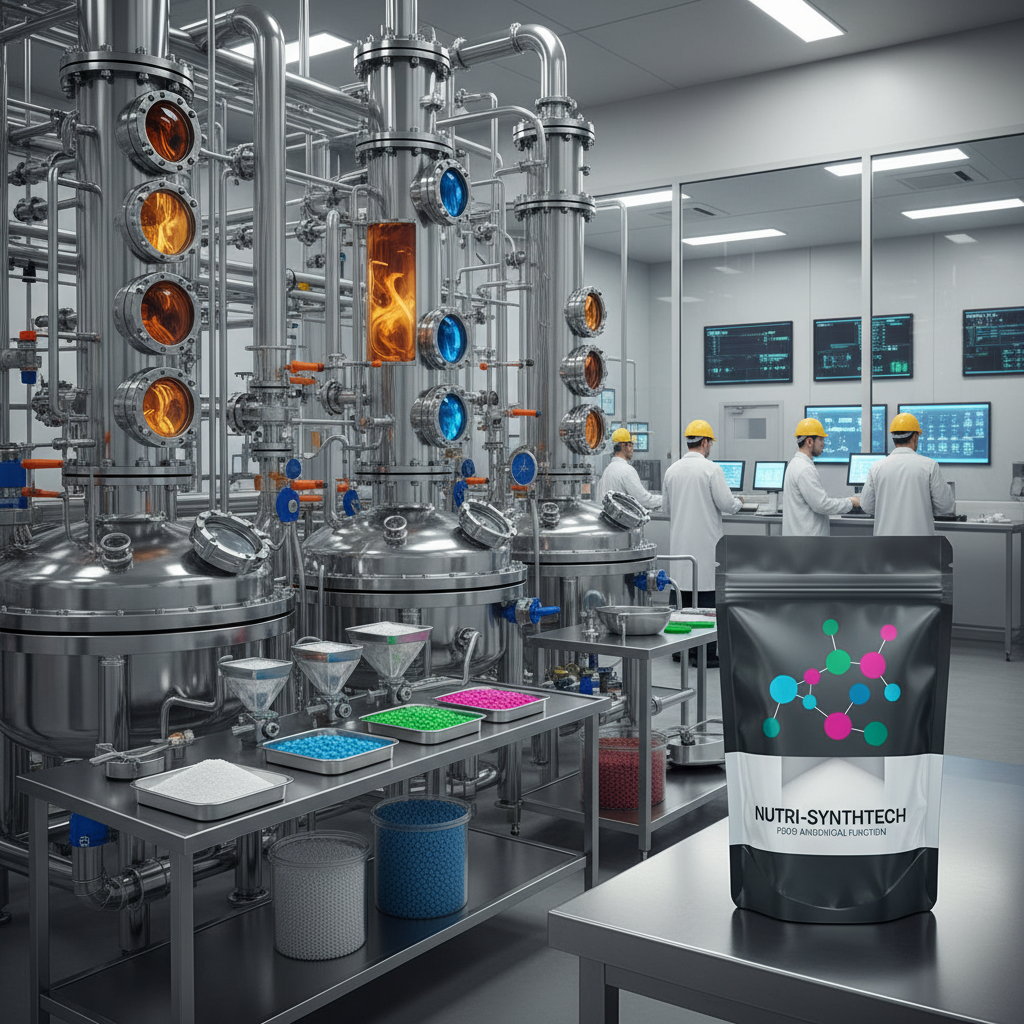
Modern production of sodium glutamate has evolved from simple chemical synthesis to precision fermentation using high-purity grain raw materials. This biological process allows for a more natural derivation of the L-glutamic acid salt, ensuring that the resulting monosodium glutamate safe for consumption is free from harsh synthetic residues.
The precision fermentation process is monitored in real-time to ensure that the molecular weight remains exactly 187.13 and the formula C5 H8 NO4 Na H2O is consistent. This scientific approach guarantees that every crystalline grain provides the same intensity of umami, allowing food manufacturers to standardize their recipes across different production batches.
By utilizing ISO9001:2000 certified processes, the manufacturing chain can trace every batch back to its grain origin. This level of transparency is what confirms the product is monosodium glutamate safe, as it eliminates the risk of cross-contamination and ensures that only the highest purity crystals reach the end consumer.
Industrial Applications and Flavor Optimization
In the realm of seasoning and condiment manufacturing, MSG serves as the fundamental umami building block. It is indispensable for the production of chicken powders, compound seasonings, and spice mixes, where it works synergistically with other ingredients to create a deep, savory profile that is difficult to achieve with salt alone.
Beyond dry seasonings, the additive is widely integrated into canned goods and ready-to-eat meals. Because it optimizes palatability effortlessly, it is used to enhance the natural savory notes of processed meats and instant soups, ensuring that the flavor remains robust even after the intense heat of sterilization or canning processes.
Comparative Efficiency of Monosodium Glutamate Safe Methods
Global Supply Chain and Certification Standards
The global distribution of MSG requires a robust logistical framework to ensure product stability. Shipping from major hubs like Qingdao, China, requires adherence to strict HS Code 21039010 regulations and packaging that prevents moisture absorption. Packaging options ranging from 50g to 25kg bags allow for versatility, serving both small-scale catering and massive industrial food processing plants.
Certification is the bridge between production and trust. By maintaining ISO9001:2000 standards, manufacturers can guarantee a supply capacity of up to 500 Metric Tons per month without compromising the purity indices. This scalability ensures that global food brands can maintain their production schedules while knowing their monosodium glutamate safe source is reliable.
Long-term Value in Commercial Food Processing
The long-term value of utilizing a high-purity flavor enhancer lies in the reduction of overall ingredient costs. Because MSG is so potent in its ability to boost umami, manufacturers can often reduce the amount of more expensive savory ingredients while achieving a superior taste profile. This efficiency directly impacts the bottom line of large-scale food production.
From a brand equity perspective, consistency is everything. Using a product with a guaranteed 99% minimum content ensures that a snack or sauce tastes the same in New York as it does in Tokyo. This reliability builds consumer trust and brand loyalty, as the sensory experience remains unwavering regardless of the batch.
Moreover, the psychological impact of using certified, safe additives cannot be overstated. In an era of "clean label" trends, providing transparent technical specifications—such as the strict 10ppm heavy metal threshold—allows companies to confidently communicate the safety and quality of their products to health-conscious consumers.
Future Trends in Umami Enhancement Technology
The future of flavor enhancement is moving toward "smart" integration, where additives are designed to release flavors at specific intervals during consumption. Research into the crystalline structure of sodium glutamate is ongoing to create versions that offer even greater stability in extreme pH environments, expanding its use into more innovative pharmaceutical intermediates and specialized food matrices.
Sustainability is also becoming a core driver. The shift toward using non-GMO grain raw materials for fermentation is gaining momentum. This evolution ensures that the production of monosodium glutamate safe for the future is not only chemically pure but also environmentally responsible, aligning with global ESG (Environmental, Social, and Governance) goals.
Automation in quality control, such as the use of AI-driven spectrometry to monitor purity in real-time, is reducing the margin of error in production. This digital transformation ensures that every gram of MSG produced meets the 99% purity threshold, further cementing the reliability of the supply chain for international export.
Technical Analysis of Monosodium Glutamate Safe Specifications
| Specification Dimension |
Technical Requirement |
Industrial Impact |
Safety Compliance |
| Assay Purity |
99% Minimum |
Consistent Umami Intensity |
High (Food Grade) |
| Heavy Metals |
10ppm Max |
Prevents Toxicity Risk |
Strict Compliance |
| Iron (Fe) Content |
5ppm Max |
Avoids Product Oxidation |
Standard Met |
| pH Value |
6.7 - 7.5 |
Matrix Compatibility |
Stable |
| Optical Transmittance |
98% Minimum |
Visual Clarity in Liquids |
Pure Crystal |
| Chloride Content |
0.1% Max |
Prevents Salty Overload |
Compliant |
FAQS
A batch is considered safe and high-quality when it meets a 99% minimum assay purity and adheres to strict trace element limits, specifically keeping heavy metals under 10ppm and iron under 5ppm. Additionally, an optical transmittance of 98% and a neutral pH range of 6.7 to 7.5 ensure that the additive is compatible with various food matrices without causing unwanted chemical reactions or flavor alterations.
Precision fermentation utilizes high-purity grain raw materials and controlled biological processes to derive L-glutamic acid. This method is far superior to older chemical syntheses as it allows for tighter control over the molecular weight (187.13) and minimizes the presence of by-products. This results in a more consistent, food-grade crystalline product that meets ISO9001:2000 certification standards.
Yes, due to its stable pH (6.7-7.5) and high solubility, it is suitable for a vast array of applications. This includes seasoning and condiment manufacturing (chicken powders, spice mixes), canned goods (processed meats, ready-to-eat meals), and commercial catering. Its ability to enhance natural savory notes makes it a versatile tool across the entire international food processing sector.
When sourcing in bulk, it is critical to verify that the factory origin is ISO9001:2000 certified. This ensures that the production process is standardized and that the product meets consistent purity indices. Additionally, checking for a clear HS Code (such as 21039010) and documented heavy metal thresholds (max 10ppm) provides the necessary assurance for international customs and food safety compliance.
MSG is hygroscopic, meaning it can absorb moisture from the air, which leads to clumping and reduced stability. Proper packaging, ranging from 50g bags for retail to 25kg bags for industrial use, is designed to create a moisture barrier. This ensures that the crystalline sodium glutamate maintains its uniform mixing and exceptional stability from the export port in China to the final production line.
Food-grade MSG, such as the product described here, is subject to much stricter purity requirements. While industrial grades may have higher tolerances for impurities, food-grade MSG must have an assay of 99% min, very low chloride (0.1% max) and sulfate (0.005% max), and stringent heavy metal controls. These specifications are mandatory to ensure the additive is safe for human consumption and does not alter the intended taste of the food.
Conclusion
In summary, the effectiveness of monosodium glutamate safe applications depends entirely on the technical precision of its manufacture. By prioritizing a 99% assay purity, strict trace element control, and the use of precision fermentation, manufacturers can provide a seasoning that not only optimizes palatability but also adheres to the highest global safety standards. From the stability of its pH to the clarity of its crystals, every specification plays a role in the final quality of the food product.
As the food industry evolves toward greater transparency and sustainability, the reliance on certified, high-purity additives will only grow. For businesses looking to scale their production while maintaining an uncompromising flavor profile, sourcing from ISO-certified factories is the only viable path. We invite you to secure your supply of premium, food-grade MSG today to ensure your products stand out in a competitive global market. Visit our website: www.standard-seasoning.com