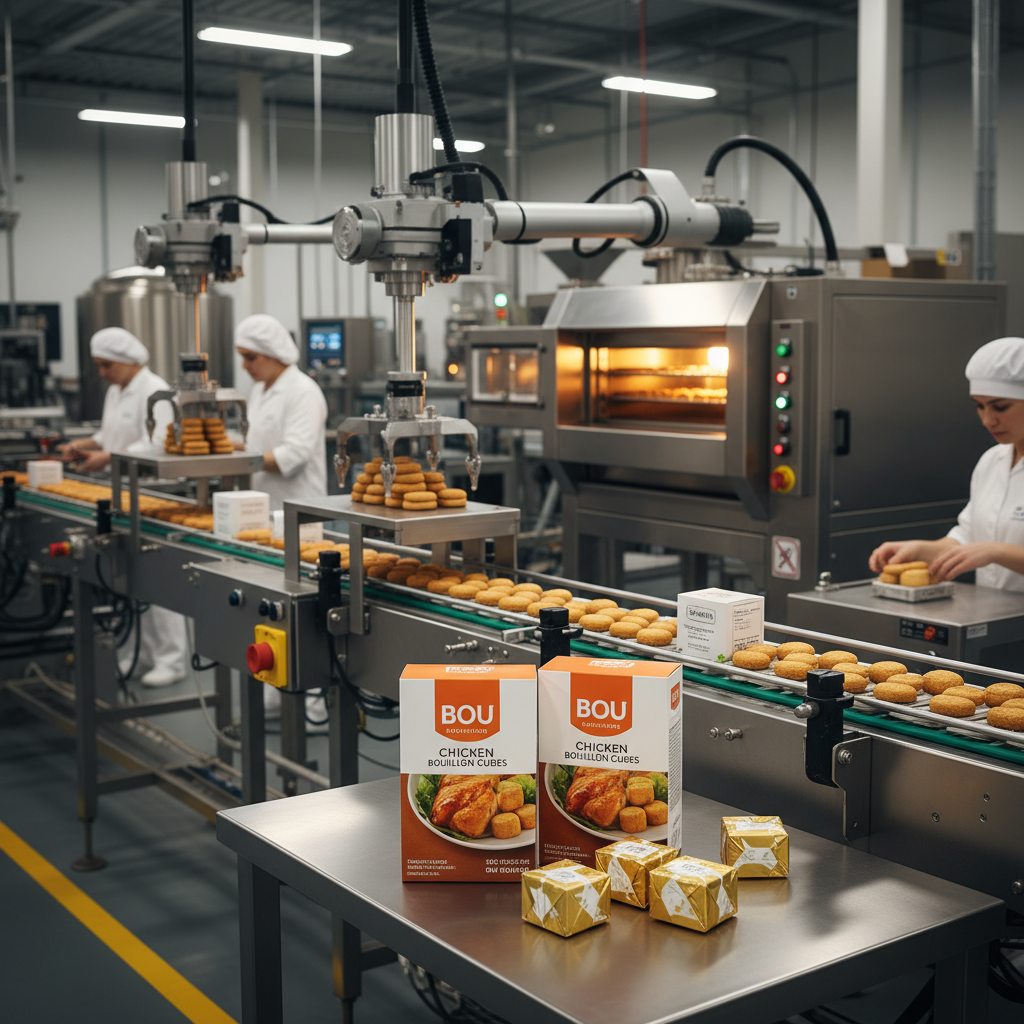
The global food industry is constantly evolving to meet the demand for more savory and satisfying flavor profiles. Central to this evolution is the use of an msg based seasoning, which serves as a powerful tool for chefs and commercial manufacturers to enhance the natural taste of ingredients. By bridging the gap between basic saltiness and complex savory depths, these additives have become indispensable in the modern culinary landscape.
From a technical perspective, the efficiency of a high-purity glutamate additive allows for a significant reduction in the volume of seasonings needed to achieve a desired taste. This not only streamlines the production process for large-scale food factories but also ensures a consistent quality that consumers expect. The versatility of such flavor enhancers makes them suitable for a wide array of products, from instant soups to sophisticated meat alternatives.
Understanding the science behind an msg based seasoning is crucial for businesses aiming to balance health trends with taste. With the rise of sodium-reduction initiatives, the strategic application of Monosodium Glutamate (MSG) allows manufacturers to maintain robust umami profiles while lowering overall salt content. This intersection of taste science and nutritional optimization is what drives the continued growth of the food additive sector.
The Production Process of msg based seasoning
The creation of a high-quality msg based seasoning begins with the fermentation of natural carbohydrates. Utilizing renewable sources such as corn, sugar cane, or tapioca, manufacturers employ specialized microorganisms to convert sugars into L-glutamic acid. This biological process ensures that the resulting additive remains rooted in natural precursors, making it an accessible choice for various dietary certifications.
Following fermentation, the solution undergoes a rigorous crystallization process to produce a pure, crystalline powder. As a professional manufacturer, we emphasize strict quality control during this phase to ensure that the sodium glutamate powder possesses a mesh size (such as 30 Mesh) and solubility level that meet industrial standards. This precision ensures that the seasoning dissolves rapidly in liquid preparations without leaving residue.
Functional Benefits of Umami Enhancement
Umami, often described as the "fifth taste," is the savory essence that provides depth and richness to a dish. An msg based seasoning works by triggering specific glutamate receptors on the tongue, which signals the brain to perceive a more intense, savory flavor. This is particularly effective in products where the natural savory elements are diluted during processing.
In commercial food manufacturing, the use of MSG allows for the intensification of flavors in soups, sauces, gravies, and packaged snacks. By accentuating the existing flavor profile of the ingredients, it creates a more cohesive and satisfying taste experience for the consumer. This functional benefit is key for brands looking to increase the "craveability" of their products without relying on excessive artificial flavorings.
Furthermore, the synergy between glutamate and other flavor components, such as nucleotides, can multiply the perceived intensity of the taste. This allows food scientists to create complex flavor profiles in meat-free products or plant-based alternatives, bridging the sensory gap between traditional animal proteins and modern sustainable options.
Strategic Sodium Reduction in Food Industry
One of the most significant advantages of utilizing an msg based seasoning is its role in sodium reduction. Because MSG contains significantly less sodium than traditional table salt (sodium chloride), it can be used to maintain a high level of flavor while reducing the overall sodium content of the final product.
By replacing a portion of salt with an msg based seasoning, manufacturers can satisfy the consumer's desire for robust taste while adhering to health guidelines. This approach is particularly vital in the development of heart-healthy product lines where salt restriction is mandatory but taste cannot be compromised.
This strategic substitution not only improves the nutritional profile of the food but also enhances the perceived quality. When sodium is reduced through the use of glutamate, the resulting flavor is often more balanced and less "sharp" than that produced by salt alone, leading to a more sophisticated culinary outcome.
Quality Specifications and Purity Standards
For industrial applications, the purity of an msg based seasoning is non-negotiable. High-grade Monosodium Glutamate is defined by a content level of 99% and a high transmittance of 98%, ensuring that the additive does not alter the color or clarity of the food product. Strict limits on chloride (0.1%) and sulfate (0.05%) prevent off-tastes that could compromise the flavor profile.
Maintaining a stable pH range of 6.7 to 7.5 is critical for ensuring the stability of the seasoning when integrated into diverse chemical environments, such as acidic sauces or alkaline doughs. Additionally, controlling heavy metal content to within 10ppm ensures that the product meets the stringent safety requirements of global food regulators.
Comparative Performance of msg based seasoning Variants
Global Culinary Applications and Versatility
The application of an msg based seasoning spans across nearly every global culinary tradition. In East Asian cuisines, it is a cornerstone for achieving the authentic savory taste in stir-fries and ramen broths. However, its utility extends far beyond regional borders, finding a home in Latin American snacks and European processed meats where a deep, savory undercurrent is required.
Versatility is further demonstrated through specialized product lines, including certified Halal and Vegetarian options. This allows food manufacturers to cater to diverse demographic and religious needs without sacrificing the taste quality that drives consumer loyalty. Whether used as a standalone spice or as part of a complex blend, MSG remains a flexible tool for flavor engineering.
Safety Compliance and International Guidelines
Safety is a paramount concern for any msg based seasoning. Scientific evaluations from global health organizations have consistently confirmed that the consumption of Monosodium Glutamate is safe when used within established guidelines. Its chemical structure is identical to the glutamates found naturally in tomatoes, parmesan cheese, and mushrooms, making it a familiar substance to the human digestive system.
As a leading factory, we adhere to international food safety standards to ensure that every batch is free from contaminants. By monitoring iron levels (5ppm) and maintaining strict heavy metal thresholds, we provide a product that complies with the rigorous import requirements of the US, EU, and other major markets.
Transparency in labeling and adherence to GRAS (Generally Recognized as Safe) status allow our clients to use MSG with confidence. By providing detailed Certificates of Analysis (CoA) with every shipment, we empower manufacturers to maintain their own safety records and consumer trust.
Supply Chain Optimization for Bulk Sourcing
For large-scale enterprises, the ability to buy an msg based seasoning directly from a trusted China source offers significant price advantages and supply chain stability. By eliminating unnecessary intermediaries, businesses can reduce their procurement costs while ensuring they receive the freshest crystalline powder straight from the production line.
Our production capacity is designed to handle bulk exports, ensuring a steady availability of L-Glutamic Acid Monosodium Glutamate regardless of market fluctuations. With optimized logistics and export services, we provide a seamless transition from the factory floor to the client's warehouse, minimizing lead times and reducing the risk of supply chain disruptions.
Ultimately, partnering with an established supplier allows for the customization of specifications, such as mesh size and packaging, to fit specific industrial needs. This level of cooperation ensures that the additive integrates perfectly into the client's existing manufacturing workflow, maximizing efficiency and product consistency.
Analysis of msg based seasoning Quality and Market Metrics
| Parameter |
Industrial Standard |
Impact on Taste |
Safety Rating |
| Purity Content |
99% Min |
High Umami Clarity |
10/10 |
| Transmittance |
98% |
No Color Alteration |
9/10 |
| Chloride Level |
0.1% Max |
Low Bitterness |
10/10 |
| Heavy Metals |
10ppm Max |
Neutral Profile |
10/10 |
| pH Value |
6.7 - 7.5 |
Stable Interaction |
9/10 |
| Solubility |
Fast Dissolving |
Even Flavor Distribution |
10/10 |
FAQS
Unlike regular salt, which provides a sharp salty taste, an msg based seasoning targets the umami receptors. This creates a savory, "meaty" depth. Additionally, MSG contains significantly less sodium per gram than table salt, allowing manufacturers to enhance flavor while reducing overall sodium levels in their recipes.
The 30 Mesh size is a highly versatile standard that balances solubility and stability. It is ideal for most powdered blends, dry seasonings, and liquid preparations. However, for extremely fine aerosolized seasonings, a finer mesh might be required, while larger crystals are preferred for certain table-top applications.
Fermentation using natural sources like corn or sugar cane ensures that the L-glutamic acid is produced biologically, mirroring the glutamates found in nature. This process, combined with rigorous crystallization, results in a high-purity product (99%) that is stable, safe, and highly effective in accentuating natural flavors.
Yes, since our production process utilizes plant-based fermentation sources (such as corn or tapioca) and contains no animal derivatives, our monosodium glutamate is suitable for both Halal and Vegetarian product lines, provided the rest of the formulation also complies with these standards.
When sourcing bulk, prioritize suppliers who provide a clear Certificate of Analysis (CoA) detailing purity (99%+), heavy metal limits, and pH levels. Ensure the factory has a proven track record of export services and can provide steady availability to prevent production downtime in your facility.
MSG provides the same savory intensity as salt but with only about one-third of the sodium. By substituting a percentage of sodium chloride with an msg based seasoning, food scientists can maintain the perceived saltiness and flavor intensity while lowering the total sodium count on the nutritional label.
Conclusion
In summary, the integration of an msg based seasoning into commercial food production offers a powerful combination of flavor enhancement and nutritional optimization. From its natural fermentation origins to its role in strategic sodium reduction, high-purity Monosodium Glutamate provides a scientific approach to achieving the perfect savory balance. By adhering to strict purity standards and global safety guidelines, it remains a trusted tool for the international food industry.
Looking forward, the demand for clean-label and high-efficiency additives will continue to grow. Businesses that prioritize sourcing high-purity, certified additives will be best positioned to meet consumer expectations for taste and health. We invite you to explore our premium offerings and optimize your flavor profiles. Visit our website: www.standard-seasoning.com