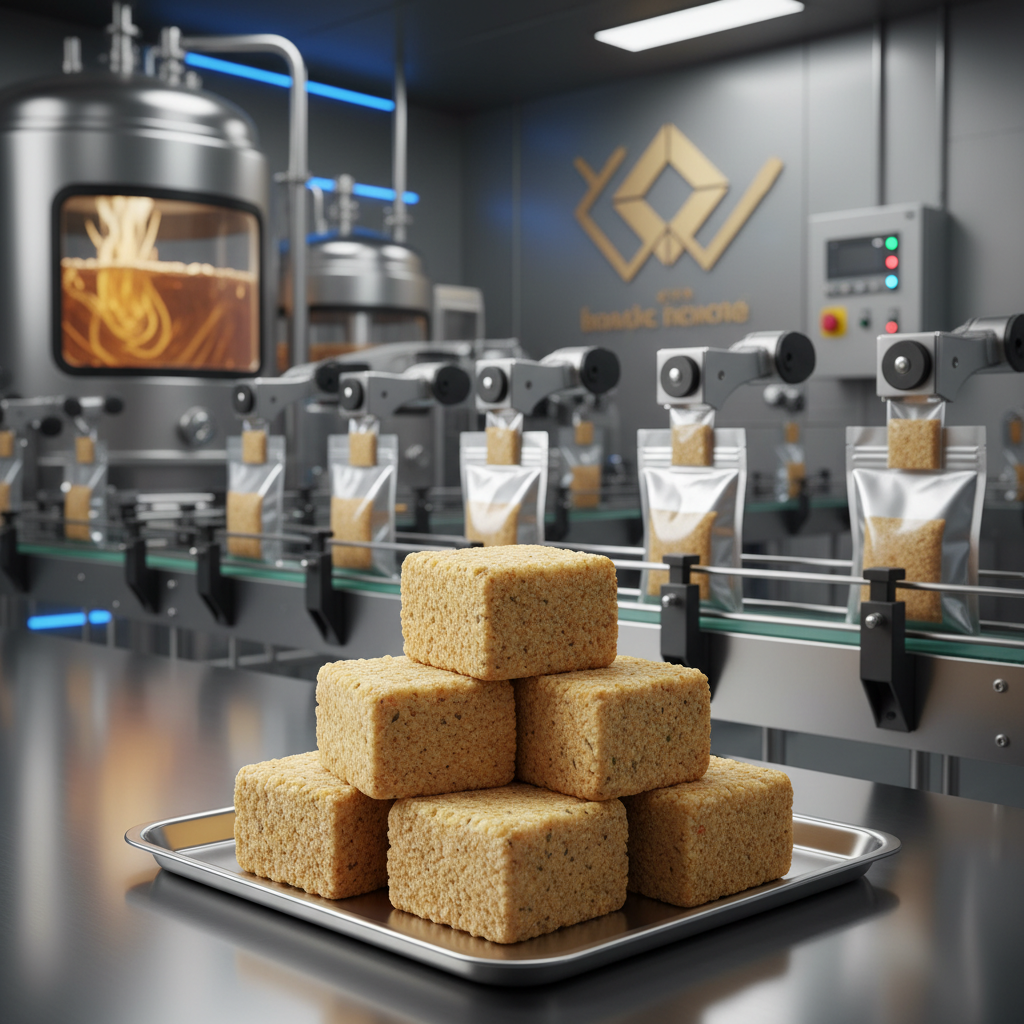
The global food industry relies heavily on a precise blend of ingredients to maintain consistency, flavor, and shelf-life across diverse markets. Understanding the role of various flavor enhancers and stabilizers is crucial for manufacturers who aim to balance cost-efficiency with taste profiles that appeal to a broad consumer base.
From the industrial production of bouillon powders to complex processed snacks, the application of specialized ingredients allows for the replication of authentic tastes at a commercial scale. These components ensure that a product tastes the same whether it is consumed in Asia, Europe, or the Americas, bridging the gap between artisanal quality and mass productivity.
For professionals seeking high-performance solutions, exploring synthetic food additives examples provides a technical foundation for optimizing product formulation, enhancing umami depth, and ensuring regulatory compliance across international borders.
Global Relevance of Flavor Enhancers
In the contemporary food manufacturing landscape, the demand for consistent, high-quality taste profiles has led to the widespread adoption of standardized seasoning powders. Global supply chains require ingredients that can withstand transportation and storage while maintaining their organoleptic properties, making professional-grade additives indispensable.
The integration of fermentation-derived compounds and refined flavor enhancers allows manufacturers to achieve a "savory depth" that is otherwise difficult to maintain in large-scale production. This ensures that products like chicken seasoning powder meet the strict ISO and HACCP standards required for international trade.
Defining Synthetic Flavor Components
Synthetic flavor components are chemically formulated substances designed to mimic the taste, aroma, and mouthfeel of natural ingredients. In the context of chicken bouillon powder, this involves the use of flavor enhancers like MSG (Monosodium Glutamate) and carefully balanced salts to replicate the complex umami profile of slow-simmered chicken stock.
These components are essential for modern humanitarian and industrial needs, providing an affordable way to fortify the taste of basic food staples. By using scientific fermentation and crystallization techniques, manufacturers can create a uniform powder that dissolves instantly, ensuring precise dosing in both commercial kitchens and home environments.
The purpose is not to replace natural ingredients entirely but to complement them. For instance, combining natural chicken extract with synthetic enhancers allows for a product that is stable, cost-effective, and consistently delicious across millions of units of production.
Core Components of Chicken Seasoning
The efficacy of a premium seasoning powder depends on the synergy between its core ingredients. High-quality chicken seasoning incorporates a blend of salt, palm oil, and vegetable fats to provide a rich texture, while specific flavor enhancers are used as synthetic food additives examples to trigger the appetite and aid digestion.
Central to the umami experience is the role of glutamate. When these synthetic food additives examples enter the gastrointestinal system, the sodium glutamate decomposes quickly into glutamate, an amino acid that participates in metabolic activity and helps stabilize human emotions and brain function.
Furthermore, the processing method—utilizing decolorization and crystallization—ensures that the final powder is fine and uniform. This technical approach eliminates clumps and ensures that the synthetic food additives examples are evenly distributed, preventing "hot spots" of flavor in the finished dish.
Industrial Performance Metrics
For food manufacturers, the choice of a seasoning powder is based on measurable performance metrics: solubility, stability, and taste intensity. A superior product must dissolve quickly in both hot and cold liquids without leaving residue, ensuring a smooth mouthfeel in soups and gravies.
Cost-efficiency and supply ability are equally critical. With a productivity capacity of 500mt per month and certifications like ISO9001:2000, industrial-scale suppliers provide the reliability needed for global export to markets in Africa, the Middle East, and Asia.
Comparative Analysis of Seasoning Performance
Real-World Culinary Applications
In professional kitchens, the versatility of chicken bouillon powder allows chefs to create a layered flavor profile. It is extensively used in Asian-style stir-fries to provide a delicate umami backbone and in Western-style roasted meats to enhance the savory crust without overpowering the natural taste of the protein.
Beyond traditional cooking, these powders are vital for the production of custom seasoning blends. By combining the base powder with specific herbs, spices, or oils, food manufacturers can develop unique regional flavors for snacks, instant noodles, and ready-to-eat meals.
Long-Term Value and Safety
The long-term value of using scientifically formulated seasoning powders lies in their predictability and safety. Adherence to international standards such as HALAL, FDA, and HACCP ensures that the products are safe for consumption across diverse religious and regulatory landscapes.
From a logical perspective, the use of controlled sodium content allows for the creation of products that cater to health-conscious markets while retaining a full-bodied flavor. This balance of nutrition and taste is key to maintaining consumer trust in a competitive global market.
Moreover, the packaging—ranging from 50g bags to 25kg drums—is designed to prevent caking and moisture ingress. This ensures a shelf life of up to 24 months, reducing waste and providing significant logistical advantages for international distributors.
Future Trends in Seasoning Technology
The future of seasoning technology is moving toward "precision flavor," where the use of fermentation-derived umami compounds is further refined to reduce reliance on traditional salts. Automation in the crystallization process is allowing for even finer powder textures, further increasing solubility.
Sustainability is also becoming a primary driver. There is a growing trend toward sourcing sustainable palm oils and integrating more plant-based proteins into the bouillon base to meet the rising demand for vegan-friendly "chicken-style" seasonings.
Digital transformation in the supply chain, combined with stricter ISO22000 food safety management, is ensuring that the path from the China-origin factory to the end consumer is transparent and efficient.
Core Specifications and Market Analysis of Chicken Seasoning Powder
| Dimension |
Technical Parameter |
Quality Standard |
Market Application |
| Production |
500mt/month |
ISO9001:2000 |
Industrial Food Mfg |
| Packaging |
50g to 25kg options |
Moisture-proof |
Retail & Wholesale |
| Shelf Life |
24 Months |
Cool/Dry Storage |
Global Export |
| Certification |
HALAL, FDA, HACCP |
International Safety |
Middle East & USA |
| Composition |
MSG, Salt, Palm Oil |
Controlled Purity |
Savory Flavoring |
| Logistics |
Ocean, Land, Air |
Qingdao Port |
Rapid Deployment |
FAQS
The primary benefits include consistency, cost-efficiency, and convenience. Powdered seasonings provide a standardized taste profile that doesn't vary between batches, have a significantly longer shelf life (up to 24 months), and dissolve instantly, reducing preparation time in high-volume commercial kitchens.
Yes, our chicken powder is designed for global markets. It adheres to international food safety standards and holds certifications including FDA, ISO, and HACCP, ensuring it meets the regulatory requirements for entry into the USA, European, and Australian markets.
The fermentation process is used to extract and concentrate umami compounds naturally. This is followed by decolorization and crystallization, which results in a pure, uniform powder that provides a deep, savory flavor without the cloudiness or impurities found in lower-grade powders.
Absolutely. We offer a wide range of packaging options from small 100g bags for retail to 25kg drums for industrial use. Customized packaging is available to meet the specific branding and labeling requirements of your local market.
MSG acts as a flavor enhancer that triggers the savory "umami" taste. Once ingested, it decomposes into glutamate, an amino acid that helps improve the overall palatability of the dish and is recognized globally for its ability to promote appetite and digestion.
To maintain maximum freshness and prevent caking, the powder should be stored in a cool, dry place, kept away from direct sunlight and high humidity. Ensuring the packaging remains sealed until use is critical for preserving the aroma and flavor potency.
Conclusion
In summary, the strategic use of high-quality chicken seasoning powder, supported by precise fermentation and crystallization techniques, allows food manufacturers to achieve an ideal balance of authentic taste, industrial stability, and cost-effectiveness. By integrating certified additives and maintaining rigorous safety standards, producers can ensure a consistent culinary experience for consumers worldwide.
As the industry evolves toward more sustainable and precision-based flavoring, the importance of reliable, ISO-certified suppliers will only grow. We encourage culinary professionals and food manufacturers to leverage these advanced seasoning solutions to elevate their product offerings and expand their global market reach. Visit our website: www.standard-seasoning.com