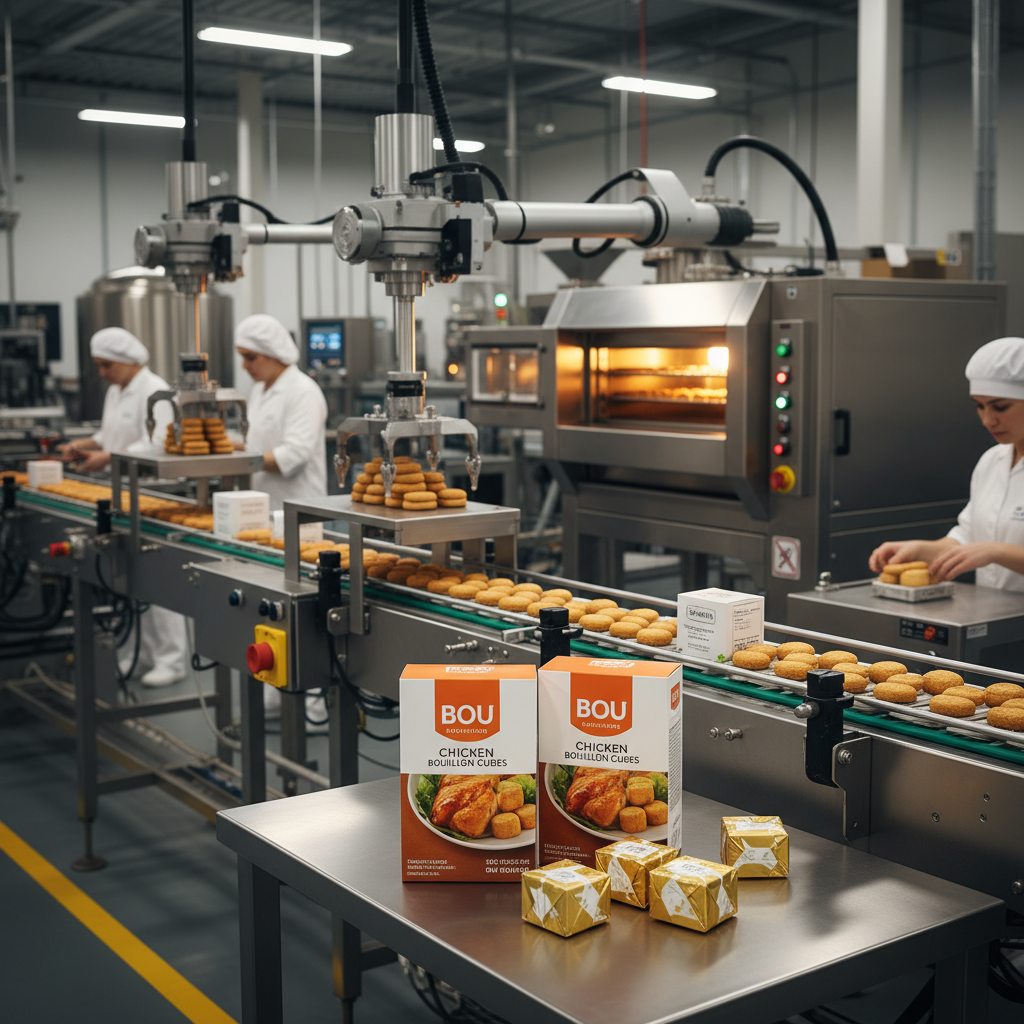
The pursuit of sensory perfection in food production often leads manufacturers to explore a wide array of additives that enhance texture, aroma, and taste. While many focus on aromatic extracts, the structural integrity and the way a product releases its flavor profile are equally critical. Understanding the chemistry of leavening agents and stabilizers provides a comprehensive view of how different examples of flavourings in food and functional additives work in tandem to create a consumer-ready product.
Globally, the food additive industry is governed by strict purity standards and regulatory frameworks to ensure consumer safety. From industrial bakeries to artisanal confectionery, the selection of a high-purity agent—such as Ammonium Bicarbonate—can significantly impact the final quality of the baked good. These substances are not merely chemical fillers but are strategic tools used by food technologists to manipulate the physical properties of dough and batter.
In the context of modern culinary science, the intersection of chemical leavening and taste perception is where innovation happens. By analyzing examples of flavourings in food alongside functional salts like Ammonium Bicarbonate, manufacturers can achieve the perfect balance of crispness and flavor. This synergy ensures that the final product is not only visually appealing but also delivers a consistent sensory experience across every batch.
The Functional Role of Ammonium Bicarbonate in Food
Ammonium bicarbonate, with its chemical formula NH4HCO3, serves as a critical leavening agent in the food industry. Its primary function is to release carbon dioxide during the heating process, which causes dough to rise and creates a light, aerated structure. This property is particularly essential for products like cookies, crackers, and biscuits, where a crisp texture is the desired outcome.
Unlike some alternatives, ammonium bicarbonate decomposes completely into ammonia, water, and carbon dioxide upon heating. When the baking process is managed correctly at appropriate temperatures, the ammonia evaporates entirely, ensuring that the final product remains free of residual tastes that could interfere with the examples of flavourings in food used in the recipe.
Purity Standards and Chemical Specifications
For food-grade additives, purity is not just a preference but a requirement for safety and consistency. Ammonium bicarbonate must meet stringent specifications to avoid contaminating the final food product. A high-quality grade typically features a minimum content of 99.2%, ensuring that the chemical reaction during baking is predictable and uniform across large-scale production batches.
Beyond the primary purity, the control of non-volatile substances and trace minerals is vital. Maximum limits for sulphate (0.007%), chloride (0.003%), and ash (0.008%) are maintained to prevent any adverse chemical interactions. Such precision prevents the introduction of metallic off-notes, allowing the natural and added examples of flavourings in food to shine without interference from impurities.
Strict limits on heavy metals, including iron (0.002% max) and lead (0.0005% max), are implemented to adhere to global food safety standards. These specifications ensure that the additive is safe for human consumption and meets the rigorous demands of pharmaceutical intermediates and high-end food processing industries.
Impact on Texture and Sensory Quality
The sensory experience of a baked good is a combination of taste, aroma, and mouthfeel. Ammonium bicarbonate plays a pivotal role in enhancing the "snap" and crispness of biscuits. By rapidly generating gas, it creates a fine, uniform pore structure that improves the overall crunch, complementing the various examples of flavourings in food used in the dough.
One of the most significant advantages of using ammonium bicarbonate is its ability to act as a stabilizer. It helps maintain dough elasticity and improves the spread of the cookie during baking. This ensures that the surface area is optimized for browning, which in turn enhances the Maillard reaction—a process that creates deep, complex notes similar to professional examples of flavourings in food.
Furthermore, its pH buffering capacity is highly valued by food technologists. By stabilizing the pH levels within the dough system, ammonium bicarbonate supports consistent product quality and extends the shelf life of the final product. This stability ensures that the intended taste profile remains intact from the factory to the consumer's table.
Industrial Baking Efficiency and Leavening
In large-scale industrial operations, efficiency is driven by the predictability of ingredients. Ammonium bicarbonate is preferred over some baking soda alternatives because its decomposition is almost total. This means that there is no residual alkaline taste left behind, which is a common problem with sodium bicarbonate if not balanced with an acid. This clean finish is essential when working with delicate examples of flavourings in food.
The molecular weight and chemical formula of ammonium bicarbonate allow for precise calculations in recipe formulation. For industrial bakeries, this means that batch-to-batch consistency is guaranteed, regardless of the production volume. This precision minimizes waste and ensures that every biscuit meets the specific textural and visual standards required by the brand.
Effectiveness of Leavening Agents in Crispness
Regulatory Compliance and Safety Protocols
Safety is the cornerstone of the food additive industry. Ammonium bicarbonate, identified by CAS 1066-33-7, is recognized as a safe and effective additive when used according to recommended guidelines. For manufacturers, ensuring that the product is sourced from certified suppliers is critical to maintaining regulatory compliance and consumer trust.
The high minimum purity of 99.2% ensures that there are no hazardous contaminants in the supply chain. By adhering to these standards, food processors can guarantee that their products are safe for consumption while still delivering the functional benefits of uniform dough rising and a crisp, professional finish.
Comparative Analysis of Leavening Agents
When compared to other leavening agents, ammonium bicarbonate stands out for its ability to produce a drier, crispier result. While baking powder is excellent for cakes and soft breads, it often leaves behind a moist crumb that is unsuitable for hard crackers. This makes ammonium bicarbonate the gold standard for the confectionery and biscuit industry.
Another point of comparison is the residue. Sodium bicarbonate requires an acidic component (like cream of tartar) to react completely; otherwise, it can leave a soapy taste. Ammonium bicarbonate, however, vanishes completely into the air during the baking process, ensuring that the subtle examples of flavourings in food are not masked by alkaline residues.
From a cost-efficiency perspective, its high potency means that smaller quantities are often required to achieve the same lift as other agents. This reduces the overall cost of ingredients in large-scale production without compromising the quality or the sensory profile of the final product.
Storage and Handling for Industrial Stability
Proper storage of ammonium bicarbonate is essential to prevent degradation. As a carbonate, it is highly reactive with acids. If stored near acidic chemicals, it will react to produce carbon dioxide, causing the product to deteriorate and lose its leavening efficacy. Therefore, it must be kept in sealed containers in a cool, dry, and well-ventilated warehouse.
Moreover, it is an ammonium salt and must not be stored with strong alkalis such as sodium hydroxide (NaOH) or calcium hydroxide (Ca(OH)2). Exposure to moisture, rain, or direct sunlight during transportation can lead to clumping or chemical breakdown, which would negatively affect the consistency of the dough and the effectiveness of examples of flavourings in food.
In the event of a fire, appropriate extinguishing agents like water spray, dry powder, or carbon dioxide foam should be used. Strict prohibition of mixed loading with oxidants or edible chemicals ensures that the additive remains pure and safe for its intended application in food manufacturing.
Industrial Specifications and Stability Analysis of Ammonium Bicarbonate
| Parameter |
Specification Limit |
Impact on Quality |
Risk Level |
| Purity (Content) |
99.2% Min |
Ensures uniform rising |
Low |
| Chloride |
0.003% Max |
Prevents salty off-tastes |
Medium |
| Sulphate |
0.007% Max |
Maintains chemical stability |
Low |
| Lead (Pb) |
0.0005% Max |
Ensures toxicological safety |
Critical |
| Ash Content |
0.008% Max |
Reduces inorganic residue |
Low |
| Iron (Fe) |
0.002% Max |
Prevents discoloration |
Medium |
FAQS
Yes, ammonium bicarbonate is safe for consumption when used in baked goods. Because it decomposes completely into carbon dioxide, water, and ammonia during the heating process, the ammonia evaporates entirely if the product is baked at the correct temperature, leaving no harmful residues in the final food product.
Unlike baking soda (sodium bicarbonate), which requires an acid to react and can leave a soapy residue, ammonium bicarbonate decomposes solely through heat. This makes it ideal for creating a crispier texture in cookies and crackers without altering the taste profile of other flavorings.
Ammonium bicarbonate is a carbonate; when it comes into contact with acids, it reacts immediately to produce carbon dioxide gas. This reaction causes the material to decompose prematurely, reducing its leavening power and ruining its effectiveness in industrial food production.
It is most effective in "dry" baked goods like biscuits, crackers, and cookies. In moist cakes or breads, the ammonia gas may not escape as easily, which could leave an unpleasant smell or taste. For those applications, traditional baking powders are usually preferred.
High-quality food-grade ammonium bicarbonate should have a minimum purity of 99.2%. This ensures that the additive performs consistently and is free from heavy metal contaminants, adhering to global food safety and regulatory standards.
Due to its pH buffering capacity and the way it creates a low-moisture, crisp structure, ammonium bicarbonate can help maintain the stability of the final product, potentially extending its shelf life by reducing moisture-related spoilage.
Conclusion
Ammonium bicarbonate stands as an indispensable tool in the modern food additive toolkit, particularly for the production of crisp, high-quality baked goods. By providing a clean leavening mechanism that leaves no residue, it allows the true essence of examples of flavourings in food to be delivered to the consumer without interference. Its high purity standards and predictable chemical behavior make it a reliable choice for industrial manufacturers seeking consistency, safety, and superior textural results.
As the industry moves toward more sustainable and precise food science, the importance of high-purity functional additives will only grow. We recommend that food technologists and bakery owners prioritize sourcing from certified manufacturers to ensure that their products maintain the highest safety and quality standards. To explore more high-quality additives and professional solutions, visit our website: www.standard-seasoning.com