The industrial landscape of biological additives has seen a significant shift toward high-efficiency fermentation processes, often mirroring the precision required in large-scale monosodium glutamate production. By utilizing advanced microbial strains, the industry can now produce highly concentrated probiotics and additives that ensure livestock health and systemic growth.
Understanding the synergy between microbial metabolism and industrial scalability is essential for optimizing animal feed. Much like the rigorous standards found in monosodium glutamate production, the cultivation of Bacillus subtilis requires precise control over environmental variables to maintain high CFU counts and metabolic stability.
Today, the integration of these biological solutions allows farmers to reduce reliance on synthetic chemicals. By applying the same fermentation principles used in monosodium glutamate production, manufacturers can deliver Bacillus subtilis products with concentrations reaching up to 500 billion CFU/g for maximum efficacy.
The Industrial Basis of Microbial Fermentation
Modern biological manufacturing relies heavily on the ability to scale microbial growth while maintaining strict purity. The methodologies developed during the evolution of monosodium glutamate production have provided a blueprint for the mass cultivation of Bacillus subtilis, ensuring that the live bacteria content remains stable across different batches.
By focusing on the metabolic pathways of these organisms, producers can customize the concentration of the final product, offering options from 20 billion to 500 billion CFU/g. This flexibility allows the product to be adapted for various species of livestock and poultry, depending on the specific health requirements of the herd.
Core Specifications of Bacillus subtilis
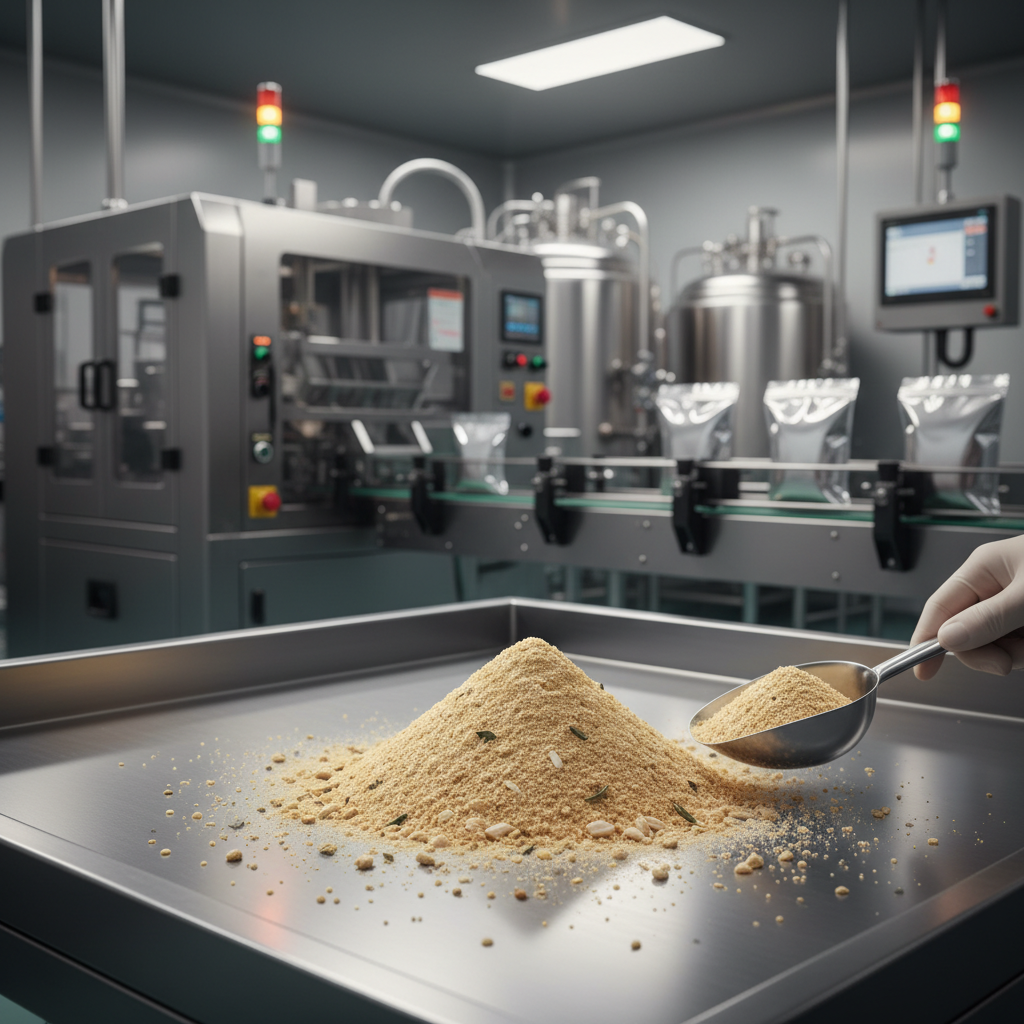
Bacillus subtilis is characterized as a slightly fermented brown powder consisting of live bacteria and their metabolites. This composition is critical because it provides not only the living organisms needed for colonization but also the secondary metabolites that trigger an immediate biological response in the animal's gut.
The primary ingredients include the Bacillus subtilis strain itself and a specialized carrier protective agent. This agent is essential for ensuring that the bacteria survive the harsh environment of the feed mill and the digestive tract, maintaining the integrity of the CFU count throughout the supply chain.
From a technical standpoint, the scalability of this production process is what allows for diverse concentrations. Whether the requirement is a standard 100 billion CFU/g or a highly concentrated 500 billion CFU/g, the manufacturing process ensures consistency in quality and potency.
Mechanisms of Intestinal Culture Regulation
Regulating the intestinal flora is a complex biological process that mirrors the precision seen in monosodium glutamate production. Bacillus subtilis works by competing with pathogenic bacteria for nutrients and attachment sites on the intestinal wall, thereby promoting a healthy microbiome.
The efficacy of these probiotics is often measured by their ability to survive gastric transit. The fermentation techniques borrowed from monosodium glutamate production help in creating spores that are resilient to heat and acidity, ensuring a high survival rate upon ingestion.
Once established in the gut, these bacteria secrete enzymes and organic acids that lower the pH of the intestinal environment. This create an inhospitable atmosphere for harmful pathogens, effectively enhancing the overall immunity of the livestock and poultry.
Comparative Efficiency in Feed Application
Applying Bacillus subtilis to feed requires a strategic approach to dosage. For instance, when using a 100 billion CFU/g product, the recommended addition is 30-50g per ton of full-price formula feed, ensuring a consistent distribution of the probiotic throughout the ration.
Synergistic effects are observed when combined with other strains. When used alongside Bacillus licheniformis, the dosage can be optimized to 15-25g of each type per ton, maximizing the diversity of the gut flora and enhancing the nutrient absorption rate.
Efficiency Analysis of Probiotic Production Methods
Global Application Scenarios in Livestock
In intensive farming regions, the demand for high-potency feed additives is critical for maintaining animal welfare and productivity. Bacillus subtilis is applied globally in both poultry and livestock breeding, where it serves as a natural alternative to growth promoters.
Whether administered via feed addition after gradual dilution or added to drinking water at a rate of 10-20g per ton, these biological solutions ensure that animals in remote industrial zones maintain optimal digestive health regardless of local environmental stressors.
Safety Standards and Storage Protocols
To maintain the viability of the live bacteria, strict storage protocols must be followed. The product should be kept in a dark, ventilated, and dry environment, ensuring it is isolated from toxic or harmful substances to prevent contamination.
Upon opening the original packaging, the remaining product must be sealed immediately. This prevents moisture ingress and oxidation, which could otherwise degrade the active CFU count and reduce the overall effectiveness of the additive.
User safety is equally important; handlers are advised to avoid inhalation and direct contact with skin or mucous membranes. In the event of contact, rinsing immediately with clean water is the standard safety procedure to ensure no irritation occurs.
Future Innovations in Probiotic Manufacturing
The future of feed additives lies in the further refinement of fermentation science, similar to the ongoing advancements in monosodium glutamate production. We are seeing a trend toward "smart" probiotics that can be triggered by specific pH levels within the animal's gut for targeted release.
Automation and digital transformation in the manufacturing process are allowing for even tighter control over CFU concentrations. This ensures that a product labeled as 500 billion CFU/g meets that exact specification every time, reducing waste and increasing predictability for the end-user.
Sustainability is also becoming a core focus, with researchers exploring ways to use agricultural by-products as substrates for fermentation, thereby lowering the carbon footprint of biological additive production while maintaining high industrial standards.
Comparison of Bacillus subtilis Product Specifications and Applications
| CFU Concentration |
Recommended Dosage |
Application Method |
Primary Benefit |
| 20 Billion CFU/g |
High Volume / Low Dose |
Feed Addition |
Basic Maintenance |
| 100 Billion CFU/g |
30-50g per ton |
Feed / Drinking Water |
Standard Regulation |
| 200 Billion CFU/g |
Customized Dosage |
Feed Addition |
Enhanced Growth |
| 500 Billion CFU/g |
Low Volume / High Potency |
Intensive Feed |
Rapid Flora Recovery |
| Synergistic Blend |
15-25g each / ton |
Mixed Feed |
Comprehensive Health |
| Customizable CFU |
Client Specific |
Industrial Mix |
Tailored Efficacy |
FAQS
For a standard 100 billion CFU/g product, the recommended dosage is 30-50g per ton of full-price formula feed. If you are using a synergistic blend with Bacillus licheniformis, you can reduce the dosage to 15-25g of each strain per ton to achieve a balanced intestinal environment.
Yes, Bacillus subtilis can be effectively delivered via drinking water. For the 100 billion CFU/g concentration, the suggested ratio is 10-20g per ton of water. This is particularly useful for rapid administration or for livestock that may have reduced feed intake.
The product must be stored in a dark, dry, and well-ventilated area. It is crucial to avoid contact with toxic substances and to seal the packaging immediately after opening to prevent moisture from degrading the live bacteria content.
Avoid direct inhalation and contact with skin or mucous membranes. The product is a fermented powder; if accidental contact occurs, you should immediately rinse the affected area with clean water to prevent potential irritation.
Yes, the production process is highly scalable. Concentrations are available ranging from 20 billion to 500 billion CFU/g, and customizable options are available to meet specific industrial or veterinary requirements for livestock breeding.
The carrier protective agent acts as a shield for the Bacillus subtilis spores. It prevents premature degradation during the feed mixing process and protects the bacteria from the high acidity of the stomach, ensuring they reach the intestines alive.
Conclusion
The application of Bacillus subtilis in livestock and poultry breeding represents a sophisticated intersection of biological science and industrial efficiency. By leveraging fermentation standards similar to those in monosodium glutamate production, manufacturers can provide potent, stable, and customizable probiotic solutions that fundamentally improve animal health and gut flora regulation.
As the industry moves toward more sustainable and antibiotic-free farming, the importance of high-CFU biological additives will only grow. We recommend that producers focus on synergistic blends and precise dosage controls to maximize the long-term value and health outcomes for their livestock. Visit our website: www.standard-seasoning.com