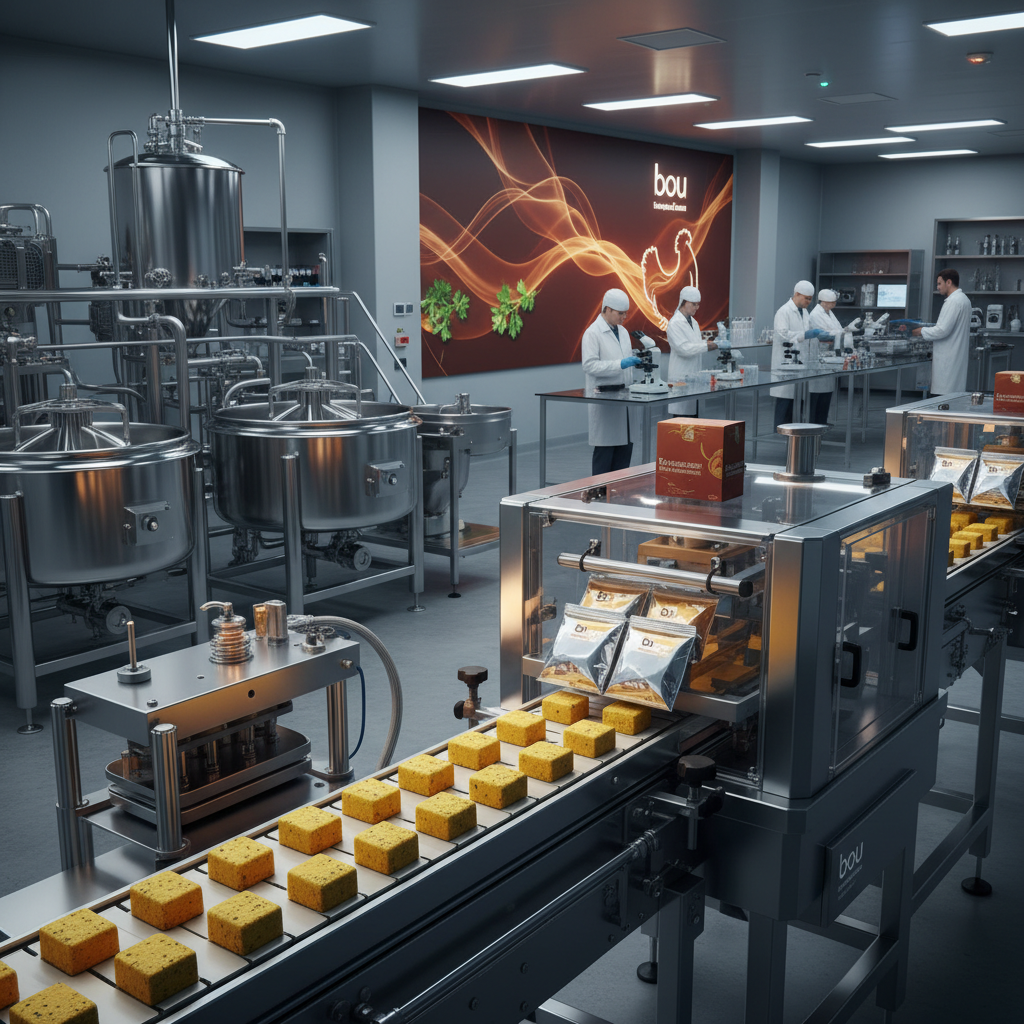
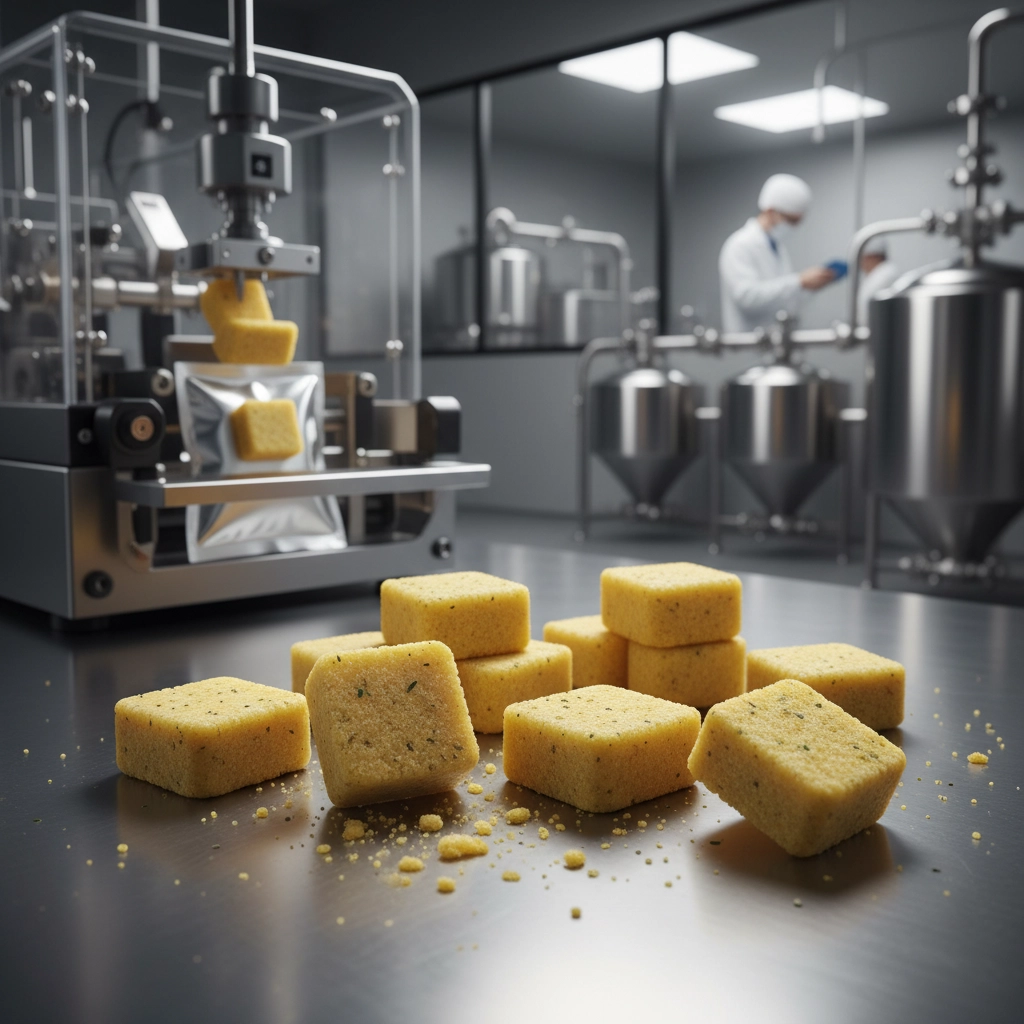
In the modern landscape of food science and nutritional fortification, the strategic use of high-purity additives is essential for maintaining global health standards. Among these, the role of specific B-vitamins and their derivatives has become a focal point for manufacturers aiming to enhance the bioavailability of nutrients in processed foods. Understanding the chemical properties and industrial applications of these compounds allows producers to create products that are not only shelf-stable but also biologically effective for the end consumer.
The global demand for specialized nutritional additives is driven by an increasing awareness of dietary deficiencies and the rise of functional foods. As regulatory bodies like the FDA and ISO tighten purity requirements, the industry has shifted toward high-grade crystalline powders that ensure consistent dosing and stability. This evolution in manufacturing ensures that essential vitamins can be integrated into a wide variety of matrices, from energy drinks to pharmaceutical-grade supplements, without altering the sensory profile of the product.
One of the most versatile components used in these formulations is riboflavin sodium, which serves as a critical tool for food chemists seeking water-soluble alternatives to standard vitamins. By optimizing the solubility and stability of essential nutrients, manufacturers can significantly improve the nutritional density of their offerings. Whether utilized in the pharmaceutical sector or the food additive industry, this compound represents a bridge between raw chemical efficiency and human wellness.
From a manufacturing perspective, the adoption of this additive reduces processing time and energy costs by eliminating the need for complex dispersion techniques. Large-scale producers in China and the EU rely on this high-solubility profile to ensure that every batch of a fortified product contains a precise, homogenous dose of the vitamin. This precision is not only a regulatory requirement but also a quality benchmark that defines the success of a commercial food product in a competitive global market.
In technical terms, the compound maintains the biological activity of the vitamin while offering superior stability in diverse pH ranges. This stability is vital for products that undergo thermal processing, such as pasteurization or UHT treatment, where other forms of the vitamin might degrade. The result is a robust ingredient that ensures the nutritional integrity of the final product is preserved from the factory floor to the consumer's table.
Beyond its role as a nutrient, the compound is often utilized for its natural coloring properties. The intense yellow hue provided by the riboflavin structure allows manufacturers to avoid synthetic dyes, appealing to the growing consumer demand for "clean label" products. By combining nutritional value with aesthetic functionality, this ingredient serves a dual purpose in modern food formulation.
When sourcing riboflavin sodium, purity is the foremost consideration. Industrial grade additives must adhere to strict FCC or USP standards to ensure the absence of heavy metals and contaminants. A purity level of 99% or higher is typically required to prevent off-flavors or unwanted chemical interactions within the food matrix, ensuring that the additive enhances rather than compromises the product quality.
Solubility and dissolution rate are the second key pillars of quality. The efficiency of riboflavin sodium is measured by how quickly it achieves a clear solution without leaving residue or clumps. This is particularly important in high-speed bottling lines where any precipitation could lead to clogged nozzles or inconsistent nutrient distribution across thousands of units.
Finally, stability and shelf-life are critical for commercial viability. High-quality batches are processed to resist oxidation and light-induced degradation, which can cause the yellow color to fade or the vitamin potency to drop. By utilizing advanced packaging and controlled manufacturing environments, suppliers ensure that the additive remains potent throughout its operational life, providing reliable performance for the end manufacturer.
To evaluate the effectiveness of riboflavin sodium across different industrial methods, we analyze key performance indicators such as solubility speed, color intensity, and nutrient retention. Different production methods, such as direct mixing versus pre-dissolution, yield varying results in terms of homogeneity and stability.
The following data represents the comparative performance ratings of various application methods. By quantifying these metrics, manufacturers can choose the optimal integration strategy to maximize the bioavailability of the vitamin while maintaining the sensory characteristics of the food or beverage.
The application of riboflavin sodium extends across several high-impact industries. In the beverage sector, it is widely used in the production of energy drinks and sports recovery fluids, where rapid absorption and high water solubility are paramount. These products often target athletes and high-performance professionals who require an immediate boost in energy metabolism provided by the B-vitamin complex.
In the pharmaceutical and clinical nutrition field, the compound is integrated into intravenous nutrition bags and oral rehydration salts. In remote industrial zones or post-disaster relief operations, these fortified solutions are critical for preventing vitamin deficiencies in vulnerable populations. The ability to maintain a stable, sterile solution makes this additive a lifeline in medical emergency contexts globally.
Integrating riboflavin sodium into production lines offers significant long-term economic value. By reducing the wastage associated with poorly soluble vitamins, manufacturers can lower their raw material costs and improve overall yield. Furthermore, the efficiency of the sodium salt form allows for lower dosages to achieve the same nutritional impact, aligning with the principle of resource optimization.
From a sustainability perspective, the shift toward natural-based coloring and fortification reduces the industry's reliance on synthetic chemicals. This transition not only satisfies the ecological demands of the modern consumer but also minimizes the environmental footprint of chemical waste during the manufacturing process. Trust and transparency in the supply chain are enhanced when a manufacturer can prove the use of high-purity, bioavailable nutrients.
Moreover, the social impact of affordable, high-quality fortification cannot be overstated. By making nutrient-dense foods more accessible and stable, companies contribute to a global reduction in metabolic disorders. This creates a cycle of innovation where safety, dignity, and health are prioritized, establishing a foundation of trust between the brand and the global consumer.
The future of riboflavin sodium is closely tied to the digital transformation of food manufacturing. The implementation of "Smart Fortification" involves using AI-driven sensors to monitor the concentration of vitamins in real-time during the mixing process. This ensures that every single unit of a product meets the exact nutritional claim on the label, eliminating human error and batch variability.
Another emerging trend is the combination of this additive with nano-encapsulation technologies. By shielding the riboflavin sodium within a lipid bilayer, researchers are working to create "timed-release" nutrients that are absorbed more efficiently in the lower gastrointestinal tract. This innovation could lead to a new generation of clinical nutrition products with unprecedented bioavailability and stability.
Sustainability will also drive the move toward green synthesis. The industry is exploring biosynthetic pathways using genetically modified microorganisms to produce the riboflavin precursor more efficiently, reducing the need for traditional chemical solvents. This evolution toward "green chemistry" will ensure that the production of essential additives remains viable and environmentally friendly for decades to come.
| Technology Generation | Solubility Level | Production Impact | Sustainability Score |
|---|---|---|---|
| Traditional B2 Powder | Low | High Waste | 4/10 |
| Standard Riboflavin Sodium | High | Efficient Mix | 7/10 |
| Micro-encapsulated Form | Controlled | High Precision | 8/10 |
| AI-Optimized Dosing | Optimized | Zero Error | 9/10 |
| Biosynthetic Sodium Salt | Very High | Low Energy | 10/10 |
| Next-Gen Nano-carrier | Absolute | Max Absorption | 9/10 |
The primary advantage is its significantly higher water solubility. Standard riboflavin is difficult to dissolve in aqueous solutions, which can lead to uneven distribution in beverages. Riboflavin sodium dissolves quickly and completely, ensuring a homogenous mixture and better bioavailability for the consumer, making it ideal for liquid supplements and drinks.
Yes, riboflavin sodium is safe and widely approved by global health authorities like the FDA. As a water-soluble B-vitamin derivative, excess amounts are typically excreted through urine, reducing the risk of toxicity. It is a standard ingredient in the food additive industry for enhancing nutritional value without adverse effects.
It provides a characteristic natural yellow color. Many manufacturers use this to their advantage to replace artificial yellow dyes. However, because it is highly soluble, the color is distributed evenly, preventing "spotting" or streaks in the product and providing a professional, consistent appearance.
Yes, it is designed to be more stable than many other vitamin forms. While all vitamins can degrade under extreme heat, the sodium salt form maintains its structural integrity better during pasteurization and UHT processes, ensuring that the nutritional claims on the packaging remain accurate after processing.
To maintain maximum potency, riboflavin sodium should be stored in a cool, dry place, away from direct sunlight. Since B-vitamins are photosensitive, using opaque or amber-colored packaging is highly recommended to prevent the degradation of the compound and the fading of its natural color.
Purity can be verified through a Certificate of Analysis (CoA) that lists the assay percentage, usually requiring ≥99%. Laboratory tests including HPLC (High-Performance Liquid Chromatography) are the industry standard for confirming the concentration and ensuring the absence of contaminants or heavy metals.
In summary, riboflavin sodium stands as a pivotal ingredient in the pursuit of global nutritional security and industrial efficiency. By solving the critical challenge of solubility, it enables the seamless fortification of liquid foods and pharmaceuticals, ensuring that essential vitamins reach consumers in a bioavailable and stable form. Its dual role as both a nutrient and a natural colorant further empowers manufacturers to create cleaner, healthier products that meet the rigorous standards of the modern market.
Looking forward, the integration of biosynthetic production and AI-driven dosing will likely further elevate the role of this additive in the food industry. For companies seeking to balance cost-efficiency with high nutritional impact, investing in high-purity, water-soluble derivatives is the most strategic path toward sustainable growth. We invite you to explore our high-grade solutions to enhance your product formulations. Visit our website: www.chinaseasoning.com