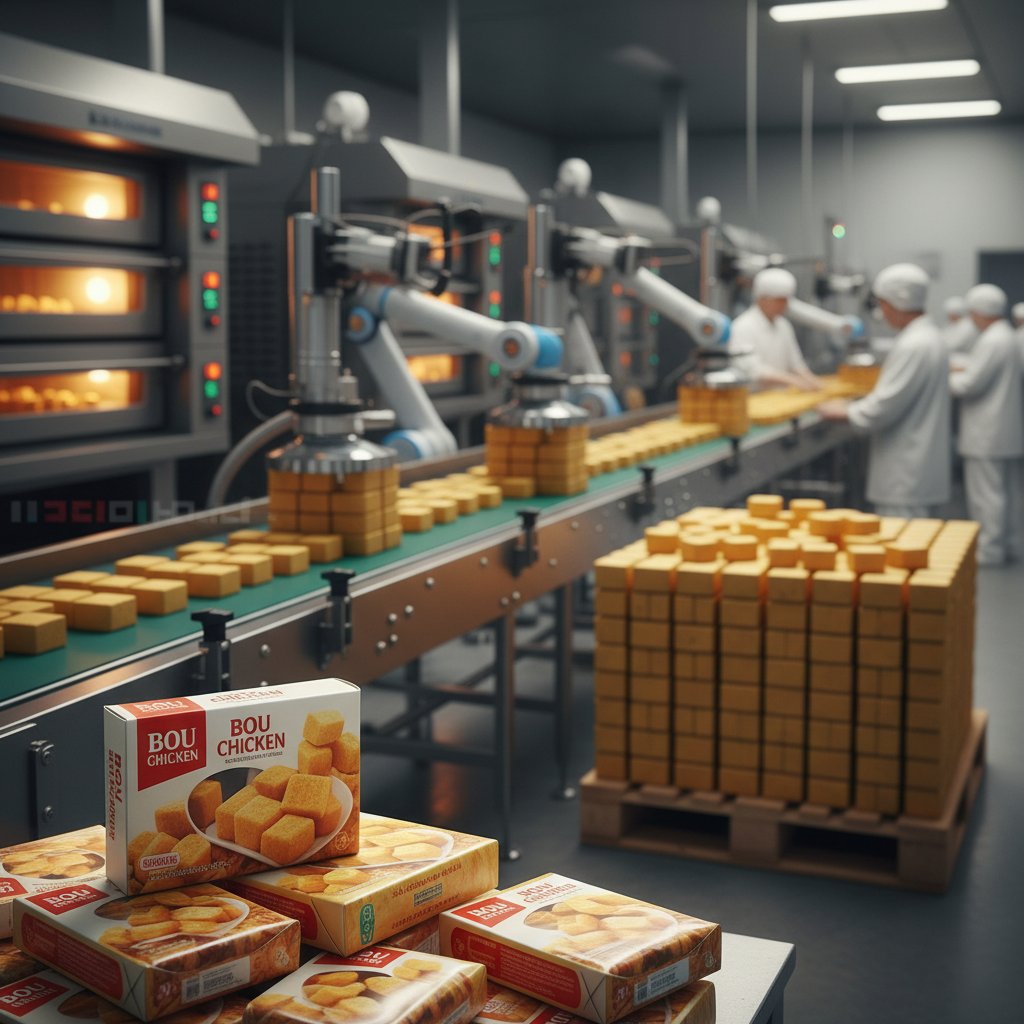
The global food industry is currently undergoing a massive shift toward healthier alternatives, where the demand for calorie-reduction without compromising taste has become a primary driver of innovation. In this context, the role of high-intensity sweeteners has expanded, providing manufacturers with the tools to create products that cater to health-conscious consumers and those with dietary restrictions.
Understanding the chemistry and application of sugar substitutes is essential for food scientists and procurement managers who aim to balance nutritional profiles with sensory appeal. By utilizing precise formulations, companies can reduce the glycemic impact of their products while maintaining the familiar sweetness that drives consumer loyalty across diverse global markets.
Among the various options available in the food additive sector, artificial sugar aspartame remains a widely discussed component due to its extreme sweetness potency and versatility in a variety of applications, ranging from beverages to concentrated seasonings.
The Global Industrial Relevance of artificial sugar aspartame
The global food additive market has seen a steady increase in the adoption of non-nutritive sweeteners to combat the rising rates of obesity and diabetes. As international health organizations like the WHO emphasize the reduction of free sugars, the industry has turned toward high-potency alternatives that can provide the same sensory experience with a fraction of the calories.
From a logistics and manufacturing perspective, these additives offer immense advantages in terms of shipping weight and storage space. Because a tiny amount of sweetener can replace a large volume of sucrose, the overall carbon footprint of transporting raw materials is significantly reduced, aligning with global sustainability goals.
Technical Definition and Chemical Nature of artificial sugar aspartame
In technical terms, artificial sugar aspartame is a methyl ester of the aspartic acid/phenylalanine dipeptide. Unlike traditional sugars, it is not metabolized in the same way as glucose, meaning it does not trigger the same insulin response in the human body. This makes it a cornerstone for "sugar-free" and "low-calorie" labeling in the food industry.
The chemistry of this additive allows it to be roughly 200 times sweeter than table sugar. This extreme potency is what enables manufacturers to achieve the desired flavor profile while keeping the total caloric count of the final product nearly zero, provided the dosage is controlled strictly according to safety guidelines.
Its integration into modern food systems is driven by the need for stability and taste consistency. Whether used in tabletop sweeteners or complex processed foods, its ability to blend seamlessly without adding bulk is highly valued by R&D teams globally.
Core Components for High-Efficiency Sweetening
The effectiveness of artificial sugar aspartame depends on several key factors, primarily its solubility and heat sensitivity. To maximize its performance, food scientists must understand the specific temperature thresholds at which the molecule remains stable to avoid any loss of sweetness during the production process.
Another critical aspect is the synergy between artificial sugar aspartame and other flavor enhancers. In many commercial formulations, such as bouillon cubes or savory snacks, this sweetener is used in minute quantities to round out the flavor profile, neutralizing bitterness and enhancing the perceived richness of the product.
Furthermore, the purity level of the additive is paramount. Industrial grades must meet strict ISO and FDA standards to ensure that no contaminants are introduced into the food chain, ensuring that the end consumer receives a product that is both safe and consistent in taste.
Scalability and Cost Efficiency in Mass Production
For large-scale manufacturers, the move toward artificial sugar aspartame is often a financial decision as much as a nutritional one. The reduction in raw material volume translates directly into lower procurement costs and streamlined inventory management, as small quantities of the additive replace tons of traditional sugar.
This scalability is particularly evident in the production of dehydrated foods and concentrated seasonings. By optimizing the sweetener ratio, factories can maintain high productivity levels—often reaching hundreds of metric tons per month—while keeping the per-unit cost competitive in the international market.
Efficiency Comparison of artificial sugar aspartame Methods
Global Applications Across Food and Pharmaceutical Sectors
The application of artificial sugar aspartame extends far beyond simple diet sodas. In the pharmaceutical industry, it is frequently used to mask the bitter taste of active ingredients in chewable tablets and liquid syrups, improving patient compliance, especially in pediatric medicine.
In the food additive sector, it is integrated into complex seasoning systems, such as bouillon cubes, where it helps balance the strong salty notes of MSG and salt. This creates a more harmonious taste profile that is appealing to consumers in Africa, the Middle East, and Asia.
Long-Term Value and Sustainability in Additive Usage
From a sustainability perspective, the use of concentrated sweeteners reduces the agricultural land required for sugarcane and beet cultivation. This shift contributes to a more sustainable food system by lowering the environmental impact associated with large-scale monoculture farming.
Moreover, the long-term value lies in the ability to offer inclusive food products. By providing tasty, low-calorie options, manufacturers can serve the growing population of diabetic patients, ensuring they have access to flavorful food without compromising their health.
The reliability of the supply chain, backed by certifications such as ISO, HACCP, and FDA, ensures that these additives can be shipped globally via ocean, land, or air without degradation, providing a stable foundation for international trade.
Future Innovations and Regulatory Trends for artificial sugar aspartame
The future of artificial sugar aspartame is closely tied to the evolution of "clean label" trends. Researchers are currently looking into ways to blend high-intensity sweeteners with natural fibers and proteins to create a more complex sweetness profile that mimics the mouthfeel of real sugar even more closely.
Regulatory bodies are also continuously updating safety thresholds to ensure maximum consumer protection. The industry is responding by implementing more rigorous testing phases and utilizing advanced chromatography to ensure that every batch of additive meets global safety specifications.
Digital transformation in manufacturing, including AI-driven formulation software, is now allowing companies to predict exactly how a sweetener will interact with other ingredients. This reduces waste during the R&D phase and speeds up the time-to-market for new, healthier food products.
Analysis of artificial sugar aspartame Performance Across Industrial Metrics
| Application Dimension |
Taste Profile Score |
Cost-Effectiveness |
Stability Rating |
| Dietary Beverages |
9/10 |
High |
Medium |
| Seasoning Cubes |
8/10 |
Very High |
High |
| Pharmaceutical Syrups |
7/10 |
Medium |
High |
| Baked Goods (Cold) |
8/10 |
High |
Medium |
| Dairy Alternatives |
9/10 |
High |
High |
| Tabletop Sweeteners |
10/10 |
Very High |
Very High |
FAQS
The primary advantage is its extreme sweetness potency, which allows manufacturers to achieve the desired taste with very small quantities. This significantly reduces the calorie count of the final product and lowers raw material and transportation costs compared to using sucrose.
Generally, it is less stable than some other sweeteners when exposed to very high temperatures for long periods. Therefore, it is best suited for products that are not subject to intense heat processing or where it is added after the heating phase to maintain sweetness.
It is highly cost-efficient due to its concentration. Because it is hundreds of times sweeter than sugar, the volume of additive needed is minimal, reducing storage requirements and increasing the overall profit margin per unit of product.
Yes, it is frequently used in savory applications to balance saltiness and enhance overall flavor. It helps in rounding out the taste profile without adding the bulk or calories associated with traditional sugars.
Quality assurance is key. You should look for certifications such as ISO 9000, ISO 22000, HALAL, HACCP, and FDA approval to ensure the product meets international safety and quality standards for human consumption.
It is typically transported via ocean, land, or air depending on the urgency. For storage, it should be kept in a cool, dry place away from direct sunlight to maintain its chemical stability and shelf life, which usually extends up to 24 months.
Conclusion
The integration of artificial sugar aspartame into the global food and pharmaceutical supply chain has revolutionized how we approach sweetness and nutrition. By balancing cost-efficiency, high potency, and versatility, it allows manufacturers to create inclusive, low-calorie products that meet the diverse health needs of a global population while maintaining the sensory quality consumers expect.
Looking forward, the continued evolution of food science will likely lead to even more synergistic blends and precise applications of this sweetener. For companies aiming to lead in the healthy-additive space, adopting rigorous quality standards and innovative formulations is the key to long-term success. Visit our website for more information: www.chinaseasoning.com