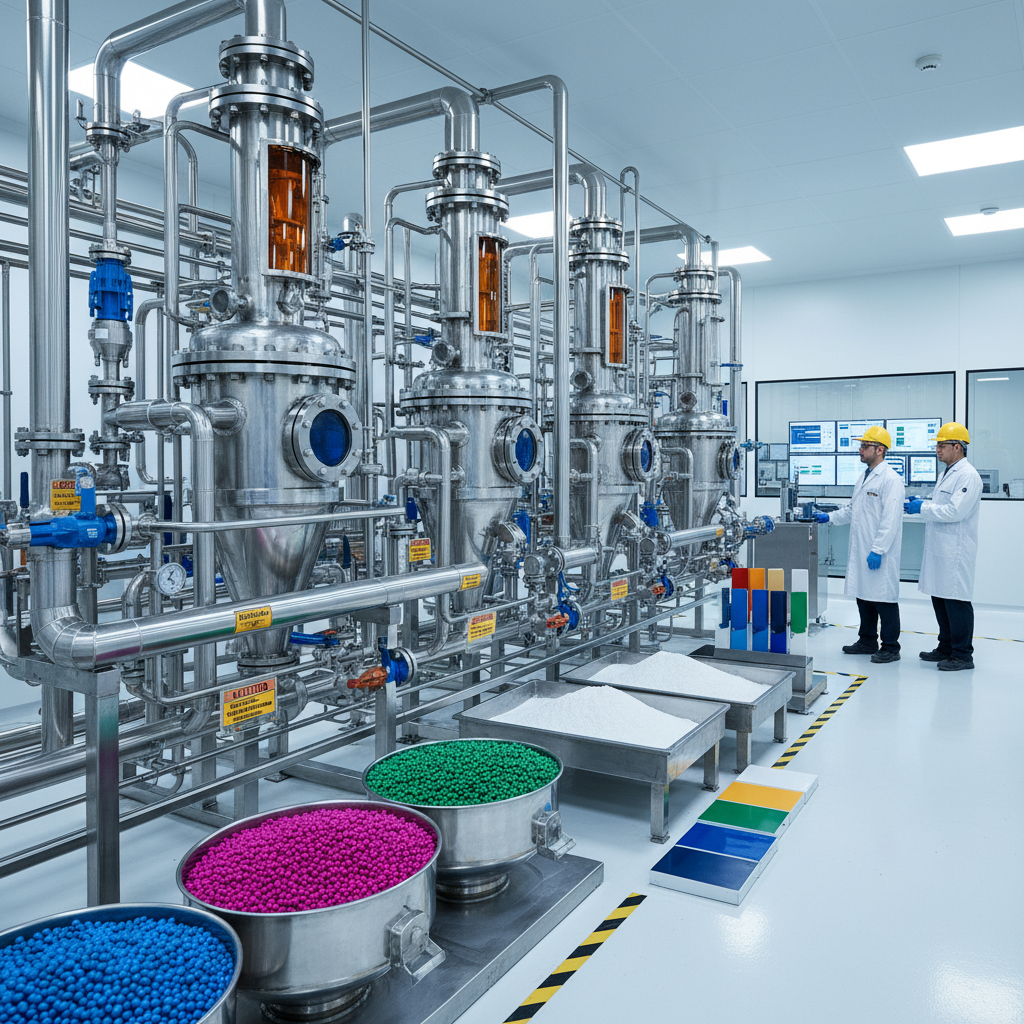
Understanding the dynamics of the amino acid market is essential for producers and distributors looking to optimize their costs, especially when analyzing the msg price trends that influence by-product availability. Glutamic acid residue, a fermentation byproduct, serves as a vital nutrient source in animal nutrition, bridging the gap between waste reduction and high-efficiency feed production.
Across the global agricultural sector, the search for cost-effective protein alternatives has intensified as traditional soy and fishmeal costs fluctuate. By monitoring the msg price and the subsequent availability of residues, feed millers can maintain consistent nutrient profiles while protecting their profit margins against market volatility.
This comprehensive guide explores how glutamic acid residue functions as a powerhouse amino acid additive, its specific applications in aquaculture and livestock, and how the overarching msg price environment impacts the procurement of these high-protein fermentation residues.
The Role of Glutamic Acid Residue in Animal Nutrition
Glutamic acid residue is a high-value amino acid feed additive derived from the fermentation process. By incorporating this residue into animal diets, producers can significantly increase the total amino acid content, which is a primary driver for promoting accelerated growth and development in various livestock species.
Beyond mere growth, the inclusion of these residues improves overall feed utilization. This means animals can extract more nutrients from the same amount of feed, which not only lowers costs but also bolsters the animal's natural immunity and resistance to common environmental stressors.
Understanding the Technical Specifications of Residues
To ensure consistency in feed formulation, it is critical to look at the chemical specifications of the residue. A high-quality glutamic acid residue typically features a crude protein content of ≥65%, ensuring that the dietary protein requirements are met efficiently.
Other key parameters include the crude ash levels, which are also maintained at ≥65%, and a strict limitation on ammonium salt to ≤2.0%. Maintaining a moisture level around 8.0% is essential for preventing microbial growth and ensuring a long shelf life for the additive.
These specifications make the product a reliable alternative for those tracking the msg price as a benchmark for the cost of fermentation-based nutrients, providing a standardized way to measure nutritional input versus animal output.
Optimized Addition Rates for Different Livestock
Determining the correct dosage of glutamic acid residue is vital to avoid nutritional imbalances. Generally, the recommended addition amount is approximately 5% of the total amino acids in the diet, though this varies based on the species.
For pig feed specifically, the industry standard is typically 3-5 kilograms per ton of feed. When procurement managers evaluate the msg price, they must balance the cost of the residue against these specific volumetric requirements to ensure cost-effectiveness.
Over-supplementation can be detrimental to animal health. Therefore, the addition rate should be comprehensively adjusted based on the animal's growth stage, the existing nutritional composition of the base feed, and the specific feeding environment.
Impact of Market Trends on Procurement Costs
The availability and pricing of glutamic acid residue are often linked to the broader production cycles of monosodium glutamate. As a fermentation byproduct, the volume of residue available is directly proportional to the scale of MSG production, meaning the msg price often serves as an indirect indicator of supply stability.
For large-scale feed operations, understanding these market fluctuations allows for strategic stockpiling. When fermentation output is high, the cost of residues typically stabilizes, providing a window for procurement teams to lock in favorable rates for their amino acid additives.
Market Correlation Analysis of Residue Cost
Specialized Applications in Aquaculture Systems
In the aquaculture sector, glutamic acid residue is highly prized due to its excellent solubility. It dissolves quickly in water, which simplifies the process of adding nutrients to aquatic feeds and ensures that the amino acids are readily available for absorption by the fish or shrimp.
Furthermore, it significantly enhances the digestion and absorption capabilities of aquatic animals. By improving feed utilization, it not only speeds up the growth cycle but also strengthens the animals' resistance to diseases and stress, which are common challenges in high-density farming.
Safety Protocols and Handling Requirements
Handling glutamic acid residue requires specific safety measures to protect both the staff and the livestock. Because it is a dry product, it can generate dust during transport and mixing, which may irritate the respiratory tracts of workers and animals.
To mitigate this risk, it is strongly recommended to treat the residue with water or steam before application. This pre-treatment eliminates dust and ensures a smoother integration into the feed mix.
Finally, strict adherence to the recommended dosage is mandatory. While it is a beneficial additive, excessive amounts can lead to health complications in animals, making precise measurement a cornerstone of safe feeding practices.
Long-term Value Analysis of Fermentation By-products
From a sustainability perspective, the use of glutamic acid residue is a prime example of the circular economy. By transforming a fermentation byproduct into a high-protein feed additive, the industry reduces waste while providing a lower-cost alternative to synthetic amino acids.
The long-term value is found in the stability it brings to the supply chain. While the msg price may fluctuate, the overall trend toward bio-based additives ensures that fermentation residues will remain a cornerstone of sustainable animal husbandry.
Ultimately, integrating these residues allows producers to improve the biological performance of their herds and schools of fish without exponentially increasing their operational costs.
Comprehensive Analysis of Glutamic Acid Residue Value
| Analysis Dimension |
Aquaculture Impact |
Livestock Impact |
Economic Score |
| Protein Enhancement |
High Absorption |
Rapid Growth |
9/10 |
| Immunity Boost |
Stress Resistance |
Disease Prevention |
8/10 |
| Solubility |
Excellent |
Moderate |
7/10 |
| Feed Conversion |
Improved FCR |
Better Utilization |
9/10 |
| Ease of Application |
Water-soluble |
Dry mix/Steam |
6/10 |
| Cost Stability |
Moderate |
High |
8/10 |
FAQS
Since glutamic acid residue is a byproduct of the fermentation process used to create MSG, the two are intrinsically linked. When MSG production increases to meet demand, the volume of available residue typically rises, which can lead to more competitive pricing for feed additive producers.
For pig feed, the generally accepted addition rate is between 3 to 5 kilograms per ton of feed. However, this should be adjusted based on the animal's age, growth stage, and the protein levels already present in the base feed.
Its high solubility allows it to dissolve quickly in water, making it easy to administer. Additionally, it improves the digestion and absorption of nutrients in aquatic species, enhancing overall growth and disease resistance.
The primary risk is respiratory irritation due to the dry nature of the product. To prevent this, it should be treated with steam or water before use. Additionally, overdosing can negatively impact animal health, so precise dosing is required.
A standard high-grade glutamic acid residue should have a crude protein content of ≥65% and crude ash of ≥65%, with moisture levels kept at 8.0% and ammonium salt at ≤2.0%.
While it significantly boosts amino acid levels and is a cost-effective alternative, it is best used as a supplement within a balanced diet. It should be used to enhance and optimize the feed profile rather than completely replacing tailored synthetic amino acid blends.
Conclusion
Glutamic acid residue stands as a pivotal intersection between industrial efficiency and agricultural productivity. By leveraging the byproducts of fermentation—whose availability is often mirrored by the msg price—livestock and aquaculture producers can significantly enhance animal growth, immunity, and feed utilization. With a crude protein content of ≥65%, it provides a scientifically backed method for improving animal health while adhering to sustainable waste-reduction practices.
Looking forward, the integration of such bio-based additives will be crucial for the resilience of the global food supply chain. Producers are encouraged to carefully calibrate their addition rates and implement proper handling protocols to maximize the benefits of these residues. For those seeking high-quality amino acid solutions and market insights, we invite you to visit our website: www.standard-seasoning.com.