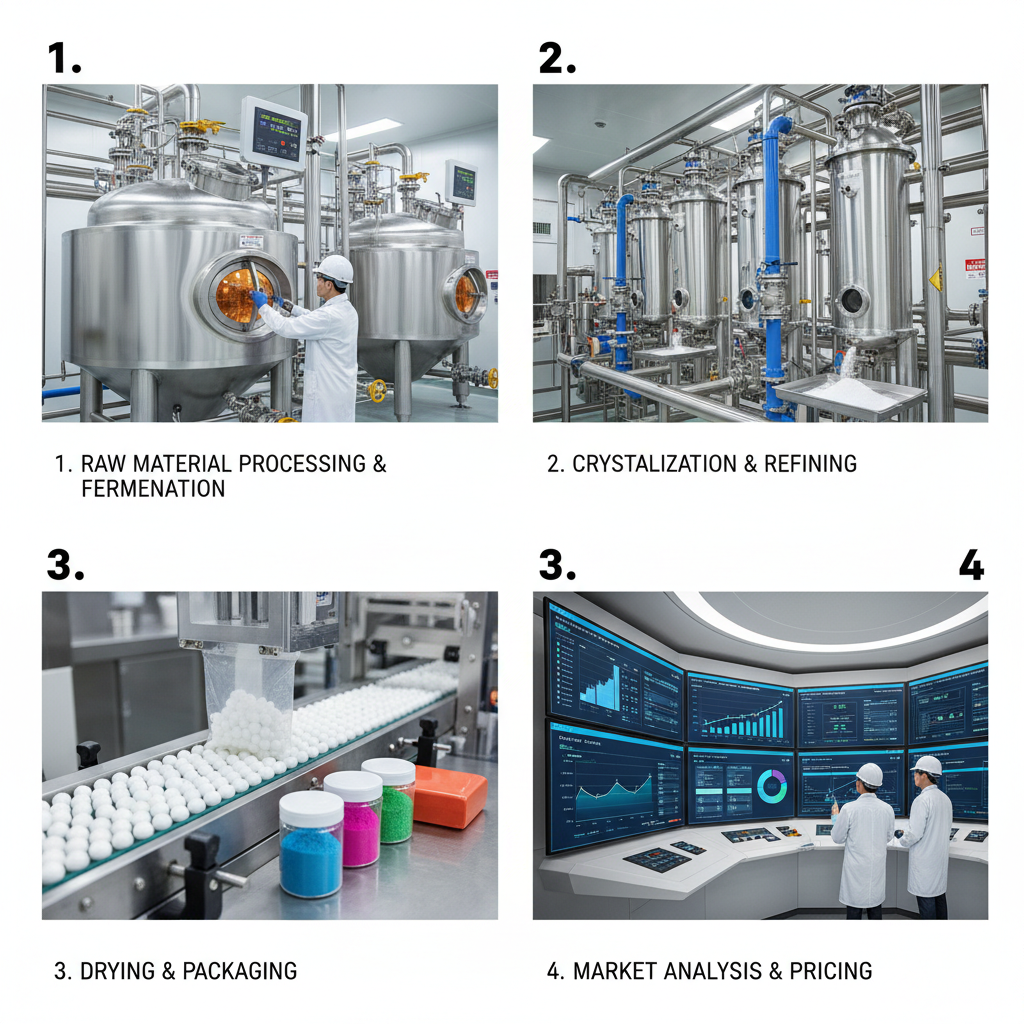
In the competitive landscape of the global food additive market, the demand for high-quality acidulants has surged as manufacturers seek to optimize flavor profiles and extend shelf life. Understanding the versatility of organic acids is essential for brands looking to maintain consistent quality across various product lines, from carbonated beverages to processed canned goods.
The industrial application of these compounds goes beyond simple taste enhancement, playing a critical role in pH regulation and microbial inhibition. For procurement managers and food scientists, finding a reliable source for high-purity additives is a priority to ensure regulatory compliance and consumer satisfaction in an increasingly health-conscious market.
Whether you are formulating new beverage recipes or looking for msg seasoning for sale, selecting the right chemical specifications—such as molecular weight and solubility—is paramount to achieving the desired sensory and preservative effects in your final product.
Chemical Properties of Citric Acid
Citric acid, characterized by the molecular formula C6H8O7 and a molecular weight of 192.14, is a colorless crystal known for its strong acid taste and exceptional solubility in water. It often contains one molecule of water of crystallization, though anhydrous forms can be produced by strictly controlling crystallization temperatures, making it a versatile tool for various industrial formulations.
Known by synonyms such as acid of lemon or citrate acid (CAS No: 77-92-9), this organic acid is indispensable in the food, cosmetic, and general industrial sectors. Its ability to blend seamlessly into aqueous solutions ensures that it provides a consistent tartness and functional stability in diverse applications.
Industrial Role of Organic Acidulants
In the broader context of food additives, organic acidulants serve as more than just flavor modifiers; they are essential for the structural integrity of food products. Citric acid specifically accounts for approximately two-thirds of the total consumption of sour agents globally, reflecting its dominance in the market due to its clean taste and multifunctional properties.
The industrial demand for these substances often fluctuates with seasonal climate changes, particularly in the production of refreshing beverages. This volatility requires manufacturers to maintain flexible supply chains and robust storage solutions to ensure that production schedules are not interrupted during peak demand periods.
Beyond taste, the role of an acidulant involves managing the biochemical environment of the food. By controlling the pH level, manufacturers can inhibit the growth of spoilage microorganisms, thereby extending the shelf life of the product without relying solely on synthetic preservatives.
Applications in the Beverage Industry
The beverage sector relies heavily on high-purity citric acid to provide the "refreshing" quality found in carbonated drinks, juice beverages, and lactic acid-based drinks. Its ability to provide a sharp, clean acidity makes it the gold standard for balancing sweetness in soft drinks.
When sourcing components for a beverage line, many manufacturers also look for msg seasoning for sale to enhance the savory depth of complementary snack products, creating a holistic flavor experience for the consumer.
In addition to flavor, the use of citric acid in drinks helps in stabilizing the formulation. It prevents the precipitation of other ingredients and ensures that the beverage remains visually appealing and taste-consistent from the first sip to the last.
Efficacy in Food Preservation
In the realm of canned fruits, the addition of citric acid is vital for maintaining the original flavor and color of the produce. By lowering the pH of low-acidity fruits, it reduces the heat resistance of microorganisms, effectively inhibiting their growth and preventing the destructive bacterial expansion that can ruin entire batches of canned goods.
Furthermore, in the production of candies and gel-based foods like sauces and jellies, citric acid plays a structural role. It reduces the negative charge of pectin, facilitating the formation of hydrogen bonds between pectin molecules, which is the fundamental process required for effective gelling.
Preservation Efficacy of msg seasoning for sale Components
pH Adjustment and Quality Maintenance
Processing canned vegetables often involves dealing with alkaline-leaning produce. In these instances, citric acid is employed as a precise pH adjuster. This not only contributes to the overall flavor profile but is critical for maintaining the structural quality and color of the vegetables during the high-temperature canning process.
By neutralizing alkaline components, citric acid ensures that the vegetables do not become overly soft or discolored, preserving the "fresh-picked" appearance that consumers demand. This precise control of acidity is what separates premium processed foods from lower-grade alternatives.
Chelation and Antioxidant Synergy
One of the more technical advantages of citric acid is its chelation property. In the processing of quick-frozen foods, chelation allows the acid to bind with metal ions that would otherwise catalyze oxidation. This synergy increases the performance of other antioxidants added to the food, effectively slowing down the degradation of fats and oils.
By inhibiting enzyme activity, citric acid prolongs the preservation period of frozen products, preventing the off-flavors associated with oxidative rancidity. This ensures that the nutritional value and sensory characteristics of the food are locked in from the moment of freezing until the point of consumption.
For companies searching for msg seasoning for sale, integrating a high-quality acidulant like citric acid alongside savory enhancers creates a balanced chemical environment that protects the product's integrity throughout the global supply chain.
Global Market Standards and Packaging
To ensure stability during international shipping and storage, citric acid is typically distributed in standardized 25kg/bag packaging. This allows for efficient palletization and minimizes the risk of moisture ingress, which is crucial for maintaining the anhydrous state of the crystals in humid environments.
Adhering to strict CAS No: 77-92-9 standards ensures that the product meets the purity requirements for food-grade applications across different regulatory jurisdictions. Whether it is used in the pharmaceutical intermediates sector or as a food additive, consistency in molecular weight and solubility is non-negotiable.
The global supply chain for these organic acids is characterized by high volume and strict quality control. Manufacturers must ensure that their sourcing meets both ISO standards and local food safety laws to avoid costly recalls and maintain the trust of their B2B partners.
Comparison of Citric Acid Applications Across Food Categories
| Application Category |
Primary Function |
Key Benefit |
Stability Score (1-10) |
| Carbonated Drinks |
Sour Agent |
Refreshing Taste |
10 |
| Canned Fruits |
pH Lowering |
Microbial Inhibition |
9 |
| Confectionery |
Flavor Coordinate |
Fruity Taste Balance |
9 |
| Jellies/Sauces |
Pectin Activation |
Effective Gelation |
8 |
| Canned Veggies |
pH Adjustment |
Quality Maintenance |
7 |
| Frozen Foods |
Chelation |
Oxidation Prevention |
8 |
FAQS
Anhydrous citric acid contains no water molecules in its crystal structure, whereas the monohydrate form contains one molecule of water. Anhydrous citric acid is typically preferred in applications where water content must be strictly limited, such as in certain pharmaceutical powders or high-concentration syrups, as it provides a more concentrated form of the acid.
Pectin molecules typically carry a negative charge that repels other pectin molecules. Citric acid reduces this negative charge by lowering the pH of the environment. This neutralization allows the pectin molecules to come closer together and form hydrogen bonds, which creates the three-dimensional network necessary for a stable gel in sauces and jellies.
Yes, citric acid acts as a pH adjuster. Many vegetables are alkaline, which can lead to discoloration or texture loss during processing. By adjusting the pH to a more acidic range, citric acid helps maintain the natural color and crispness of the vegetables, while also enhancing the overall flavor profile.
Chelation is the process where citric acid binds to metal ions (like iron or copper) present in food. These ions often act as catalysts for oxidation, which leads to rancidity and off-flavors. By sequestering these ions, citric acid enhances the effectiveness of antioxidants, significantly extending the shelf life of frozen products.
Yes, 25kg bags are the industry standard for bulk distribution of food-grade citric acid. This size is optimized for handling by industrial mixers and ensures that the product is protected from humidity and contamination during transit, ensuring that the crystals remain free-flowing and pure.
Most spoilage bacteria cannot survive in highly acidic environments. By lowering the pH of low-acidity fruits, citric acid creates a hostile environment for these microorganisms. This reduces their heat resistance during the sterilization process, making the canning process more effective and preventing bacterial expansion after sealing.
Conclusion
Citric acid remains a cornerstone of the food additive industry due to its multifaceted role as a flavor enhancer, pH regulator, and preservative. From its critical function in pectin gelation to its ability to synergize with antioxidants in frozen foods, it ensures that products remain safe, appealing, and stable across various global climates.
As the industry moves toward cleaner labels and more efficient production, the reliance on high-purity, standardized organic acids will only grow. Manufacturers are encouraged to prioritize suppliers who adhere to strict CAS and ISO standards to ensure maximum efficacy and consumer safety. For those seeking premium additives or msg seasoning for sale, visiting our website at www.standard-seasoning.com is the first step toward optimizing your product formulation.