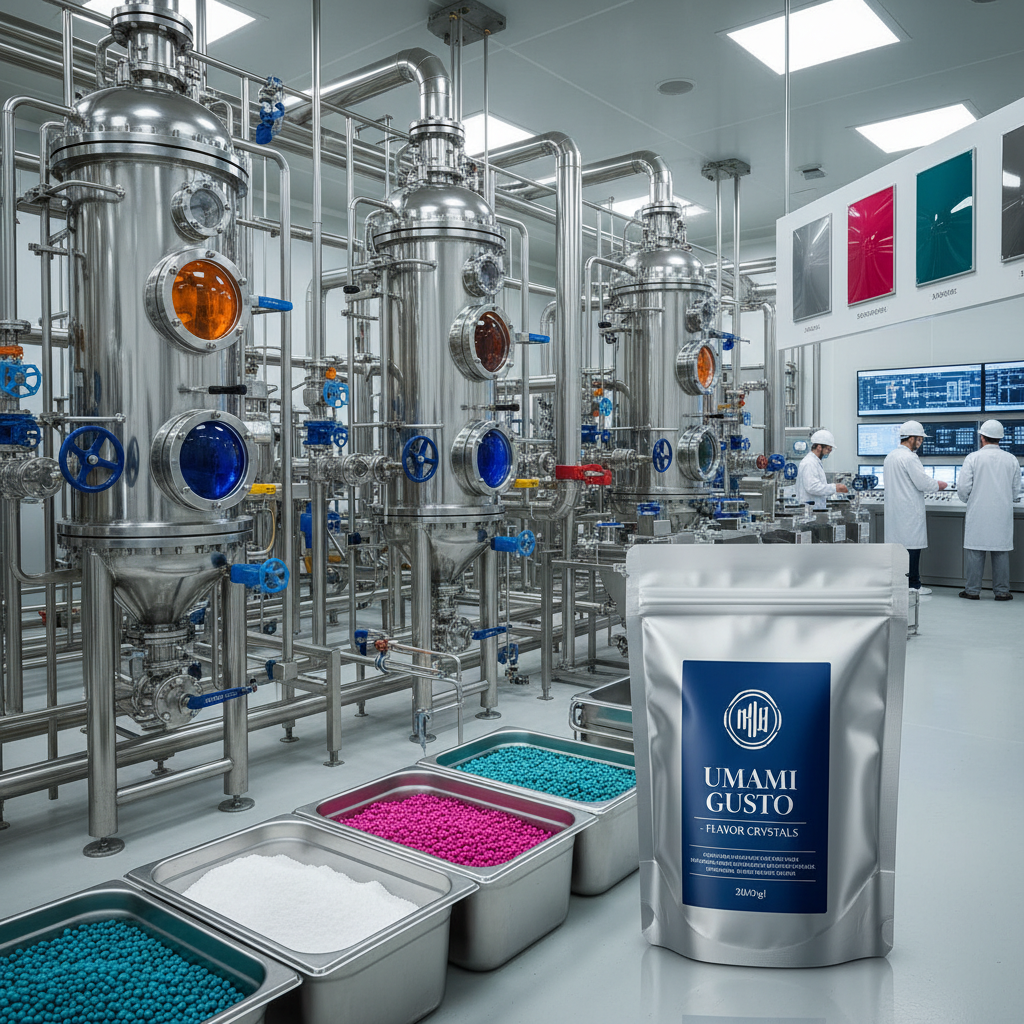
The global demand for high-quality savory enhancers has led to a significant rise in the adoption of specialized seasoning components designed to mimic rich, slow-cooked flavors. Among these, the concept of a concentrated savory base, often sought as chicken bone broth powder, represents the pinnacle of umami-driven culinary science, providing a depth of flavor that is essential for modern food processing.
In the competitive landscape of the food additive industry, achieving a consistent "bone-broth" profile requires precision fermentation and high-purity ingredients. By utilizing Monosodium Glutamate (MSG) as a core building block, manufacturers can replicate the complex savory notes associated with traditional simmering processes, ensuring that the final product maintains a stable, uniform taste across massive production scales.
Understanding the technical specifications of these enhancers allows food scientists to optimize the palatability of various products, from instant soups to gourmet sauces. The integration of chicken bone broth powder profiles into commercial formulations ensures a balance of flavor that meets international safety standards while satisfying the consumer's desire for authentic, savory richness.
The Global Industrial Context of Savory Powders
The international food manufacturing sector is currently witnessing a paradigm shift toward "clean label" and high-efficiency flavor systems. With the global population increasing, the demand for ready-to-eat meals that do not sacrifice taste for convenience has surged. This has placed a spotlight on the production of chicken bone broth powder and similar umami-rich additives that can be scaled globally while adhering to ISO quality standards.
Industry data indicates that the precision fermentation of L-glutamic acid is the primary driver behind the consistency of these powders. By controlling the purity of the sodium glutamate monohydrate to a minimum of 99%, manufacturers can ensure that the savory foundation of their products remains unchanged regardless of the regional raw material variations, solving a critical challenge in global flavor standardization.
Defining the Essence of Savory Enhancers
In professional culinary terms, a savory enhancer like chicken bone broth powder is a concentrated medium designed to provide the "umami" taste—the fifth basic taste. This is achieved through the strategic use of sodium glutamate, which interacts with taste receptors on the tongue to intensify the perception of saltiness and richness, effectively simulating the result of hours of bone simmering in a fraction of the time.
Beyond simple taste, these powders serve a humanitarian and economic role by making nutrient-dense flavor profiles accessible to lower-income regions. By reducing the reliance on expensive, fresh animal proteins for every single batch of soup or sauce, food producers can provide palatable, high-quality meals at a significantly lower cost per serving without compromising on the sensory experience.
From a chemical perspective, the effectiveness of these enhancers relies on a stable pH balance (typically between 6.7 and 7.5) and high optical transmittance. This ensures that when the powder is integrated into a liquid matrix, it dissolves completely without altering the color or clarity of the final product, maintaining the aesthetic appeal required for commercial-grade food products.
Core Technical Components for Flavor Stability
The stability of chicken bone broth powder is governed by its chemical purity. A high assay of 99% minimum sodium glutamate monohydrate ensures that there are no unwanted by-products that could lead to off-flavors during the heating process. This level of purity is critical for products that undergo sterilization or high-temperature canning.
Strict control over trace elements is another pillar of quality. For instance, maintaining iron content below 5ppm and heavy metals below 10ppm is not just a matter of safety compliance but also prevents the oxidation of fats in the food matrix. This prevents the "rancid" taste that can sometimes plague lower-quality versions of chicken bone broth powder.
Finally, the physical form of the crystalline glutamate used in these powders allows for uniform mixing. Whether the end goal is a spice blend or a liquid concentrate, the consistent particle size ensures that the savory profile is distributed evenly, preventing "hot spots" of intense flavor and ensuring every bite of the food is perfectly balanced.
Practical Applications in Global Food Processing
The versatility of chicken bone broth powder makes it a staple in various industrial sectors. In seasoning and condiment manufacturing, it acts as the foundational building block for complex spice mixes, allowing companies to create a consistent "chicken" profile that can be exported to different continents without changing the formula.
In the realm of ready-to-eat (RTE) meals and canned goods, these enhancers are used to maintain savory notes that would otherwise be lost during the retort process. By integrating stable glutamate salts, manufacturers ensure that a soup tastes as fresh and rich after six months on a shelf as it did on the day of production.
Performance Efficiency of Various Savory Base Methods
Long-Term Value of Standardized Umami Bases
Investing in standardized components like chicken bone broth powder provides immense logistical and financial advantages. By reducing the need for large-scale simmering of actual bones in every facility, companies can drastically cut water usage, energy consumption, and waste disposal costs, contributing to a more sustainable production cycle.
Beyond the numbers, there is an emotional value in reliability. When a global restaurant chain knows that their savory base will taste exactly the same in Tokyo as it does in New York, it builds consumer trust. This reliability is only possible through the use of certified, high-purity additives that eliminate the volatility of natural agricultural raw materials.
Future Innovations in Savory Technology
The future of chicken bone broth powder is leaning heavily toward digital transformation and automation in fermentation. New AI-driven bioreactors are now capable of optimizing the yield of L-glutamic acid in real-time, further increasing the purity and reducing the environmental footprint of the production process.
Furthermore, there is a growing trend toward hybridizing these powders with plant-based proteins to cater to the "flexitarian" market. By blending traditional sodium glutamate with yeast extracts or mushroom powders, manufacturers can create a "bone broth" experience that appeals to a wider demographic while maintaining the same high-impact umami profile.
Sustainability policies are also driving a shift toward more eco-friendly packaging. Moving from traditional plastic bags to biodegradable, industrial-grade polymers for bulk shipments (up to 25kg) ensures that the supply chain for these essential additives aligns with global green energy and waste reduction goals.
Overcoming Challenges in Bulk Supply Chains
One of the primary challenges in the distribution of chicken bone broth powder is maintaining stability during long-distance maritime transport. Moisture ingress can lead to clumping, which disrupts the automated mixing systems in food factories. This is solved by implementing strict moisture-barrier packaging and utilizing climate-controlled shipping containers from ports like Qingdao.
Another hurdle is navigating the complex regulatory landscape of different countries. Each region has its own thresholds for additives and heavy metals. By adhering to ISO9001:2000 certifications and providing detailed COAs (Certificates of Analysis), manufacturers can ensure a seamless customs process and immediate integration into the client's production line.
Finally, the volatility of raw grain prices can impact the cost of fermentation. To overcome this, leading producers employ strategic sourcing and long-term contracts for high-purity grain raw materials. This ensures a stable price point for the end-user, allowing food brands to maintain their pricing strategies without frequent adjustments.
Analysis of Supply Chain and Quality Dimensions for Savory Powders
|
Risk Factor
|
Impact on Quality
|
Mitigation Strategy
|
Efficiency Score (1-10)
|
|
Humidity Exposure
|
Powder Clumping
|
Vacuum Sealed Foil Packaging
|
9
|
|
Heavy Metal Trace
|
Safety Compliance
|
Precision Filtration & Testing
|
10
|
|
Raw Material Flux
|
Price Volatility
|
Direct Grain Sourcing Contracts
|
7
|
|
pH Imbalance
|
Altered Taste Profile
|
Buffered Solution Stabilization
|
8
|
|
Transport Delay
|
Inventory Shortage
|
Regional Warehouse Hubs
|
6
|
|
Inconsistent Assay
|
Variable Savory Intensity
|
Batch-by-Batch HPLC Testing
|
10
|
FAQS
High-purity MSG, often the core of chicken bone broth powder, offers unmatched consistency and stability. Unlike traditional broth, it does not spoil, is easy to transport in powder form, and provides a precise, repeatable umami intensity that is critical for large-scale food manufacturing across different regions.
A stable pH range of 6.7 to 7.5 ensures that the powder is compatible with a wide variety of food matrices. If the pH is too acidic or alkaline, it can alter the natural flavor of the dish or cause the powder to react poorly with other ingredients, leading to unwanted textures or flavor profiles in the final product.
Yes, when sourced from certified factories, these products adhere to ISO9001:2000 standards. Strict control over heavy metals (below 10ppm) and iron content (below 5ppm) ensures they meet the rigorous safety requirements of the EU, USA, and Asian markets, making them ideal for global food supply chains.
Absolutely. Because the primary component is derived from precision fermentation of grain raw materials, it provides the "meaty" umami profile required for plant-based meats and vegan soups without using actual animal products, making it a versatile tool for the growing meat-alternative market.
Bulk powder should be stored in a cool, dry environment away from direct sunlight. Using moisture-proof packaging, such as the 25kg bags provided by certified factories, prevents clumping and maintains the 99% assay purity over the product's shelf life, ensuring consistent performance during mixing.
Commercial clients can contact the export team via the website to request product samples. We provide various specifications, from small 50g bags for lab testing to larger quantities for pilot production runs, ensuring you can verify the purity and taste performance before placing a bulk order.
Conclusion
In summary, the strategic use of high-purity sodium glutamate to create chicken bone broth powder profiles allows food manufacturers to achieve a perfect balance of flavor, stability, and cost-efficiency. By controlling chemical purity, trace elements, and pH levels, the industry can provide consistent, high-quality savory experiences that meet the rigorous demands of the global market while adhering to international safety and quality standards.
Looking forward, the integration of AI-driven fermentation and sustainable packaging will further refine the production of these essential enhancers. For companies seeking to elevate their flavor profiles and streamline their production costs, partnering with a certified factory origin ensures a reliable supply of premium savory components. Visit our website to secure your supply: www.standard-seasoning.com