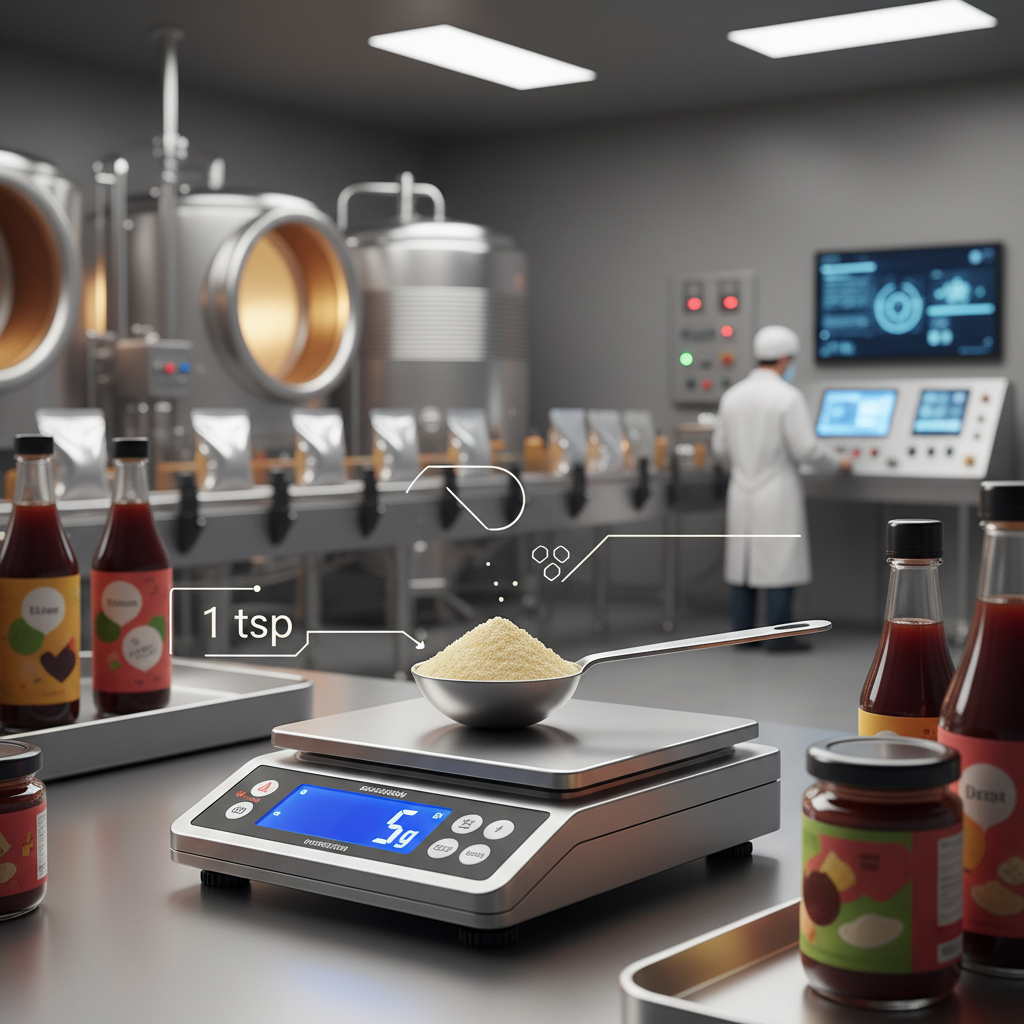
In the modern food manufacturing landscape, maintaining the delicate balance between sensory appeal and long-term stability is a primary challenge. The integration of high-quality additives and food flavourings allows producers to create products that not only taste exceptional but remain safe for consumption over extended periods. By understanding the synergy between preservatives and aromatic components, manufacturers can ensure consistency across global supply chains.
The global demand for processed foods with extended shelf lives has driven significant innovation in chemical preservation. While the focus often remains on the final taste profile, the underlying structural integrity of the food—protected from yeasts, molds, and bacteria—is what allows those flavors to remain vibrant. The strategic use of acidic preservatives ensures that the organoleptic properties of a product are not compromised by microbial degradation.
For professionals in the food additive industry, the goal is to optimize the intersection of safety and taste. Utilizing premium-grade Sodium Benzoate alongside carefully selected food flavourings ensures that the final product meets international regulatory standards while delivering the precise flavor profile desired by consumers.
The Role of Preservation in Food Flavourings
Preservation is the invisible foundation that supports the success of any aromatic profile in commercial food production. Without effective antimicrobial action, the complex notes provided by food flavourings would quickly be overwhelmed by the off-odors and tastes associated with spoilage. Sodium Benzoate, as an acidic preservative, ensures that the environment remains inhospitable to yeast and mold, thereby locking in the intended flavor characteristics.
By inhibiting microbial growth in acidic media (pH 2.5-4.0), manufacturers can maintain the original color, texture, and taste of their products. This allows for a seamless blend where the preservative acts silently in the background, ensuring that the consumer experiences the product exactly as the food scientist intended, regardless of the storage duration or transport distance.
Technical Specifications of Sodium Benzoate
Sodium Benzoate (C6H5CO2Na), identified as E211, is the sodium salt of benzoic acid and is recognized globally as a highly efficient acidic preservative. It typically appears as a white crystalline powder or granules, characterized by being odorless or possessing a very slight benzoin scent with a slightly sweet and astringent taste. Its high solubility in water—approximately 53.0g per 100ml at room temperature—makes it an ideal choice for liquid-based food formulations.
From a technical standpoint, the efficacy of Sodium Benzoate is heavily dependent on the pH of the medium. It exhibits its strongest bactericidal and bacteriostatic effects in environments with a pH range of 2.5 to 4.0. In contrast, its performance drops significantly at a pH of 5.0 or higher, which is why it is most commonly paired with acidic ingredients or adjusted via pH regulators to maximize its preservative power.
Industrial production of this additive focuses on purity and stability to prevent interference with other food flavourings. With a purity standard of ≥99.0%, the material ensures that there are no unwanted by-products that could cause cloudiness in transparent beverages or unexpected chemical reactions in complex sauces and jams.
Core Components for Industrial Stability
Achieving industrial stability requires a focus on solubility and dispersion. When incorporating additives alongside food flavourings, the ability of the preservative to dissolve rapidly and distribute evenly is critical. A free-flowing, fine crystalline powder prevents clumping and ensures that every unit of the final product contains the exact required dose of preservative.
The interaction between pH levels and antimicrobial efficacy is the core component of the preservation process. For manufacturers using food flavourings in soft drinks, fruit juices, or pickles, maintaining a pH below 4.0 is essential. This ensures the Sodium Benzoate effectively inhibits the growth of molds and yeasts without altering the sensory profile of the product.
Furthermore, compatibility with other ingredients is paramount. Whether the formulation includes baking soda in confectionery or complex emulsions in sauces, the preservative must remain stable. This compatibility prevents the degradation of the product's visual appeal and ensures that the additive does not clash with the aromatic properties of the food flavourings used.
Global Application Performance Analysis
The application of Sodium Benzoate spans multiple continents and industries, from large-scale beverage plants in North America to artisanal condiment producers in Asia. Its versatility allows it to be used in a wide array of products, including fruit juices, soda pops, jams, and preserved beancurd. In these contexts, it works in tandem with food flavourings to provide a consistent consumer experience globally.
Beyond the food sector, this additive is utilized in the pharmaceutical industry for drug anticorrosion and in the daily-use industry for the preservation of toothpaste, adhesives, and inkpads. Its reliable performance in diverse environments makes it a cornerstone of modern chemical preservation, ensuring that products remain stable from the factory floor to the end consumer.
Efficacy Rating of Preservative Methods for Food Flavourings
Advantages of High-Purity Preservatives
Using high-purity Sodium Benzoate offers significant operational advantages. For manufacturers, the primary benefit is the elimination of off-flavors and cloudiness, which are common risks when using lower-grade substitutes. This is especially critical in the production of transparent beverages, where the aesthetic purity is as important as the taste provided by food flavourings.
Moreover, a consistent particle size and high solubility facilitate precise dosing in automated production lines. This reduces waste and minimizes the risk of quality control failures, allowing companies to scale their production from small batches to thousands of metric tons per month without compromising the safety or the sensory quality of the final product.
Future Innovations in Food Preservation
The future of food preservation is moving toward a more integrated approach, where preservatives are blended with natural extracts to create "clean label" profiles. Research is currently focused on how acidic preservatives can be synergistic with natural antimicrobial agents, ensuring that food flavourings remain stable even as consumer preferences shift toward more organic options.
Digital transformation is also playing a role, with the implementation of real-time pH monitoring and automated dosing systems. These technologies allow for the precise application of Sodium Benzoate, optimizing the amount used to achieve maximum preservation while ensuring that the sensory experience remains untainted.
Additionally, the development of advanced crystallization and drying techniques is producing powders with even higher solubility and stability. This evolution ensures that industrial food processors can maintain the highest safety standards while continuing to innovate with new and complex food flavourings.
Quality Standards and Regulatory Compliance
Adherence to strict quality standards, such as GB1902-05, is non-negotiable in the food additive industry. Key metrics include maintaining a purity level of ≥99.0%, keeping water content ≤1.5%, and strictly limiting heavy metals and arsenic to prevent contamination. These parameters ensure that the preservative does not introduce any harmful elements into the food chain.
Regulatory compliance is further validated through certifications like SGS, which provide international buyers with the confidence that the product meets global safety requirements. For manufacturers exporting to various regions, having a certified supply chain is essential for navigating the complex customs and food safety laws of different countries.
Ultimately, the synergy between purity, certification, and performance allows manufacturers to focus on the creative aspect of their products—such as the development of unique food flavourings—while knowing that the foundation of their product's safety is scientifically guaranteed.
Analysis of Sodium Benzoate Quality Index for Food Preservation
|
Quality Item
|
Standard Index
|
Impact on Flavourings
|
Compliance Level
|
| Content Purity |
≥ 99.0% |
Prevents off-tastes |
High |
| Water Content |
≤ 1.5% |
Ensures powder flow |
Strict |
| Heavy Metals |
≤ 0.001% |
Safety guaranteed |
Compliant |
| Arsenic |
≤ 0.0002% |
Toxicity prevention |
Compliant |
| Sulphate |
≤ 0.10% |
Prevents cloudiness |
High |
| Solubility |
53g/100ml |
Uniform distribution |
Excellent |
FAQS
When used in the correct dosage and within the recommended pH range, Sodium Benzoate is virtually tasteless and odorless, ensuring it does not interfere with the sensory profile of your food flavourings. High-purity grades are specifically designed to avoid the "off-flavors" associated with impurities, maintaining the integrity of the original recipe.
Sodium Benzoate is an acidic preservative and is most effective in environments with a pH between 2.5 and 4.0. In this range, it provides strong antimicrobial protection against yeasts and molds. If the pH exceeds 5.0, its bactericidal effect diminishes significantly, requiring pH adjustment to maintain shelf life.
While it can be added to various products, its antimicrobial efficacy is limited in neutral or alkaline environments. For non-acidic foods, it is often used in combination with other preservatives or in conjunction with pH-lowering agents to create the acidic environment necessary for the preservative to function.
Yes, Sodium Benzoate is compatible with baking soda under specific, controlled formulations. This versatility allows it to be used in bakery and confectionery processes without compromising the texture or the aromatic properties of the flavorings used in the dough or batter.
Our products are manufactured under stringent quality control measures and are certified by SGS. We adhere to international standards such as GB1902-05, ensuring high purity (≥99%), low heavy metal content, and consistent particle size for industrial reliability.
The fine, free-flowing crystalline powder form allows for precise weighing and dosing, which is critical for consistency in large-scale production. Its high solubility ensures rapid dissolution in water-based systems, preventing clumps and ensuring an even distribution of the preservative throughout the product.
Conclusion
The successful commercialization of food products depends on the seamless integration of safety and sensory appeal. By utilizing high-purity Sodium Benzoate, manufacturers can effectively inhibit microbial growth in acidic media, thereby protecting the complex aromatic profiles provided by food flavourings. From maintaining pH-dependent efficacy to adhering to global quality standards like SGS and GB1902-05, the technical precision of preservation is what allows food products to travel globally while remaining fresh and appealing.
As the industry moves toward smarter, more automated production and "cleaner" labels, the demand for reliable, high-performance additives will only grow. We encourage food technologists and manufacturers to prioritize purity and solubility to optimize their production efficiency and ensure consumer safety. For premium preservation solutions that support your creative flavor profiles, visit our website: www.standard-seasoning.com