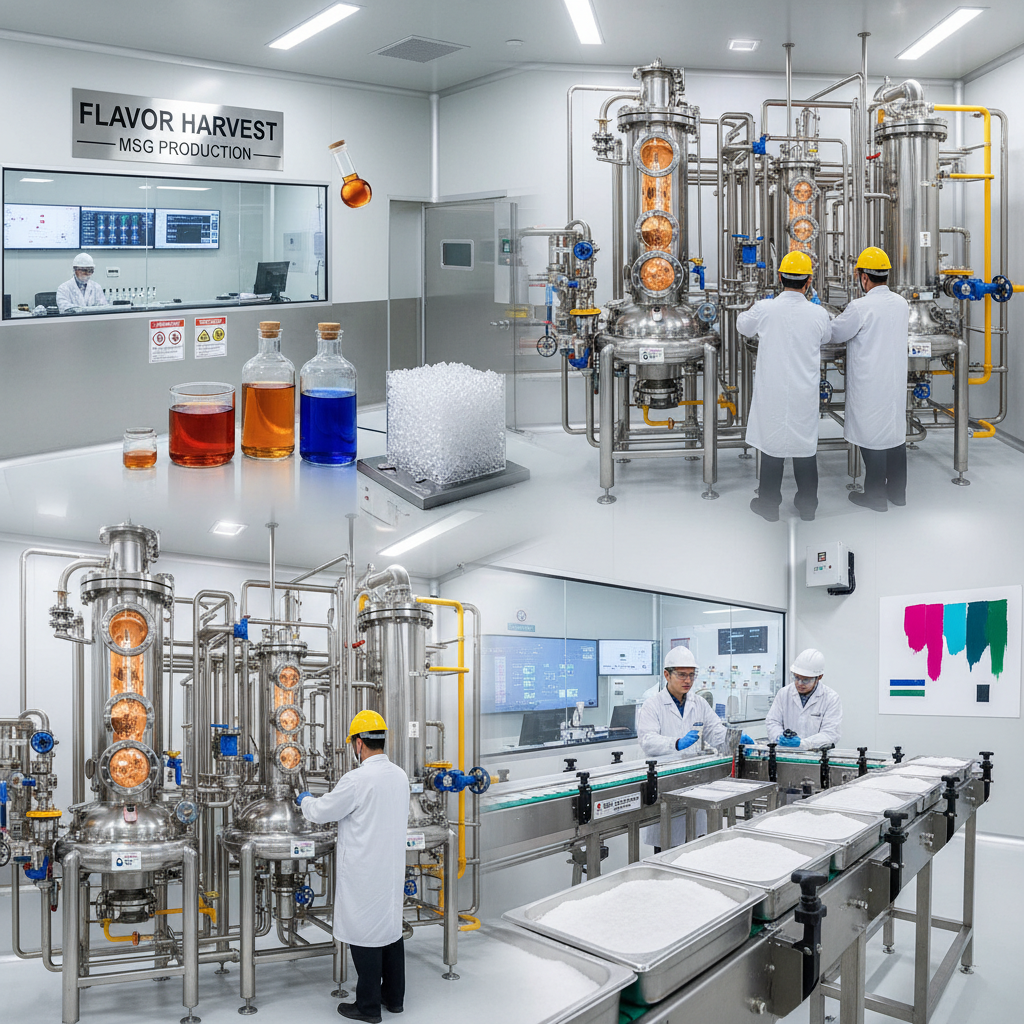
Monosodium glutamate ica represents a critical standard in the global food additive industry, serving as a cornerstone for flavor enhancement across diverse culinary traditions. By optimizing the umami profile of food products, this essential additive allows manufacturers to achieve a savory depth that appeals to consumers worldwide, particularly in emerging markets where taste consistency is paramount.
The industrial production of high-purity monosodium glutamate ica involves rigorous quality control to ensure that chemical parameters, such as transmittance and PH levels, meet international safety standards. In an era of increasing food scrutiny, providing a product that adheres to ISO9001:2000 certifications ensures that food producers can maintain reliability and safety in their supply chains.
Whether used in processed foods or as a laboratory reagent, the versatility of monosodium glutamate ica makes it an indispensable tool for enhancing palatability and reducing the need for excessive salt. Understanding its chemical properties and application methods is key to maximizing its commercial value in the global marketplace.
Technical Specifications of Monosodium Glutamate ica
The technical profile of monosodium glutamate ica is defined by its precise molecular structure, C5 H8 NO4 Na H2O, ensuring a consistent molecular weight of 187.13. For industrial users, the 20 mesh size is particularly advantageous, offering a "big mesh" crystal structure that is highly favored in the African market due to its solubility and handling characteristics.
With a purity content of 99% and a transmittance of 98%, this grade of monosodium glutamate ica ensures that the final food product remains clear and free from impurities. Strict control over heavy metals (10ppm) and iron (5ppm) allows it to meet the most stringent international food safety requirements, making it a reliable choice for large-scale manufacturers.
The Global Market Demand for Monosodium Glutamate ica
The global demand for monosodium glutamate ica is driven by the universal pursuit of flavor optimization in the food and beverage sector. As urbanization increases and the consumption of processed foods rises in developing regions, the need for cost-effective flavor enhancers has surged, positioning MSG as a primary solution for achieving the desired "umami" taste.
Market dynamics show a significant preference for specific mesh sizes depending on the region. For instance, the 20 mesh variant of monosodium glutamate ica is particularly dominant in various African markets, where it is integrated into local seasoning blends and commercial food production to enhance palatability without significantly increasing raw material costs.
Furthermore, the ability of China-based factories to maintain a high productivity rate of 500 MT per month ensures a stable global supply chain. This scalability allows international buyers to secure consistent volumes of monosodium glutamate ica, mitigating the risks of supply shortages in competitive retail environments.
Core Chemical Properties and Purity Standards
At its core, monosodium glutamate ica is the sodium salt of glutamic acid, a naturally occurring amino acid. Its primary function is to trigger the umami taste receptors on the tongue, which creates a sensation of richness and depth in salted foods, typically used in concentrations ranging from 0.2% to 0.9%.
The purity of monosodium glutamate ica is verified through strict analytical parameters, including a PH range of 6.7 to 7.5 and minimal chloride levels (0.1%). These specifications prevent the additive from altering the natural PH of the food product, ensuring that the flavor enhancement does not come at the cost of chemical instability.
Maintaining a sulfate level of 0.05% is critical for the stability of monosodium glutamate ica during long-term storage. By adhering to ISO9001:2000 standards, manufacturers ensure that every batch delivered from ports like Qingdao maintains these exact specifications, providing peace of mind to pharmaceutical and food grade importers.
Application Efficiency in Food Processing
Integrating monosodium glutamate ica into food production is an exercise in precision. When used in normally salted foods, the additive acts as a catalyst that enhances the existing flavors of the ingredients, allowing producers to reduce overall sodium intake while maintaining a high-quality taste profile.
Beyond simple flavor enhancement, monosodium glutamate ica serves a strategic purpose in the pharmaceutical industry. When combined with sugar, it is used to mask the bitterness of certain drugs, thereby improving the palatability and patient compliance for oral medications.
Performance Analysis of Monosodium Glutamate ica Grades
Logistics and Packaging Solutions for Bulk Supply
The transportation of monosodium glutamate ica requires specialized packaging to prevent moisture absorption and contamination. Depending on the target market, packaging options range from small 50g or 455g bags for retail and laboratory use to industrial-scale 25kg bags for factory-level processing.
Logistical efficiency is maximized through a combination of ocean and land transportation. By utilizing the Port of Qingdao, manufacturers can ensure that shipments of monosodium glutamate ica reach global destinations with minimal lead times, while maintaining the structural integrity of the 20 mesh crystals.
Integration of MSG in Pharmaceutical and Lab Use
While primarily known as a food additive, monosodium glutamate ica plays a vital role as a laboratory reagent. Its precise chemical composition and high purity levels make it suitable for biochemical research and the study of glutamic acid receptors in neurological science.
In the pharmaceutical sector, the application of monosodium glutamate ica extends to the formulation of liquid medications. By acting as a taste modifier, it helps in creating pediatric medicines that are easier for children to ingest, reducing the psychological barrier associated with bitter pharmacological compounds.
The dual-use nature of this product—serving both the food industry and the scientific community—highlights the necessity for strict adherence to CAS No: 32221-81-1 and HS Code: 21039010. This standardization ensures that the monosodium glutamate ica used in a lab is of the same chemical quality as that used in high-end food manufacturing.
Future Innovations in MSG Production Technology
The future of monosodium glutamate ica production is trending toward increased sustainability and biotechnology. Current research focuses on optimizing the fermentation process to reduce energy consumption and minimize the environmental footprint of large-scale factories while maintaining the 99% purity standard.
Digital transformation is also impacting the supply chain of monosodium glutamate ica. The implementation of automated quality tracking and blockchain-enabled logistics allows buyers to trace their shipment from the China-origin factory to the final destination, ensuring that the ISO certification is maintained throughout the journey.
Moreover, innovations in crystal engineering are allowing for the development of specialized mesh sizes tailored to specific industrial needs. The evolution of monosodium glutamate ica will likely involve more "custom-mesh" options that optimize dissolution rates for automated food production lines, further increasing operational efficiency.
Analysis of Monosodium Glutamate ica Performance Metrics
| Metric Category |
Standard Value |
Impact on Quality |
Market Relevance |
| Purity Content |
99% |
High Stability |
Premium Grade |
| Mesh Size |
20 Mesh |
Optimal Solubility |
Africa Market Favorite |
| PH Level |
6.7 - 7.5 |
Neutral Effect |
Food Grade Standard |
| Transmittance |
98% |
Visual Clarity |
Lab/Pharma Grade |
| Heavy Metals |
<10ppm |
Safety Compliance |
Global Export Ready |
| Supply Ability |
500 MT/Month |
Chain Reliability |
Industrial Scale |
FAQS
The 20 mesh size provides a larger crystal structure that is highly valued for its specific solubility and handling properties. In many African culinary and industrial applications, this "big mesh" format is easier to blend into traditional seasoning mixes and is perceived as a mark of quality and purity in the local trade.
In pharmaceutical applications, monosodium glutamate ica is combined with sugar to counteract the bitter taste of certain active pharmacological ingredients. This improves the palatability of the drug, which is especially critical for pediatric patients who may otherwise refuse to take necessary medication.
Yes, the 99% purity content, combined with strict limits on heavy metals (10ppm) and iron (5ppm), ensures that the product is safe for food consumption. Adherence to ISO9001:2000 certifications guarantees that the manufacturing process meets international health and safety standards.
For optimal flavor enhancement without overpowering the natural taste of the food, it is generally recommended to use monosodium glutamate ica in concentrations between 0.2% and 0.9% in normally salted food products.
The product is primarily shipped via the Port of Qingdao using a combination of ocean and land transportation. To ensure quality, it is packed in secure 25kg bags or smaller retail bags, preventing moisture contamination during long-distance transit.
Absolutely. Due to its high transmittance (98%) and precise chemical specifications (CAS No: 32221-81-1), this product is suitable for use as a laboratory reagent in biochemical research and analysis.
Conclusion
In summary, monosodium glutamate ica stands as a vital industrial additive that bridges the gap between basic nutrition and sensory satisfaction. Through its precise 20 mesh specifications, 99% purity, and adherence to ISO standards, it provides food and pharmaceutical manufacturers with a reliable means of enhancing flavor and palatability while maintaining strict safety guidelines.
Looking forward, the continued optimization of production technologies and sustainable logistics will further solidify the role of monosodium glutamate ica in the global supply chain. For businesses seeking a high-capacity, quality-guaranteed supplier of MSG, partnering with an experienced China-origin factory is the most effective path to ensuring product consistency and market competitiveness. Visit our website: www.standard-seasoning.com