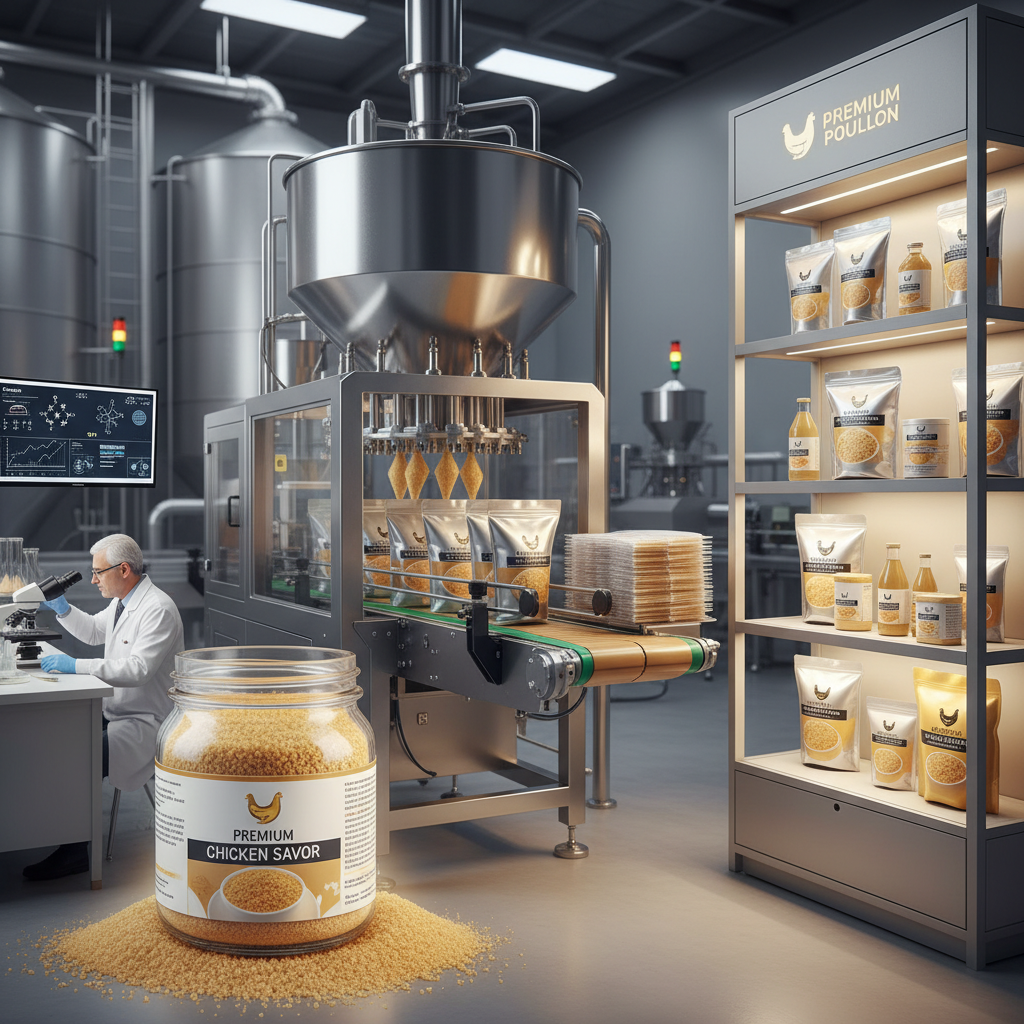
Monosodium glutamate, a cornerstone of the global flavor enhancement industry, plays a pivotal role in modifying the sensory profile of diverse culinary applications. As a sodium salt of glutamic acid, this additive is essential for achieving the savory "umami" taste, which is recognized as the fifth basic taste alongside sweet, sour, salty, and bitter. Its ability to intensify flavors makes it an indispensable tool for food manufacturers seeking to maintain consistency and palatability across large-scale production.
In the global marketplace, the demand for a high-quality monosodium glutamate food additive is driven by the need for efficient, cost-effective ways to improve the taste of processed foods. From savory snacks and instant noodles to complex sauces and pharmaceutical applications, the versatility of MSG allows producers to reduce sodium chloride levels while maintaining a satisfying taste profile. This balance is critical for meeting modern health standards without sacrificing the consumer experience.
Understanding the technical specifications, such as mesh size and purity, is crucial for optimizing its application. For instance, the 20 mesh variety is particularly favored in specific regional markets, such as Africa, due to its solubility and handling characteristics. By adhering to strict quality standards like ISO9001:2000, manufacturers ensure that this monosodium glutamate food additive provides consistent results, ensuring that the final product meets the rigorous expectations of both industrial clients and end consumers.
Technical Specifications of 20 Mesh MSG
The 20 mesh Monosodium Glutamate is characterized by its specific crystal size, which makes it a preferred choice for industrial applications requiring a balance between dissolution speed and stability. With a molecular weight of 187.13 and a molecular formula of C5 H8 NO4 Na H2O, this product ensures a high degree of purity at 99%, providing a reliable foundation for flavor enhancement.
Its physical properties are optimized for various packaging needs, ranging from small 50g bags for retail to 25kg bags for industrial use. This flexibility, combined with a high production capacity of 500 MT per month, allows manufacturers to scale their operations efficiently while maintaining the structural integrity of the crystals.
Global Market Relevance and Demand
On a global scale, the demand for the monosodium glutamate food additive is significant, particularly in regions with a strong culture of savory cuisine. In the African market, for instance, the 20 mesh variety is exceptionally popular due to its ability to blend seamlessly into local food processing workflows, enhancing the palatability of staple foods.
The industrial relevance of MSG extends beyond simple taste; it is a tool for economic efficiency. By using a precise concentration of 0.2% to 0.9% in salted foods, manufacturers can achieve a premium taste profile without the need for expensive, naturally derived glutamate sources, thereby lowering the cost of goods sold.
Moreover, the adherence to international standards such as ISO9001:2000 ensures that this additive can be traded globally via major ports like Qingdao. This standardization reduces trade barriers and provides importers with the confidence that the chemical composition—specifically the low levels of heavy metals and iron—meets safety regulations.
Core Functional Components and Purity
The efficacy of a monosodium glutamate food additive is primarily determined by its chemical purity and the absence of contaminants. A content level of 99% ensures that the umami effect is potent and consistent, while a transmittance of 98% indicates a high level of clarity and lack of impurities in the crystal structure.
Strict control over parameters such as Chloride (0.1%) and Sulfate (0.05%) is essential to prevent any off-tastes or chemical reactions in the final food product. By maintaining a pH range of 6.7 to 7.5, the monosodium glutamate food additive remains stable and compatible with a wide variety of other ingredients, including sugars and acids.
Furthermore, the limitation of heavy metals to 10ppm and iron to 5ppm is not merely a regulatory requirement but a quality benchmark. These constraints ensure that the additive does not interfere with the color or shelf-life of the food, preserving the natural appearance of the product while enhancing its taste.
Industrial Application Efficiency
When integrating a monosodium glutamate food additive into a production line, the focus is often on the synergy between the additive and other components. In the pharmaceutical sector, for example, MSG is used in conjunction with sugar to improve the palatability of bitter drugs, demonstrating its versatility beyond the food industry.
The efficiency of the 20 mesh size allows for rapid dispersion in liquid bases and uniform mixing in dry blends. This prevents "hot spots" of flavor and ensures that every serving of the product provides a consistent sensory experience for the consumer.
Comparative Efficiency of MSG Grade Applications
Diverse Use Cases Across Industries
The application of monosodium glutamate food additive is widespread, serving as a primary flavor enhancer in the food industry. It is most effective when used in concentrations of 0.2-0.9% in normally salted foods, where it interacts with other savory components to create a deep, rich taste.
Beyond commercial food production, it serves as a critical laboratory reagent for biochemical research. Its well-defined molecular structure and high purity make it an ideal candidate for studies involving glutamate receptors and neural signaling, bridging the gap between industrial food science and medical research.
Long-term Value and Reliability
The long-term value of sourcing a monosodium glutamate food additive from a certified China-origin factory lies in the stability of the supply chain. With a monthly supply ability of 500 MT, industrial users can avoid production downtime and maintain a consistent flavor profile across different batches of their final product.
Reliability is further reinforced by the use of standardized packaging. Whether it is the 455g small packs for targeted markets or the 25kg industrial bags, the packaging is designed to protect the product from moisture and contamination during ocean or land transportation.
Ultimately, the trust established through ISO certification and consistent chemical specifications allows brands to innovate. By relying on a steady source of high-purity MSG, food scientists can focus on creating new recipes and flavor combinations, knowing that the base umami component will perform predictably every time.
Quality Control and Logistics Standards
Quality control for the monosodium glutamate food additive begins at the molecular level. By monitoring the molecular formula C5 H8 NO4 Na H2O and ensuring the CAS No: 32221-81-1 is accurate, manufacturers guarantee that the product is exactly what the customer expects, preventing any regulatory issues during customs clearance.
Logistics are optimized for global reach, utilizing the Port of Qingdao for efficient ocean freight. The use of HS Code 21039010 ensures a smooth classification process, reducing delays in international shipping and lowering the administrative burden for importers.
The integration of rigorous testing for heavy metals and iron ensures that the product remains safe for human consumption over long periods. This commitment to safety and logistics excellence transforms a simple chemical powder into a high-value industrial asset.
Analysis of 20 Mesh MSG Quality and Logistics Metrics
| Metric Category |
Specification Standard |
Industrial Impact |
Reliability Score (1-10) |
| Purity Level |
99% Content |
Consistent flavor potency |
10 |
| Particle Size |
20 Mesh |
Optimal solubility in Africa market |
9 |
| Heavy Metals |
<10 ppm |
Food safety compliance |
10 |
| Supply Capacity |
500 MT/Month |
Scalability for large clients |
8 |
| Certifications |
ISO9001:2000 |
Quality assurance trust |
9 |
| Port Efficiency |
Qingdao Port |
Fast international transit |
8 |
FAQS
For most normally salted food products, the ideal concentration for the monosodium glutamate food additive ranges between 0.2% and 0.9%. Using it within this range allows manufacturers to maximize the umami flavor profile without overpowering other ingredients, ensuring a balanced and appetizing taste.
The 20 mesh size offers a specific crystal granularity that is highly valued for its solubility and ease of mixing in regional food processing methods. It provides a consistent dissolution rate that fits the local production equipment and culinary requirements, making it the most favorable choice for that specific market.
Yes, this monosodium glutamate food additive is utilized in the pharmaceutical industry, typically in combination with sugar. Its primary purpose in this context is to improve the palatability of medications that have an inherently bitter taste, making them easier for patients to consume.
We maintain a purity level of 99% and strictly adhere to ISO9001:2000 standards. Every batch is tested for contaminants, ensuring heavy metals are below 10ppm and iron is below 5ppm. These rigorous quality control measures ensure the product is safe and meets international food additive regulations.
We offer a versatile range of packaging to suit different needs. This includes large-scale 25kg bags for industrial manufacturing, as well as smaller 455g and 50g bags for retail or specialty distribution, ensuring the product is protected during transit via ocean or land.
Our product originates from a specialized factory in China with a significant supply ability of 500 MT per month. We utilize the Port of Qingdao for shipping, ensuring that global clients receive their orders efficiently through established ocean and land transportation networks.
Conclusion
In summary, the 20 mesh monosodium glutamate food additive stands as a vital component in the global food and pharmaceutical industries. By combining high purity (99%), strict adherence to ISO standards, and a robust supply chain, it provides manufacturers with a reliable means to enhance flavor and palatability. From its specific application in the African market to its role in masking bitterness in medicine, its versatility and efficiency are unmatched.
Looking forward, the demand for standardized, high-quality flavor enhancers will only grow as global food production becomes more complex. We recommend that industrial buyers prioritize suppliers who can guarantee both chemical consistency and logistical reliability to ensure long-term product success. For those seeking a premium, factory-direct source of MSG, we invite you to explore our capabilities. Visit our website: www.standard-seasoning.com