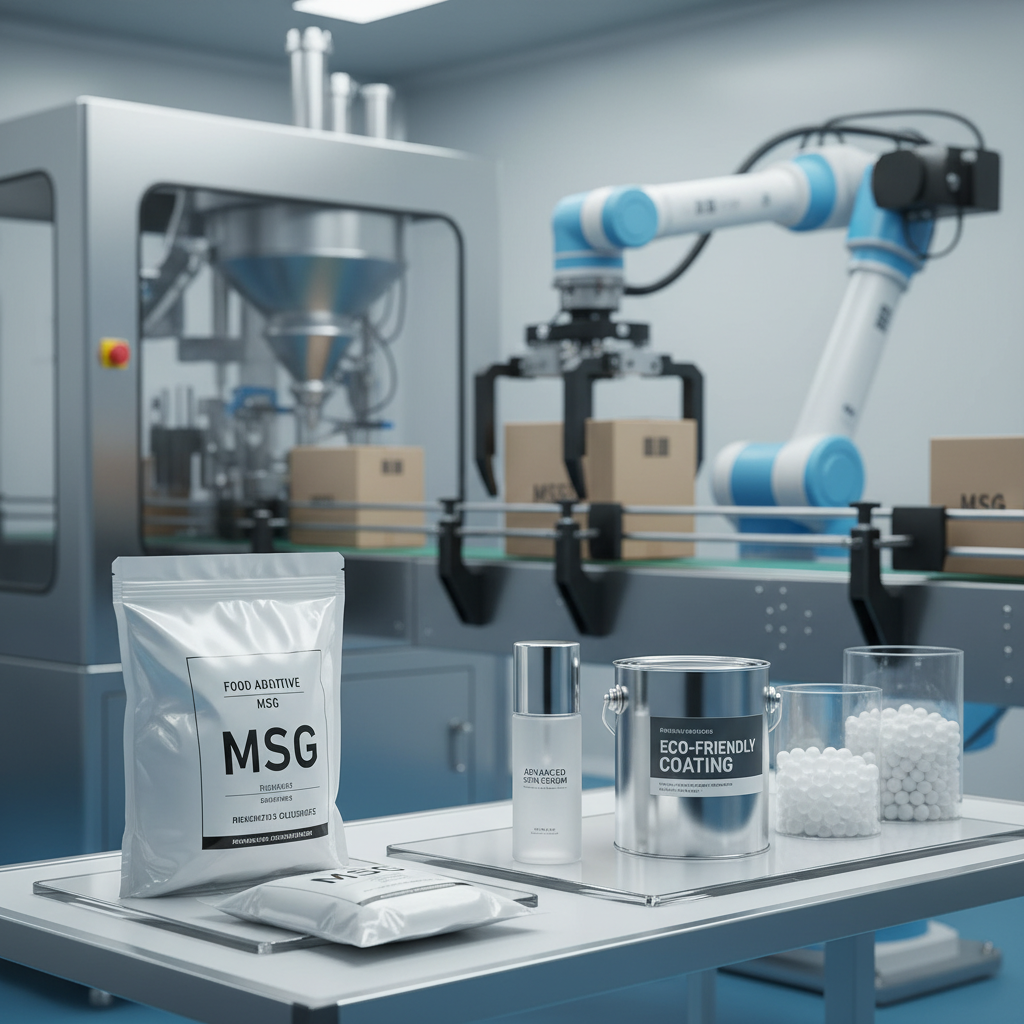
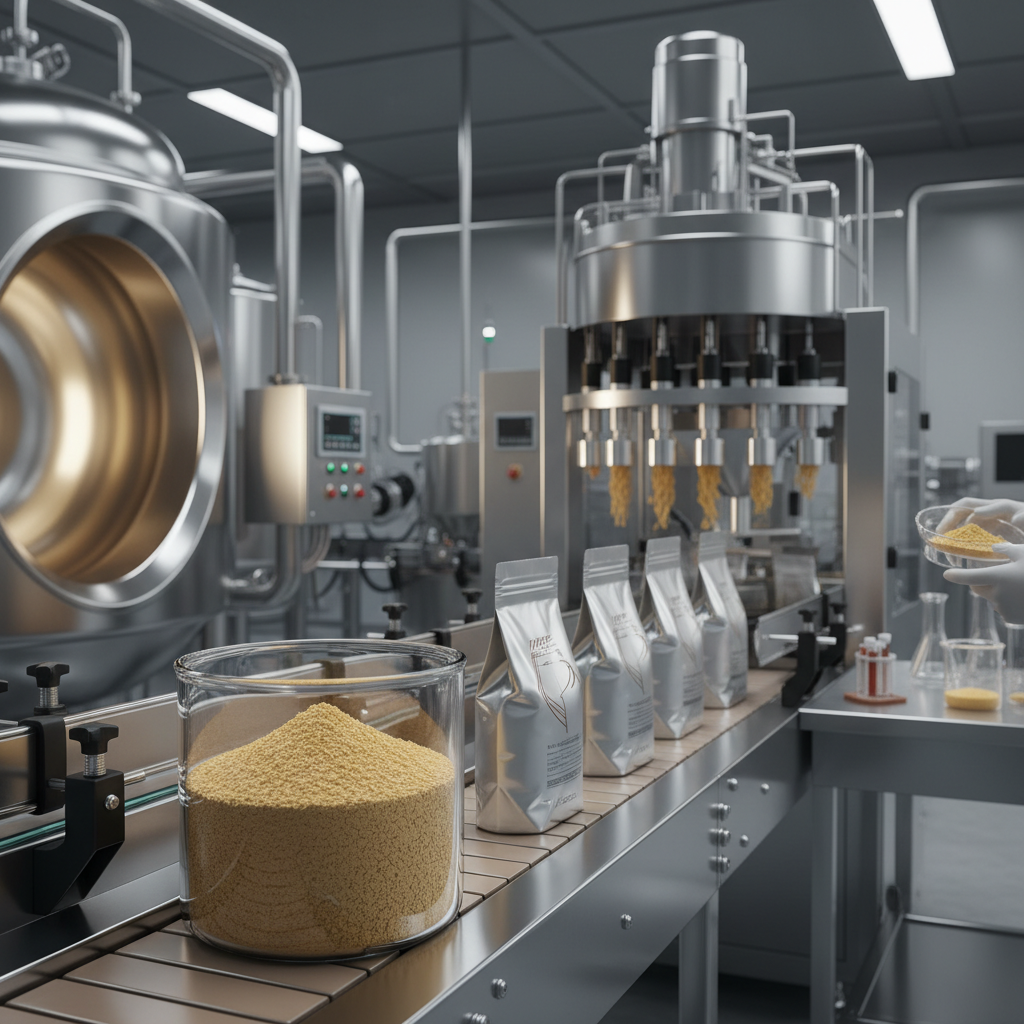
The global food industry is currently witnessing a significant shift toward healthier, low-calorie alternatives, placing an unprecedented demand on the operational capacity of any modern food additive factory. As consumers increasingly seek to reduce sugar intake without sacrificing taste, the production of high-purity sweeteners like Erythritol has become a cornerstone of nutritional innovation.
Operating a specialized food additive factory requires a delicate balance of chemical precision and food-grade safety standards to ensure that additives maintain their functional properties. From maintaining stability across various pH levels to preventing unwanted chemical reactions during food processing, the role of these facilities is critical in shaping the texture and flavor profiles of the products we consume daily.
By leveraging advanced manufacturing techniques, a professional food additive factory can produce Erythritol with a purity level of 99.5%-100.5%, providing the industry with a natural sweetener that offers only 0.4 kcal/g. This commitment to purity ensures that pharmaceutical and food manufacturers receive materials that are not only effective but also safe for global distribution.
The Role of Erythritol in Modern Food Production
Erythritol, a white crystalline C4 polyol compound, has revolutionized how a food additive factory approaches the challenge of sweetness. Unlike traditional sugars, it provides a pure sweetness profile that is 60-80% that of sucrose, making it an ideal replacement for manufacturers aiming to reduce calorie counts without altering the sensory experience of the end user.
The unique refreshing taste of Erythritol is further enhanced by its high solubility in tropical heat, ensuring that desserts and beverages maintain a consistent mouthfeel across different climates. This functionality allows brands to expand their market reach globally while adhering to strict dietary guidelines.
Chemical Stability and Technical Specifications
One of the primary technical advantages of Erythritol is its remarkable stability across a wide range of acidic and alkaline pH levels. This characteristic is essential for a food additive factory when developing products that undergo complex chemical processing, as it ensures the sweetener does not degrade or change flavor during production.
Furthermore, Erythritol does not undergo the Maillard reaction. In many food applications, the interaction between amino acids and reducing sugars causes browning (caramelization), which can negatively impact the visual appeal of a product. By using Erythritol, manufacturers can keep their foods bright and visually appealing.
From a specification standpoint, high-grade production targets a content range of 99.5%-100.5%. Strict limits on impurities, such as a maximum loss on dry of 0.2% and a maximum lead (Pb) content of 1mg/kg, are mandatory to meet international food safety standards.
Nutritional Advantages of Low-Calorie Polyols
The nutritional profile of polyols produced by a food additive factory is a key driver for the health-conscious consumer market. Erythritol stands out because it delivers only 0.4 kcal/g, a drastic reduction compared to the calories found in sucrose.
Integrating these low-calorie solutions allows a food additive factory to support the global fight against obesity and diabetes. Because it provides the psychological satisfaction of sweetness without the glycemic impact, it is widely regarded as a natural, low-energy sweetener.
Beyond weight management, the purity of the compound prevents the digestive distress often associated with other sugar alcohols. This makes the output of a quality food additive factory suitable for a broader range of consumers, including those with sensitive digestive systems.
Industrial Applications and Versatility
The versatility of Erythritol extends across various sectors of the food industry. It is frequently utilized in confectionery, bakery products, and beverages where a clean, refreshing sweetness is required. Its ability to remain stable under heat makes it particularly valuable for baked goods that require a consistent structure and color.
In the beverage industry, its high solubility ensures that clear liquids remain transparent and free of precipitates, even when stored in warm environments. This reliability is why many global brands rely on a consistent supply from a certified food additive factory to maintain their product standards.
Performance Metrics of Erythritol Production
Pharmaceutical Integration and Excipients
While primarily known for food, the high-purity output of a food additive factory is equally vital in the pharmaceutical field. Erythritol is used extensively as a sugar coating material for drug formation, providing a smooth, tasteless, and stable exterior for tablets and capsules.
Additionally, it serves as an effective tablet excipient. Due to its non-reactive nature and stability, it helps in maintaining the integrity of the active pharmaceutical ingredients (APIs) while ensuring the medication is palatable for the patient.
Quality Control Standards in Manufacturing
Maintaining a strict quality control regimen is what separates a standard producer from a leading food additive factory. Every batch of Erythritol must undergo rigorous testing to ensure that reducing sugars remain below 0.3% and the loss on ignition is kept at a minimum of 0.1%.
The monitoring of ribitol and glycerol levels (on a dry basis) is another critical step, with limits set at 0.1% Max. These precise measurements prevent any off-flavors or textural inconsistencies that could compromise the final food or pharmaceutical product.
Furthermore, environmental controls within the factory are essential to prevent cross-contamination. The implementation of ISO and GMP standards ensures that the crystalline structure of the polyol remains pure and free from heavy metal contamination like lead.
Future Trends in Sweetener Technology
The future of the food additive factory lies in the convergence of biotechnology and sustainability. We are seeing a move toward more efficient fermentation processes that reduce energy consumption while increasing the yield of C4 polyols like Erythritol.
Digital transformation is also playing a role, with AI-driven monitoring systems that can predict purity fluctuations in real-time. This allows for immediate adjustments in the production line, ensuring that every gram of sweetener meets the 99.5% purity threshold.
As global regulations tighten around synthetic additives, the demand for natural, bio-based sweeteners will continue to grow. The ability of a food additive factory to scale these natural solutions while maintaining cost-efficiency will define the next decade of industry growth.
Core Specifications and Quality Metrics for Erythritol Production
| Analysis Parameter |
Standard Limit |
Industrial Impact |
Testing Method |
| Purity Content |
99.5% - 100.5% |
Ensures pure sweetness |
HPLC Analysis |
| Loss on Dry |
0.2% Max |
Prevents clumping |
Gravimetric |
| Reducing Sugar |
0.3% Min/Max |
Avoids Maillard reaction |
Chemical Titration |
| Loss on Ignition |
0.1% Min |
Thermal stability indicator |
Muffle Furnace |
| Ribitol/Glycerol |
0.1% Max |
Maintains clean taste |
Gas Chromatography |
| Lead (Pb) |
1mg/kg Max |
Heavy metal safety |
ICP-MS |
FAQS
Erythritol is unique because it is a C4 polyol with an extremely low calorie count (0.4 kcal/g) and a sweetness profile that closely mimics sucrose (60-80%). Unlike some artificial sweeteners, it provides a refreshing taste and does not cause the Maillard reaction, meaning it won't brown during baking, which is a critical advantage for food manufacturers.
Purity is ensured through rigorous multi-stage filtration and crystallization processes. A professional factory tests for a content range of 99.5%-100.5% and strictly monitors impurities such as reducing sugars (max 0.3%) and heavy metals like lead (max 1mg/kg) using advanced analytical tools like HPLC and ICP-MS.
Yes, one of the strongest technical benefits of Erythritol is its stability across various pH levels. This ensures that when it is used in acidic beverages or alkaline food preparations, it does not decompose or alter the flavor of the product, making it highly versatile for industrial use.
Absolutely. Because of its purity and stability, it is widely used in the pharmaceutical industry as a sugar coating material for pills and as a tablet excipient. It provides a neutral taste and stable structure, which is essential for the efficacy and patient compliance of medications.
No, Erythritol does not undergo the Maillard reaction. In traditional sugar-based products, heating causes a reaction between sugars and proteins that leads to browning. Since Erythritol is a polyol and doesn't react this way, it allows foods to maintain their original color even at high temperatures.
Its high solubility, especially in tropical heat, is a major selling point. This ensures that the sweetener dissolves quickly and remains stable in liquid forms without crystallizing or settling, which is vital for the quality control of beverages produced by a food additive factory.
Conclusion
Erythritol represents a pinnacle of nutritional engineering, blending the desire for sweetness with the necessity of low-calorie living. By maintaining a strict purity standard of 99.5%-100.5% and ensuring chemical stability across various pH levels, a professional food additive factory provides the essential building blocks for healthier food and pharmaceutical products. From preventing the Maillard reaction in baking to serving as a stable excipient in medicine, its versatility is unmatched in the polyol category.
As the global market continues to pivot toward natural and functional ingredients, the role of precision manufacturing becomes even more critical. Companies that prioritize rigorous quality control and sustainable production methods will lead the way in enhancing global health. For those seeking high-purity, reliable additive solutions, partnering with an experienced manufacturer is the key to product success. Visit our website: www.standard-seasoning.com