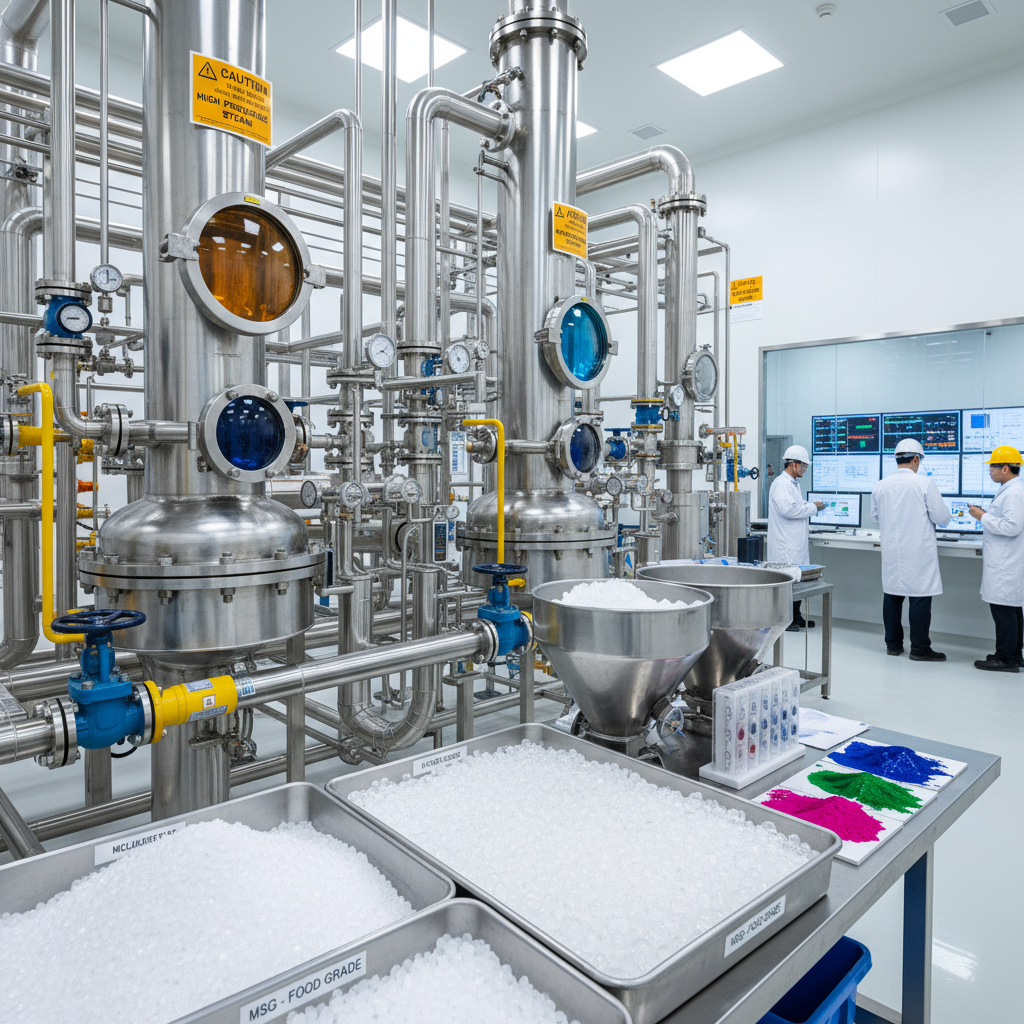
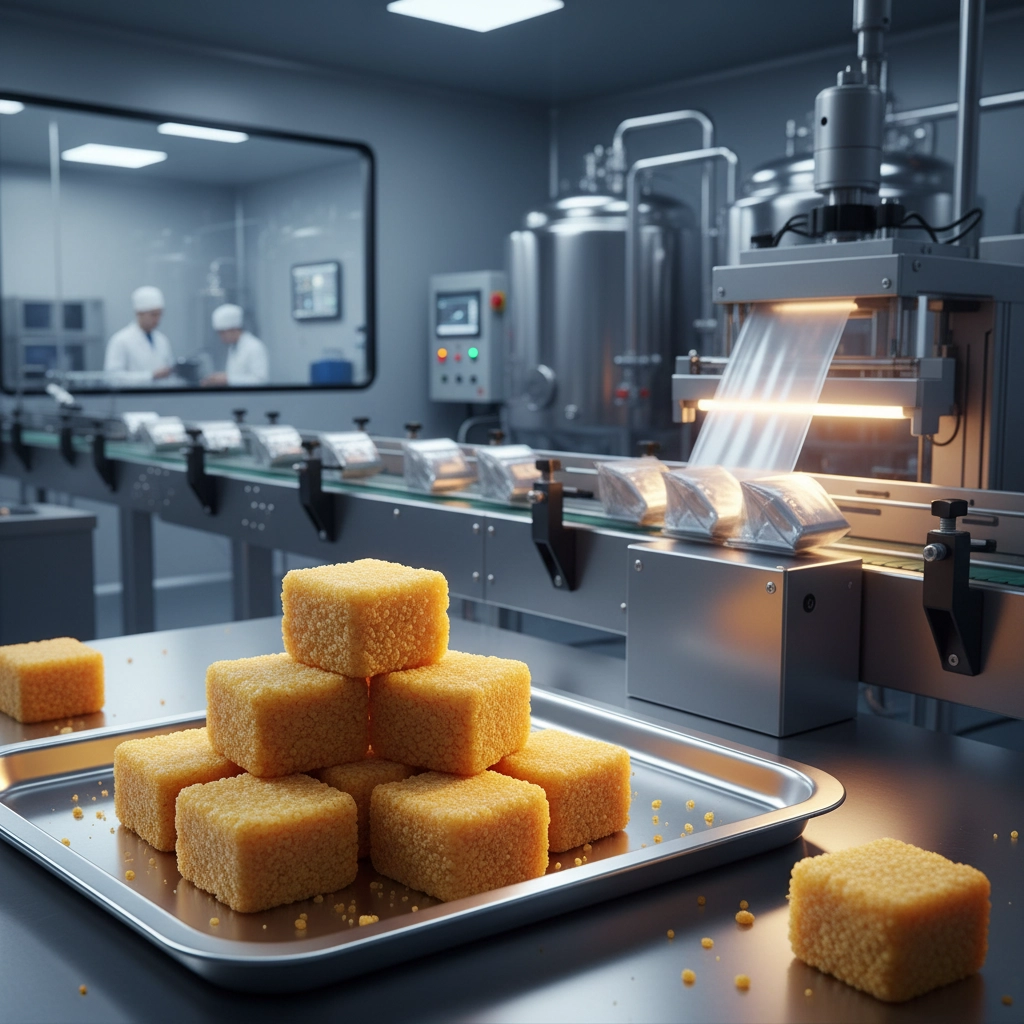
Monosodium glutamate, often recognized globally for its powerful flavor-enhancing properties, plays a pivotal role in the modern food manufacturing industry. As a sodium salt of glutamic acid, it targets the umami taste receptors on the tongue, creating a savory depth that is essential for many processed foods and traditional cuisines. For manufacturers seeking a reliable and high-purity source, understanding the specifications of chinese food monosodium glutamate is key to maintaining consistent taste profiles across diverse product lines.
In the global marketplace, the demand for high-quality flavor enhancers continues to grow, particularly in emerging markets like Africa, where specific crystal sizes are preferred for their solubility and blending characteristics. The technical precision involved in producing 20 mesh MSG ensures that the product meets the rigorous needs of industrial food production while remaining cost-effective. This balance of quality and affordability makes it a cornerstone ingredient for everything from snack foods to pharmaceutical applications.
Navigating the complexities of food additives requires a commitment to purity and transparency. By adhering to strict specifications—such as a 99% content rate and controlled heavy metal limits—the production of chinese food monosodium glutamate ensures safety and efficacy. Whether used as a laboratory reagent or a culinary staple, the chemical stability and precise molecular weight of 187.13 make this additive an indispensable tool for flavor scientists and food engineers worldwide.
Chemical Composition and Purity of MSG
At its core, chinese food monosodium glutamate is the monohydrate sodium salt of L-glutamic acid, represented by the molecular formula C5 H8 NO4 Na H2O. With a precise molecular weight of 187.13, this compound is engineered to deliver maximum umami impact. The purity level of 99% is critical, ensuring that the final food product is free from off-tastes and contaminants that could compromise the sensory experience.
Beyond the primary content, the technical specifications include a transmittance of 98%, reflecting the clarity and quality of the crystals. Strict limits on impurities, such as chloride at 0.1% and sulfate at 0.05%, are maintained to prevent chemical interference during the cooking process. This level of chemical rigor allows manufacturers to use it as a reliable laboratory reagent as well as a high-grade food additive.
Industrial Manufacturing Standards
The production of industrial-grade flavor enhancers requires a sophisticated synthesis process to ensure that every batch of chinese food monosodium glutamate remains consistent. By controlling the pH levels within a narrow range of 6.7 to 7.5, manufacturers can ensure the stability of the crystal structure, which prevents clumping and improves the ease of dispensing in automated factory settings.
Quality assurance extends to the monitoring of heavy metals, which are strictly capped at 10ppm, and iron at 5ppm. These parameters are not merely suggestions but are essential for meeting international food safety standards. Such stringent control ensures that the additive is safe for long-term consumption and meets the requirements of global health organizations.
Packaging is the final stage of the manufacturing standard, with options ranging from large 25kg bags for industrial use to smaller 455g bags for retail or specialized applications. This flexibility allows the supply chain to cater to both massive food processing plants and smaller culinary enterprises, maintaining the integrity of the product from the factory floor to the final dish.
The Role of 20 Mesh Sizing in Market Fit
In the world of food additives, particle size is just as important as chemical purity. The 20 mesh specification of chinese food monosodium glutamate refers to the size of the crystals, which determines how the product dissolves and blends. A "big mesh" or coarser grain is often preferred in specific industrial applications where slow release or specific visual textures are required.
This specific 20 mesh grade has become a favorite in the Africa market. The preference for larger crystals often relates to local processing methods and storage conditions, where the stability of the larger grain prevents the additive from absorbing moisture as quickly as finer powders, thereby extending the shelf life of the seasoning blends.
By offering a specialized mesh size, manufacturers of chinese food monosodium glutamate can provide a product that is perfectly tailored to the equipment and culinary traditions of different regions. This strategic approach to physical specification ensures that the flavor enhancer integrates seamlessly into local recipes without altering the desired consistency of the food.
Comparative Analysis of Flavor Performance
When evaluating the efficacy of flavor enhancers, the concentration is the most critical variable. For chinese food monosodium glutamate, a concentration of 0.2% to 0.9% in normally salted foods is sufficient to significantly elevate the palatability. This efficiency allows food producers to achieve a rich, savory taste without needing excessive amounts of the additive.
The synergy between MSG and other ingredients, such as sugar, is particularly useful in the pharmaceutical sector. By utilizing MSG to mask the bitterness of certain drugs, manufacturers can improve patient compliance and the overall experience of medication. This versatility demonstrates that the product is more than just a kitchen staple; it is a functional tool in chemical formulation.
Performance Metrics of Various MSG Grades
Global Applications and Regional Preferences
The application of chinese food monosodium glutamate spans across continents, with distinct preferences based on local culinary habits. In East Asia, it is often used in soups and stir-fries to enhance the natural flavors of fresh vegetables and meats. Meanwhile, in the African market, the 20 mesh "super seasoning" is highly prized for its ability to blend with bulk salt and spices for regional seasoning mixes.
Beyond the kitchen, the additive finds use in laboratory settings as a high-purity reagent. Its predictable chemical behavior and precise molecular structure make it ideal for research involving amino acids and taste perception studies. This duality—serving both the mass-market food industry and the precision-led scientific community—highlights the versatility of the production process.
Safety Profiles and Regulatory Compliance
Safety is the paramount concern for any food additive. The chinese food monosodium glutamate produced under these specifications adheres to a strict safety profile, ensuring that heavy metals are kept well below the 10ppm threshold. This commitment to purity mitigates risks and ensures that the product is compatible with various international food safety certifications.
The pH range of 6.7 to 7.5 is specifically maintained to ensure the product remains chemically neutral. This is crucial when mixing MSG with other acidic or basic ingredients in complex food formulations, preventing unwanted chemical reactions that could alter the taste or texture of the final product.
Furthermore, the use of high-quality monohydrate crystals ensures that the product is stable during transport and storage. By minimizing the presence of impurities like iron (kept at 5ppm), the manufacturer prevents oxidation and discoloration, ensuring that the white, crystalline appearance of the MSG remains consistent until it reaches the end user.
Optimization for Food and Pharma Industries
Optimizing the use of chinese food monosodium glutamate requires a deep understanding of its concentration limits. In the food industry, the sweet spot of 0.2% to 0.9% ensures that the umami effect is present without overpowering the other ingredients. This precision allows for the creation of balanced flavor profiles in snacks, canned goods, and ready-to-eat meals.
In the pharmaceutical sector, the focus shifts to palatability. When combined with sugar, MSG can effectively neutralize the bitter taste of active pharmaceutical ingredients (APIs), making medicines more acceptable to pediatric and geriatric patients. This cross-industry utility underscores the value of maintaining a high-purity, 99% content standard.
For those seeking a reliable supply, partnering with a China-origin factory ensures access to both the technical expertise and the scale required for global distribution. The ability to specify mesh size, purity, and packaging makes the procurement process streamlined and efficient for international buyers.
Technical Specifications and Application Standards for MSG
| Parameter |
Technical Value |
Impact on Quality |
Application Target |
| Content Purity |
99% |
Ensures pure umami taste |
Premium Food Grade |
| Mesh Size |
20 Mesh |
Optimal dissolution rate |
African Export Market |
| pH Level |
6.7 - 7.5 |
Chemical stability |
Industrial Processing |
| Heavy Metals |
< 10ppm |
Safety compliance |
Global Health Standards |
| Iron Content |
5ppm |
Prevents discoloration |
High-End Seasoning |
| Concentration |
0.2% - 0.9% |
Efficient flavor boost |
Salted Food Products |
FAQS
The 20 mesh size provides a "big mesh" crystalline structure that is particularly favored in markets like Africa. Its main advantage lies in its stability and blending characteristics; larger crystals are less prone to clumping in humid environments and integrate well with coarse salts and other bulk seasonings, ensuring a consistent distribution of flavor in large-scale food production.
Yes, provided it meets high purity standards. With a content of 99% and strictly controlled heavy metal levels (below 10ppm), it is used to improve the palatability of bitter drugs. When combined with sugar, it helps mask unpleasant medicinal tastes, making treatments more tolerable for patients without interfering with the drug's chemical efficacy.
For normally salted foods, the ideal concentration for chinese food monosodium glutamate is between 0.2% and 0.9%. Using it within this range ensures a significant enhancement of the umami flavor without overwhelming the natural tastes of the ingredients, providing a balanced and savory profile.
A pH range of 6.7 to 7.5 ensures that the MSG remains chemically neutral. This is vital because it prevents the additive from reacting negatively with other acidic or alkaline components in a food recipe, ensuring that the taste remains consistent and the chemical structure of the product remains stable during storage.
Yes, the product is typically available in 25kg bags for industrial applications and 455g bags for smaller-scale or retail needs. Most China-origin factories offer flexible packaging solutions to ensure the product is protected during international shipping and meets the specific handling requirements of the destination country.
Key markers include a content purity of at least 99%, a transmittance of 98% for crystal clarity, and very low levels of impurities—specifically chloride (0.1%), sulfate (0.05%), and iron (5ppm). These metrics guarantee that the chinese food monosodium glutamate is of professional grade and safe for consumption.
Conclusion
In summary, chinese food monosodium glutamate stands as a critical component in the global food and pharmaceutical supply chain. By maintaining a strict 99% purity level, a precise 20 mesh size for specific market needs, and rigorous control over heavy metals and pH levels, manufacturers can ensure a product that is both safe and highly effective. From enhancing the savory depth of African seasonings to improving the taste of essential medications, the versatility of this additive is unmatched.
Looking forward, the industry will likely see a further shift toward customized grain sizes and even tighter purity controls to meet evolving global health regulations. For businesses looking to optimize their flavor profiles or pharmaceutical formulations, sourcing high-quality, factory-direct MSG is the most reliable path to consistency and cost-efficiency. We invite you to explore our professional range of food additives. Visit our website: www.standard-seasoning.com