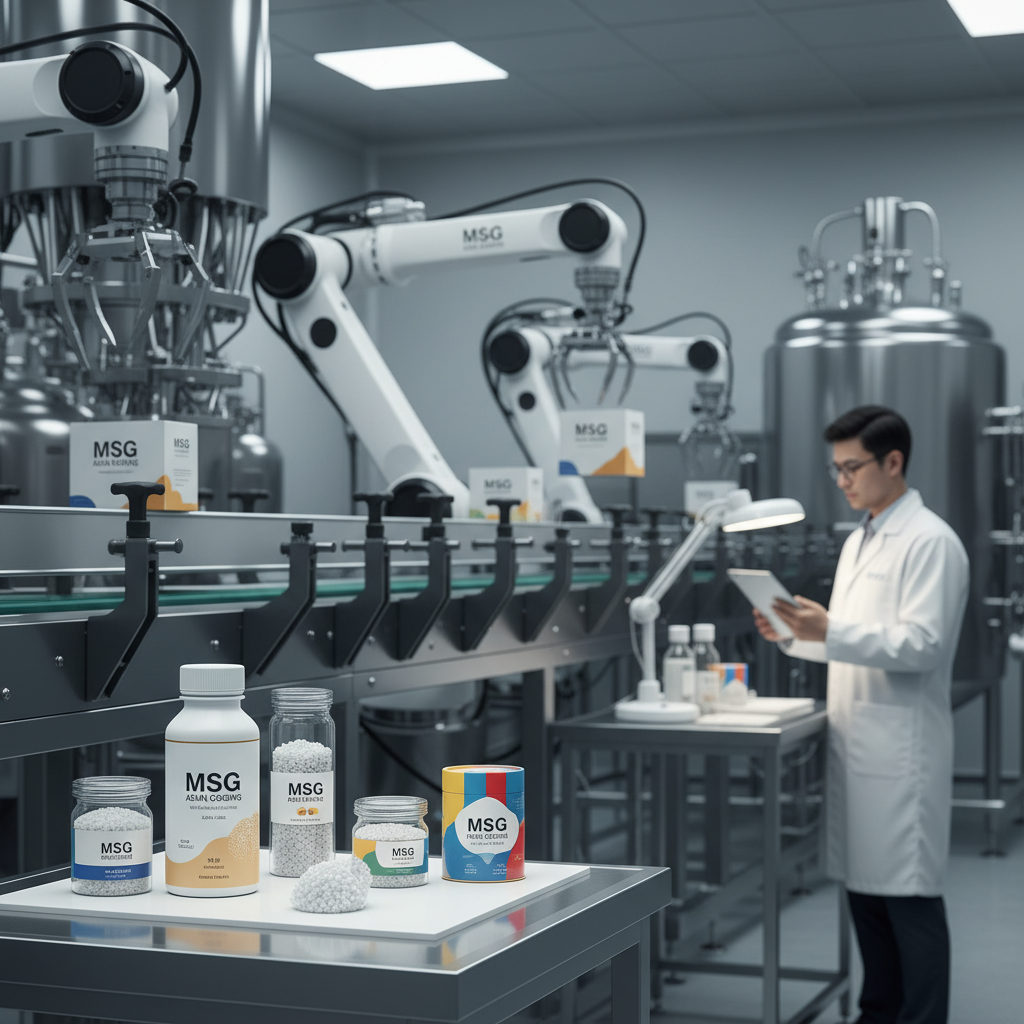
The global demand for nutritional efficiency in animal husbandry has led to a significant increase in the exploration of high quality food additives types. These substances are essential for ensuring that livestock receive the necessary micronutrients to maintain health, optimize growth rates, and improve overall yield in a sustainable manner.
Understanding the nuances of these additives allows manufacturers and farmers to address specific deficiency gaps in animal diets. By utilizing precise chemical formulations, the industry can mitigate the risks of malnutrition and enhance the biological value of feed, which is critical for meeting the rising global demand for protein.
Among the various high quality food additives types, Choline Chloride stands out as one of the most economical and widely used forms of choline, primarily serving as a vital additive in animal feed to support lipid metabolism and liver function.
The Role of Choline Chloride in Nutrient Optimization
Choline chloride is recognized as the most economical form of choline, making it a cornerstone in the livestock industry. As one of the essential high quality food additives types, it functions as a precursor for acetylcholine and phospholipids, which are critical for nerve transmission and structural integrity of cell membranes.
Its application in animal feed ensures that livestock maintain optimal liver function by facilitating the transport of fats out of the liver, thereby preventing fatty liver syndrome. This physiological support is indispensable for high-yielding animals, ensuring they reach their genetic potential for growth and reproduction.
Technical Specifications and Chemical Composition
The technical profile of Choline Chloride 70% liquid is characterized by its appearance as a colorless and transparent viscous liquid with a slight peculiar odor. Chemically, it is defined by the molecular formula C5H14ClNO and the CAS NO 67-48-1, ensuring a standardized identity across international markets.
Strict adherence to purity is maintained with a minimum content of 70%. To ensure safety and efficacy, the ethylene glycol content is capped at a maximum of 0.5%, and total free amines are kept below 0.03%, which prevents unwanted chemical reactions within the feed mixture.
Further quality markers include an ignition residue of no more than 0.2% and heavy metal concentrations limited to 20 mg/kg. The PH level is carefully controlled between 6.0 and 8.0, ensuring that the additive remains stable and compatible with other nutritional components.
Production Process and Quality Control Standards
The manufacturing of Choline Chloride involves a precise reaction between trimethylamine hydrochloride salt solution and ethylene oxide. This process is fundamental to creating high quality food additives types that meet the rigorous demands of the global pharmaceutical and feed industries.
Once the reaction is complete to form the choline chloride water agent, the product undergoes a rigorous refining process. This includes filtration to remove impurities, concentration to reach the 70% specification, and decolorization to achieve the characteristic transparent appearance of high quality food additives types.
Quality assurance is verified through internationally recognized certifications. The product complies with SGS, USP30, and BP2005 standards, ensuring that every batch delivered is consistent in potency and free from harmful contaminants.
Practical Application and Dosage Guidelines
Incorporating Choline Chloride into full-price feed requires precision to avoid waste and maximize biological absorption. Generally, the recommended addition amount ranges from 0.1% to 0.3%, although final dosages should be adjusted according to the specific opinions of the nutritionist or formulator.
To maximize the efficacy of these high quality food additives types, it is strongly advised to use the product as soon as possible after unsealing. This prevents oxidation and degradation, ensuring that the animals receive the full nutritional benefit of the choline.
Performance Index of High Quality Food Additives Types
Storage Requirements and Stability Factors
The stability of Choline Chloride is highly dependent on environmental conditions. It must be stored in a cool and dry place, strictly away from direct sunlight, to prevent chemical degradation and maintain its viscosity and potency.
Temperature management is particularly critical during winter months. The product should be stored in warehouses kept above zero degrees Celsius to avoid crystallization and precipitation, which could lead to uneven distribution when mixing the additive into feed.
Interaction and Compatibility with Other Vitamins
One of the most critical aspects of utilizing high quality food additives types is understanding their chemical interactions. Choline chloride is known to be harmful to certain sensitive nutrients, specifically Vitamin A, Vitamin D3, Vitamin K3, and calcium pantothenate.
To prevent the degradation of these essential vitamins, it is mandatory that Choline Chloride be added separately during the mixing process. Simultaneous mixing can lead to a significant loss of vitamin potency, compromising the nutritional balance of the feed.
Special caution is required when formulating for ruminants. In these animals, the product must be carefully protected and managed to ensure that the metabolic pathways are optimized without inducing adverse chemical reactions in the rumen.
Logistics, Certification, and Global Supply
Operating with a productivity of 100mt per month and a supply ability of 1000KG per month for specific shipments, the logistics chain is optimized for global distribution. The product is available in convenient packaging options, including 230kg drums and 1100kg IBC tankers, catering to both small-scale and industrial-scale needs.
Transportation is flexibly handled via ocean and land, with primary shipping hubs located at Qingdao and Tianjin ports. This strategic positioning allows for efficient delivery from China to international markets, ensuring a steady supply of high quality food additives types.
With the HS Code 29231000 and certifications from SGS, USP30, and BP2005, the product meets all customs and regulatory requirements for pharmaceutical intermediates and feed additives worldwide.
Analysis of Choline Chloride Supply and Specification Standards
| Parameter Category |
Specification Limit |
Testing Standard |
Impact on Quality |
| Active Content |
70% Min |
USP30 |
Direct Potency |
| Ethylene Glycol |
0.5% Max |
BP2005 |
Safety/Toxicity |
| Heavy Metals |
20 mg/kg Max |
SGS |
Purity Level |
| PH Value |
6.0 - 8.0 |
Standard PH Meter |
Chemical Stability |
| Free Amines |
0.03% Max |
Analytical Titration |
Odor/Reactivity |
| Ignition Residue |
0.2% Max |
Ash Testing |
Mineral Purity |
FAQS
For most full-price materials, the general addition amount is between 0.1% and 0.3%. However, it is highly recommended to consult with a professional formulator to adjust the dose based on the specific age, species, and health requirements of the livestock.
No, Choline Chloride is harmful to Vitamin A, Vitamin D3, Vitamin K3, and calcium pantothenate. To ensure the efficacy of these vitamins, the product should be added separately during the feed mixing process.
During winter, it must be stored in a warehouse where the temperature remains above zero degrees Celsius. This prevents the liquid from crystallizing or precipitating, which ensures consistent mixing and dosing.
Our Choline Chloride is produced and verified according to SGS, USP30, and BP2005 standards, ensuring that it meets global pharmaceutical and food-grade requirements for purity and safety.
The product is available in 230kg drums for mid-sized operations and 1100kg IBC tankers for large industrial requirements, ensuring efficient transportation via ocean or land.
Yes, it is widely used across various species. However, when used in ruminants, specific protections and formulation adjustments should be implemented to ensure the additive is utilized effectively by the animal's digestive system.
Conclusion
Choline Chloride 70% liquid serves as an indispensable component among high quality food additives types, providing a cost-effective solution for optimizing animal health and livestock productivity. Through its precise chemical composition, rigorous production standards (USP30, BP2005), and strategic application, it ensures the biological efficiency of feed while supporting critical liver and metabolic functions.
As the global agricultural sector moves toward higher precision in nutrition, the importance of using stable, certified, and pure additives cannot be overstated. By adhering to strict storage and mixing guidelines, producers can maximize the value of their nutritional investments and contribute to a more sustainable food supply chain. Visit our website for more information: www.chinaseasoning.com