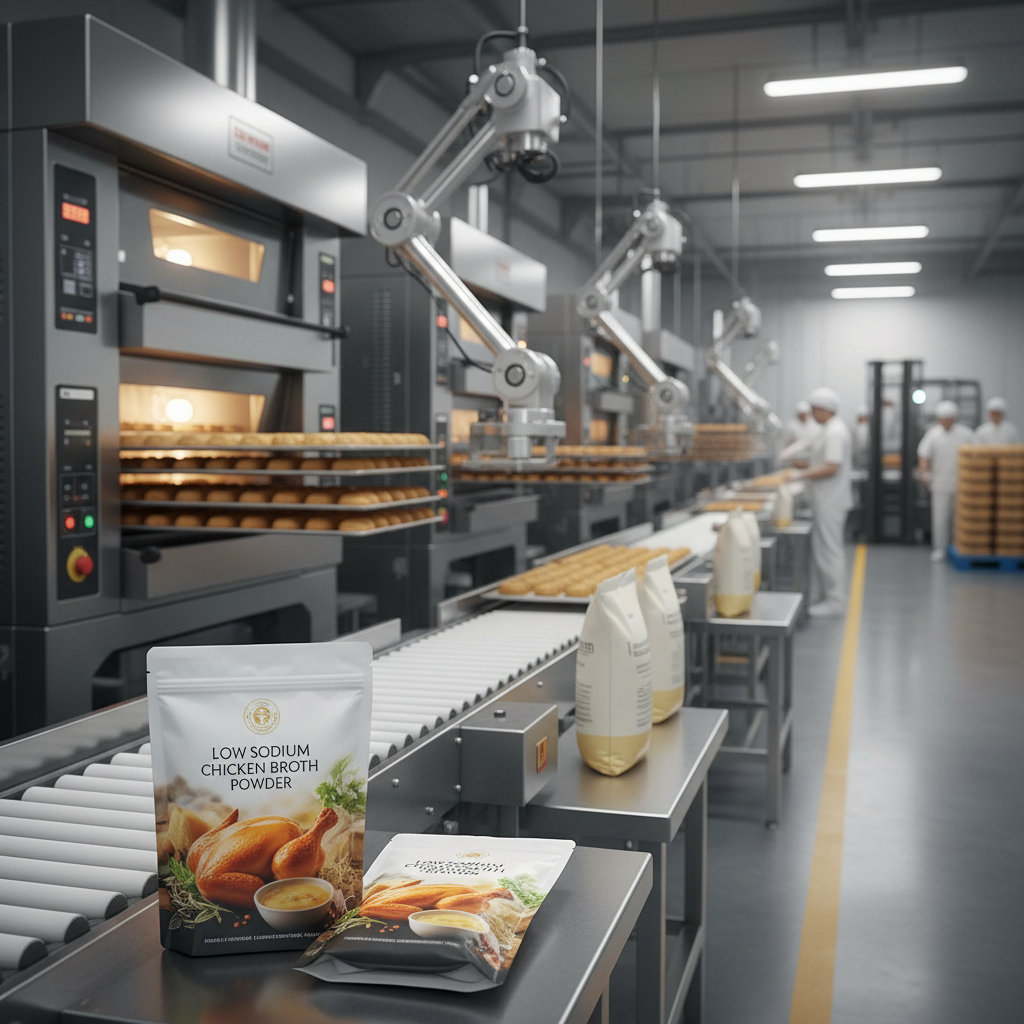
The global agricultural and feed industry is constantly evolving to meet the rising demand for high-quality animal protein, leading to a surge in the utilization of specialized nutritional additives. Among these, the role of amino acid residues has become pivotal in optimizing livestock health and growth efficiency. Understanding the application of such additives, often categorized alongside commercial blends like a fried chicken powder mix in broader food additive contexts, is essential for modern producers aiming for sustainable yield.
From a technical perspective, the integration of fermentation residues into animal diets addresses the critical need for bioavailable proteins and essential amino acids. These components not only accelerate the growth cycle of livestock but also fortify the biological resilience of the animals against environmental stressors. The precision in dosing and the quality of the additive directly correlate with the overall feed conversion ratio, making high-specification residues a cornerstone of industrial animal husbandry.
In the context of aquaculture and livestock farming, the shift toward sustainable and efficient additives is no longer optional but a necessity for global food security. Whether one is analyzing the composition of a fried chicken powder mix for culinary use or exploring glutamic acid residue for feed, the core objective remains the same: enhancing nutritional value and quality. This article explores the depth of glutamic acid residue as a premium feed additive, detailing its specifications, applications, and long-term benefits for the industry.
Understanding Glutamic Acid Residue Fundamentals
Glutamic acid residue is a high-value byproduct derived from the fermentation process of glutamic acid. As an amino acid feed additive, it serves as a concentrated source of protein and nutrients that are essential for the metabolic functions of various animal species. By integrating this residue into daily diets, producers can significantly enhance the amino acid profile of the feed, which is often the limiting factor in animal growth and development.
The utility of this residue extends beyond simple nutrition; it is a strategic tool for improving feed utilization rates. In an era where raw material costs are volatile, utilizing fermentation residues allows for the reduction of expensive primary protein sources without sacrificing the nutritional integrity of the diet. This makes it a sustainable choice for large-scale operations seeking to balance cost-efficiency with biological performance, similar to how a standardized fried chicken powder mix ensures consistency in food production.
Core Components and Nutritional Specifications
The efficacy of glutamic acid residue is rooted in its rigorous chemical composition. To ensure optimal results, the additive must meet strict specifications: Crude protein levels are maintained at ≥65%, ensuring a dense nutrient load. Additionally, crude ash is kept at ≥65% to provide essential minerals, while the ammonium salt content is strictly controlled at ≤2.0% to prevent toxicity and maintain feed stability.
Moisture control is another critical parameter, with levels kept around 8.0%. This low moisture content is vital for preventing microbial growth and extending the shelf life of the product during storage and transport. When these parameters are met, the residue acts as a potent catalyst for protein synthesis within the animal's body, facilitating faster muscle development and overall weight gain.
Compared to generic additives, the purity and concentrated nature of glutamic acid residue provide a reliable baseline for nutritionists to formulate precise diets. By focusing on these core specifications, manufacturers can guarantee that the feed additive will perform consistently across different batches and animal cohorts, ensuring that the growth targets are met without unexpected fluctuations in health or weight.
Practical Application and Dosing Strategies
Implementing glutamic acid residue requires a nuanced approach to dosing, as the needs vary significantly across species. Generally, the amount of residue added should be adjusted based on the specific feed type and the animal's current life stage. For most livestock, a standard guideline is to maintain the residue at approximately 5% of the total amino acids in the diet to avoid imbalances.
For specific livestock, such as pigs, the recommended addition rate is typically between 3 to 5 kilograms per ton of feed. This precise calibration ensures that the animal receives the necessary boost in protein without overloading the system, which could otherwise lead to health complications. Much like the careful measurement of a fried chicken powder mix in a kitchen, precision in the feed mill is key to the final quality.
Nutritionists must consider the overall composition of the base feed before adding the residue. If the primary grain source is already rich in certain amino acids, the dosage of glutamic acid residue should be scaled back. The goal is to achieve a synergistic effect where the additive fills the nutritional gaps, thereby maximizing the absorption rate and reducing waste in the animal's excretions.
Impact on Animal Growth and Immunity
The primary benefit of incorporating glutamic acid residue is the marked improvement in animal growth and development. By increasing the available amino acid pool, the additive promotes more efficient protein synthesis, leading to healthier muscle mass and skeletal growth. This results in a shorter time-to-market for livestock, which directly enhances the profitability of the farming operation.
Beyond growth, the additive plays a vital role in enhancing the animal's immune system. Amino acids are the building blocks of antibodies and immune cells; therefore, a diet supplemented with glutamic acid residue strengthens the animal's natural resistance to diseases. This reduction in morbidity leads to lower veterinary costs and a decreased reliance on antibiotic treatments, promoting a more natural and healthy growth environment.
Feed Additive Performance Metrics
Specialization in Aquaculture Feed Systems
Aquaculture presents a unique set of challenges, particularly regarding feed solubility and stability in water. Glutamic acid residue is exceptionally well-suited for this environment due to its excellent solubility, allowing it to dissolve quickly and integrate seamlessly into aquatic feeds. This ensures that the nutrients are readily available to the fish or shrimp, minimizing nutrient leaching into the surrounding water.
Furthermore, the high feed utilization rate of this residue is critical for aquatic species, which often have more sensitive digestive systems. By enhancing the digestion and absorption capabilities of aquatic animals, glutamic acid residue not only promotes faster growth but also enhances stress resistance. This is particularly important in high-density farming where disease outbreaks can spread rapidly; a fortified immune system is the first line of defense.
Operational Safety and Handling Protocols
While the benefits of glutamic acid residue are substantial, operational safety must be a priority. One of the primary concerns is the prevention of respiratory irritation. Because the residue is a dry, fine powder, it can generate dust during mixing and loading. To mitigate this risk, it is recommended that the product be treated with water or steam in advance to suppress dust particles.
Proper dosing is equally critical for safety. Over-supplementation can lead to metabolic imbalances, potentially affecting the overall health of the animals. Producers are advised to conduct a comprehensive analysis of the animal species, their current growth stage, and the environmental conditions before finalizing the addition amount.
Storage conditions should also be strictly managed to maintain the product's efficacy. Keeping the residue in a cool, dry place prevents moisture absorption and clumping, ensuring that the powder remains easy to mix. Following these safety and handling protocols ensures that the additive provides maximum benefit while minimizing risk to both the livestock and the facility workers.
Comparative Analysis of Feed Additive Efficiency
When comparing glutamic acid residue to other amino acid sources, its cost-to-benefit ratio is often superior due to its origin as a fermentation byproduct. It provides a concentrated blast of crude protein (≥65%) that is more easily assimilated than many plant-based proteins. This makes it a high-efficiency alternative for those seeking to optimize their feed formulas without drastically increasing costs.
The versatility of the residue across different animal categories—from swine to aquaculture—highlights its broad utility. While a specialized fried chicken powder mix targets specific sensory profiles in food, glutamic acid residue targets biological profiles in animals, ensuring that the physiological needs for protein and immune support are met.
Ultimately, the success of using this additive lies in the balance of the formulation. By combining the residue with other essential vitamins and minerals, producers can create a comprehensive nutritional program that reduces waste and maximizes output. The following table summarizes the core comparative advantages across different application dimensions.
Core Performance Analysis of Glutamic Acid Residue
| Application Area |
Growth Impact |
Immune Support |
Efficiency Score |
| Swine Feed |
High Increase |
Moderate |
8.5/10 |
| Poultry Feed |
Significant |
High |
9.0/10 |
| Freshwater Fish |
Rapid Growth |
Very High |
9.5/10 |
| Shrimp Farming |
Moderate |
High |
8.8/10 |
| Ruminant Feed |
Steady |
Moderate |
7.5/10 |
| General Livestock |
Balanced |
Consistent |
8.2/10 |
FAQS
The primary benefit is the significant increase in amino acid content, which promotes faster animal growth, improves feed utilization, and enhances the animal's immune system and resistance to diseases. This leads to higher quality livestock and improved production efficiency.
Generally, it is recommended to add between 3 to 5 kilograms of glutamic acid residue per ton of pig feed. However, the exact amount should be adjusted based on the nutritional needs of the pigs and the composition of the rest of the diet.
Yes, it is highly suitable for aquaculture. It possesses excellent water solubility and a high feed utilization rate, which improves digestion in aquatic animals and helps them better resist environmental stress and diseases.
Adding excessive amounts of glutamic acid residue can negatively affect the health of the animals by creating amino acid imbalances. It is critical to follow the recommended dosing guidelines and consider the animal's growth stage.
Since glutamic acid residue is a dry powder, it can create dust. To prevent respiratory irritation for workers, it is recommended to treat the product with water or steam in advance to minimize airborne particles.
The standard specification for high-quality glutamic acid residue requires a crude protein content of ≥65%, ensuring that the additive provides a concentrated source of amino acids for the livestock.
Conclusion
In summary, glutamic acid residue stands as a powerful and efficient amino acid feed additive that optimizes animal growth, boosts immunity, and improves the overall economy of livestock and aquaculture farming. By adhering to strict specifications—such as high crude protein and low moisture—and implementing precise dosing strategies, producers can achieve significant gains in feed conversion and animal health.
As the industry moves toward more sustainable and scientifically driven nutrition, the integration of fermentation residues will become increasingly vital. We encourage producers to balance their formulations carefully and prioritize operational safety to maximize the potential of these additives. For more high-quality food and feed additive solutions, visit our website: www.standard-seasoning.com.