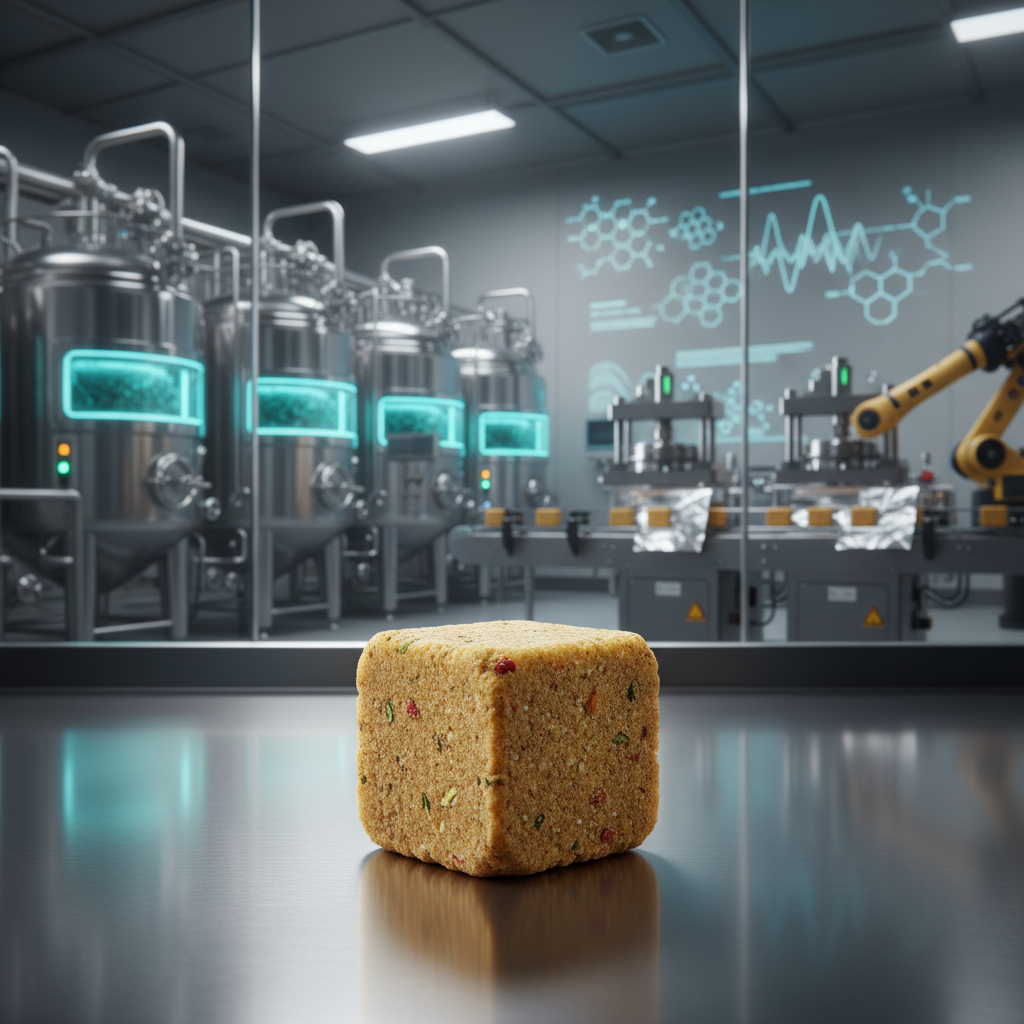
The global food industry is currently undergoing a significant transformation as consumers increasingly prioritize wellness and clean-label ingredients. This shift has placed a spotlight on the role of functional additives that can enhance flavor and preservation without compromising nutritional integrity. Understanding the balance between taste and health is now a primary driver for food manufacturers worldwide.
From a technical perspective, the challenge lies in replacing traditional enhancers with alternatives that maintain the same sensory profile. The demand for authentic tastes, such as the rich depth of curry and the savoriness of chicken essence, requires precision in fermentation and blending. This ensures that the end product remains appealing to a diverse global palate while adhering to stricter safety standards.
By integrating healthy food additives into professional recipes, chefs and manufacturers can achieve a sophisticated balance of aroma and taste. This approach not only improves the overall dining experience but also aligns with the modern movement toward mindful consumption and high-quality food production.
Global Industry Context of Healthy Food Additives
The global food additive market is evolving rapidly, driven by ISO standards and international safety protocols that mandate higher transparency in labeling. As the population grows and urban lifestyles accelerate, the reliance on processed seasonings has increased, creating a critical need for additives that provide intense flavor without negative health implications. The industry is now moving away from synthetic fillers toward fermented extracts and natural spice blends.
In regions like India and Southeast Asia, the demand for specific flavor profiles, such as authentic curry, has pushed manufacturers to refine their production. The integration of natural chicken extract and precisely measured curry powders allows for a standardized taste that meets both commercial productivity needs and consumer health expectations, bridging the gap between industrial efficiency and home-cooked authenticity.
Defining the Meaning of Healthy Food Additives
In simple terms, healthy food additives are substances added to food to maintain or improve its safety, freshness, taste, texture, or nutritional content, while adhering to a philosophy of minimal processing and natural sourcing. Unlike traditional chemical additives, these focus on using fermentation, natural extracts, and high-purity minerals to achieve the desired culinary effect.
The connection to modern industry lies in the pursuit of "clean labels." For a product like Chicken Bouillon Curry Taste, this means using a calculated blend of nature curry powder (5%) and fermented corn starch to ensure that the umami depth is achieved through biological processes rather than purely synthetic means. This aligns with the humanitarian need for food security and nutrition.
Ultimately, these additives serve as a culinary bridge. They allow food manufacturers to produce consistent, high-quality meals at scale while ensuring that the ingredients used—such as palm oil for texture and high-grade spices for aroma—do not introduce harmful impurities, thus supporting a healthier global food supply chain.
Core Components of Premium Seasoning Blends
The efficacy of healthy food additives depends heavily on the purity of their core components. For a specialized curry bouillon, the balance of turmeric, coriander, cumin, and fenugreek is essential. These spices provide not only the golden hue but also the antioxidant properties that contribute to the product's overall stability.
Another critical factor is the use of fermentation technology. By fermenting corn starch and utilizing natural chicken essence, manufacturers can create a rounded umami profile. This biological approach to flavor enhancement is a hallmark of healthy food additives, as it reduces the reliance on excessive salt while maintaining a rich, savory mouthfeel.
Finally, the physical properties—such as a low loss on drying (max 5g/100g) and strict bacterial control (max 10,000 cfu/g)—ensure a long shelf life without the need for aggressive synthetic preservatives. This combination of natural sourcing and technical precision makes these blends ideal for both industrial food production and home kitchen use.
Practical Applications in Global Cuisines
The versatility of high-quality seasoning blends allows them to be integrated into various culinary traditions. In Southeast Asian markets, these additives are used to create the base for creamy coconut curries, where the seasoning blends seamlessly with coconut milk to produce a balanced sweetness and heat. In Western markets, they often serve as a sophisticated base for gravies or roasted poultry marinades.
Beyond traditional cooking, food manufacturers utilize these blends in the mass production of instant noodles and ready-to-eat meals. The ability of the powder to dissolve quickly and coat ingredients evenly ensures that every serving maintains a consistent flavor profile, regardless of the production volume or the geographic location of the consumer.
Comparative Performance of Healthy Food Additives Methods
Long-Term Value of Quality Additives
Investing in premium seasoning additives provides tangible economic and social benefits. For manufacturers, the stability and consistency of a product—such as a guaranteed supply ability of 500mt/month—reduce production downtime and waste. The high solubility and stable flavor release mean that fewer raw materials are needed to achieve a potent taste, leading to significant cost efficiencies over time.
From a consumer perspective, the value lies in the trust and safety of the ingredients. By utilizing additives that are strictly controlled for heavy metals and E.coli, brands build long-term loyalty. This commitment to quality ensures that the pursuit of flavor does not come at the expense of health, fostering a relationship of trust between the food producer and the end-user.
Future Innovations in Food Science
The future of food additives is leaning heavily toward biotechnology and automation. We are seeing a rise in "precision fermentation," where specific microbes are engineered to produce identical flavor molecules to those found in nature, further reducing the need for land-intensive spice farming. This digital transformation in the lab allows for even more precise control over the salt and MSG content.
Sustainability is also becoming a core driver. The shift toward green energy in production plants—such as those in Qingdao—is reducing the carbon footprint of ocean and land transportation. New encapsulation technologies are being developed to protect volatile aromatic compounds, ensuring that the scent of fresh curry is preserved longer without adding artificial stabilizers.
Moreover, the integration of AI in recipe development is allowing manufacturers to create hyper-localized flavor profiles. By analyzing regional taste preferences in real-time, companies can adjust the ratio of cumin or turmeric in their blends to better suit specific markets, making global food products feel local and authentic.
Overcoming Challenges in Additive Manufacturing
One of the primary challenges in producing high-quality additives is maintaining consistency across massive batches. Variations in the raw quality of natural curry powder can lead to inconsistencies in color and heat. To solve this, advanced decolorization and standardization techniques are employed, ensuring that every bag—from 50g to 25kg—meets the exact same specification.
Another hurdle is the strict regulation of microbial contaminants. In an industry where E.coli and total bacteria counts must be kept to a minimum, manufacturers implement rigorous HACCP protocols. By controlling the moisture content (Loss on drying ≤ 5g/100g), they naturally inhibit microbial growth, providing a solution that is both safe and shelf-stable.
Finally, balancing cost with the desire for "natural" ingredients remains a struggle. The solution lies in strategic sourcing and the use of high-efficiency fermentation. By optimizing the conversion of corn starch into savory essence, manufacturers can offer premium, healthy-leaning products at a price point that remains competitive for large-scale food distributors.
Technical Specification and Quality Analysis of Curry Bouillon Additives
| Parameter |
Standard Specification |
Impact on Quality |
Health Score (1-10) |
| Loss on Drying |
Max 5 g/100g |
Prevents clumping & mold |
9 |
| Total Bacteria |
Max 10,000 cfu/g |
Ensures food safety |
10 |
| Chloride Content |
Max 60 g/100g |
Balances saltiness/umami |
7 |
| E.coli Colonies |
Max 90 mpn/100g |
Hygiene verification |
10 |
| Natural Curry Powder |
5% Concentration |
Authentic aroma/color |
9 |
| Heavy Metals |
Strictly Controlled |
Toxin prevention |
10 |
FAQS
It is viable because it combines natural chicken essence with real curry spices and uses fermentation processes rather than solely relying on artificial flavorings. By maintaining strict controls on moisture and bacterial counts, it provides a safe, consistent, and high-quality flavor enhancer that meets industrial safety standards while delivering an authentic culinary experience.
Fermentation, such as the processing of corn starch used in this bouillon, breaks down complex proteins into amino acids (like glutamate), creating a natural umami depth. This reduces the need for high concentrations of salt or synthetic MSG, resulting in a more rounded taste and a product that is more aligned with clean-label requirements.
While this specific product contains chicken essence, the underlying technology—using natural curry powder and fermentation—can be adapted for plant-based versions. By replacing the chicken extract with mushroom or yeast extracts, the same depth of flavor and professional consistency can be achieved for vegan applications.
Due to the low moisture content (Loss on drying ≤ 5g/100g) and strict adherence to bacterial limits, these products typically have a long shelf life when stored in cool, dry conditions. This stability makes them ideal for international shipping via ocean or land without requiring excessive chemical preservatives.
Look for detailed specification sheets that list bacterial counts, heavy metal controls, and a clear percentage of natural ingredients. A transparent manufacturer will provide the exact limits for E.coli and chloride, ensuring that the product is not just a filler but a precision-engineered culinary tool.
Yes, to accommodate different market needs, packaging typically ranges from 50g bags for retail or sample use up to 25kg drums for industrial food manufacturing. This flexibility allows both boutique chefs and large-scale food factories to access the same high-quality seasoning.
Conclusion
The evolution of food science has made it possible to integrate healthy food additives into mass-market products without sacrificing the bold, authentic tastes consumers crave. By focusing on natural fermentation, rigorous quality control of microbial levels, and the precise blending of authentic spices, manufacturers can deliver products like Chicken Bouillon Curry Taste that are both efficient and safe. The synergy of technical precision and natural sourcing is the key to meeting global dietary trends.
Looking forward, the industry will likely see a further integration of sustainable sourcing and AI-driven flavor customization. For businesses seeking to elevate their product lines, the transition toward high-purity, fermented additives is not just a trend but a strategic necessity for long-term viability and consumer trust. We invite you to explore how professional seasoning solutions can transform your culinary output. Visit our website: www.standard-seasoning.com