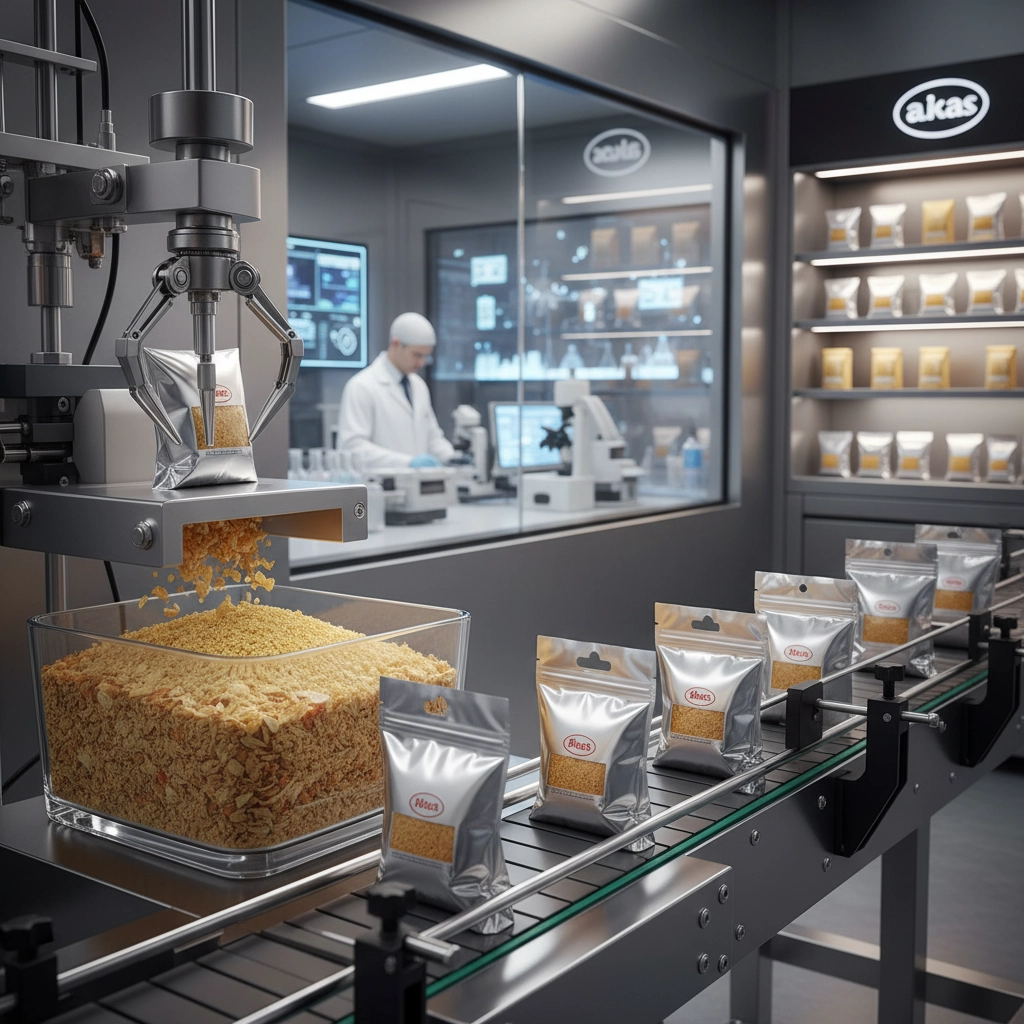
The global food and pharmaceutical sectors rely heavily on high-performance additives to maintain product quality and enhance consumer experience. Among these, the strategic application of flavor enhancers and nutritional supplements plays a pivotal role in meeting the demands of a growing population. Understanding the diverse choline chloride uses—and the complementary role of flavor enhancers like Monosodium Glutamate (MSG)—allows manufacturers to optimize both the taste and the nutritional profile of their offerings.
From an industrial perspective, the integration of precise chemical specifications is non-negotiable. Whether it is ensuring the purity of a laboratory reagent or the palatability of a pharmaceutical drug, the focus remains on consistency and safety. The synergy between different additive categories ensures that final products are not only effective but also appealing to the end-user, bridging the gap between raw chemical utility and commercial success.
In this comprehensive guide, we explore the multifaceted nature of industry additives, specifically focusing on how choline chloride uses intersect with the broader goals of food fortification and taste enhancement. By analyzing the specifications of high-purity MSG and the functional utility of nutritional agents, businesses can achieve a competitive edge in the global market.
Global Significance of Choline Chloride Uses
The global demand for nutrient-dense food and efficient animal feed has propelled the importance of specific chemical additives. Choline chloride uses extend across multiple continents, where it serves as a critical source of vitamin B4, essential for lipid metabolism and liver function. In alignment with ISO9001:2000 standards, the production of such additives ensures that global supply chains remain stable, supporting both human nutrition and livestock productivity.
Furthermore, the interplay between nutritional additives and flavor enhancers, such as 30 mesh Monosodium Glutamate, creates a holistic approach to product development. While one focuses on the physiological needs of the organism, the other ensures palatability. This dual-track strategy is essential for manufacturers aiming to enter diverse international markets where taste preferences and nutritional requirements vary significantly.
Defining Choline Chloride Uses in Modern Industry
In simple terms, choline chloride uses refer to the application of a quaternary ammonium salt as a precursor for phospholipids and a vital nutrient in biological systems. It is fundamentally linked to the maintenance of cellular membranes and the synthesis of acetylcholine, a key neurotransmitter. In the context of modern industry, this chemical serves as a bridge between basic organic chemistry and practical health applications.
Beyond its biological role, the industry views these uses through the lens of scalability and stability. Whether integrated into a compound feed for poultry or used as an intermediate in pharmaceutical synthesis, the focus is on the bioavailability and purity of the compound. This ensures that the intended physiological effect is achieved without introducing unwanted impurities into the food chain.
Moreover, the conceptual framework of these applications often overlaps with other food additives. For instance, just as Monosodium Glutamate is used at concentrations of 0.2-0.9% to enhance flavor, choline chloride is calibrated to precise dosages to prevent deficiency. Both highlight the industry's reliance on precise molecular weights and chemical formulas to achieve specific commercial outcomes.
Core Components of Industrial Additive Efficacy
The efficacy of any additive depends on several key factors. First is purity, which is paramount for pharmaceutical and laboratory applications. High-purity standards, such as a 99% content rate for MSG or specific transmittance levels for chemical reagents, ensure that choline chloride uses are not compromised by contaminants like heavy metals or excessive sulfates.
Another critical factor is stability and solubility. For an additive to be effective, it must remain stable during transportation—whether by ocean or land—and dissolve efficiently in the final medium. The ability to maintain a PH range of 6.7-7.5, as seen in quality MSG, is a testament to the precision required in additive manufacturing to avoid adverse reactions with other ingredients.
Finally, cost-efficiency and supply ability are the drivers of commercial viability. With a productivity capacity of 500mt/month, manufacturers can ensure a steady stream of materials. This reliability allows global distributors to implement choline chloride uses across various scales, from small-batch laboratory reagents to mass-market food production.
Global Applications and Use Cases
In real-world contexts, these additives are deployed across diverse sectors. In the livestock industry, particularly in Asia and Europe, they are integrated into feed to improve growth rates and liver health. Simultaneously, in the pharmaceutical sector, additives are used in combination with sugar to improve the palatability of bitter drugs, making medication more acceptable to patients.
In remote industrial zones or post-disaster relief operations, fortified food products containing essential nutrients and flavor enhancers are critical. These products must be easy to transport (e.g., in 25kg bags) and have a long shelf life. The use of high-mesh powders, such as 30 mesh MSG, ensures rapid mixing and uniform distribution in these emergency food supplies.
Effectiveness Analysis of Choline Chloride Uses
Long-Term Value and Sustainable Advantages
The long-term value of investing in high-quality additives lies in the balance of safety and performance. By adhering to strict specifications—such as limiting heavy metals to 10ppm and iron to 5ppm—manufacturers build trust with global buyers. This reliability reduces the risk of product recalls and ensures that the physiological benefits of the additive are delivered without compromise.
Sustainability is also achieved through process optimization. Utilizing corn-based, natural sources for MSG and efficient synthesis routes for choline chloride reduces the environmental footprint. When companies prioritize purity and natural origin, they not only meet regulatory requirements but also appeal to the growing consumer demand for "clean label" ingredients in the food and pharmaceutical industries.
Future Trends in Additive Innovation
The future of the industry is moving toward "precision nutrition," where additives are tailored to specific genetic or environmental needs. We expect to see an increase in the development of encapsulated versions of these compounds to allow for slow-release mechanisms, maximizing the biological uptake and reducing waste in animal feed.
Digital transformation is also playing a role. Automation in production allows for tighter control over parameters like molecular weight (187.13 for MSG) and transmittance (98%), ensuring that every batch meets the exact specifications of the client. This level of precision is becoming the standard for any company competing in the global export market.
Furthermore, green chemistry is driving the search for even more sustainable precursors. The shift toward bio-based synthesis will likely redefine how we view the production of essential additives, making the supply chain more resilient to fluctuations in petrochemical prices and aligning industry practices with global carbon-neutrality goals.
Challenges and Strategic Solutions
One of the primary challenges in the additive industry is the risk of contamination during long-distance transportation. Since products are shipped via ocean or land from ports like Qingdao, moisture control and packaging integrity are vital. The use of reinforced 25kg/bag packaging helps mitigate these risks, ensuring that the content remains at 99% purity upon arrival.
Another hurdle is the regulatory divergence between different countries. What is accepted as a food additive in one region may require different documentation in another. The solution lies in maintaining international certifications like ISO9001:2000, which provides a recognized framework for quality management and simplifies the customs process via standardized HS Codes (e.g., 21039010).
Lastly, the challenge of palatability in medicinal applications requires creative formulation. By combining flavor enhancers with active pharmaceutical ingredients, manufacturers can mask bitter tastes. This strategic approach transforms a dry chemical parameter into a tangible consumer benefit, enhancing patient compliance and product success.
Analysis of Technical Specifications and Industrial Utility
| Additive Parameter |
Specified Value |
Industrial Impact |
Application Focus |
| Purity Content |
99% |
High Bioavailability |
Pharmaceuticals |
| Mesh Size |
30 Mesh |
Rapid Solubility |
Food Manufacturing |
| Heavy Metals |
< 10ppm |
Safety Compliance |
Human Nutrition |
| PH Level |
6.7 - 7.5 |
Chemical Stability |
Lab Reagents |
| Supply Capacity |
500mt/month |
Market Stability |
Global Export |
| Transmittance |
98% |
Visual Purity |
Quality Control |
FAQS
The most common uses include its application as a vital nutrient in poultry and swine feed to support liver function and growth. It is also widely used in the pharmaceutical industry as a precursor for phospholipids and in food fortification to ensure essential nutrient intake for humans.
High purity, such as a 99% content rate, ensures that the additive performs its intended function without introducing unwanted side effects. Low purity can lead to contamination with heavy metals or sulfates, which may compromise safety standards and lead to regulatory failure in strictly monitored markets.
Yes, this is a standard industry practice. For example, Monosodium Glutamate (MSG) is often used in combination with other additives to improve the palatability of food or the taste of bitter medications, ensuring that nutritional requirements are met without sacrificing flavor.
For bulk international transport, 25kg bags are the industry standard as they provide a balance between ease of handling and protection against moisture. For smaller laboratory or retail needs, 455g or 50g packaging is preferred to maintain product integrity.
Verification should involve checking for ISO certifications (like ISO9001:2000), reviewing the Certificate of Analysis (CoA) for parameters like PH, heavy metal content, and transmittance, and ensuring the product matches the specific HS Code for its category.
Mesh size, such as 30 mesh, determines the particle size of the powder. A consistent mesh size is crucial for ensuring uniform mixing in large-scale production and rapid dissolution in liquid applications, preventing clumping and ensuring consistent dosing.
Conclusion
In summary, the strategic integration of additives—from the essential choline chloride uses to the taste-enhancing properties of high-purity Monosodium Glutamate—is fundamental to the success of the modern food and pharmaceutical industries. By prioritizing rigorous specifications, such as 99% purity and ISO-certified production, manufacturers can ensure the safety, stability, and efficacy of their products on a global scale.
Looking forward, the industry will continue to evolve toward precision and sustainability. Businesses that invest in high-quality, naturally sourced additives and embrace digital quality control will be best positioned to meet the complex demands of international markets. For those seeking reliable, high-specification additives to enhance their product lines, we invite you to visit our website: www.chinaseasoning.com.