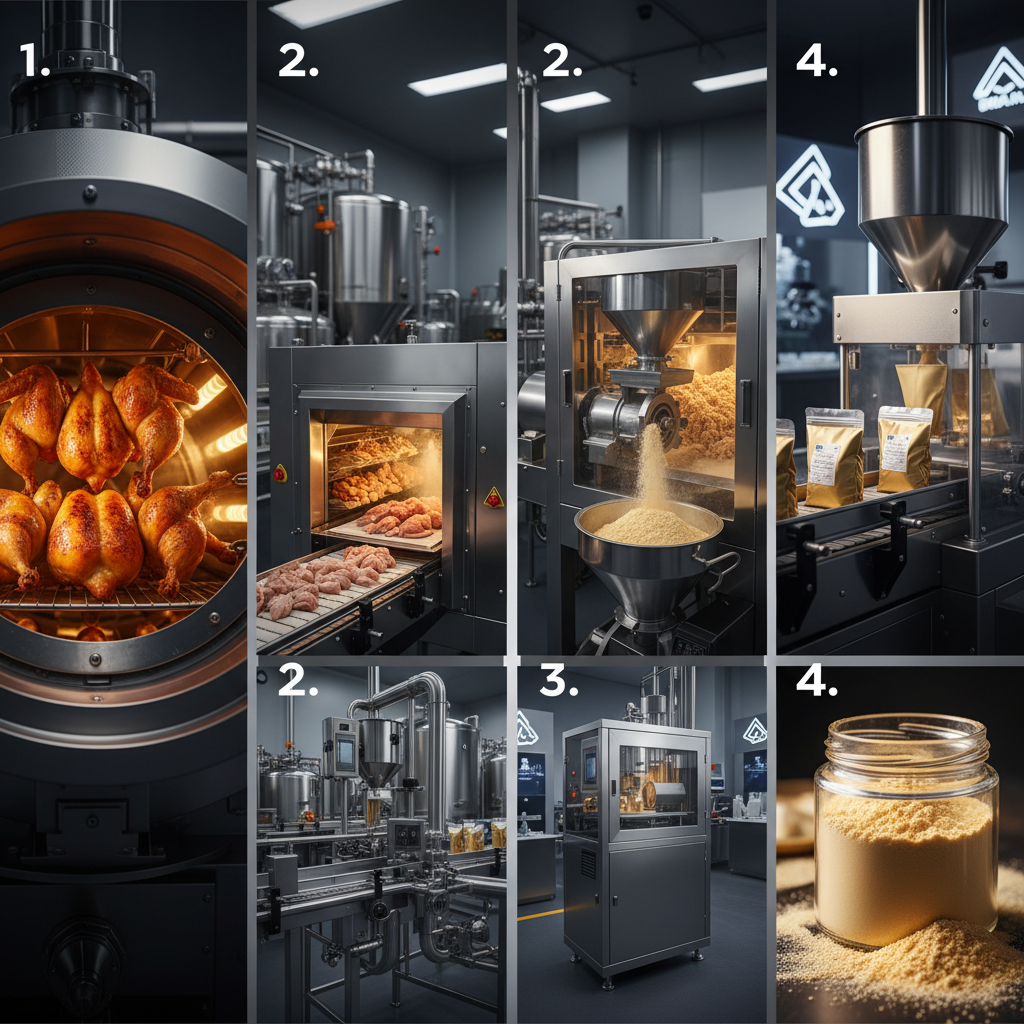
The global food industry relies heavily on standardized safety protocols to ensure that additives used in mass production are safe for human consumption. Among these, the guidelines often found in a codex alimentarius food additives pdf serve as the gold standard for international trade and consumer protection, providing a scientific basis for the use of substances like glucose in food processing.
Maintaining consistency across different regulatory jurisdictions is a significant challenge for manufacturers exporting ingredients worldwide. By adhering to the principles outlined in the codex alimentarius food additives pdf, producers can harmonize their quality control measures, ensuring that a product like D-glucose meets the rigorous purity and safety demands of multiple global markets simultaneously.
For professional food chemists and procurement officers, accessing a detailed codex alimentarius food additives pdf is essential for verifying that an additive's specification—such as the assay of 99.5% for glucose—aligns with international food-grade standards.
The Role of Codex Standards in Glucose Production
The production of alpha-D-glucose is not merely a chemical process but a rigorous adherence to safety benchmarks. By referencing a codex alimentarius food additives pdf, manufacturers ensure that their glucose—whether in monohydrate or anhydrous form—is free from harmful contaminants and meets the specific rotation requirements of +52.00 to 53.50.
This commitment to international standards allows for seamless integration into confectionery and medicinal drugs. When a supplier provides certifications like ISO 9001:2008 and FDA, they are effectively aligning their internal quality management with the broader safety goals established in the codex alimentarius food additives pdf framework.
Defining Glucose Specifications and Global Purity
Glucose, also known as dextrose or corn sugar, is a polyhydroxyaldehyde and a primary energy source for living cells. In the context of commercial food additives, purity is the most critical metric. A high-quality product must maintain an assay of at least 99.5% on a dry basis to be considered food grade, ensuring that the final food product remains stable and taste-consistent.
The technical definition of purity extends beyond the main component. It involves strict limits on impurities such as chloride (≤ 0.01%), sulphated ash (≤ 0.25%), and heavy metals like lead (≤ 0.1mg/kg). These parameters are not arbitrary; they are designed to protect consumer health and prevent chemical interference in complex recipes like jam or jelly.
By aligning these specifications with the guidelines in a codex alimentarius food additives pdf, manufacturers provide a guarantee of safety. This transparency is what allows global brands to trust China-origin factories for their bulk glucose needs, knowing the product will behave predictably in large-scale industrial mixers.
Core Components of High-Purity Dextrose
The functionality of dextrose depends on its physical and chemical properties. For instance, its solubility in water makes it ideal for beverages, while its role as a metabolic intermediate ensures it provides rapid energy. These characteristics are meticulously tracked and validated against the codex alimentarius food additives pdf to maintain a gold standard.
One core component is the crystalline structure, which allows for uniform distribution in baked goods. Whether used as a monohydrate or anhydrous powder, the adherence to a codex alimentarius food additives pdf ensures that the loss on drying is kept within acceptable limits (≤ 10% for monohydrate, 2% for anhydrous), preventing clumping and ensuring accurate dosing.
Furthermore, the absence of pathogenic bacteria and the low count of molds and yeasts (≤ 100pcs/g) are non-negotiable requirements. This microbiological purity, often cross-referenced with a codex alimentarius food additives pdf, is what makes the product safe for direct edible applications in cakes and torrefied foods.
Functional Applications in Industrial Food Systems
In industrial baking, glucose does more than provide sweetness; it acts as a humectant that keeps cakes and torrefied foods soft and extends their shelf life. This functionality is critical for large-scale distributors who need their products to remain fresh during long-distance transportation via ocean, land, or air.
Beyond bakery, the rapid solubility of dextrose powder makes it indispensable for the beverage industry and cold foods. It allows for a clean flavor profile that does not overpower other ingredients, making it a preferred choice for energy drinks and nutritional supplements where a precise energy delivery is required.
Performance Ratings of Glucose Additive Methods
Advantages of Dextrose in Nutritional Formulations
Dextrose is highly valued in sports nutrition due to its high bioavailability. Unlike complex carbohydrates, it provides an immediate fuel source for physical activity and cognitive performance, which is why it is a staple in energy bars and fortified health drinks.
The ability to combine glucose with vitamins, minerals, and electrolytes allows manufacturers to create comprehensive nutritional powders. Because our glucose is produced under strict quality control, it ensures that these functional additives remain stable and effective without interacting negatively with the sugar base.
Overcoming Challenges in Additive Integration
One common challenge in food manufacturing is controlling crystallization and browning during thermal treatments. Over-crystallization can ruin the mouthfeel of a candy or the texture of a syrup. By using a high-purity glucose that adheres to a codex alimentarius food additives pdf, producers can precisely control these reactions.
Another limitation is the risk of batch-to-batch inconsistency, which can lead to flavor drift in large-scale production. The solution lies in implementing strict ISO and FDA-certified processing lines, ensuring that every 25kg bag delivered maintains the same chemical profile and purity levels.
Furthermore, integrating additives into "clean label" products requires a deep understanding of what is permitted. Referencing a codex alimentarius food additives pdf helps formulators choose the most transparent and safe ingredients, reducing the risk of regulatory rejection in sensitive markets like the EU or North America.
Future Trends in Food Additive Certification
The future of the food additive industry is moving toward digital transparency and sustainable sourcing. We are seeing a shift where certifications are no longer just paper documents but are tracked via blockchain to ensure the origin of the corn sugar and the purity of the processing steps.
Automation in quality testing is also on the rise. Real-time monitoring of assay levels and moisture content allows factories to adjust production instantly, ensuring that the standards found in a codex alimentarius food additives pdf are met in every single gram of product, not just in random samples.
As global health trends pivot toward functional foods, the demand for high-purity glucose as a carrier for nutrients will grow. The integration of green energy in the production of glucose will further enhance the sustainability profile of these essential food additives.
Comparative Analysis of Glucose Grade Standards and Compliance
| Grade Type |
Purity Level |
Compliance Standard |
Primary Use Case |
| Food Grade Monohydrate |
≥ 99.5% |
Codex/FCC VII |
Bakery & Confectionery |
| Food Grade Anhydrous |
99.5% |
Codex/FDA |
Beverages & Pharma |
| Industrial Grade |
98.0% - 99.0% |
Internal Factory Std |
Artificial Fibers |
| Pharmaceutical Grade |
≥ 99.9% |
USP/BP/Codex |
Clinical Nutrition |
| Feed Grade |
95.0% - 97.0% |
Feed Safety Std |
Livestock Supplements |
| Specialty Dextrose |
99.5% + |
Custom/Codex |
Fortified Foods |
FAQS
For importers, this document serves as the primary reference to ensure that the additives they purchase meet international safety and purity standards. It helps in clearing customs by providing a recognized benchmark for specifications, such as the lead and arsenic limits in glucose, reducing the risk of shipment rejection.
Glucose acts as a humectant, meaning it attracts and retains moisture. In cakes and torrefied foods, this prevents the product from drying out, maintaining a soft texture and extending the window of freshness for the consumer, all while complying with additive standards.
Yes, the primary difference is the water content. Monohydrate contains a molecule of water, resulting in a loss on drying of up to 10%, whereas anhydrous is "water-free" with a limit of 2%. The choice depends on the final product's moisture requirements and solubility needs.
Absolutely. Due to its high purity (≥ 99.5%) and role as a primary energy source, it is widely used in medicinal drugs, clinical nutrition, and as a base for various pharmaceutical syrups and tablets, provided it meets the relevant pharmacopeia and Codex standards.
Purity is verified through a series of tests including specific rotation (to confirm identity), assay tests on a dry basis, and chromatography to detect impurities like chloride and sulfur dioxide, ensuring the product aligns with the codex alimentarius food additives pdf.
Yes, our glucose is produced in factories that hold Halal and ISO 9001:2008 certifications. This ensures that the production process is not only technically sound but also meets dietary and quality management requirements for global distribution.
Conclusion
In summary, the strategic use of high-purity glucose, validated by the benchmarks found in a codex alimentarius food additives pdf, is essential for maintaining the quality, safety, and stability of modern food and pharmaceutical products. From controlling the texture of baked goods to providing rapid energy in sports nutrition, the technical specifications of dextrose—such as its 99.5% assay and low heavy metal content—ensure that manufacturers can deliver consistent results to consumers worldwide.
As the industry evolves toward higher transparency and stricter regulatory oversight, adhering to international standards will remain the only way to ensure sustainable growth and consumer trust. We encourage food manufacturers and procurement specialists to prioritize certified suppliers who align their production with global safety guidelines. Visit our website for more information: www.standard-seasoning.com