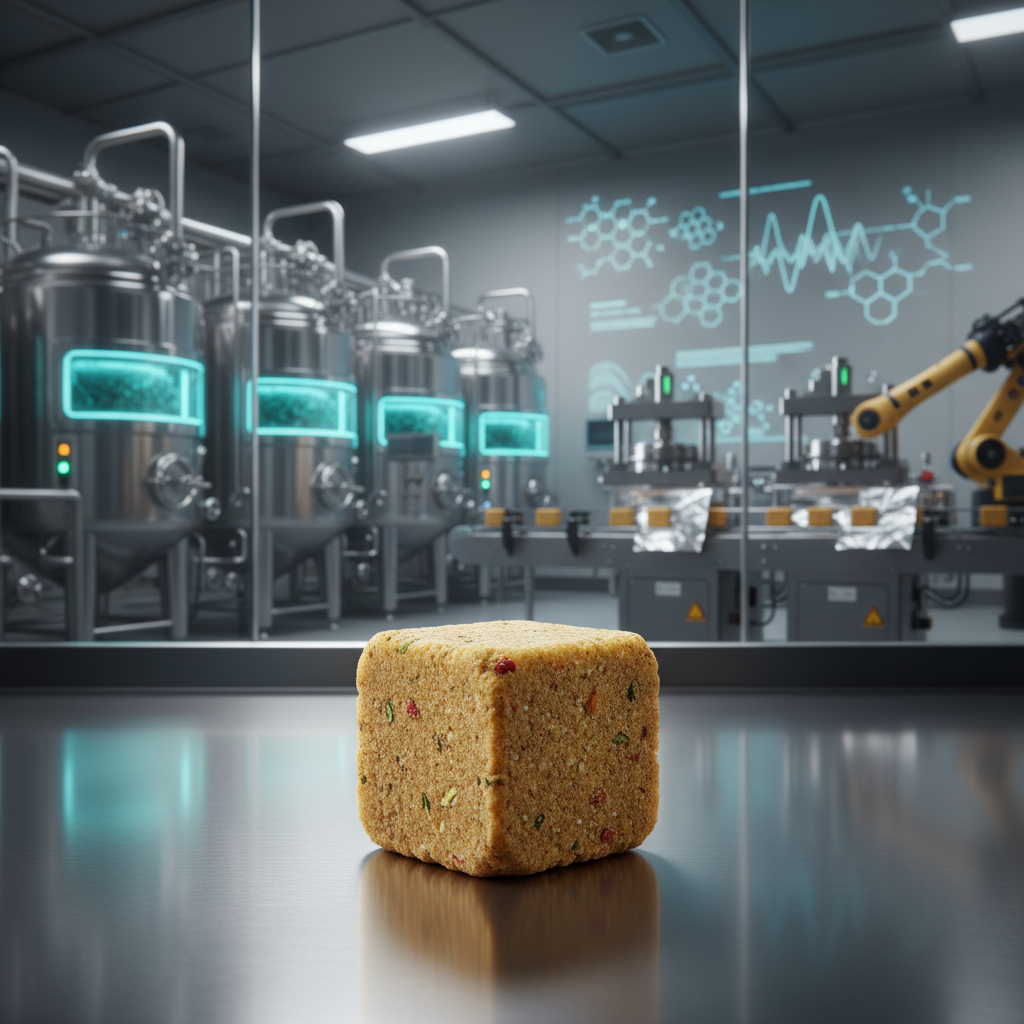
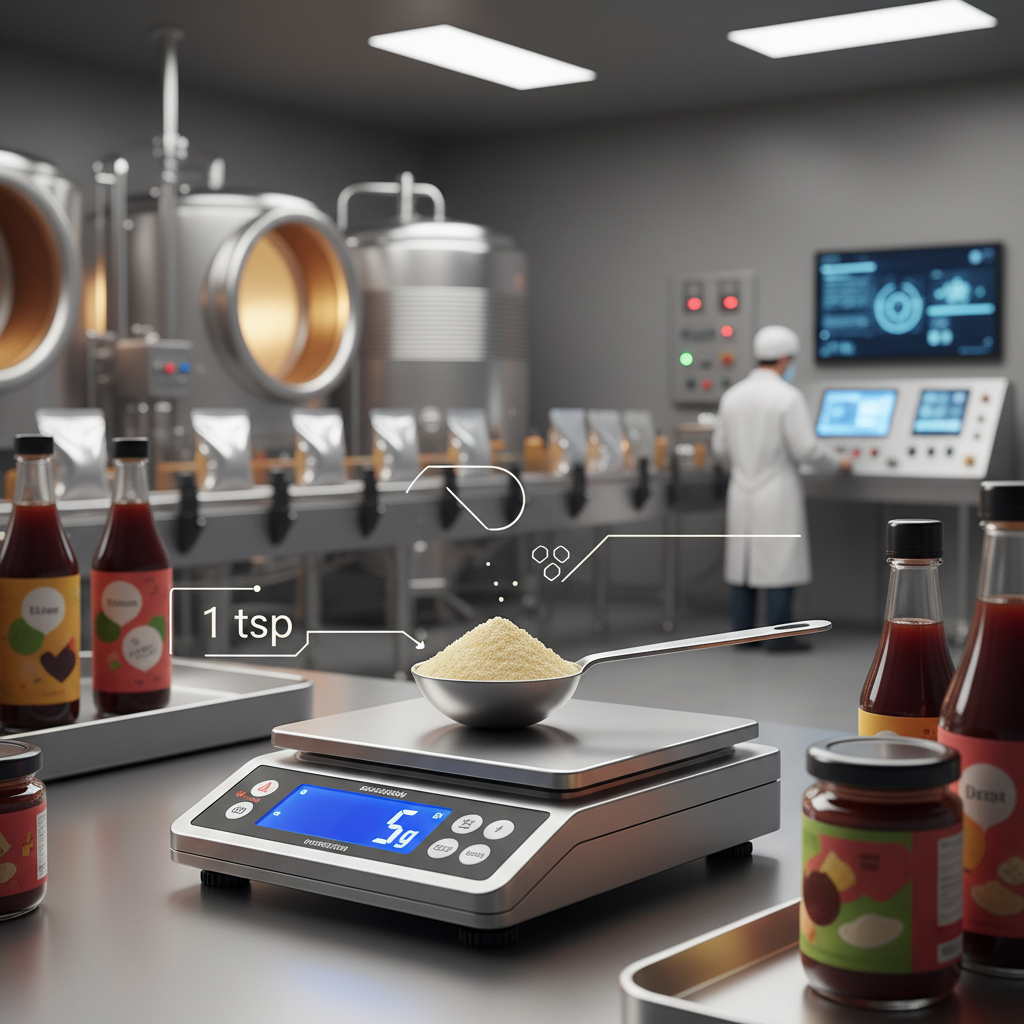
In the evolving landscape of food science, the demand for functional ingredients that balance flavor and health has never been higher. Many manufacturers are looking for ways to enhance the nutritional profile of their products while maintaining the sensory appeal that consumers crave. This is where the integration of prebiotic fibers and specialized flavor enhancers becomes crucial for modern food formulation.
Global health trends are shifting toward the reduction of refined sugars and the inclusion of dietary fibers that support metabolic health. By leveraging advanced plant-derived energy storages, the industry can create products that not only taste great but also offer tangible physiological benefits, such as blood lipid control and improved gut motility.
When exploring the synergy between health-promoting fibers and taste, understanding the role of msg spice blends can help formulators achieve a balanced profile. By combining the functional power of Inulin with precise seasoning, brands can deliver high-value food additives that meet stringent global quality standards.
The Nutritional Role of Inulin in Modern Food
Inulin serves as a vital energy storage form in plants, acting as an alternative to starch. Because of its unique chemical structure, it is an ideal functional food ingredient that provides the necessary raw material for producing high-value derivatives such as oligofructose, polyfructose, and crystalline fructose.
Integrating such fibers into formulations that utilize msg spice allow manufacturers to create savory products that are nutritionally dense. This synergy ensures that the end consumer receives a product that supports overall wellness without compromising on the traditional taste profiles of food additives.
Impact on Blood Lipids and Glucose Regulation
One of the primary health advantages of consuming inulin is its ability to effectively control blood lipids. Clinical observations indicate that it can reduce serum total cholesterol (TC) and low-density lipoprotein cholesterol (LDL-C), while improving the high-density lipoprotein ratio. For instance, studies on elderly patients have shown significant decreases in triglycerides after consistent short-term intake.
The mechanism behind this is the absorption of intestinal fat, forming complexes that are excreted from the body. Furthermore, inulin ferments into short-chain fatty acids and lactate in the colon; these metabolites act as regulators for liver metabolism and inhibit the synthesis of cholesterol.
Regarding glycemic control, inulin is a carbohydrate that does not cause an increase in urinary glucose. Since it is not hydrolyzed into monosaccharides in the upper intestine, it prevents sudden spikes in blood sugar and insulin levels, making it an excellent choice for diabetic-friendly food applications.
Enhancing Mineral Absorption and Bioavailability
The ability of inulin to promote the absorption of essential minerals like Calcium, Magnesium, Zinc, and Iron is a game-changer for nutritional fortification. In the context of seasoning and msg spice blends, adding prebiotic fibers can enhance the bioavailability of added micronutrients.
The fermentation process in the colon reduces the local pH, which significantly increases the solubility of minerals. This acidic environment, created by short-chain fatty acids, stimulates the growth of colon mucosal cells and expands the absorption area, ensuring that the body retains more of the minerals consumed.
Additionally, inulin promotes the secretion of phytase by specific microorganisms. This enzyme releases metal ions that were previously chelated with phytic acid, further increasing the efficiency of mineral uptake in teenagers and adults alike.
Gut Microbiota Regulation and Intestinal Health
Inulin acts as a natural water-soluble dietary fiber that resists digestion by stomach acid, arriving intact in the colon. Here, it serves as a selective food source for beneficial microorganisms, particularly bifidobacteria, which helps regulate the gut microbiota and improve the overall intestinal environment.
By enhancing gastrointestinal peristalsis, inulin helps increase digestion and appetite while strengthening the body's innate immunity. This makes it a superior additive for those looking to combine the taste of msg spice with genuine health benefits for the digestive tract.
Performance Rating of Fiber-Enhanced Seasoning
Protective Effects on the Liver and Colon
The fermentation of inulin in the colon produces short-chain fatty acids that lower the pH, which is critical for inhibiting the growth of saprophytic bacteria like E.coli. By doing so, it reduces the production of toxic metabolites such as ammonia, phenol, and cresol, which otherwise irritate the intestinal wall.
This metabolic activity not only protects the liver from toxins but also helps in preventing colon cancer. By increasing fecal acidity and accelerating the excretion of carcinogens, inulin provides a protective shield for the lower gastrointestinal tract.
Managing Obesity and Preventing Constipation
Dietary fibers like inulin are essential for treating constipation by reducing the retention time of food in the gastrointestinal tract. By increasing the bulk and volume of feces, it ensures a more regular and healthy bowel movement pattern.
For obesity management, inulin increases the viscosity of the stomach contents. This slows the rate at which food enters the small intestine, which in turn reduces the sensation of hunger and naturally decreases overall food intake.
When these properties are integrated into dietary supplements or food products enhanced with msg spice, the result is a functional food that supports weight loss while remaining palatable and satisfying.
Technical Specifications and Industrial Applications
From a technical standpoint, high-quality inulin must meet strict purity standards to be effective. Typically, a result of >86.0% purity is required, with loss on drying kept below 4.5% to ensure stability during storage and processing.
The pH range of 5.0 to 7.0 ensures compatibility with a wide variety of food matrices, allowing it to be blended seamlessly with other additives. This stability is key for manufacturers who produce large-scale pharmaceutical intermediates or food additives.
Furthermore, the presence of small amounts of 2-9 oligofructose provides neurological benefits, including the protection of brain nerve cells against damage and potential antidepressant effects, broadening its application from basic nutrition to mental wellness.
Core Technical Specifications of Industrial Inulin
| Analysis Item |
Standard Limit |
Typical Result |
Industrial Impact |
| Inulin Content |
>86.0% |
93.73% |
High potency prebiotic |
| Loss on Drying |
≤4.5g/100g |
2.00g/100g |
Extended shelf life |
| pH Level |
5.0 - 7.0 |
5.24 |
Stable formulation |
| Residue on Ignition |
≤0.2g/100g |
0.1g/100g |
High purity grade |
| Total Plate Count |
M=5×10⁴ |
Compliant |
Microbiological safety |
| E.coli |
M=102 |
Negative |
Food grade safety |
FAQS
Inulin works by absorbing intestinal fats and forming complexes that are excreted through feces. Additionally, its fermentation into short-chain fatty acids in the colon inhibits cholesterol synthesis in the liver and improves the ratio of HDL to LDL cholesterol, effectively lowering total serum cholesterol levels.
Yes, inulin is an ideal carbohydrate for diabetic diets because it is not hydrolyzed into monosaccharides in the upper intestine. Consequently, it does not cause spikes in blood glucose or insulin levels, and research indicates it can actually help decrease fasting blood glucose via colonic fermentation.
Absolutely. By lowering the pH of the colon through fermentation, inulin increases the solubility and bioavailability of minerals such as Calcium, Magnesium, and Iron. It also stimulates the growth of mucosal cells, expanding the absorption area in the intestinal wall.
Inulin increases the viscosity of the contents in the stomach, which slows down the gastric emptying process. This leads to a slower entry of food into the small intestine, reducing hunger signals and helping individuals decrease their overall calorie intake.
While both are forms of energy storage in plants, inulin is a fructose-based polymer (fructan) that is water-soluble and resistant to human digestive enzymes. Unlike starch, which is broken down into glucose, inulin reaches the colon to serve as a prebiotic for beneficial bacteria.
Yes, inulin is a natural dietary fiber. Long-term consumption is associated with improved gut health, better mineral density in bones, and a reduction in toxic fermentation products in the colon, making it a safe and beneficial addition to a daily diet.
Conclusion
In summary, inulin represents a powerhouse of functional benefits, ranging from the regulation of blood lipids and glucose to the enhancement of mineral absorption and gut health. By combining its prebiotic properties with the sensory appeal of high-quality additives like msg spice, food manufacturers can create products that address the growing global demand for "health-conscious taste."
Looking forward, the integration of Inulin into pharmaceutical intermediates and functional food categories will likely expand as we better understand the gut-brain axis and the role of oligofructose in neurological health. For businesses aiming to lead in the food additive market, adopting these scientifically backed ingredients is the key to sustainable innovation and consumer trust. Visit our website: www.standard-seasoning.com