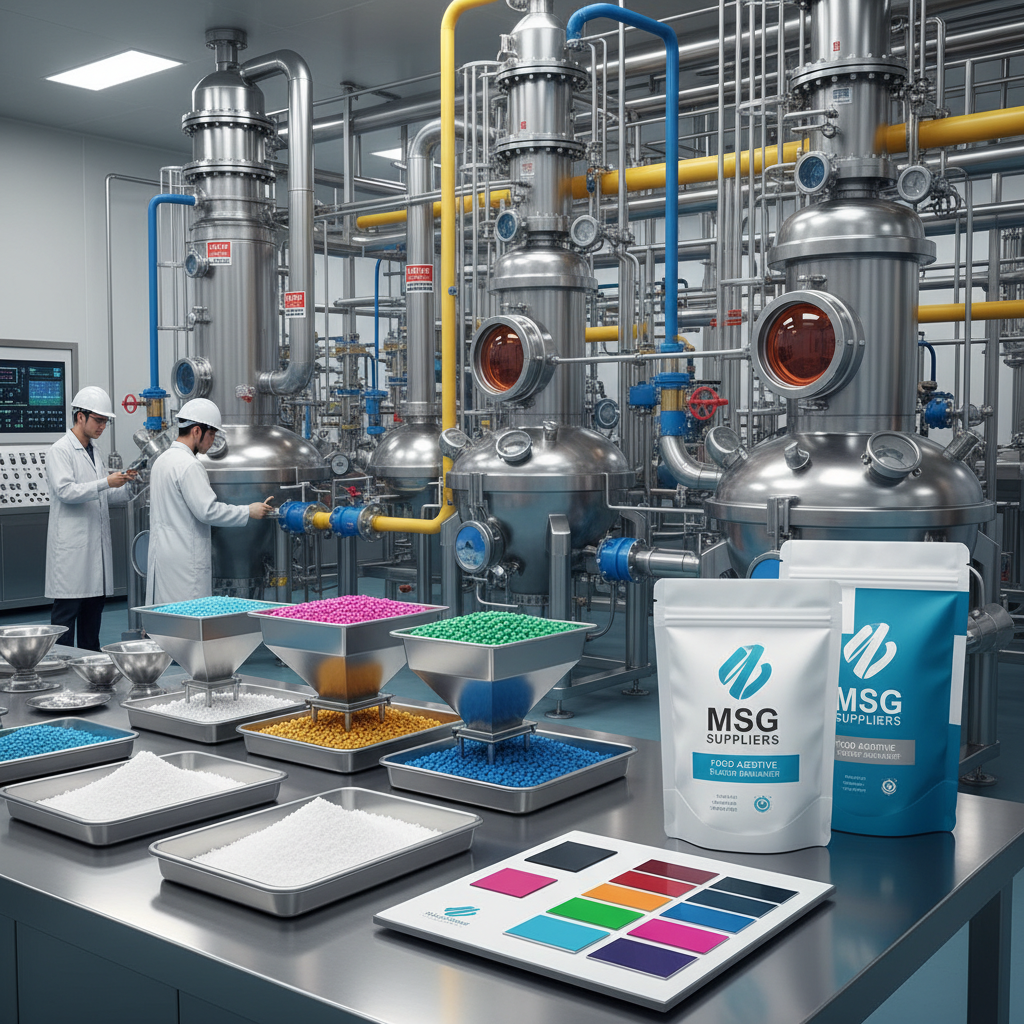
Understanding the complexity of food additive labeling is essential for modern food manufacturers and consumers alike. A comprehensive food additives e numbers list serves as a standardized international shorthand, allowing for clear communication of ingredients across different languages and regulatory jurisdictions. By simplifying chemical names into numerical codes, the industry ensures consistency in product formulation and labeling.
The global food supply chain relies heavily on these standardized systems to maintain safety and quality control. From flavor enhancers used in bouillon cubes to preservatives in processed snacks, the application of an organized food additives e numbers list allows regulators to monitor intake levels and ensure that every ingredient meets strict safety guidelines established by bodies such as EFSA and the FDA.
For businesses looking to optimize their product offerings, referencing a precise food additives e numbers list is the first step in developing high-quality seasonings and flavor bases that are compliant with international trade laws. This transparency not only builds consumer trust but also streamlines the manufacturing process for complex products like shrimp and chicken bouillon.
Understanding the Global Standardization of Food Additives
The standardization of food ingredients through a numerical system is a cornerstone of the modern food additive industry. By utilizing a structured food additives e numbers list, manufacturers can bypass the confusion of nomenclature that varies between countries. This is particularly critical for products like seasoning cubes, which contain a blend of salts, oils, and flavor enhancers that must be documented accurately for export to regions such as Africa and the Middle East.
Beyond simple identification, this system facilitates the enforcement of safety thresholds. When a manufacturer utilizes ingredients like MSG or specific vegetable fats, the associated E number immediately signals the additive's function—whether it be as a preservative, emulsifier, or stabilizer—ensuring that the final bouillon product is both safe for consumption and consistent in taste.
The Role of E Numbers in Ingredient Transparency
Transparency in food labeling is no longer optional; it is a regulatory requirement. The use of a food additives e numbers list provides a bridge between complex chemical formulations and consumer understanding. For example, in the production of shrimp or chicken bouillon, transparency regarding flavor enhancers and salts ensures that the product meets the dietary guidelines of various international markets.
From a technical standpoint, the E number system allows for a highly condensed ingredient list on small packaging, such as 4g or 10g cubes. Instead of listing lengthy chemical names that would clutter the aluminum foil packaging, the E number allows the manufacturer to remain compliant with ISO and HACCP standards while keeping the design clean and professional.
Furthermore, this system assists in the certification process for HALAL and FDA approvals. By mapping every ingredient to a recognized food additives e numbers list, auditors can quickly verify that no prohibited substances have been used in the production of seasoning cubes, thereby facilitating smoother customs clearance at ports like Qingdao.
Core Components of Modern Seasoning Formulations
The effectiveness of a seasoning cube relies on the precise synergy between its base ingredients and the functional additives. A typical bouillon formulation integrates salt, palm oil, and MSG, all of which can be cross-referenced via a food additives e numbers list to ensure purity and grade. This balance is what allows a shrimp seasoning cube to mimic the fresh taste of seafood.
Key to the structural integrity of the cube is the use of vegetable fats and emulsifiers. By consulting a food additives e numbers list, developers can select the ideal stabilizer that prevents the palm oil from separating, ensuring the cube remains solid during transportation via land or ocean while maintaining a shelf life of 24 months.
Ultimately, the goal of utilizing a food additives e numbers list in seasoning production is to achieve a "superb workmanship" result. Whether the target flavor is beef, onion, or tomato, the additives ensure that the flavor remains stable under various storage conditions, provided they are kept away from direct sunlight in a cool, dry place.
Analyzing the Efficiency of Different Additive Categories
To optimize the performance of food additives, manufacturers often categorize them by their functional impact on the end product. In the context of bouillon production, we analyze the efficiency of flavor enhancers, preservatives, and stabilizers. Each category is mapped to a specific section of the food additives e numbers list to determine the most cost-effective and high-quality option for mass production.
The following analysis demonstrates how different additive approaches impact the quality and stability of the final seasoning product, emphasizing the importance of selecting the right components from the recognized additive lists.
Comparative Efficiency of Additive Categories
Global Applications in Bouillon and Seasoning Production
The application of standardized additives is vital for serving diverse global markets. In regions like Africa and the Middle East, seasoning cubes are a staple for adding depth to traditional dishes. By adhering to a strict food additives e numbers list, China-based factories can produce high-volume shipments (up to 500mt per month) that are guaranteed to be consistent regardless of where they are distributed.
Moreover, the flexibility of these additive systems allows for customized packaging and flavor profiles. Whether a client requires a 10g cube in a 60pcs box or a 4g sachet, the underlying chemical stability—provided by the carefully selected additives—ensures that the product does not degrade during long-haul ocean transportation from Qingdao to international destinations.
Long-Term Value of Certified Food Additive Systems
Investing in high-quality additives and certifications provides a significant competitive advantage. When a manufacturer can prove that their ingredients align with an approved food additives e numbers list and hold certifications like ISO9001:2000, ISO22000, and HACCP, they reduce the risk of shipment rejections and legal disputes. This reliability creates long-term trust with B2B buyers.
Beyond compliance, the logical value lies in cost efficiency. Using a standardized list allows procurement teams to source the most effective version of an additive (such as the most stable flavor enhancer) at a reasonable price. This ensures that the product remains affordable for the end consumer while maintaining the "high quality" and "beautiful design" that the brand promises.
From an emotional perspective, safety certifications provide peace of mind. Knowing that the shrimp or chicken bouillon is processed in an FDA-compliant facility using ingredients from a verified food additives e numbers list gives consumers the dignity of knowing they are eating safe, professionally manufactured food.
Future Trends in Clean Labeling and Additive Innovation
The industry is currently shifting toward "clean label" initiatives, where manufacturers aim to replace synthetic additives with natural alternatives. This transition requires a sophisticated understanding of the food additives e numbers list to find natural substitutes that offer the same functionality—such as using natural extracts instead of synthetic flavor enhancers—without compromising the 24-month shelf life.
Digital transformation is also playing a role, with blockchain technology being used to track the origin of additives from the factory in China to the end consumer. This level of traceability ensures that every single item on the food additives e numbers list used in a batch of bouillon cubes can be verified for purity and origin, enhancing the overall safety of the global food chain.
Sustainability is the final frontier, with a push toward using more eco-friendly oils and biodegradable packaging for the 4g and 10g cubes. As automation increases in the 500mt/month productivity lines, the integration of precision dosing systems will allow for even more accurate application of additives, reducing waste and improving the environmental footprint of seasoning manufacturing.
Strategic Analysis of Additive Application in Seasoning Cubes
| Additive Category |
Function in Bouillon |
E-List Compliance |
Quality Score (1-10) |
| Flavor Enhancers |
Amplifies Umami Taste |
Strictly Verified |
9.5 |
| Emulsifiers |
Oil-Water Stability |
ISO Compliant |
8.8 |
| Preservatives |
Extends Shelf Life |
FDA Approved |
9.0 |
| Anti-Caking Agents |
Prevents Clumping |
Standardized |
8.2 |
| Colorants |
Visual Appeal |
E-List Verified |
8.5 |
| Stabilizers |
Texture Maintenance |
HACCP Certified |
8.7 |
FAQS
A food additives e numbers list is an international coding system used to identify substances approved for use in food within the European Union and other global markets. It is used to simplify labeling, ensuring that ingredients like emulsifiers and preservatives are identified consistently across different languages, which is essential for the global trade of seasoning cubes.
Yes, any additive listed on the official food additives e numbers list has undergone rigorous safety assessments by food safety authorities. Our bouillon cubes are further guaranteed by certifications such as ISO22000, HACCP, and FDA, ensuring that all components are used within safe, regulated limits.
The system provides a clear chemical identity for every ingredient. By cross-referencing the food additives e numbers list, HALAL auditors can quickly determine if an additive is derived from animal sources or synthetic/plant sources, ensuring that the seasoning cubes meet strict religious dietary requirements.
Absolutely. We offer customized packing and formulation options. By selecting different components from the food additives e numbers list, we can adjust the taste, color, or shelf-life properties of the chicken, beef, or shrimp seasoning to meet the specific needs of your target market.
Yes, specific additives like preservatives and antioxidants found in the food additives e numbers list are critical for preventing oxidation of the palm oil. This allows our cubes to maintain a shelf life of 24 months when stored in a cool, dry place away from sunlight.
We provide full transparency through our certifications (ISO, QS, FDA). Every batch is produced according to a strict specification that aligns with the international food additives e numbers list, and detailed ingredient lists are available upon request for all our bouillon and seasoning products.
Conclusion
The strategic utilization of a food additives e numbers list is fundamental to the production of safe, consistent, and high-quality food seasonings. From the initial formulation of shrimp and chicken bouillon to the final delivery at an international port, this standardized system ensures that productivity—up to 500mt per month—does not come at the cost of safety or quality. By integrating certified additives with rigorous standards like ISO and HACCP, manufacturers can deliver products that are both reasonable in price and superb in workmanship.
Looking ahead, the industry will continue to evolve toward cleaner labels and greater traceability. For businesses seeking a reliable partner in the food additive space, prioritizing suppliers who maintain strict adherence to global additive standards is the key to sustainable growth. We invite you to explore our comprehensive range of seasoning solutions and certifications. Visit our website: www.standard-seasoning.com