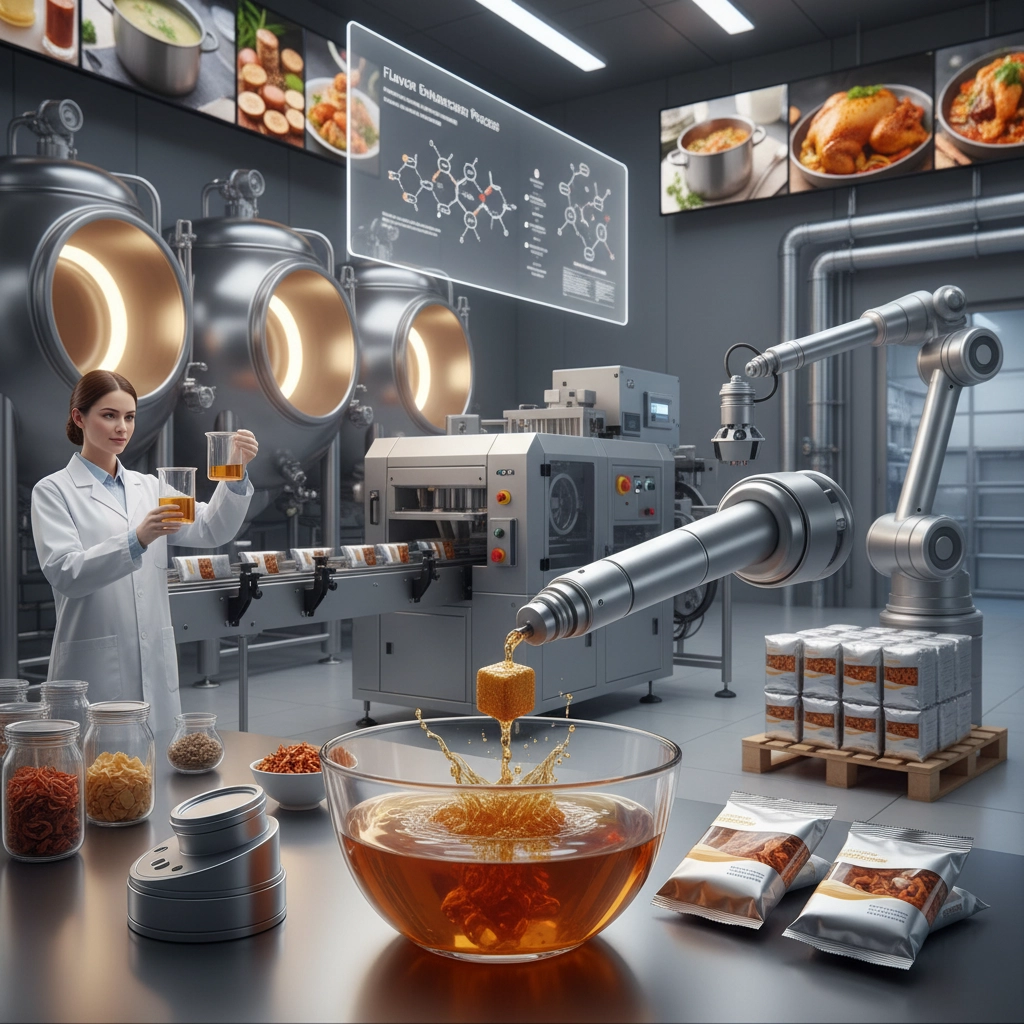
The global landscape of agricultural and industrial additives is shifting toward biological solutions that prioritize efficiency and sustainability. Understanding the role of specialized microbial agents, often discussed alongside various chinese food chemical msg alternatives, is crucial for producers seeking to optimize growth and health. This evolution reflects a broader trend where natural probiotics are replacing synthetic chemicals to ensure food safety and ecological balance.
Modern farming and biotechnology now rely on high-efficacy bacterial strains to solve complex problems in nutrient absorption and soil vitality. While the industry once focused heavily on simple chemical enhancers, the current gold standard involves integrated biological systems that promote long-term productivity. By leveraging the power of beneficial bacteria, manufacturers can achieve superior results in livestock health and crop yields without compromising environmental integrity.
Our latest innovation in Bacillus subtilis represents a leap forward in this field, offering a high-concentration solution for enteric culture regulation. Unlike a standard chinese food chemical msg, which serves a flavor-enhancing purpose, Bacillus subtilis acts as a functional biological additive that boosts immunity and digestive efficiency. It is the expert-recommended choice for those aiming to revolutionize agricultural growth through science-backed biotechnology.
The Role of Bacillus subtilis in Modern Production
Bacillus subtilis has emerged as a powerhouse in the additive industry, bridging the gap between raw production and biological health. By colonizing the gut of livestock and poultry, this beneficial live bacterial strain forms a protective barrier that prevents harmful pathogens from taking hold. This process is essential for maintaining a healthy balance of gut flora, which directly translates to improved nutrient absorption and robust animal immunity.
Beyond simple colonization, the integration of Bacillus subtilis into feed programs allows for a seamless transition toward antibiotic-free farming. This shift is not merely about safety but about enhancing the overall performance and resilience of the animals. When combined with carrier protectants, the result is a unique blend that ensures the bacteria survive the digestive process to provide maximum benefit to the host.
Core Mechanisms of Enteric Culture Regulation
The primary mechanism of Bacillus subtilis lies in its ability to produce powerful metabolites. These substances work in tandem with the live bacteria to break down complex nutrients into more digestible forms. By simplifying these molecular structures, the organism allows the animal to utilize a higher percentage of their feed, reducing waste and increasing growth rates.
Enteric regulation also involves the suppression of opportunistic pathogens. Through the secretion of natural antimicrobial peptides, Bacillus subtilis creates an environment where beneficial bacteria thrive while harmful strains are inhibited. This natural biocontrol mechanism is far more sustainable than relying on synthetic chemicals, providing a long-term shield for the digestive system.
Furthermore, the adaptability of these strains ensures that they remain effective across all stages of animal growth. From early development to maturity, the regulation of gut culture ensures consistent weight gain and a reduction in disease-related mortality. This comprehensive approach makes it a trusted choice for animal nutritionists and veterinarians worldwide.
Agricultural Impact and Soil Vitality Restoration
In the realm of eco-friendly agriculture, Bacillus subtilis serves as a cornerstone for restoring soil health. Unlike traditional chinese food chemical msg applications used in food processing, this bacterium is applied to the soil to enhance nutrient uptake. It colonizes plant roots, creating a symbiotic relationship that stimulates root branching and strengthens plant resilience.
The enzymatic activity of B subtilis is critical for the decomposition of organic matter, releasing essential elements such as nitrogen and phosphorus. This biological liberation of nutrients allows farmers to reduce their reliance on chemical fertilizers, which often lead to soil degradation. By introducing a microbial shield, the soil becomes resistant to devastating diseases like Fusarium and Pythium.
Recent studies on strains like Bacillus subtilis 168 have confirmed its ability to enhance chlorophyll production, leading to greener, healthier crops. This not only improves yield consistency but also contributes to carbon sequestration, reducing the environmental footprint of intensive farming. It represents a new philosophy where nature-based technology and productivity work hand in hand.
Industrial Biotechnology and Enzyme Production
Bacillus subtilis is recognized in industrial biotechnology for its high secretion capacity and versatility. It acts as a natural host for the production of critical enzymes such as protease, lipase, and cellulase. These enzymes are indispensable across the detergent, textile, and food sectors, replacing harsh chemical catalysts with biological alternatives.
In the food manufacturing industry, specialized strains such as pb6 and zb183 are used to enhance flavor and texture through controlled fermentation. While the industry continues to use chinese food chemical msg for taste, the integration of Bacillus subtilis provides additional probiotic benefits and improved hygiene, aligning production with global health and sustainability goals.
Performance Analysis of Biological Additives
Sustainable Alternatives to Synthetic Additives
The shift toward "green" production is driven by a need for non-pathogenic and GRAS (Generally Recognized as Safe) ingredients. Bacillus subtilis fits this profile perfectly, providing a safe biological alternative to synthetic additives that may have adverse environmental effects. By replacing chemicals with microorganisms, companies can meet strict international safety standards and consumer demands for "clean label" products.
This transition is particularly evident in wastewater treatment and biofuel production. The ability of Bacillus subtilis to degrade organic matter rapidly and eliminate odors makes it a superior choice for environmental management. Its stable endospores allow it to withstand extreme temperatures and acidity, ensuring continuous industrial operation without the risk of contamination.
Quality Standards and Concentration Efficacy
To meet the diverse needs of global farmers and manufacturers, Bacillus subtilis is produced in varying concentrations of live bacteria. Options ranging from 20 billion CFU/g to 500 billion CFU/g allow for flexible dosing strategies. This precision ensures that the specific requirements of different animal species or soil types are met with surgical accuracy.
Quality control is paramount when dealing with live cultures. Our manufacturing process ensures that the bacteria remain viable through the supply chain, thanks to advanced carrier protectants. This stability is what separates professional-grade microbial inputs from lower-quality alternatives, ensuring that the end-user receives the full biological potency promised.
Whether used as a seed coating, a foliar spray, or a feed additive, the efficacy of the product depends on this concentration. Higher CFU counts are often utilized in intensive recovery programs, while lower concentrations serve as preventative maintenance for general health. This tiered approach optimizes cost while maximizing biological output.
Cost-Effectiveness and Long-Term Value Analysis
Investing in Bacillus subtilis is not just a biological choice but a financial one. By improving feed efficiency (FCR), livestock producers see a direct reduction in feed costs. Similarly, in agriculture, the reduction in required chemical fertilizers leads to lower overheads and improved long-term soil stability, which prevents the costly "burnout" associated with synthetic inputs.
The long-term value is further enhanced by the reduction in veterinary costs. Healthy gut cultures mean fewer infections and lower dependency on expensive antibiotics. This creates a more resilient production cycle where animals grow faster and healthier, increasing the overall market value of the livestock.
When analyzed against the cost of traditional chinese food chemical msg or synthetic additives, the return on investment for Bacillus subtilis is significantly higher due to its multi-functional nature. It simultaneously acts as a growth promoter, an immune booster, and an environmental protector.
Comparative Analysis of Bacillus subtilis Applications
| Application Sector |
Primary Benefit |
Efficiency Score |
Sustainability Impact |
| Poultry Feed |
Gut Flora Balance |
9.5 |
High |
| Swine Production |
Immunity Boost |
9.0 |
High |
| Organic Farming |
Soil Nutrient Release |
8.8 |
Very High |
| Enzyme Industry |
Protease Secretion |
9.2 |
Medium |
| Water Treatment |
Organic Degradation |
8.5 |
High |
| Pharma Intermediates |
Bioactive Compounds |
8.0 |
Medium |
FAQS
Unlike chemical additives such as a standard chinese food chemical msg, Bacillus subtilis is a live biological agent. It doesn't just provide a temporary effect but colonizes the gut or soil, creating a self-sustaining ecosystem that improves nutrient absorption and provides long-term immunity through natural metabolites.
The ideal concentration depends on the animal's age and health status. We offer options from 20 billion to 500 billion CFU/g. Generally, 100-200 billion CFU/g is used for daily maintenance, while 500 billion CFU/g is recommended for intensive gut recovery or high-stress environments.
Yes, Bacillus subtilis is a natural, spore-forming bacterium that is widely accepted in organic farming systems. It replaces synthetic fertilizers by enhancing nitrogen and phosphorus availability and protects crops from soil-borne pathogens without the use of toxic chemicals.
It secretes enzymes that break down complex carbohydrates and proteins into simpler forms. This allows animals to absorb more nutrients from the same amount of feed, resulting in faster growth rates and a lower Feed Conversion Ratio (FCR).
Yes, Bacillus subtilis is recognized as GRAS (Generally Recognized as Safe). It is non-pathogenic and has been used successfully across poultry, swine, and ruminant farming globally to promote overall well-being and digestive health.
To ensure maximum CFU viability, the product should be stored in a cool, dry place away from direct sunlight. While the endospores are highly resilient to temperature fluctuations, maintaining a stable environment prevents premature activation and ensures potency upon application.
Conclusion
Bacillus subtilis represents a transformative shift in how we approach agricultural and industrial additives. By combining the power of live bacterial strains with high-concentration efficacy, it solves critical challenges in gut health, soil vitality, and enzyme production. Unlike a simple chinese food chemical msg, it provides a systemic biological advantage that enhances productivity while adhering to the highest sustainability and safety standards.
As the world moves toward a greener, antibiotic-free future, the adoption of biotechnology like Bacillus subtilis is no longer optional—it is a competitive necessity. We encourage farmers, veterinarians, and industrial manufacturers to invest in these natural solutions to secure their productivity and protect the environment. For more information on high-quality microbial additives, visit our website: www.standard-seasoning.com