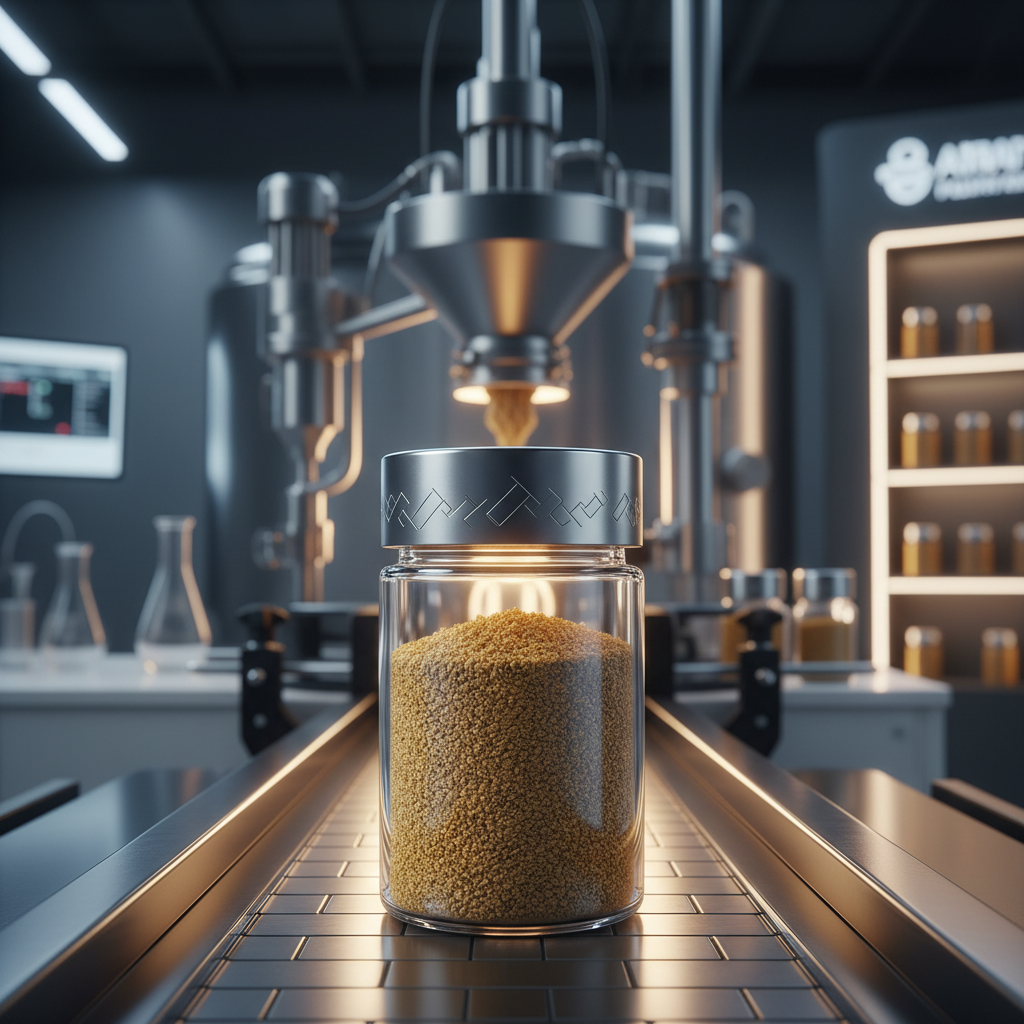
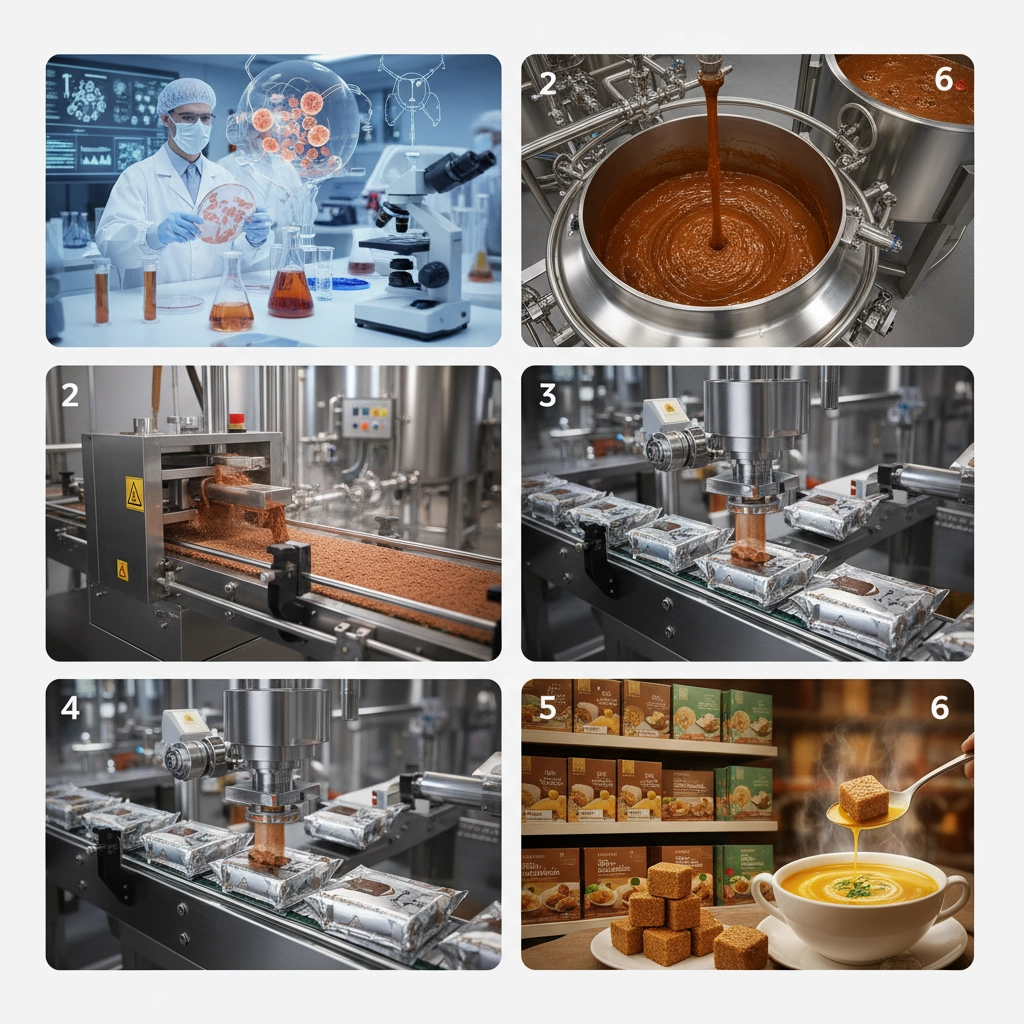
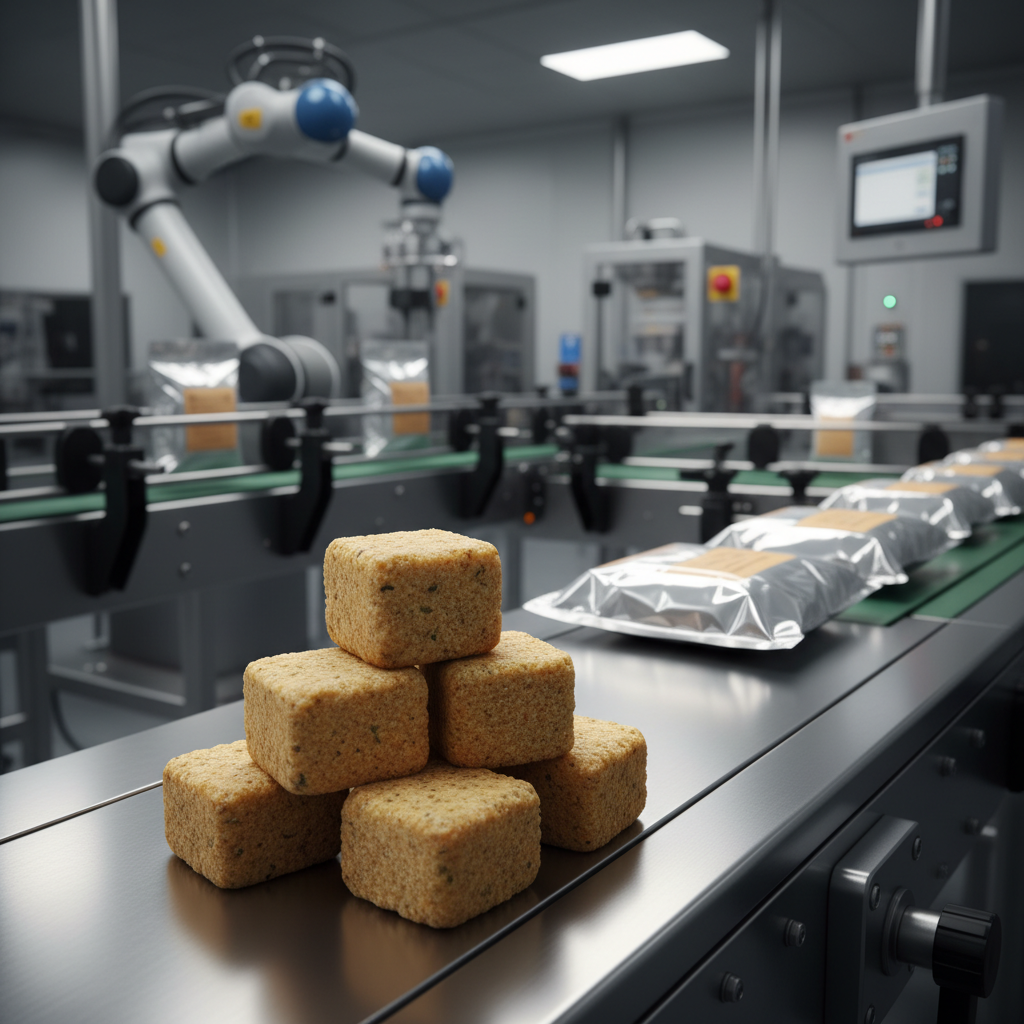
The global food industry is currently witnessing a significant shift toward functional ingredients that offer both structural stability and nutritional benefits. Among these, the search for sustainable, plant-based thickeners and stabilizers has led to an increased interest in organic jerusalem artichoke inulin as a versatile additive for enhancing texture and health profiles in processed foods.
From a technical standpoint, the demand for high-performance polymers in food science is driven by the need to replace synthetic stabilizers with natural alternatives. This evolution is not merely a trend but a response to global health standards and consumer preferences for "clean label" ingredients that provide tangible physiological benefits while maintaining product quality.
Understanding the synergy between advanced cellulose derivatives and prebiotic fibers like organic jerusalem artichoke inulin allows manufacturers to optimize the rheological properties of their products, ensuring that stability, mouthfeel, and nutritional value are all maximized for the end consumer.
Global Industry Context of Organic Jerusalem Artichoke Inulin
The global market for prebiotic fibers has seen an exponential rise as dietary guidelines from organizations like the WHO emphasize the importance of gut health and soluble fibers. Within this landscape, organic jerusalem artichoke inulin has emerged as a premium source of fructans, offering a natural alternative to synthetic bulking agents in the food and pharmaceutical sectors.
Industry data indicates a growing challenge in balancing "clean label" requirements with the need for high-viscosity stability in liquid foods. Manufacturers are increasingly turning to organic solutions to meet ISO standards for food safety and organic certification, ensuring that the additives used do not compromise the biological integrity of the final product.
Defining Organic Jerusalem Artichoke Inulin and Its Role
Organic jerusalem artichoke inulin is a naturally occurring polysaccharide found in the tubers of the Helianthus tuberosus plant. In simple terms, it is a chain of fructose molecules that acts as a soluble fiber, remaining undigested in the upper gastrointestinal tract to serve as a food source for beneficial gut bacteria.
In the context of modern food manufacturing, it serves a dual purpose: acting as a functional texturizer and a nutritional enhancer. Unlike traditional starches, it provides a creamy mouthfeel and stability without adding significant calories or altering the flavor profile of the food, making it indispensable for health-conscious product lines.
The integration of such organic fibers addresses the humanitarian need for accessible, nutrient-dense food options. By enriching staple foods with prebiotic properties, the industry can contribute to better metabolic health outcomes on a global scale, bridging the gap between industrial efficiency and public wellness.
Core Technical Components and Functional Factors
The effectiveness of organic jerusalem artichoke inulin depends heavily on its degree of polymerization. This molecular structure determines whether the fiber acts more as a prebiotic or as a functional thickener, allowing producers to tailor the ingredient to specific needs such as solubility or gel formation.
One of the primary technical advantages of organic jerusalem artichoke inulin is its exceptional solubility and stability across various pH levels. This makes it highly compatible with other additives, including ionic polymers like Sodium Carboxymethyl Cellulose (CMC Na), to create complex matrices that prevent phase separation in emulsions.
Cost efficiency and scalability are also key factors. Because the raw material is derived from a hardy, fast-growing crop, the supply chain for organic jerusalem artichoke inulin is more resilient compared to rare botanical extracts, ensuring a steady flow of material for large-scale industrial production.
Global Applications and Industrial Use Cases
In the food industry, this ingredient is widely applied to stabilize yogurt beverages and increase the viscosity of dairy-free systems. By mimicking the creamy texture of fats, organic jerusalem artichoke inulin allows for the creation of low-fat products that do not sacrifice the sensory experience of the consumer.
Beyond dairy, it is used in the bakery sector to improve the hydration of doughs, effectively extending the shelf life of bread and pasta products. In remote industrial zones or post-disaster relief operations, fortified foods enriched with these fibers provide essential nutritional support and improved satiety for vulnerable populations.
Performance Ratings of Fiber Integration Methods
Long-Term Value and Sustainability Advantages
The long-term value of incorporating organic jerusalem artichoke inulin lies in its contribution to sustainable agriculture. Since the source plant requires fewer pesticides and less water than many traditional cereal crops, it aligns perfectly with the global movement toward regenerative farming and reduced environmental footprints.
From a brand perspective, using certified organic fibers builds deep trust and innovation credibility with the modern consumer. The logical shift toward safety and dignity in food production means that additives are no longer seen as "fillers," but as active contributors to a healthier, more sustainable global food system.
Future Trends and Innovations in Fiber Technology
The future of fiber technology is leaning toward "smart additives" that can modulate their release in the gut. Emerging research into organic jerusalem artichoke inulin suggests that through precise enzymatic modification, we can create fibers that target specific areas of the colon to maximize prebiotic efficiency.
Digital transformation in manufacturing is also playing a role, with AI-driven formulation software now capable of predicting the exact ratio of inulin to other thickeners to achieve a perfect viscosity. This automation reduces waste and accelerates the time-to-market for new functional food products.
Furthermore, the integration of green energy in the extraction process is making the production of these organic fibers even more eco-friendly. By utilizing solar-powered processing plants, the carbon footprint of organic jerusalem artichoke inulin is being minimized, fulfilling the requirements of the circular economy.
Overcoming Challenges in Fiber Implementation
Despite its benefits, a common limitation is the potential for gastrointestinal sensitivity in some users when consumed in very high doses. To overcome this, food scientists are developing blended fiber matrices that combine organic jerusalem artichoke inulin with other soluble fibers to slow down fermentation and improve tolerance.
Another challenge is the hygroscopic nature of high-purity powders, which can lead to clumping during storage. The industry is solving this through advanced spray-drying techniques and the use of organic anti-caking agents that maintain the powder's flowability without compromising its "organic" status.
Expert insights suggest that the key to successful implementation is a gradual introduction of the fiber into the formulation. By optimizing the interaction between the fiber and the aqueous phase, manufacturers can ensure a smooth, transparent colloidal solution that meets all aesthetic and functional requirements.
Comparative Analysis of Organic Fiber Implementation Strategies
| Implementation Method |
Stability Score |
Cost Efficiency |
Consumer Acceptance |
| Direct Powder Mixing |
6/10 |
9/10 |
7/10 |
| Pre-gelatinized Blend |
8/10 |
7/10 |
9/10 |
| Synergistic CMC Mix |
10/10 |
8/10 |
8/10 |
| Liquid Emulsion Base |
9/10 |
6/10 |
9/10 |
| Enzymatic Modification |
7/10 |
5/10 |
10/10 |
| Cold-Press Integration |
5/10 |
8/10 |
7/10 |
FAQS
While both are fructans, organic jerusalem artichoke inulin is derived from the tubers of the Jerusalem artichoke, often resulting in a different distribution of chain lengths. This can lead to variations in solubility and a more distinct prebiotic profile, which is often preferred in premium organic formulations for a cleaner taste and higher stability in acidic environments.
Yes, it can often replace synthetic bulking agents, but for high-viscosity needs, it is best used in combination with other stabilizers like CMC Na. This synergy allows manufacturers to achieve the desired thickness while adding nutritional value, effectively transforming a simple stabilizer into a functional health ingredient.
Absolutely. It is 100% plant-based and recognized as a low-glycemic carbohydrate. Because it is a soluble fiber that isn't fully absorbed by the body, it has a minimal impact on blood glucose levels, making it an ideal choice for keto-friendly and vegan product development.
It acts as a humectant, meaning it helps retain moisture within the food matrix. In bread and pasta products, this prevents staling and keeps the texture soft for longer, thereby extending the shelf life and improving the overall eating quality without the need for artificial preservatives.
Like many organic fibers, it is hygroscopic. To prevent clumping, we recommend using a high-shear mixer or pre-blending it with other dry ingredients. Using an edible-grade CMC Na can also help in dispersing the inulin more evenly into aqueous solutions.
International buyers should request a full Certificate of Analysis (CoA) and organic certification documents (such as USDA Organic or EU Organic). We ensure a transparent supply chain from the cultivation of the tubers to the final extraction process, providing full traceability for every batch.
Conclusion
In summary, organic jerusalem artichoke inulin represents a powerful intersection of food science and nutritional wellness. By providing essential prebiotic benefits and versatile textural properties, it allows food manufacturers to meet the rigorous demands of the modern, health-conscious consumer while adhering to strict organic and sustainability standards. From stabilizing yogurt to extending the freshness of bakery goods, its application is as diverse as it is beneficial.
Looking forward, the shift toward bio-based additives is inevitable. Investing in high-quality organic fibers not only ensures compliance with evolving global regulations but also positions a brand as a leader in innovation and public health. We encourage manufacturers to explore the synergistic possibilities of combining these natural fibers with advanced stabilizers to create the next generation of functional foods. Visit our website for more information: www.chinaseasoning.com