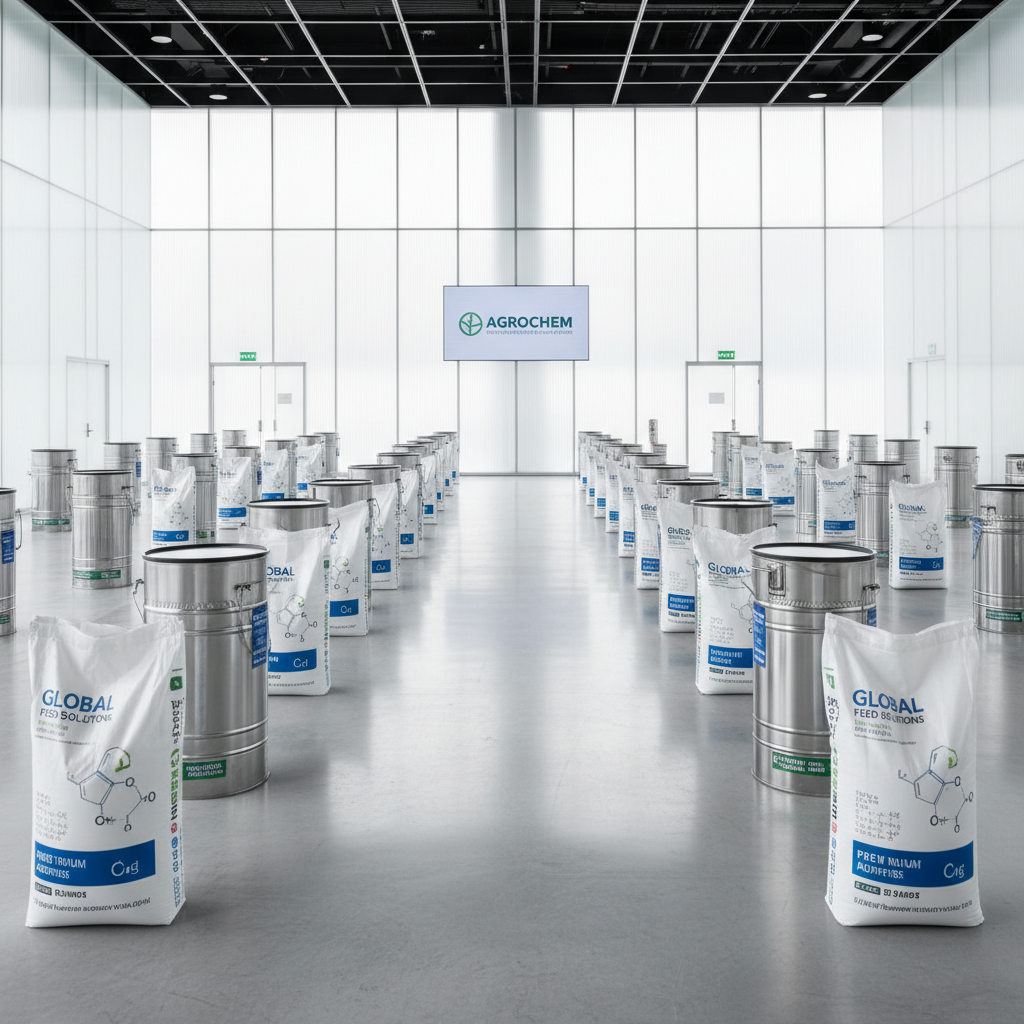
Maintaining the nutritional integrity of livestock feed is a global priority for the agricultural sector, where the stability of mineral supplements plays a critical role. Dicalcium phosphate (DCP) serves as a fundamental pillar in this process, ensuring that essential calcium and phosphorus are delivered effectively to animals. The integration of high quality animal feed preservatives and stabilizers is essential to prevent degradation and ensure that these vital nutrients remain bioavailable throughout the supply chain.
In the modern industrial landscape, the demand for precision nutrition has led to a more rigorous approach to feed formulation. Whether it is for poultry, swine, or companion animals, the goal is to optimize growth rates and skeletal health while minimizing waste. By focusing on high-purity mineral sources like DCP, manufacturers can create balanced diets that support everything from strong eggshell formation in hens to dental health in dogs and cats.
The challenge for producers lies in sourcing raw materials that meet strict purity standards and maintain stability under various environmental conditions. Utilizing high quality animal feed preservatives helps in maintaining the chemical stability of these additives, ensuring that parameters such as phosphorus (17-18%) and calcium (22-23%) remain consistent. This commitment to quality directly translates to improved animal welfare and higher productivity for farmers worldwide.
The Role of Dicalcium Phosphate in Mineral Stability
Dicalcium phosphate (DCP), characterized as a white monoclinic crystalline powder, is indispensable for maintaining the mineral balance in animal nutrition. Its stability in air and specific solubility in dilute acids make it an ideal vehicle for delivering phosphorus and calcium. When combined with high quality animal feed preservatives, it ensures that the feed remains fresh and the mineral content does not fluctuate due to oxidation or moisture.
The chemical formula CaHPO4 · 2H2O indicates a dihydrate form that is highly stable, though it transitions to anhydrous form at 75°C. This thermal property is crucial for feed manufacturers who use extrusion processes, as it allows for predictable behavior during high-temperature processing without compromising the core nutritional value provided to the livestock.
Nutritional Impact on Livestock and Poultry
In poultry production, the application of DCP is vital for the development of strong skeletal structures and the formation of high-quality eggshells. By providing a consistent source of phosphorus and calcium, it prevents rickets and anemia, which are common deficiencies that can lead to significant economic losses in commercial farming.
For swine and ruminants, the supplement enhances feed efficiency and promotes steady weight gain. The synergistic effect of mineral supplementation and the use of high quality animal feed preservatives ensures that the vitamins and minerals in the premix do not degrade, thereby maximizing the metabolic absorption of nutrients.
Beyond basic growth, DCP acts as a catalyst for overall metabolic function. It supports enzymatic processes and bone mineralization, which are critical during the rapid growth phases of young livestock, ensuring they reach market weight healthily and efficiently.
Bioavailability and Chemical Specifications
The efficacy of Dicalcium Phosphate is rooted in its high bioavailability. With a specification of 17-18% Phosphorus and 22-23% Calcium, it provides a precise ratio that mimics natural biological needs. The integration of high quality animal feed preservatives prevents the contamination of these minerals by molds or fungi.
Strict control over impurities is paramount; for instance, maintaining Lead at 0.003% Max and Arsenic at 0.003% Max ensures the safety of the food chain. When sourcing high quality animal feed preservatives, manufacturers look for similar purity standards to ensure that no toxic residues interfere with the animal's health.
The solubility of DCP in dilute hydrochloric and nitric acids allows it to be easily absorbed in the digestive tract of animals. This chemical property, paired with modern high quality animal feed preservatives, guarantees that the product remains potent from the factory to the trough.
Industrial Applications and Efficiency Ratings
Dicalcium phosphate's versatility extends beyond simple feed; it is used as a leavening agent in biscuits, a yeast culture agent in bread making, and a plastic stabilizer in industrial settings. In the feed industry, its role as a loose agent and nutrition supplement makes it a cornerstone of various premixes and fortified feeds.
The operational efficiency of using bulk DCP is high due to its stability and ease of integration into various feed matrices. By employing high quality animal feed preservatives, producers can extend the shelf life of these industrial mixes, reducing waste and optimizing logistics costs.
Mineral Additive Performance Ratings
Companion Animal Nutrition and Specialized Diets
The pet food industry relies heavily on Dicalcium Phosphate to ensure the health of dogs and cats. In dog food, it supports dental health and joint function, while in cat food, it is essential for maintaining enzymatic functions and bone strength. The use of high quality animal feed preservatives in these premium diets prevents the oxidation of fats and the degradation of minerals.
Specialized formulations for horses and deer also incorporate DCP to prevent skeletal deficiencies and maintain optimal mineral balance during high-activity periods. Because companion animal diets are often stored for longer periods by consumers, the role of high quality animal feed preservatives becomes even more critical to ensure the product remains safe and nutritious until the end of its shelf life.
Manufacturing Processes and Quality Control
The production of Dicalcium Phosphate involves precise chemical reactions to achieve the desired molecular weight of 172.09 and the specific crystalline structure. Modern manufacturing ensures that the moisture content remains below 2%, which is vital for preventing clumping and maintaining a free-flowing powder that can be easily mixed.
Quality control protocols focus on the strict limitation of heavy metals and fluorine. By implementing rigorous testing for Lead and Arsenic, manufacturers can guarantee a safe product. The addition of high quality animal feed preservatives during the final stages of production helps protect the purity of the powder from environmental contaminants.
Furthermore, the ability to produce various forms, such as dicalcium phosphate dihydrate and anhydrous versions, allows formulators to tailor the mineral density to specific species. This flexibility, combined with stable preservatives, ensures that the final feed product meets global regulatory standards for animal welfare and food safety.
Comparative Analysis of Feed Grade Mineral Additives
When comparing Dicalcium Phosphate to other phosphorus sources, its balance of solubility and stability stands out. While some additives may offer higher phosphorus concentrations, DCP provides a more bioavailable form of calcium and phosphorus that is less likely to cause digestive upset in sensitive livestock.
The economic value of DCP is further enhanced by its compatibility with other ingredients. It does not alter the taste or texture of the feed, which is crucial for maintaining palatability. When coupled with high quality animal feed preservatives, the overall cost-effectiveness is improved by reducing spoilage rates in bulk storage.
Ultimately, the choice of mineral additive depends on the specific growth stage of the animal and the environmental conditions of the farm. However, the consistent performance of high-purity DCP makes it the preferred choice for large-scale operations seeking reliable and sustainable nutritional outcomes.
Analysis of Dicalcium Phosphate Performance Across Different Species
| Animal Species |
Primary Benefit |
Absorption Rate |
Stability Rating |
| Poultry |
Eggshell Strength |
High |
9/10 |
| Swine |
Skeletal Growth |
Very High |
8/10 |
| Cattle |
Milk Production |
Medium |
9/10 |
| Dogs |
Dental Health |
High |
10/10 |
| Cats |
Enzymatic Function |
High |
10/10 |
| Horses |
Bone Density |
Medium |
8/10 |
FAQS
Dicalcium Phosphate serves as a critical supplement of calcium and phosphorus, two essential minerals required for bone development, growth, and overall metabolic health in livestock, poultry, and pets. It helps prevent conditions like rickets and supports the production of strong eggshells in poultry.
While DCP is naturally stable in air, high quality animal feed preservatives prevent the growth of molds and oxidation in the overall feed mix. This ensures that the DCP remains free-flowing and that its mineral purity is not compromised by environmental contaminants during storage.
Yes, DCP is widely used in both dog and cat foods to support dental health and bone strength. However, the dosage must be carefully managed by nutritionists to ensure a balanced calcium-to-phosphorus ratio, preventing hypercalcemia or other mineral imbalances.
High-quality feed-grade DCP typically contains 17-18% Phosphorus and 22-23% Calcium. Strict limits are placed on heavy metals, with Lead and Arsenic typically capped at 0.003% Max, and moisture kept under 2% to ensure product longevity and safety.
Yes, Dicalcium Phosphate is used in the food industry as a leavening agent in biscuits, a nutrition supplement in infant formula (up to 1.0 g/kg), and as a dough improver for fermented flour products, provided it meets food-grade purity specifications.
By optimizing the digestion of feed and strengthening the skeletal frame, DCP helps poultry increase their weight and overall meat production. It also significantly enhances the quality and thickness of eggshells, reducing breakage during transport.
Conclusion
Dicalcium Phosphate stands as a cornerstone of modern animal nutrition, providing the essential building blocks of calcium and phosphorus necessary for healthy growth across a diverse range of species. From the industrial scale of poultry and swine farming to the specialized needs of companion animals, its high bioavailability and chemical stability ensure optimal biological outcomes. When supported by high quality animal feed preservatives, DCP ensures a consistent, safe, and efficient delivery of nutrients, mitigating the risks of deficiency and maximizing livestock productivity.
Looking forward, the integration of higher purity standards and sustainable manufacturing processes will continue to enhance the efficacy of mineral supplements. Producers are encouraged to prioritize suppliers who maintain strict control over heavy metal contaminants and moisture levels to ensure the highest level of animal welfare. For those seeking reliable, high-grade mineral additives to optimize their feed formulations, visiting our website at www.chinaseasoning.com can provide the necessary professional solutions.